Re: Texan Dulhans
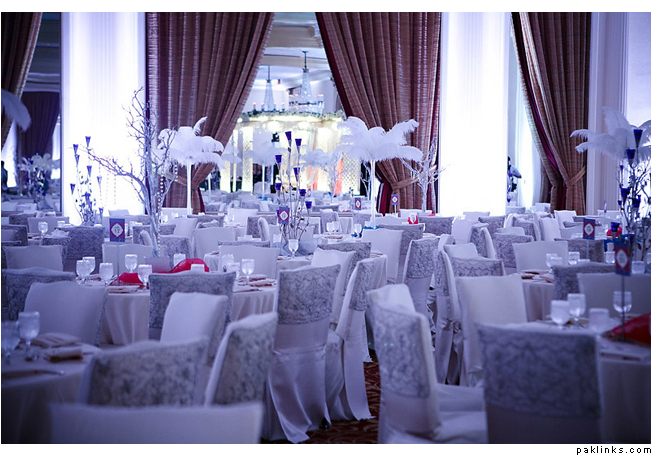
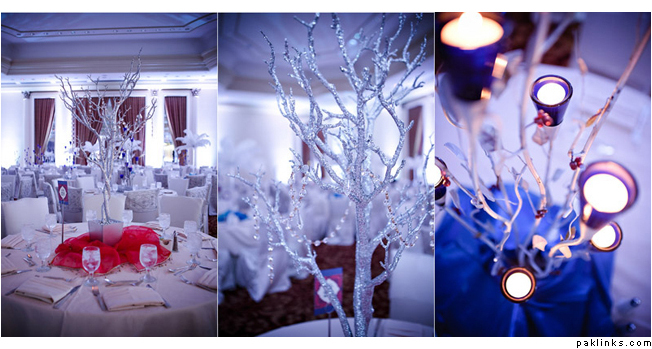
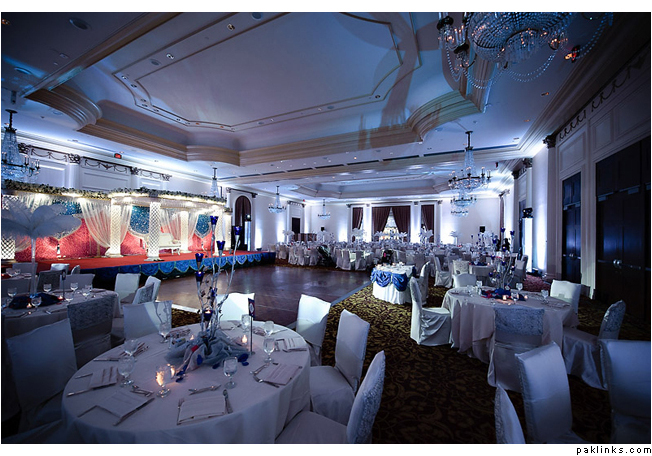
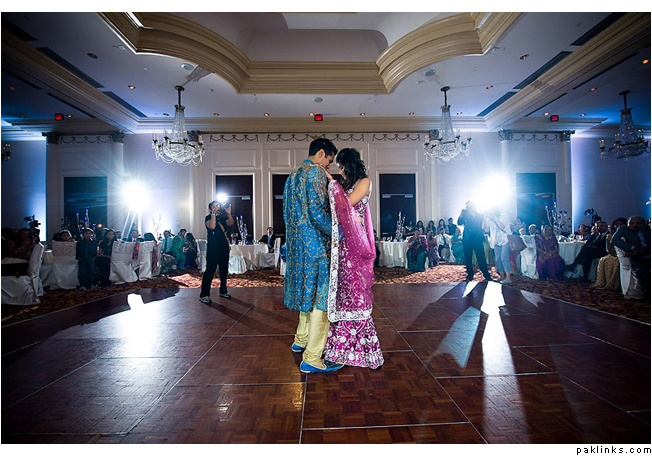
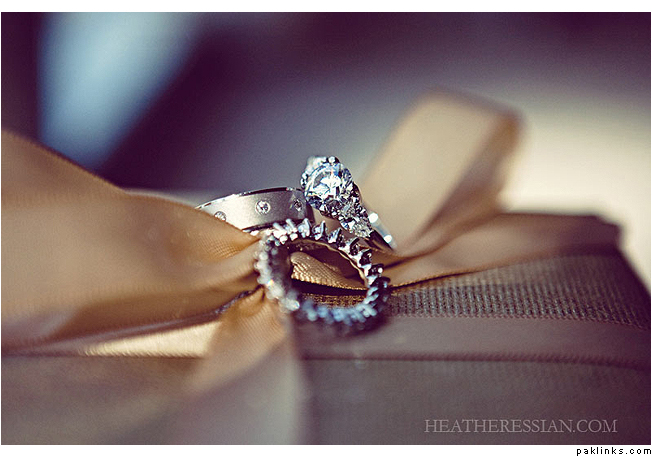
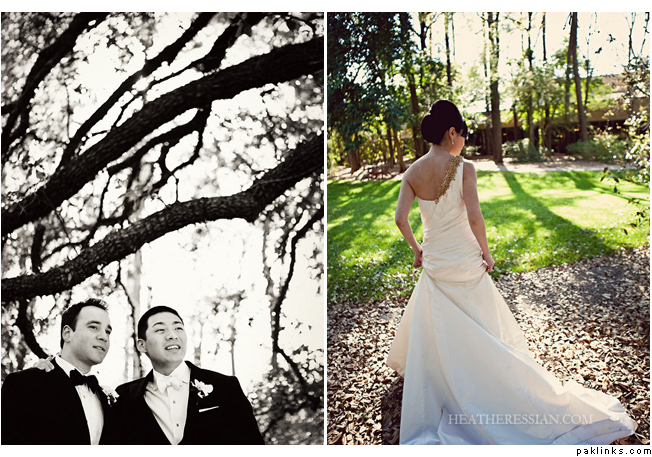
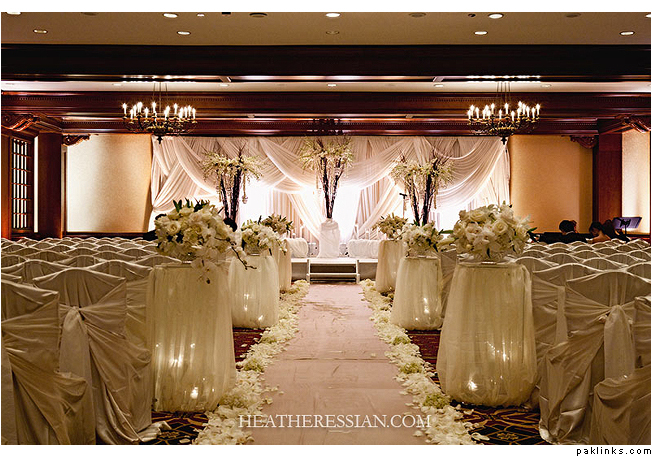
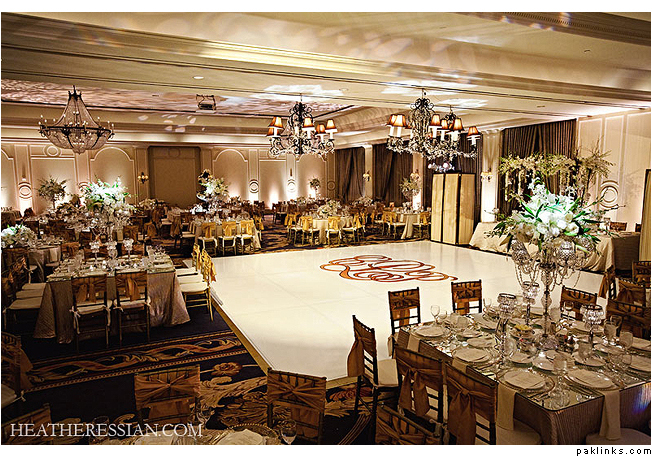
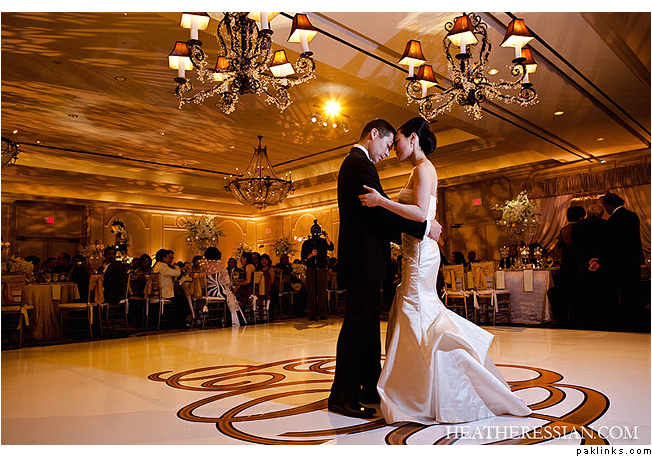
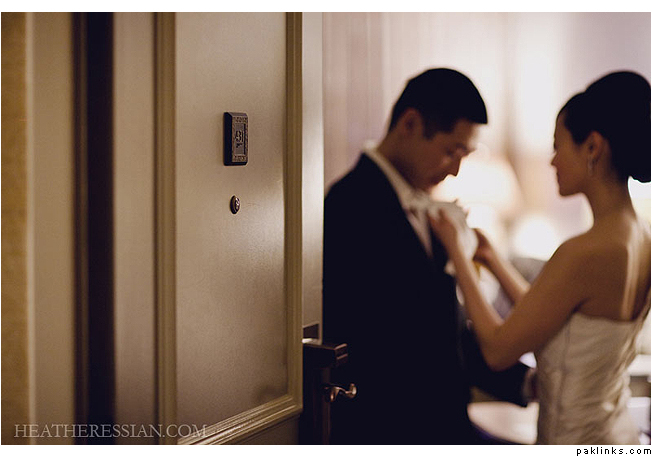
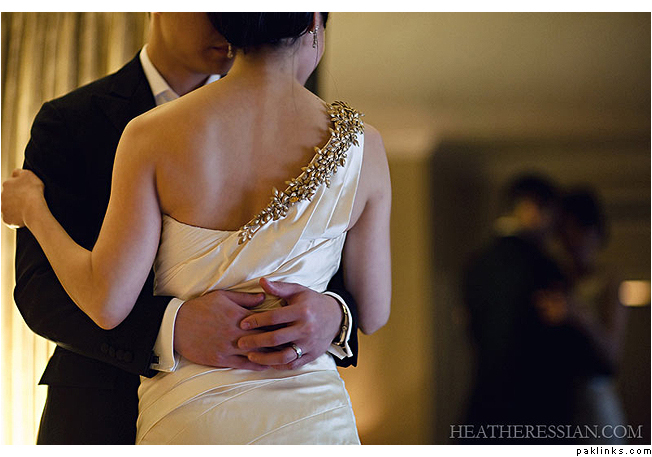
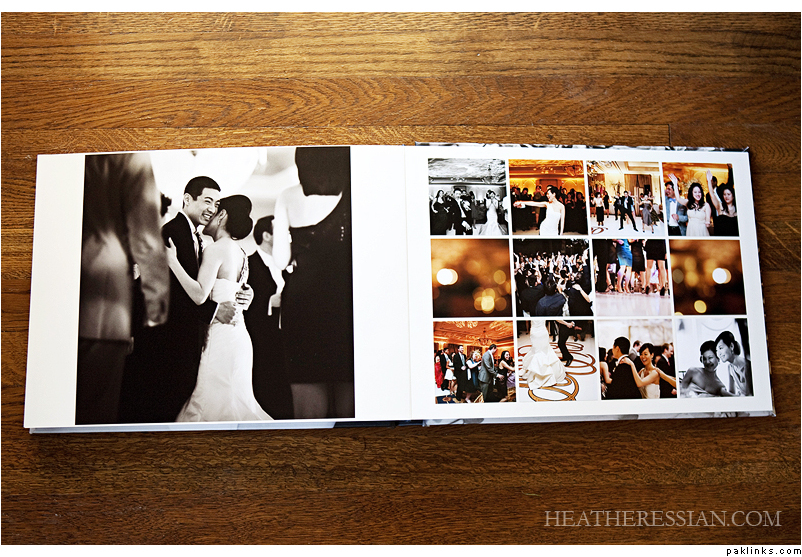
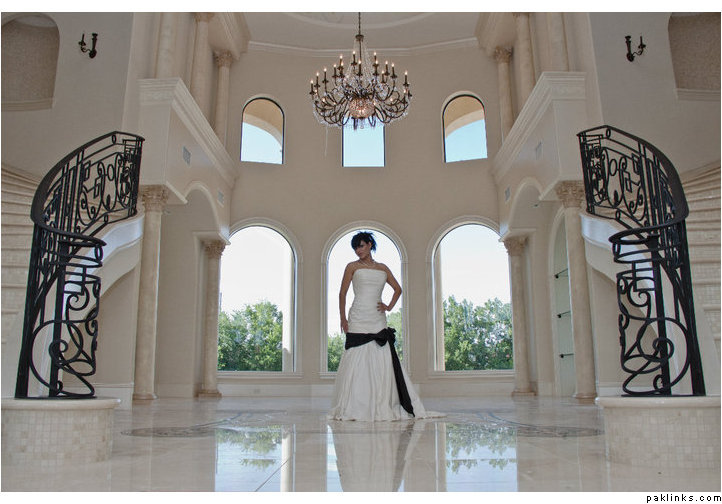
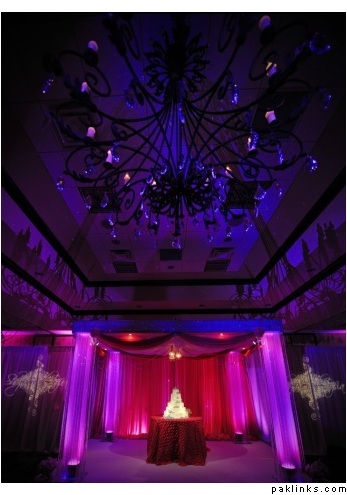
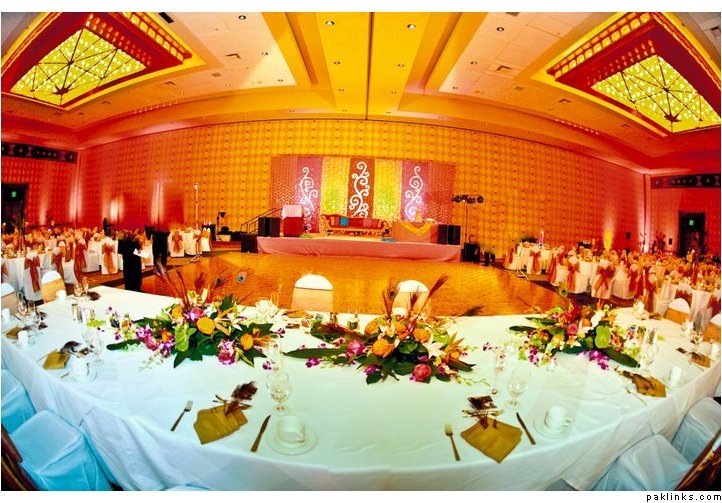
This is a Dallas Ft. Worth photographer and I just really liked this NON DESI wedding. The hotel venue makes it seem like a houston area wedding and The Houstonian Hotel looks like an amazing venue.
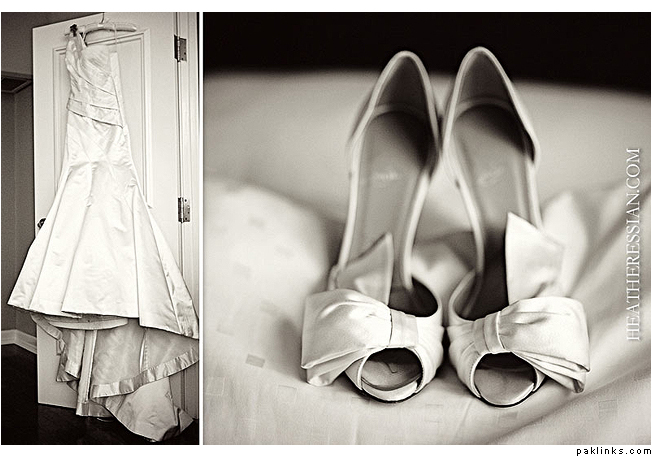
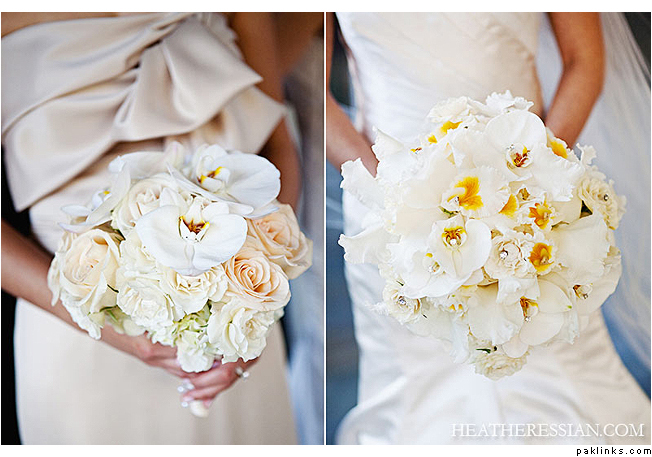
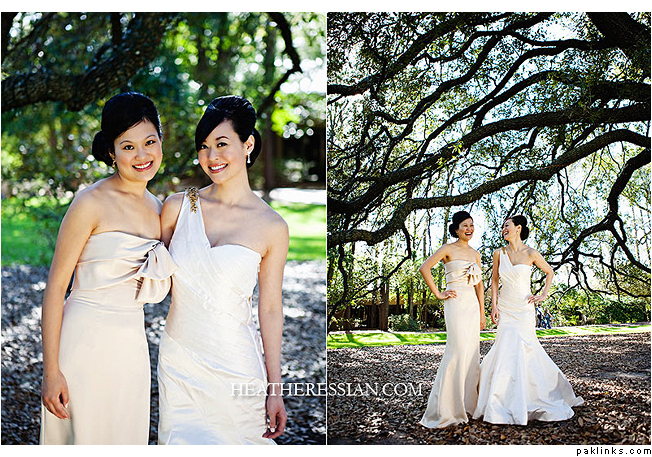
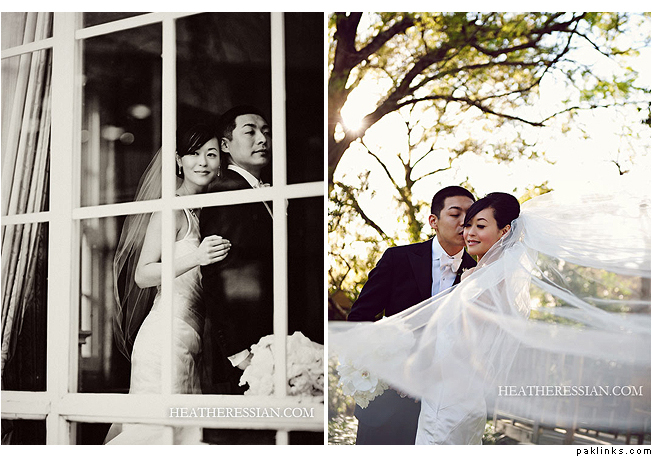
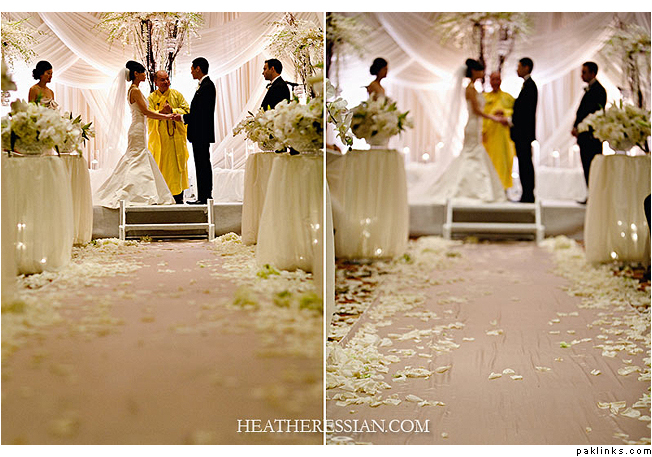
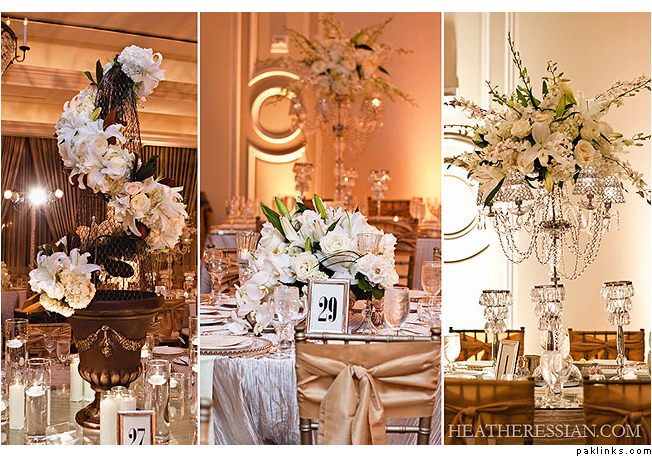
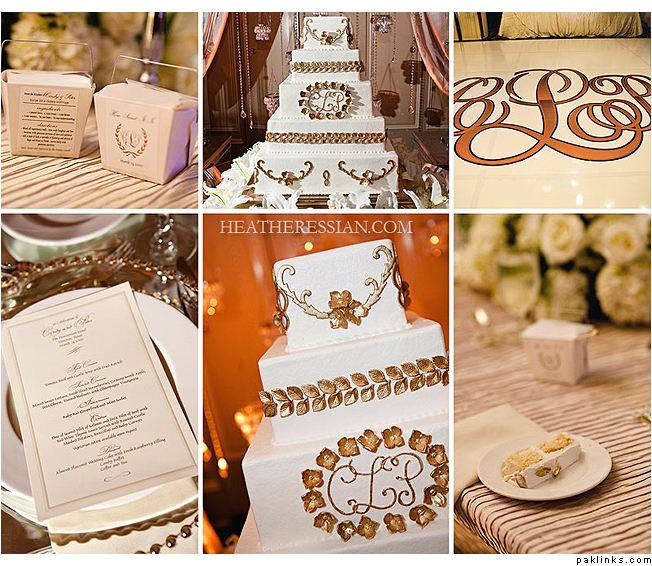
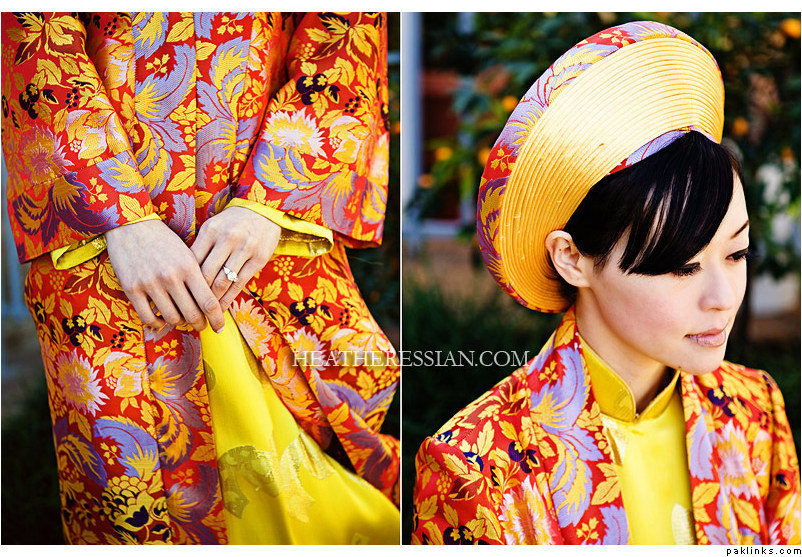
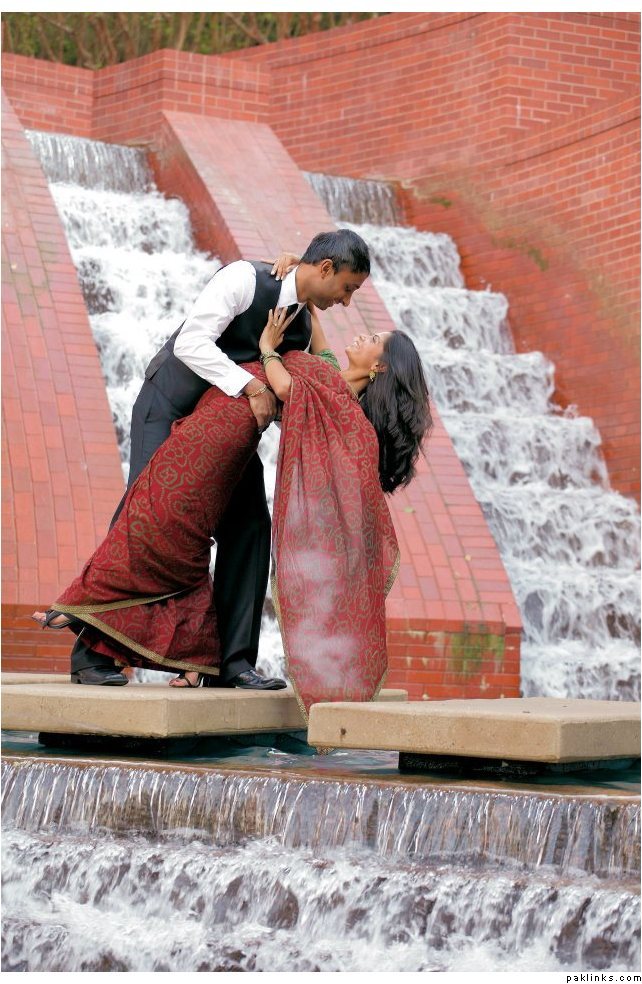
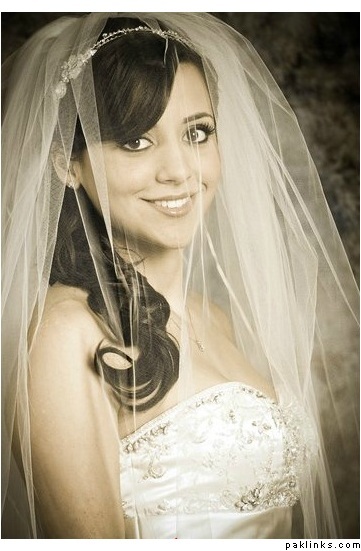
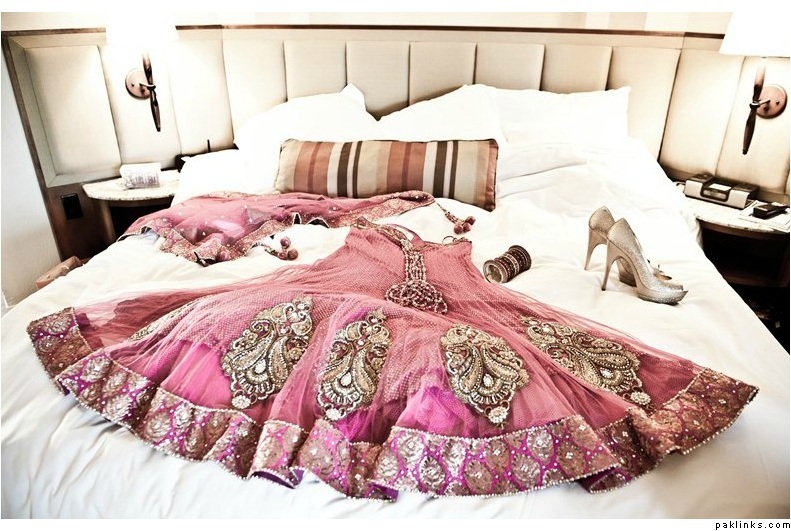
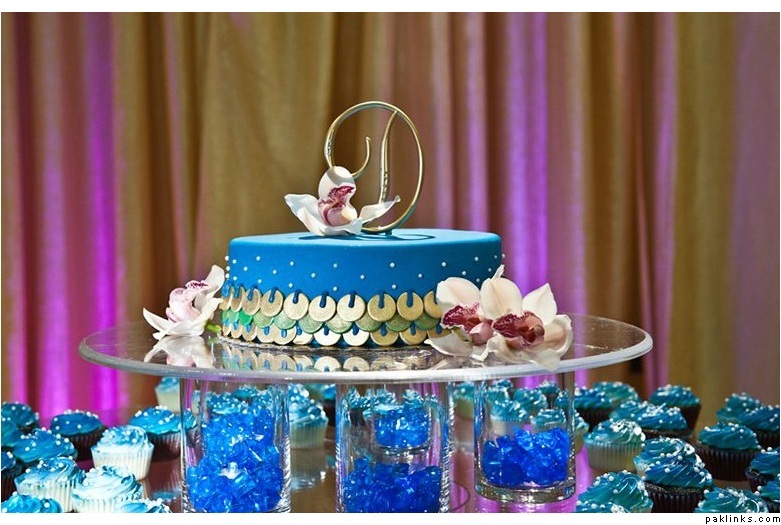
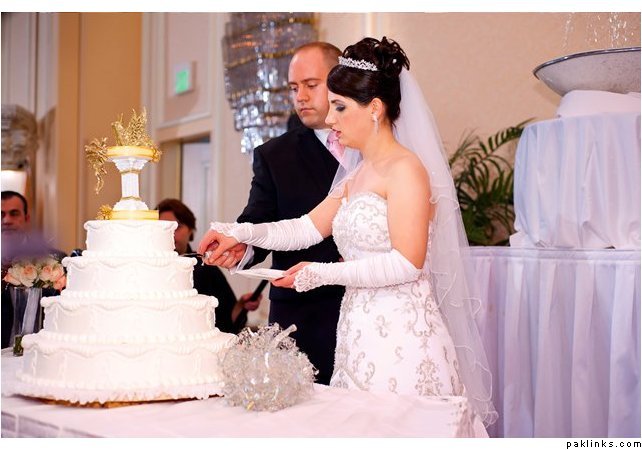
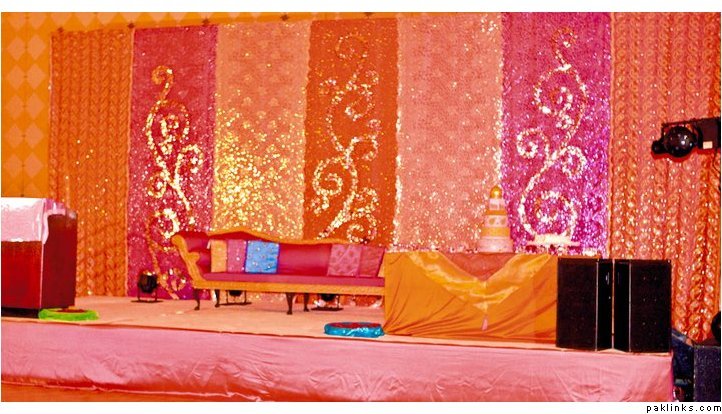
This isn’t a dulhan but she had a very nice decor and gorgeous dress and was a texan bride. I think girls planning a valima with ligher colors could get some ideas from this couple’s wedding and reception. here’s the blog post taken from:
http://www.groomsoldseparately.com/weddings/real-weddings/gss-featured-wedding-professional-heather-essian-portrait-arts/
Today we have a wedding from Heather Essian Portrait Arts and we are thrilled to share it with you. If you want to see her post, be sure to tell her we sent you. You can check it out here. Enjoy this GSS readers, we sure did!
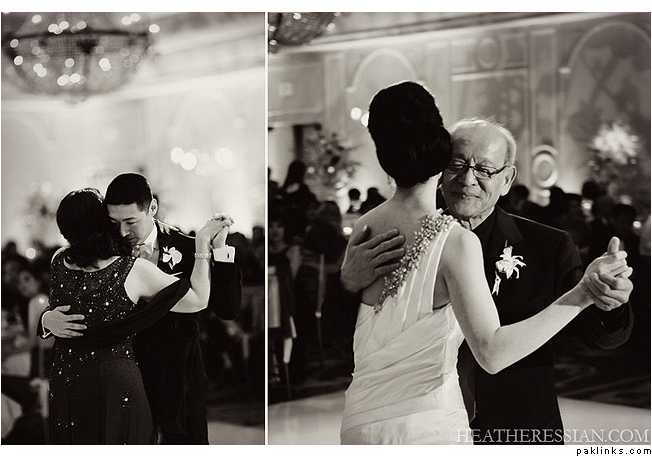
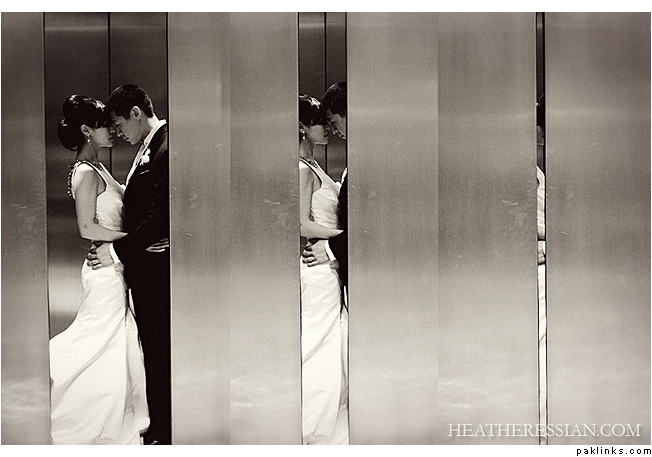
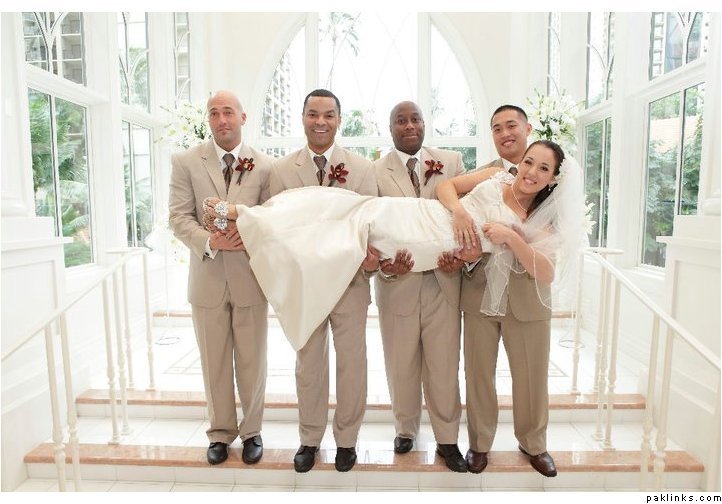
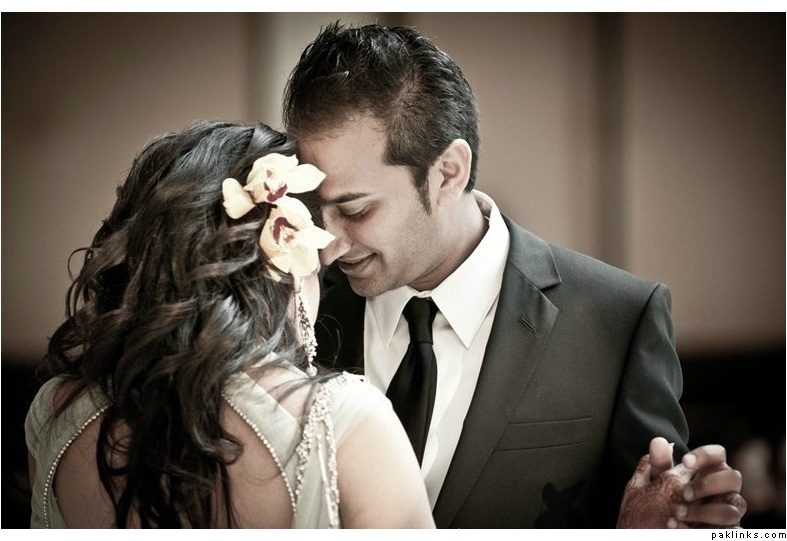
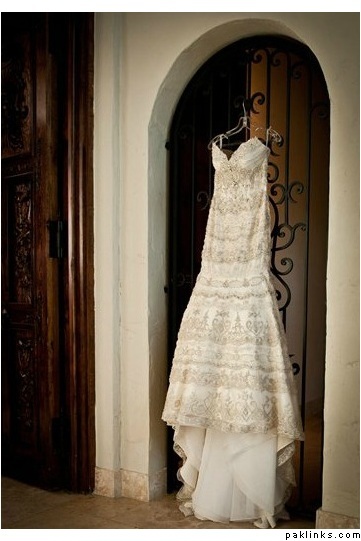
What do you get when you add the following ingredients to a wedding :: Vera Wang Wedding Dress, Christian Louboutin Shoes, The Houstonian Hotel, the ultra fabulous duo, Heather Essian and Kari Crowe, and a ridiculously gorgeous bride and groom named Cindy and Peter? You get a wedding that was so uber-incredible you will want to come back to see it again and again!
http://heatheressian.com/
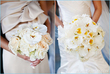
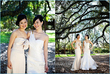
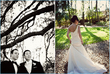
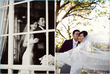
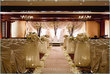
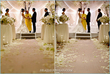
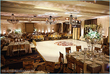
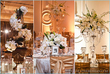
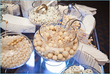
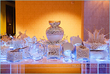
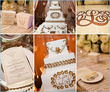
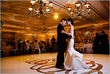
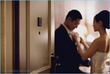
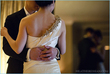
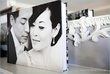
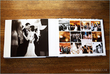
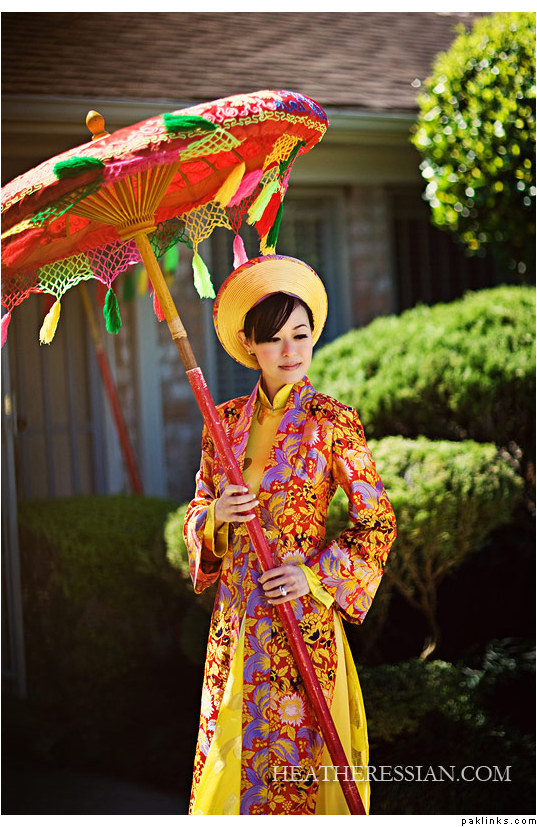
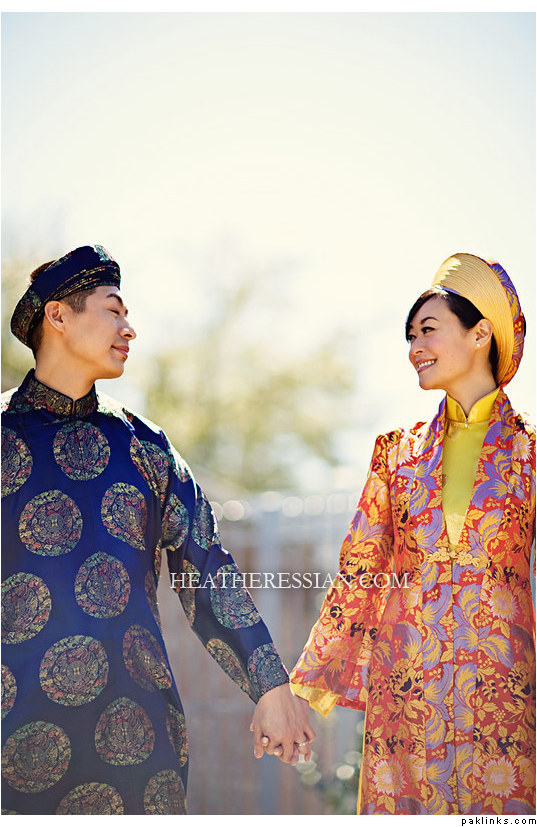
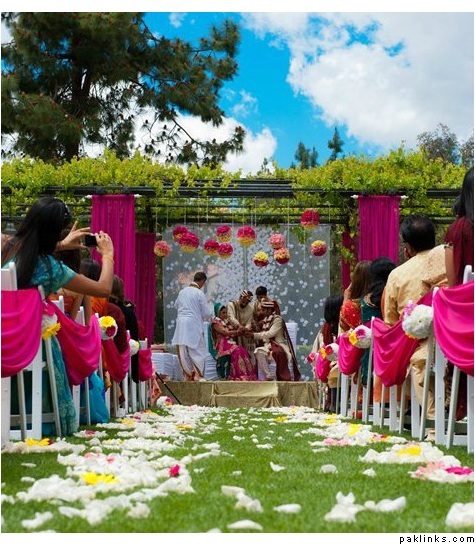
Pics from the asian celebration were taken from the photographer’s blog
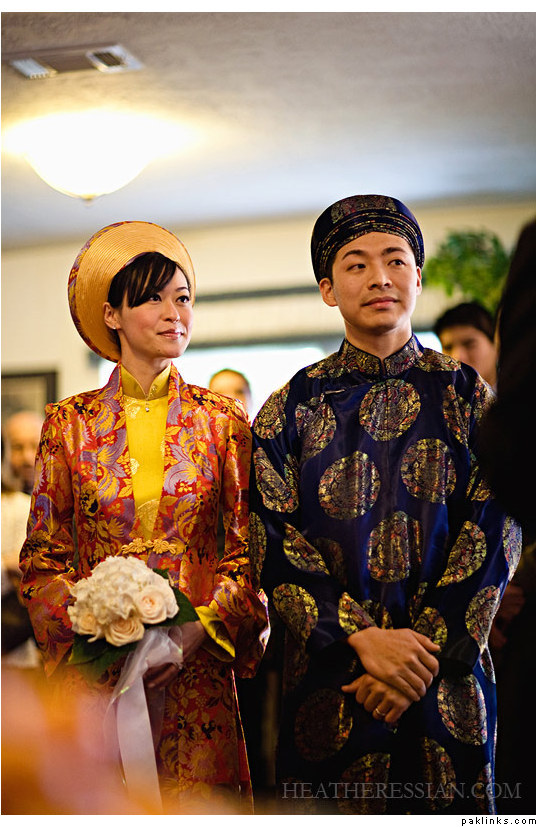
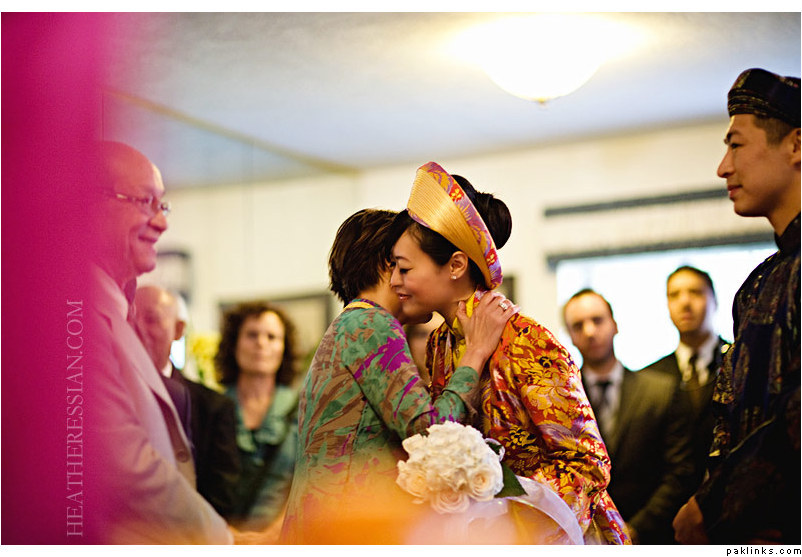
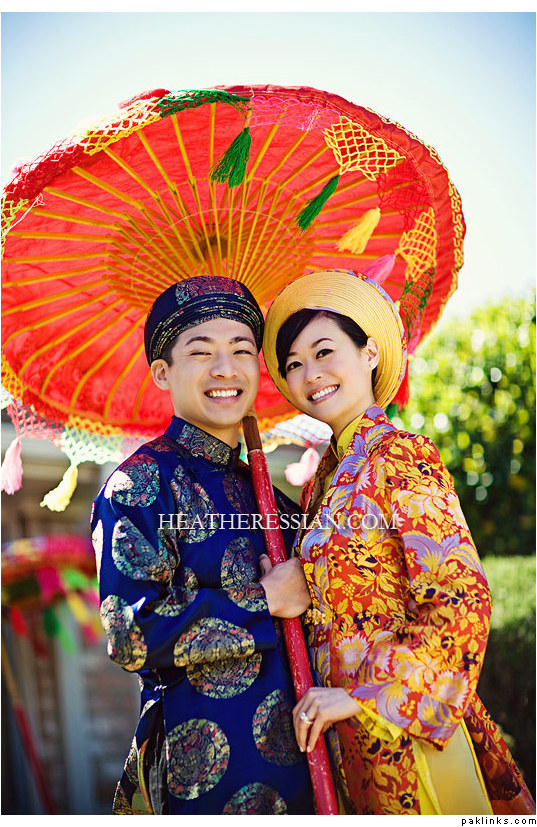
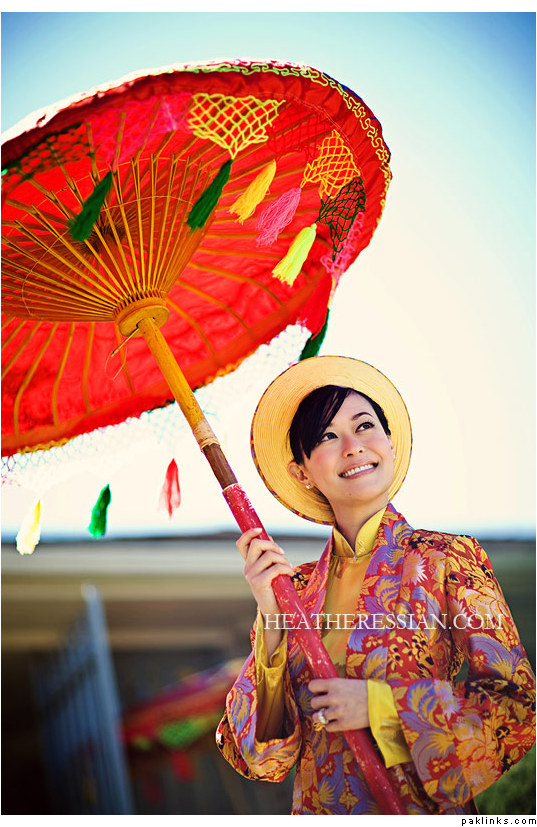
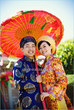
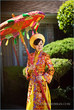
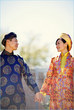
http://heatheressian.com/2010/04/28/cindy-and-peter-tea-ceremony/cindy and peter {tea ceremony}
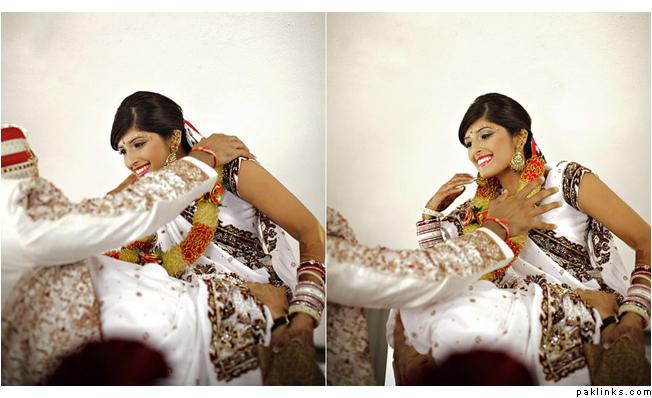
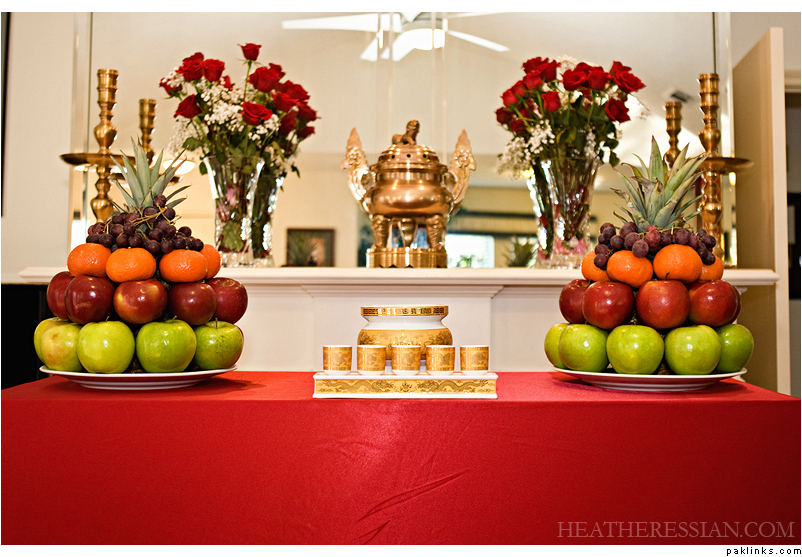
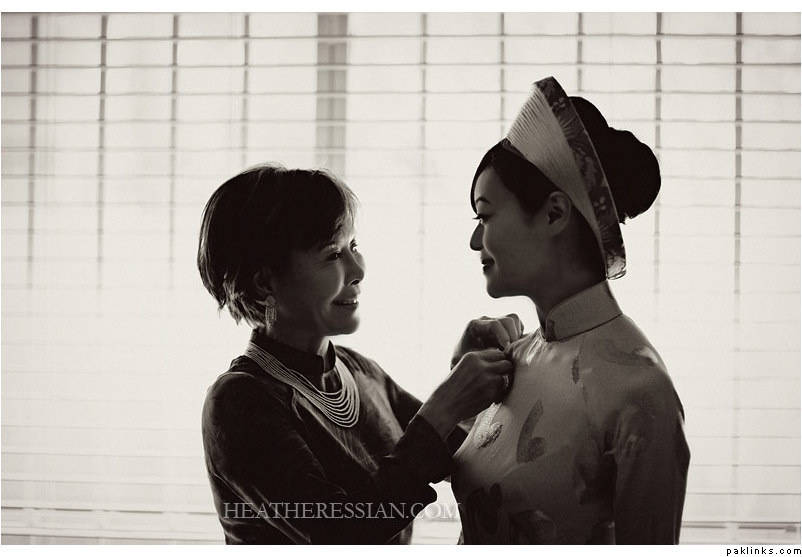
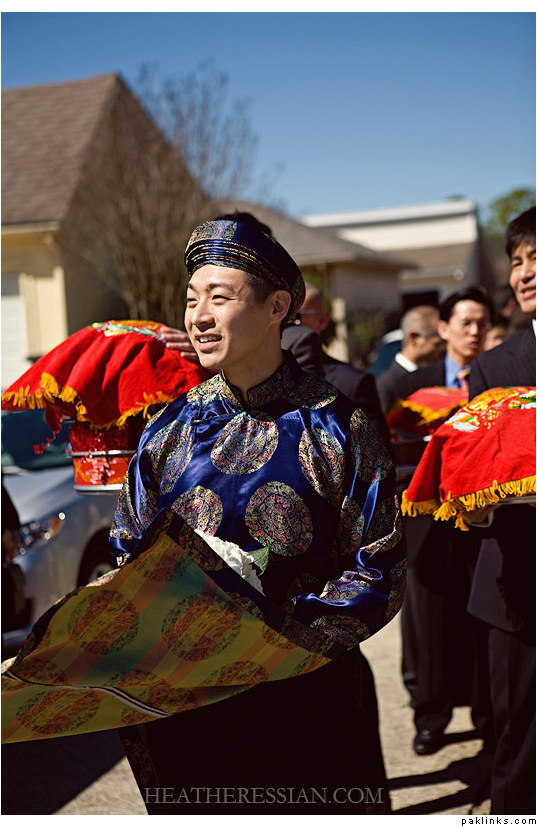
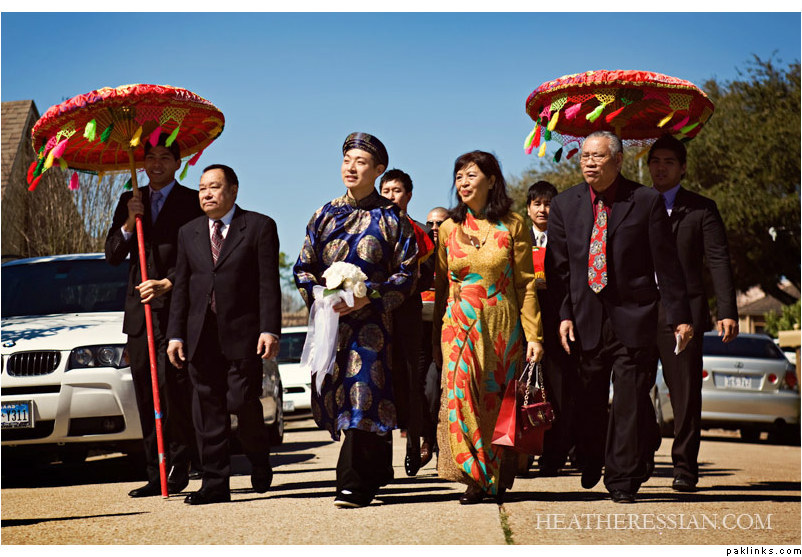
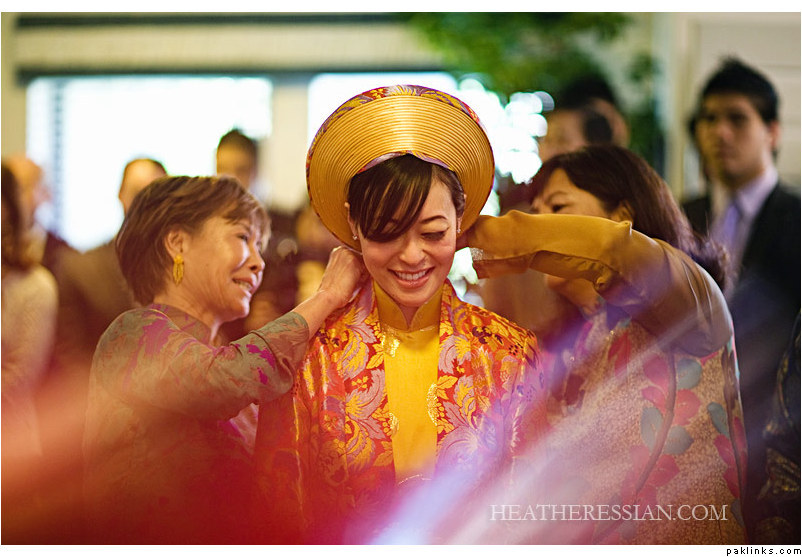
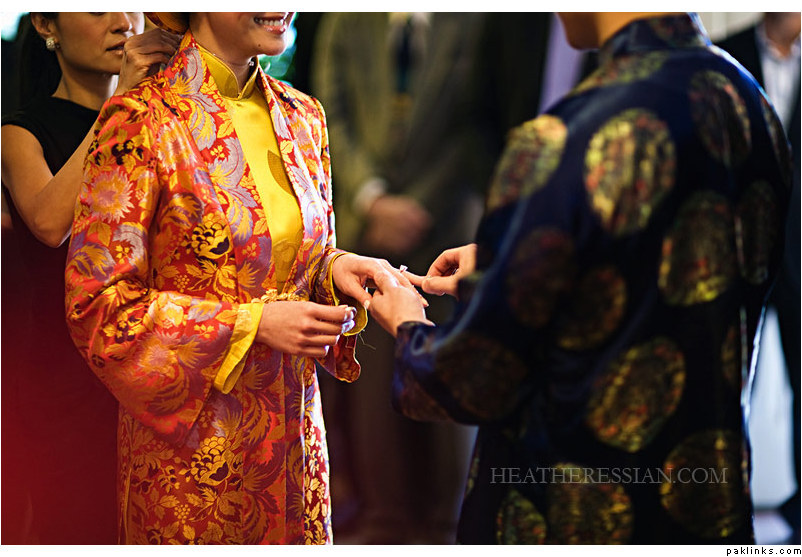
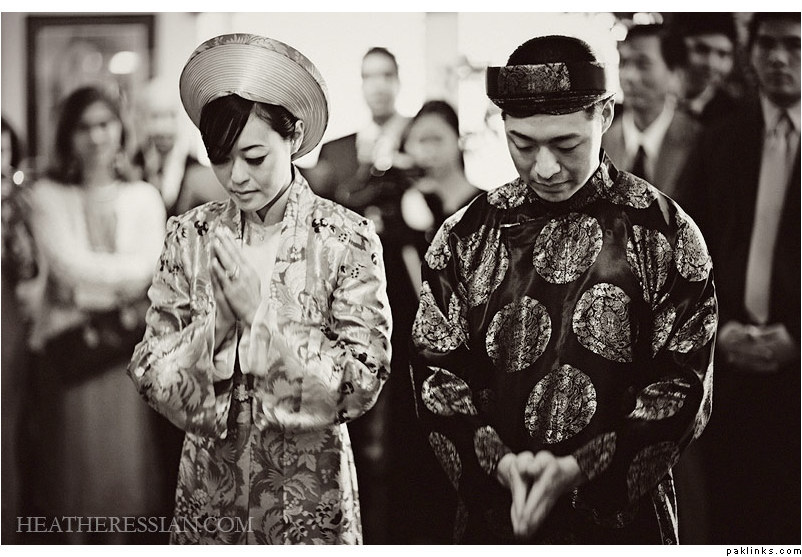
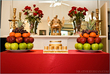
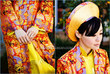
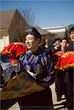
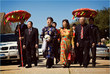
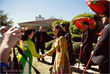
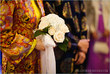
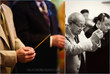
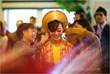
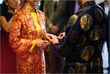
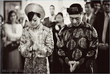
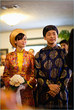
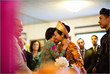
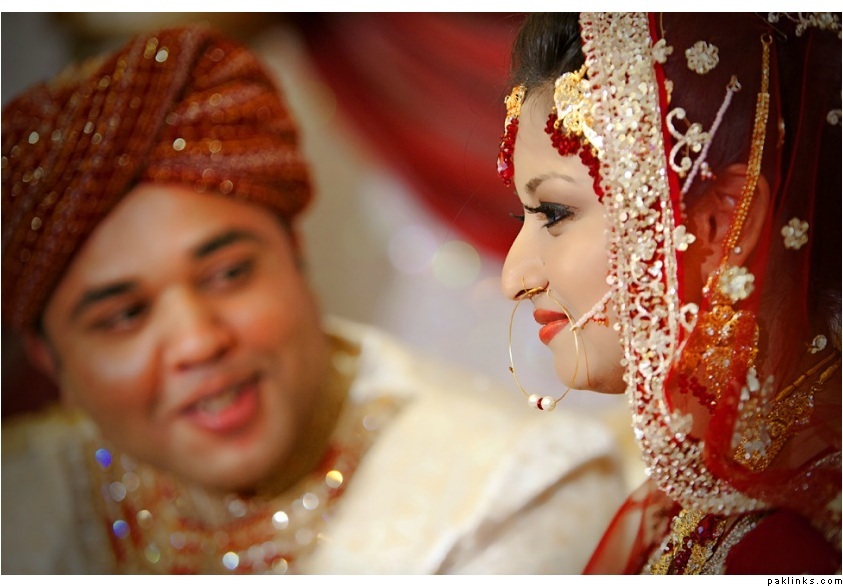
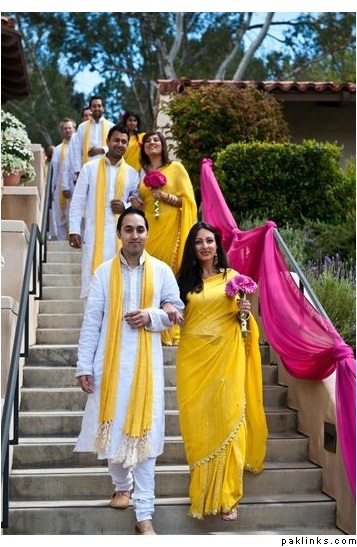
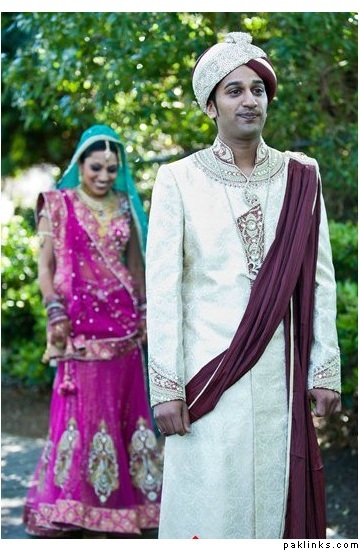
this is cindy and peter’s traditional tea ceremony…the colors are just gorgeous! i really enjoyed documenting this ceremony. traditionally the grooms family comes bearing gifts and food including a roasted pig for the bride to show that they can provide for the bride. (hope i got this right cindy
http://heatheressian.com/wp-includes/images/smilies/icon_smile.gif
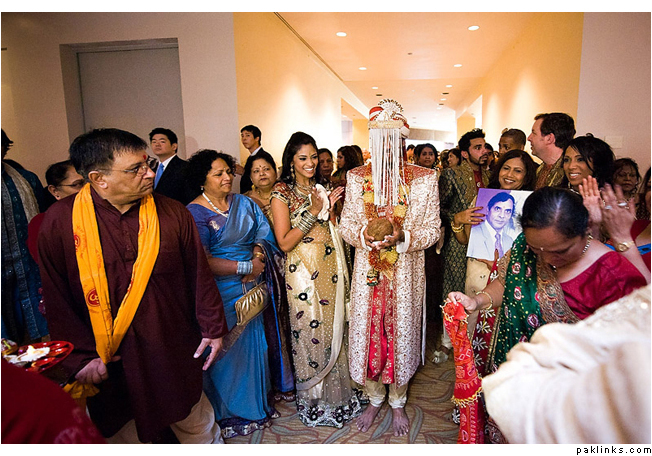
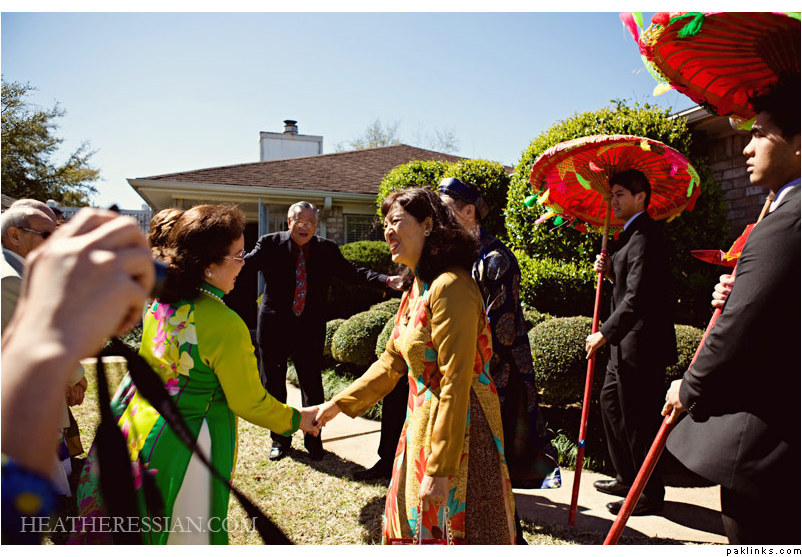
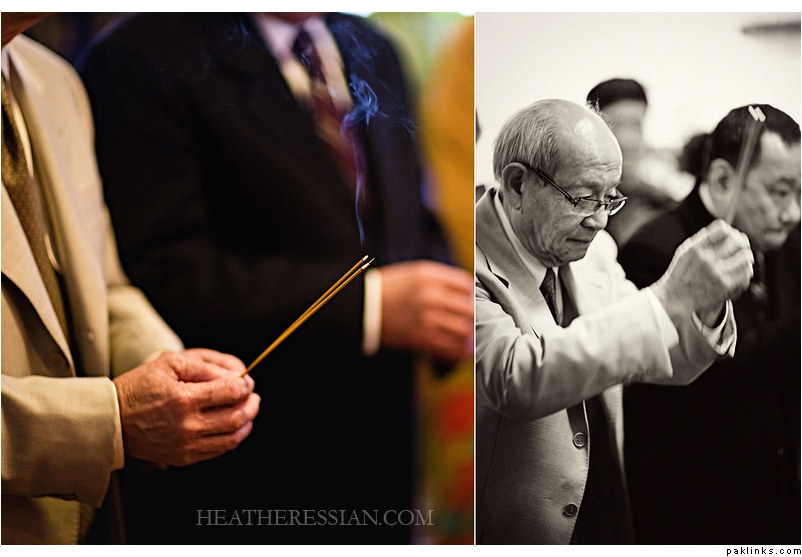
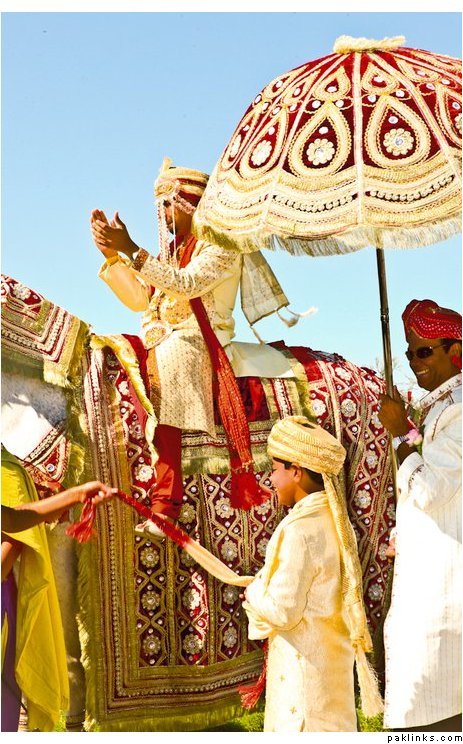
)Receiving Bride at Her HouseOn the day of the wedding, the procession of the groom’s family is led in specific order. The first person would be the representative of the groom’s house followed by the groom’s father, the groom, then the rest of his family and close friendsIn the procession, the groom, his family and friends bear elaborately decorated lacquer boxes, covered in red cloth. Inside these boxes are gifts representing the wealth that the groom’s family will bring to the bride’s family. Gifts are betel, fruit, cakes, a roast pig, fabric, and an abundance of jewelry for the bride. Usually, the number of gift boxes varies between 6 or 8, but never 7 or 9 since it is seen as bad luck. However, it depends on personal view and might be reduced to 2-3 boxes.Upon arriving at the bride’s home, the procession lights fireworks to alert the bride’s family, who then lights its own round of firecrackers to welcome the groom’s procession. Members of the procession are introduced to the bride’s family, and the bride’s family introduces its members to the procession. The groom presents his gifts to the bride’s family, and he is given permission to greet the bride, who is finally brought out.The permission ceremony begins in front of the bride’s ancestor altar. The bride and groom burn incense sticks, asking for permission from the ancestors to bless them. The couple turns and bows to their parents, gives thanks for raising and protecting them. The bride and groom then bow to each other.A formal tea, candle ceremony and speeches follow. While tea has always been an essential part of Vietnamese life, Vietnamese tea culture is not as complex or ritually rigid as its counterparts in China, Japan or Korea. Nevertheless, a traditional wedding is about the only time in a Vietnamese person’s life that a formal tea ceremony is essential.The bride and groom, in front of all their guests, will serve tea (or wine) to their parents. Each parent will then give advice about marriage and family to the couple. A candle ceremony will follow, symbolizing the joining of the bride and groom and the joining of the two families. The groom’s gift boxes filled with jewelry will be opened by the groom’s mother, who will then put each piece on the bride for good fortune.
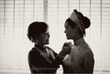

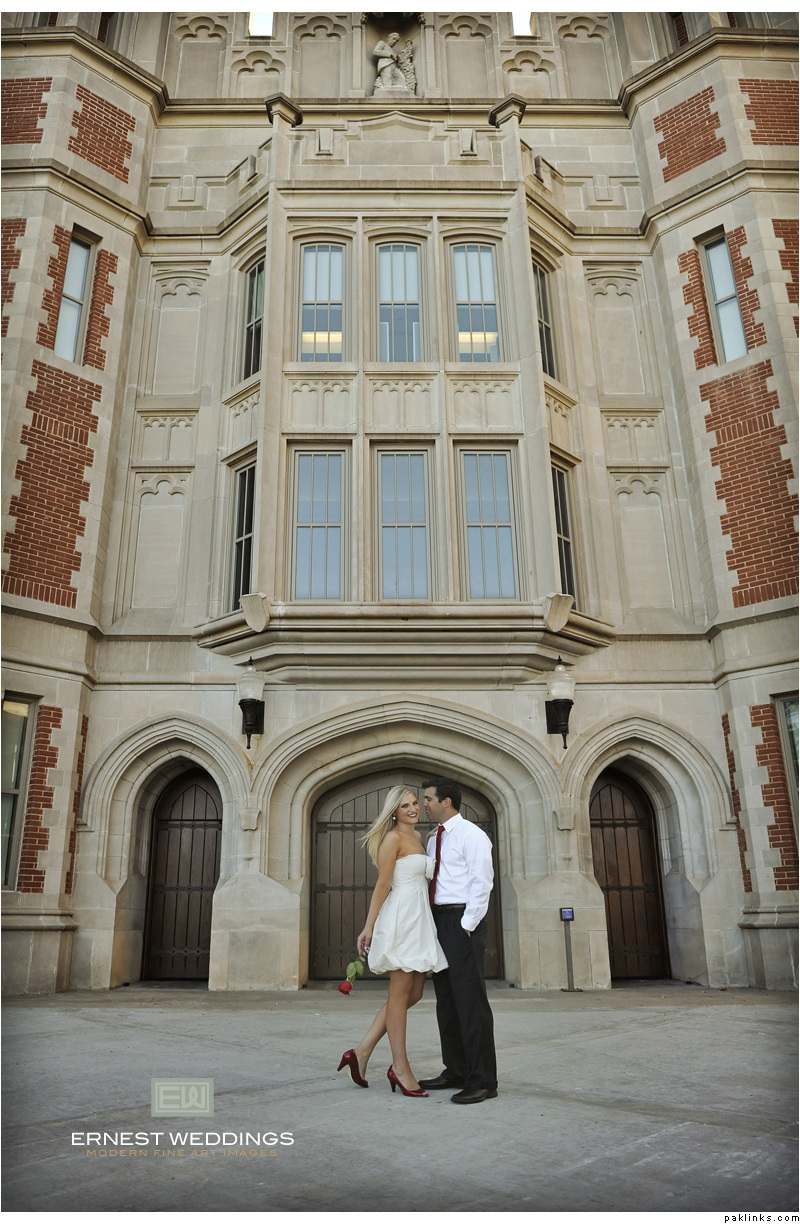
 …we wanted paul ernest from dallas to do our wedding but was a bit out of our budget…we picked