Re: History of Baloch and Balochistan
****A BALOCH LOVE STORY : Mir Shahdad Rind and Mehnaz
Of love, revenge Camels & jat woman
**
**
**The fifteenth and early sixteenth century was the golden age for Baloch. In spite of its being a time of fratricidal war; the great rivalry between the Rinds and the Lasharies ,under their chiefs Mir Chakar Khan Rind and Mir Gowhram Lashari. Both descended from a common ancestor. Amir Jalal Khan of Siestan. Most of the Baloch’s greatest stories and Balads relate to his period.
**
Chakar Khan Rind is the demigod, the larger than life figure, flamboyant and chivalrous. Like King Arthur ruling from his castle and presiding over an array of valiant knights. Only the venue is Sibi and not Camelot, and the knights are Bhivragh, Shahdad, Mirhaan instead of Sir Galahad Lancelot and Perceivable.
In spite of its comparative decentness, this era is clouded in the mystery and we can only rely on the Ballads to tell its tale. Like King Arthur, Chakar has become an almost mythical leader. These tales are of war, love and revenge, and like all love have many variations there being no one-authentic version.
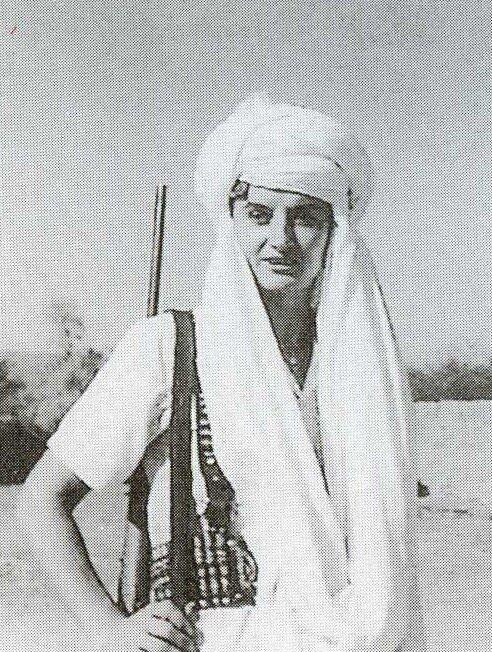
Mir Shahdad Rind was the eldest son of Chakar, a brave and noble warrior. He commanded the Baloch forces with his Father when they helped Humayun recapture his throne from the Suris. The love of his life was Mahnaz, his second wife. They were inseparable, delighting in each others company, exchanging poems and token of love.
Murgo his first wife ! overcome with jealousy, conspires to bring about Mahnaz’s downfall .By intrigues and charades (disguising herself as a man), she convinces Shahdad that Mahnaz, his most devoted wife is in love with the shepherd Umar.
**
Shadad’s fury is uncontrollable, he curses and beats Mahnaz, accusing her of identify. She plead s, implores that she innocent, for it is only him that she loves. but to no avail. Shahdad is unmoved by her pleas. Mahnaz heartbroken, leaves Shahdad and returns to her family.
To prove her innocence and restore her family honor she agrees to undertake a trials by ordeal. The stage is set, both the families are there to witness the trial. Mahnaz has to retrieve a ring from a pot of boiling oil, if she does this without scalding herself she will prove her innocence. Calmly she puts her hand in the pot and removes the ring, without injury to her. Shadad is over joyed and rushes to embrace her, but she turns away. He begs forgiveness, but now Mahnaz has lost her! faith in his love and insists that Shahdad divorce her. He is shattered and cannot believe her intransigence but faced whit no option, complies with her request.
To further wound Shahdad’s pride she marries the shepherd Umar. This distresses him deeply; Mahnaz has chosen a shepherd and rejected him, a prince. He vents his feelings through verse, which he sends to Mahnaz.
Umar is like the hyena, Who inhabits the mountains. Who feeds on carcasses and lives in caves. **
And goes on in similar manner, ridiculing Umar. The proud and honourable Mahnaz in her reply addresses Shahdad:
O’ prince you are now incapable of any thing. But to sit in thin house and criticize later
Umar is the sword-wielding horseman.
He is the leader of the herd. And further on Shahdad intelligence for believing Murgo. Your intelligence is like water that drips, From a Shepherd’s Mashkizeas.
Down to his heels, Mahanaz is regarded as the finest Balochi poetess. She is by all accounts a truly remarkable woman. Poor Shahdad having lost his love repents his folly for the remainder of his life.
The Sir Galahad of these tales is Bivragh Rind (the name is a distortion of Abu-Bakar). This valiant knight was the nephew of Chakar, an accomplished poet, musician, fighter and lover. He played havoc with both the enemy and women’s hearts. He traveled to distant lands and his exploits and loves were many.
Once whilst visiting Kandhar, he is put in jail for some misdemeanor. His cell is next to the Governor’s palace, from where he witnesses an apparition. This vision of loveliness is Granaz, the Governor’s daughter. Bivragh is love struck, and from that night he sing to her from his confinement. The power and beauty of his voice moves Granaz to ask her father to pardon him. Once free Biragh is not to be denied. He visits Granaz at the palace and both decide to elope. On his trusted horse Mal they frees, with the Governor and his army in pursue! it. Bivragh decides to go to Gandhava, and seek refuge with Mir Gowhram and the Lasharis (his bitter enemies), instead of Sibi to Chakar Khan and his own tribe the Rinds. For he knows that Gowhram will be honour bound to protect him as his ‘Bahot’.
Bahot is a custom of the Baloch whereby cannot be denied to one seeking it, be they even enemies. In fact the refugee giver becomes duty bound to protect with his life his “Bahot:. Thus Bhivragh clever move ensure that both Lasharies and the Rind come to his rescue.
**
Another instance of Bivragh’s wisdom is when he advice Chakar, not to stake the Baloch race for a Jat woman’s camels. The Jat woman is Gohar who having rejected Mir Gowharam’s amorous advances seeks ‘bahot’ with Chakar. Offend by her act Ramen (Gowhram’s son) and a group of Lasharis kill a few of Gohar’s camel. The Rind chief is furious and vows revenge for this dishonour. This leads to the thirty years war between the tribes, destroying the power of the Baloch and leading a poet to exclaim.
“War has been the curse of the Baloch”.**
Of the many battles fought during this war. Nali is most often evoked by the balladeers. At this battle thousands perished. The Rindhs suffered heavy casualties and even Chakar would have lost his life it was not for the chivalry of a Lashari nobleman, called Nodband! agh. In Balochi lor, he is like Hatim generous in the extreme, and also known as “Zarzawal” (Gold Scattered). But Nobbandagh is supposed to have had a Rind mother. For when Gowhram shows his displeasure at his act of rescuing Chakar, Nodbandagh says that it was his mother who used to sin him.
Lullaby’s of Chakar and pray that one day he would help Chakar.”I cannot go against the milk of my mother “,he says.
Jat woman feature prominently in the Baloch story tellers repertoire. They are acclaimed for their beauty, spirit and independence.
Shali is a jat woman of great wealth. She hears of Hassan Maulanagh of the phuze-Rindhs,his noble character and other virtues, for he is the epitome of Baloch manliness. In spite of many suitors she send a proposal of marriage to Hassan !He also falls in love with her and they are engaged to be married. But before the conjugal rites can be performed, Hassan along with his brother, Mohammad is killed by a rejected suitor of Shalli. Sha! lli is heartbroken and spends the rest of her days as Hassan Maulanagh’s widow.
The wrath of Harim descends on his brothers murderers. His lust for vengeance abates only once he has slain a hundred of the Lasharies (sad murd gut geerum kuto”)
An interesting aspect to this tale is that when Harim is asked to marry Shalli his brother “widow” (a common custom amongst the trebles, both Baloch and Pathan), he refuses. For she was his brother’s love and he will not impose himself upon her. And it is because of this refusal that even today amongst the Gishkori tribe (direct descendants of the Phuz Rind )widow are not married to their brother in laws.
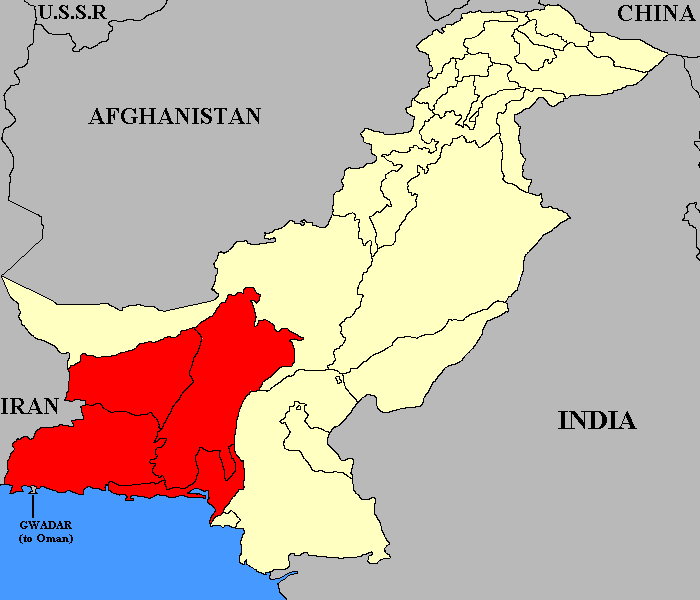
These are just a few tales of the Baloch. The dry and barren land of the Balochistan evokes the rich and diverse imagery that transcends time and place and speaks directly to the soul.