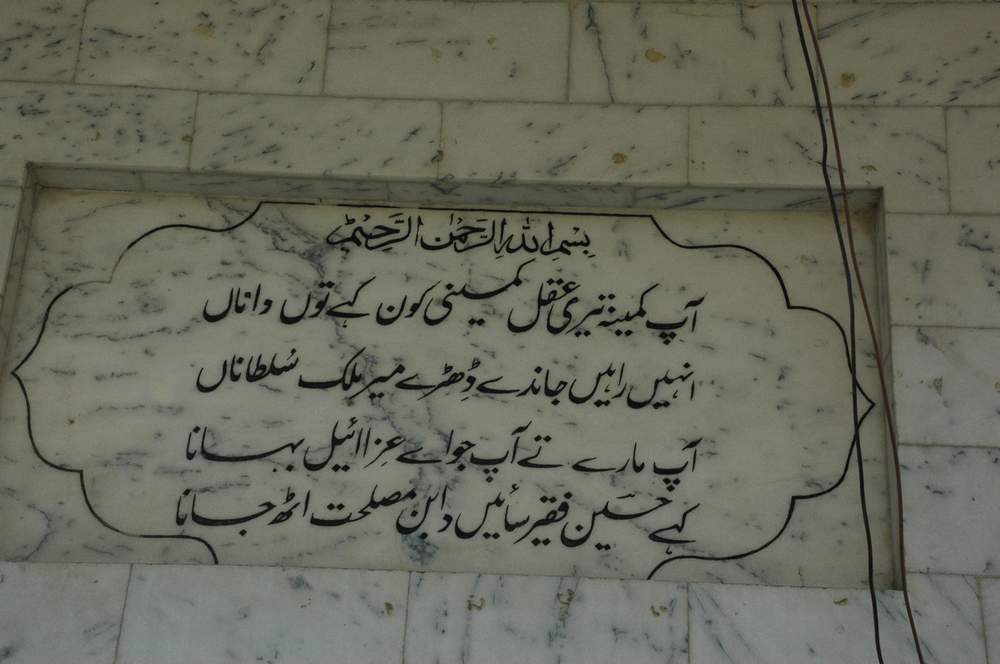
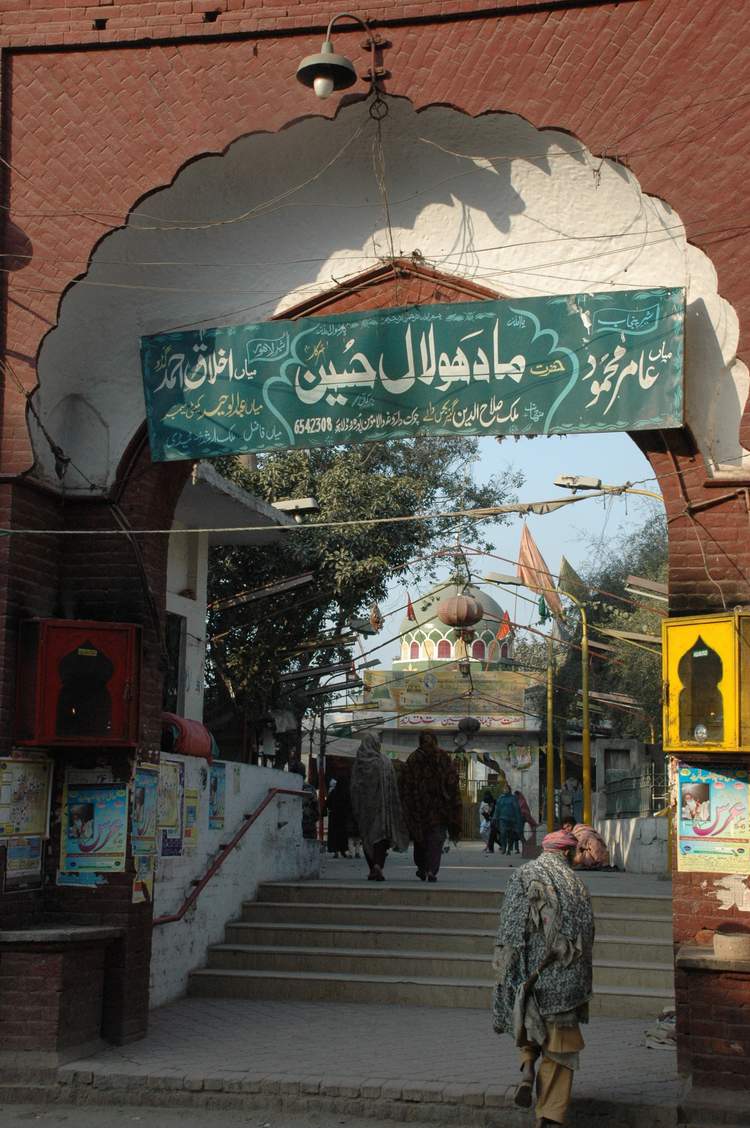
Shah Hussain is introduction to melody and rhythm that is spread all over Punjab. Grip on language, simple words, portrayal of feelings in pure way make Shah Hussain popular beyond borders of Punjab. ‘Mai ni main kinnu aakhan’ and ‘ni sayyon aseen naina de aakhe lagge’ are as popular in Sindh as in Punjab.
There was a controversy in Shah Hussain’s life due to his friendship with Hindu boy Madhoo Laal, but that was not objected during and after his life. He is also known as Madhoo Laal Hussain.
Shah Hussain was the son of a weaver called Nusikhia (apprentice) Sheikh Usman who belonged to the Dhudha clan of Rajputs. Some historians assert that his grandfather or great grandfather had converted to Islam but Dr. Jeet Singh Seetal has affirmed through quoting several sources that it was Shah Husain’s father who converted to Islam during King Feroz Shah’s era. Sheikh Usman moved to Lahore and entered the weaving profession. It is possible that he was treated as an outcast in his community and had to move to Lahore.
ghumm charkhiya ghumm
ghumm charkhiya ghumm
ghumm charkhiya ghumm
ghumm charkhiya ghumm
ghumm charkhiya ghummm
Aaa Ghum
Aaa
ghum charkhiya ghum
ghum charkhiya ghum
teri katan wali jevay naliyan wattan wali jevay
ghumm charkhiya ghumm
ghumm charkhiya ghumm
teri katan wali jevay naliyan wattan wali jevay
aaa
ghum charkhiya ghum
ghum charkhiya ghum…
aaa
buddha hoyon shah hussaina, dandeen jheran payyan
buddha hoyon shah hussain
aaa
budha hoyon shah hussaina, dandeen jheran payyan
uth savere dhondhan lagoon, sanjh diyan jogiyan
ghum charkhiya ghum
ghum charkhiya ghum
teri katan wali jevay naliyan wattan wali jevay
ghum charkhiya ghum
aaa
teri katan wali jevay, naliyan wattan wali jevay
ghum charkhiya ghum
ghum charkhiya ghum…
aaa
her dam naam sambhal saeen da
aaa
her dam naam sambhal saeen da
aaa
her dam naa..
aaa
her dam naam sambhal saeen da, ta toon asthar thee-wain
panjan nadiyan de mou aaya, kit toon chaya jevay
ghum charkhiya ghum
ghum charkhiya ghum
ghum charkhiya ghum
teri katan wali jevay, naliyan wattan wali jevay
ghum charkhiya ghum
ghum charkhiya ghum
ghoom charkhiya ghoom
teri katan wali jevay, naliyan wattan wali jevay
aaa ooo
ghum charkhiya ghum teri katan wali jeway…
aaa
charkha bolay, charkha bole saeen saeen, baer bole toon
charkha bole saeen saeen, baer bole toon
keh hussain faqeer saeen da, mein naahi sabh toon
ghum charkhiya ghum
teri katan wali jevay, naliyan wattan wali jevay
ghum charkhiya ghum
ghum charkhiya ghum
teri katan wali jevay, naliyan wattan wali jevay
ghum charkhiya ghum
ghum charkhiya ghum
ghum charkhiya ghum
ghum charkhiya ghum
Aaa Aaa Aaa aaA
Aaa Aaa Aaa aaA
ghum charkhiya ghum
ghum charkhiya ghum. ABIDA PARVEEN - GHOOM CHARAKHRA - YouTube
Shah Hussain (1538–1599) was a Punjabi Sufi poet who is regarded as a Sufi saint. He was the son of Sheikh Usman, a weaver, and belonged to the Dhudha clan of Rajputs. He was born in Lahore (present-day Pakistan). He is considered a pioneer of the Kafi form of Punjabi poetry.
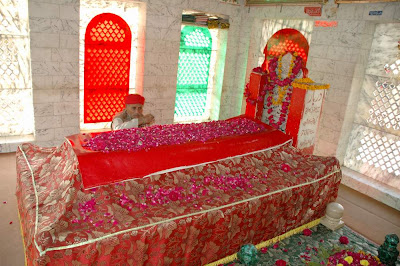
Shah Hussain’s love to a Brahmin boy called “Madho” or “Madho Lal” is famous, and they are often referred to as a single person with the composite name of “Madho Lal Hussain”. Madho’s tomb lies next to Hussain’s in the shrine.[SUP][1]](Shah Hussain - Wikipedia)[/SUP]
His tomb and shrine is located at the Baghbanpura precincts, adjacent to the Shalimar Gardens Lahore, Pakistan. His Urs (annual death anniversary) is celebrated at his shrine every year during the “Mela Chiraghan” (“Festival of Lights”).