Pre-Partition Pics of Karachi..

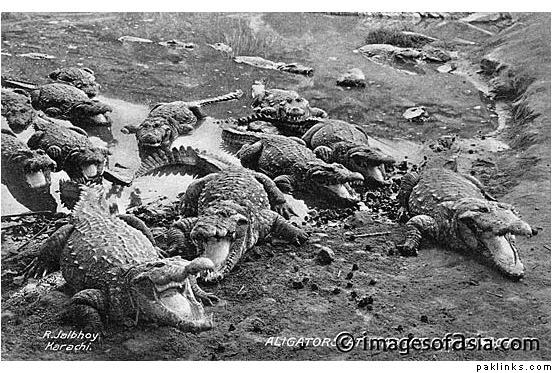
1915 - Alligators at Maghar Pir
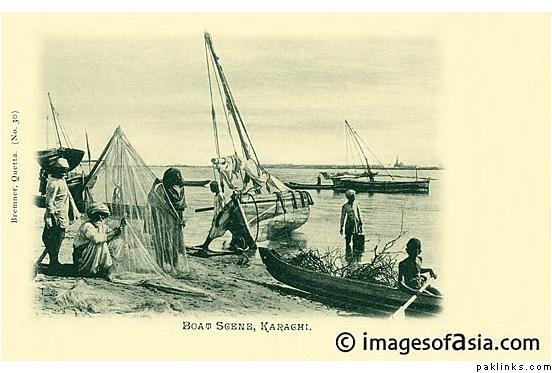
1902 - Boat Scene
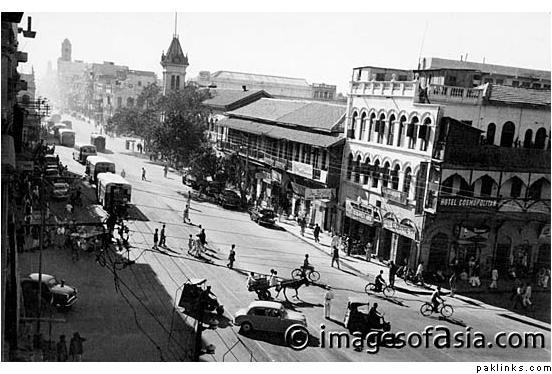
**1950 - Bunder Road **

This prominent market road is now known as Mohammad Ali Jinnah Road after Pakistan’s founder

It was formerly called Bunder (or Bandar) Road as “bunder” refers to “port”. Like many such roads, it remains a primary commercial thoroughfare for Karachi and is lined with numerous historic buildings including the Customs House, the former Merewether Tower and various banks, trading houses and major retail outlets. It was also one of the first streets in Karachi to be graced with a tramway.
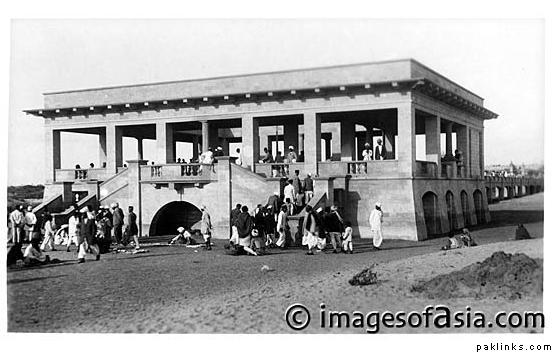
1930 - Clifton

Clifton is the tony beach district of Karachi on the Arabian Sea

Since before Independence, Clifton has been a prime residential areas in Karachi. The Bhutto family residence is here, as are the homes many of the city’s business and political leaders. The building being constructed here in 1920 is at the end of the Jehanghir Kothari Parade on the beach, one of the favorite promenade points where residents congregate at dusk to exercise and socialize.
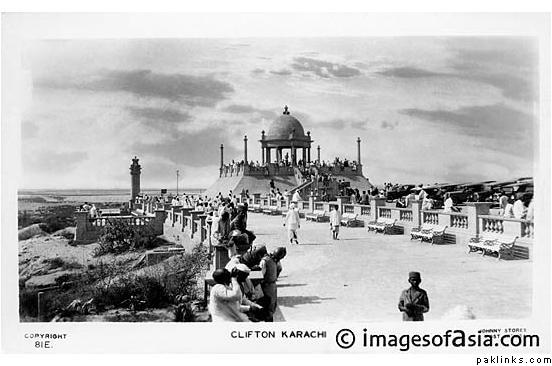
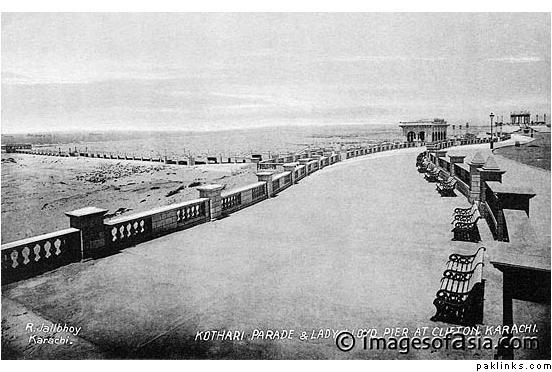
1902 - Kothari Parade & Lady Lloyd Pier at Clifton
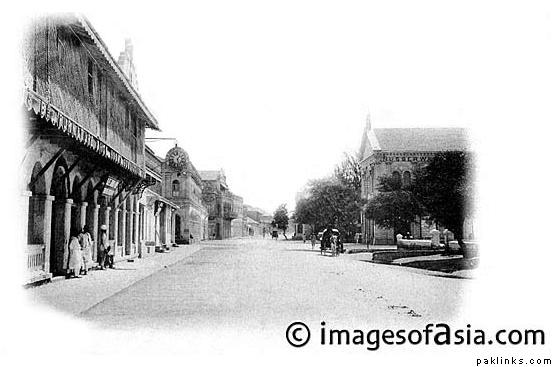
1900 - Elphinstone Street

An early view of one of Karachi’s major arteries.

Although published around 1900, this view by Fred Bremner is probably from 1889 or the early 1890s. Within a few decades the same street was far more crowded. Today it is often unnavigable during working and evening hours unless one has a lot of time.
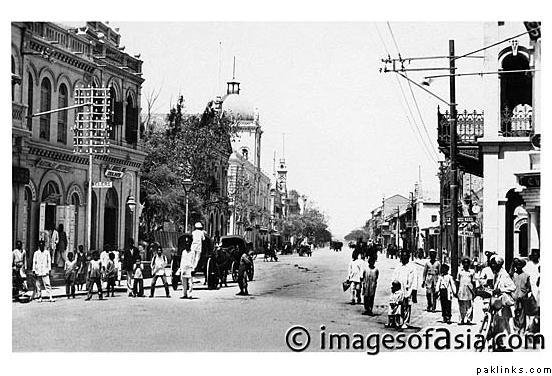
1910 - Elphinstone Street

Today called Zaibunnisa Street, it is still the commercial heart of the city

Elphinstone Street was named after Monstuart Elphinstone (1779-1859), a Scot who played an important role in western India during the first part of the 19th century. He was the first British ambassador to Afghanistan, and helped defeat the Peshwas in Maharashtra, both before 1820. He served as Governor of Bombay Presidency - of which Karachi was a part until the 1930s. Elphinstone College in Mumbai was also named after him.

The former Elphinstone Street - renamed for a prominent Pakistani journalist - still boasts some of the finer and oldest Karachi-sandstone buildings, though these are increasingly disappearing in favor of modern shopping plazas.
re: Pre-Partition Pics of Karachi..

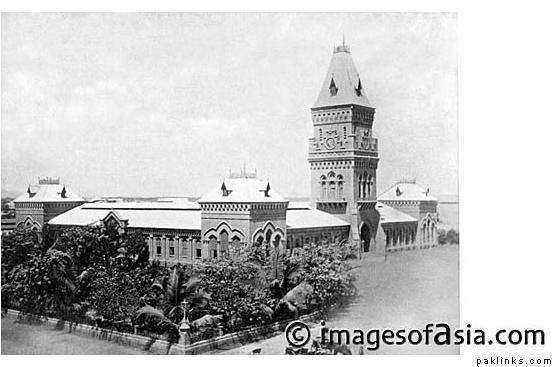
1905 - Empress Market

This indoor market was built in the 1880s

Empress Market crowns the central shopping district in Karachi. Built in honor of Queen Victoria, it opened in 1889. The huge clock on four sides of the tower still works. One can buy almost anything within the covered stalls or in the lanes surrounding the market.

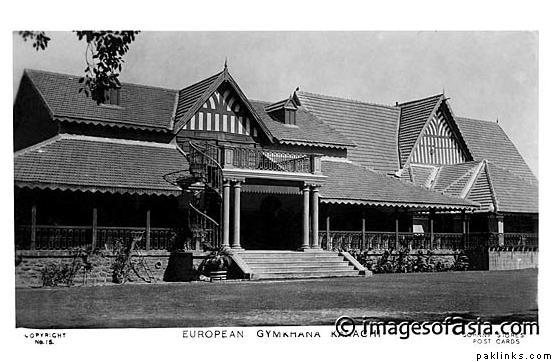
1920 - European Gymkhana

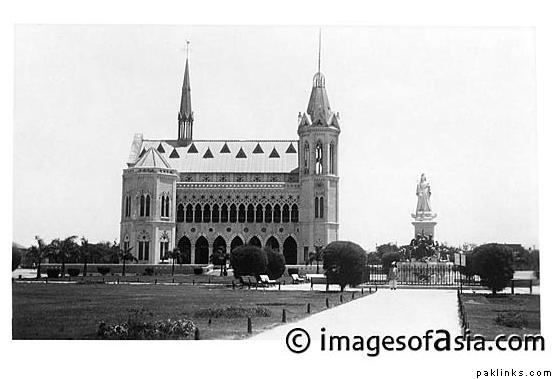
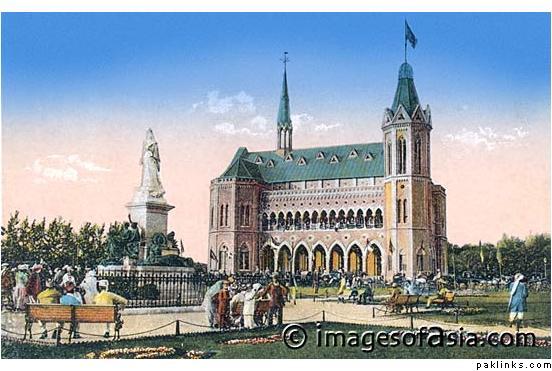
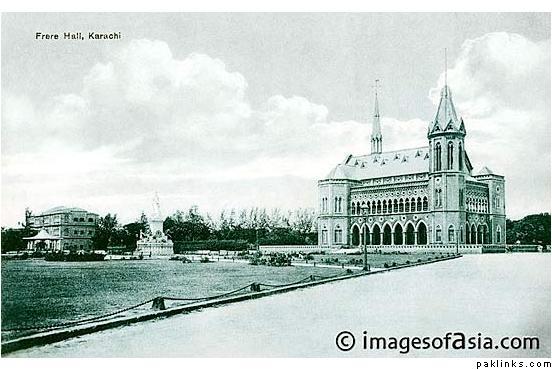
1920 - Frere Hall

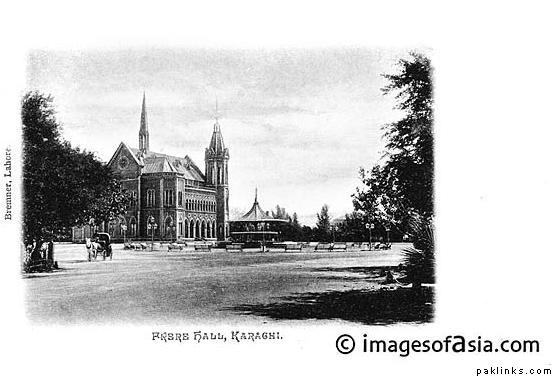
Frere Hall is one of Karachi’s most memorable landmarks

Frere Hall was built in the memory of Sir Henry Bartle Edward Frere, an early Commissioner of Sindh province and a far-sighted administrator who did much to improve the economic life of his subjects. The Hall was completed in the 1860s. It uses local Karachi sandstone and remains a curious blend of architectural styles, somewhere between Venetian Gothic and the Indo-Sarcenic style that later flourished in Bombay (now Mumbai). During the British Raj Frere Hall served as Karachi’s Town Hall. The gardens around it were popular meeting spots until recent security concerns have made them off-limits to Karachites most of the time.

Frere Hall is one of the well preserved monuments of the British Raj

Built in memory of Sir Henry Bartle Edward Frere (1815-1884) who as an early Chief Commissioner of Sindh promoted economic and civic activities in the province. The building is situated in the center of Karachi in what is called the Jinnah Gardens. Many art functions are held in this splendid example of Indo-Sarcenic architecture, a composite of Asian and European styles also found in the Indian city of Mumbai [Bombay]. Sindh and Karachi were part of the Bombay Presidency until 1932.

re: Pre-Partition Pics of Karachi..

Great bhai sahab … :k:

Re: Pre-Partition Pics of Karachi..

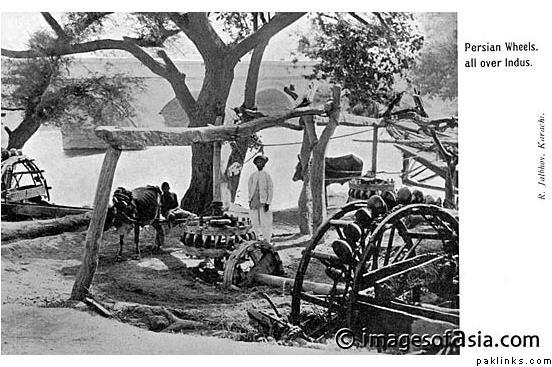
1905 - Persian Wheels all over Indus

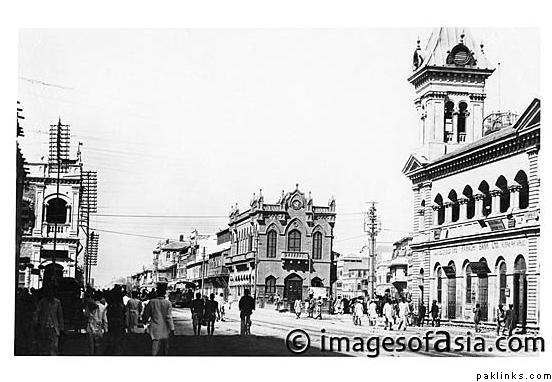
1940 - Bunder Road

Bunder Road is now known as M.A. Jinnah Road in honor of Pakistan’s founder

Still one of Karachi’s main thoroughfares, it runs from the port to what is now the Super Highway leading to Hyderabad and the north of the country. Many old buildings remain on Bunder Road, including Max Denso Hall from the 1880s visible in the center of this image.

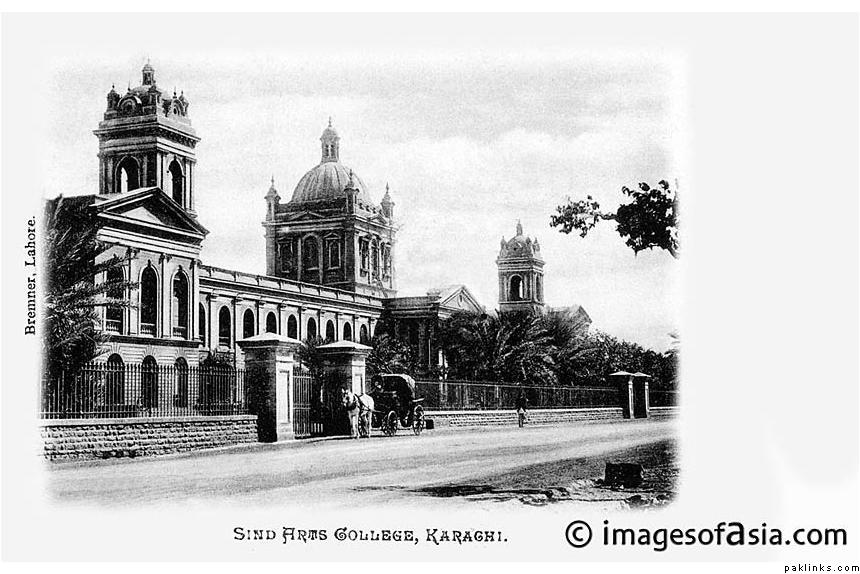
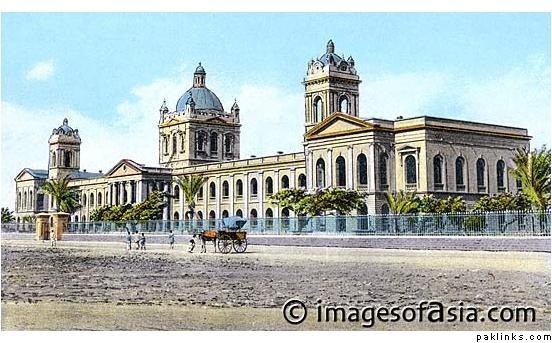
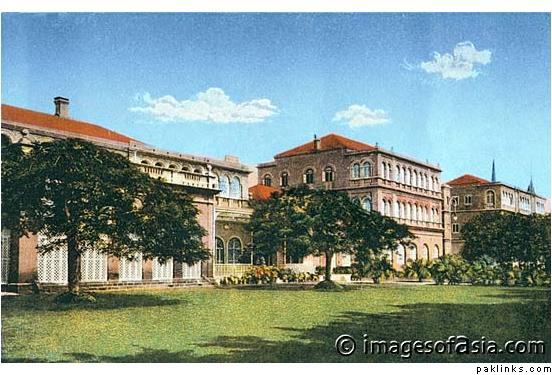
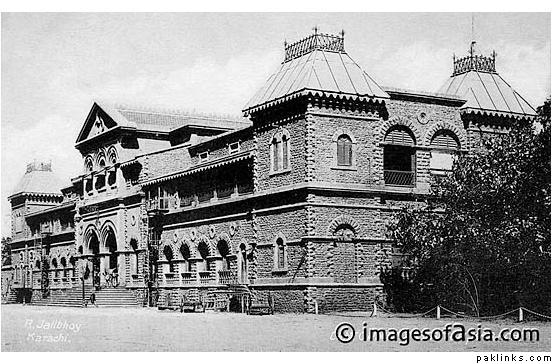
1910 - Sind Arts College

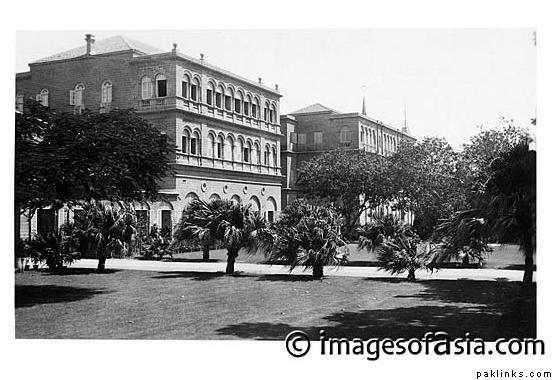
1920 - The Sind Club

Established in May 1871, Sind Club remains the premiere private club in Karachi.

The Sind Club was founded to serve the Europeans of the city; today it is still the gathering place for Karachi’s business and social elite. Inside the halls of an Indo-Italianate temple of the Raj, a modern and diverse Karachi business community run the commercial affairs of one of the larger countries on earth.

A stone’s throw from Frere Hall, the Sind Club still enforces a strict dress code, no cell phones are allowed in the main dining hall, and members are greeted with the relaxed ambience so characteristic of clubs throughout the subcontinent. Membership is very expensive, and only well-vetted applicants are admitted. Inside the main waiting room portraits of previous Club Presidents look down on members and visitors. The pool is a haven from the stresses of Karachi life, and the library often hosts important cultural events. The dining hall remains excellent. The guest rooms are at times occupied by retirees who prefer an old Raj-type set of rooms to keeping their own house or flat in the city.

1910 - Sind Arts College

One of the premiere educational institutions in Karachi

Established in Karachi in 1887, the college currently operates under the name D J Sindh Government Science College, after its founder, prominent Sindhi philanthropist, Mr. Diwan Dayaram Jethmal. Law and Engineering were also offered at one time before they were dropped and separate colleges for these disciplines were built.

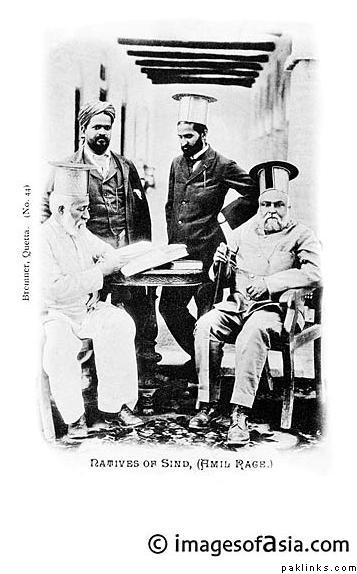
1905 - Natives of Sind (Amil Rage)

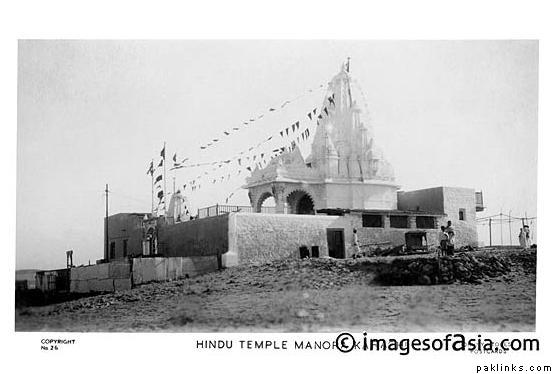
1920 - Hindu Temple Manora

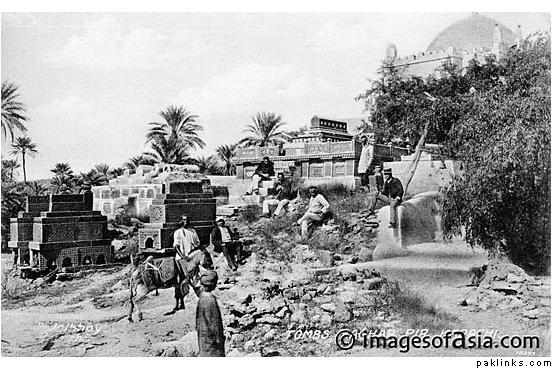
1920 - Tombs, Maghar Pier

1905 - Frere Hall

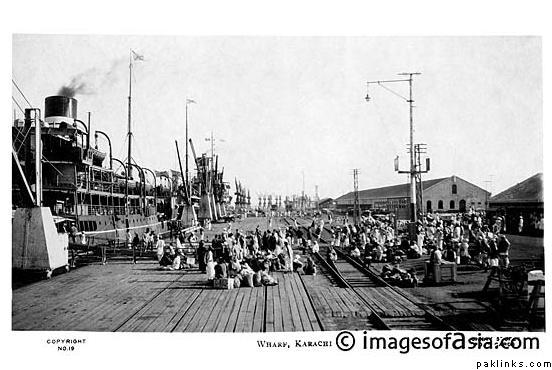
1930 - Wharf

Re: Pre-Partition Pics of Karachi..

1910 - Lady Dufferin Hostpital

Lady Dufferin Hospital was built in the 1890s.

Located on Chand Bibi Road, the hospital is dedicated to Lady Dufferin, wife of the colonial Governor General Lord Dufferin. Construction was begun in 1894, largely due to the efforts of Parsi millionaire and philanthropist Eduljee Dinshaw. The hospital lies in the vicinity of the Dow Medical College and Civil Hospital. Like other Dinshaw’s projects, the hospital is known for treating the poor and the needy.

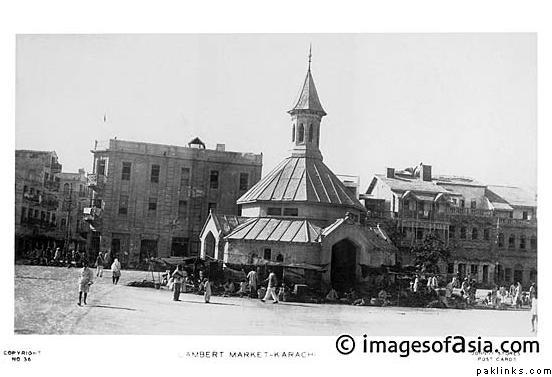
1920 - Lambert Market

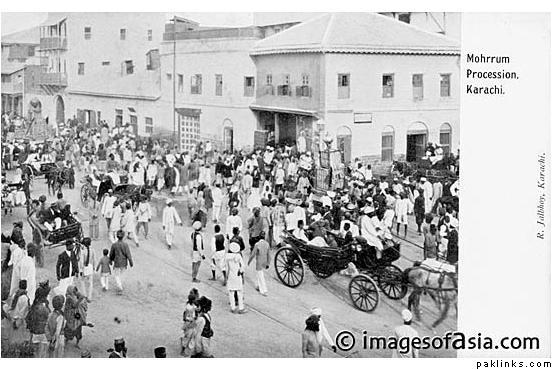
1905 - Mohrrum Procession

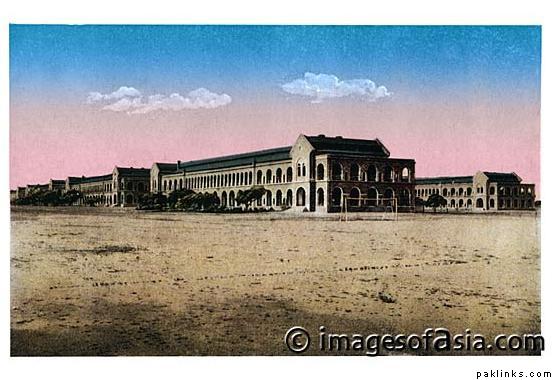
1910 - Napier Barracks

One of the first large building complexes in Karachi.

Napier Barracks was built for British soldiers in 1847, soon after what is now Sindh province was taken over by the British under General Charles Napier in 1843. Today government offices are housed in these structures. This is one of the most popular views of early Karachi, sent off no doubt by the many soldiers who resided here during their service terms in India.

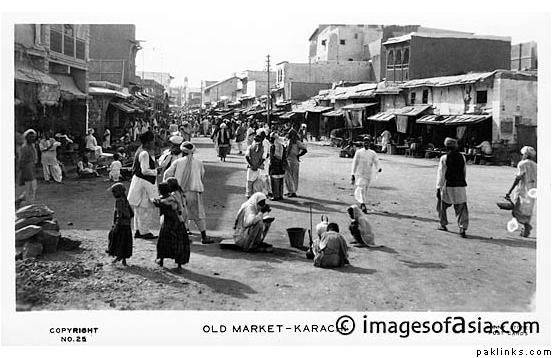
1920 - Old Market

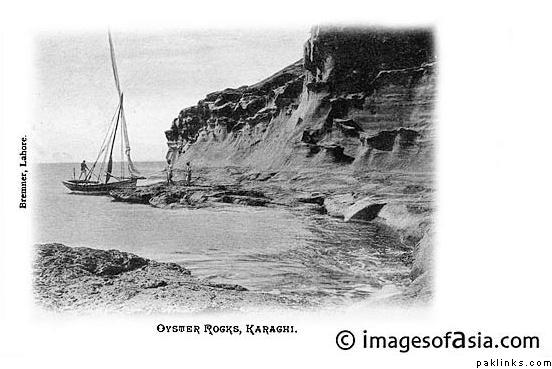
1900 - Oyster Rocks

At the turn of the century, a frequent image of Karachi shown in postcards.

1910 - Sind Club

**An exclusive club for elite members of Pakistani society in the heart of Karachi.

The Sind Club in the center of Karachi was built by the British in the 1860s**, and the local inhabitants (of what is now Pakistan) were not allowed to become members until after Pakistan’s Independence in 1947. A swimming pool, Southern Italian-style sandstone buildings and a fine restaurant are all located on the vast grounds. Women may still not become members in their own right.

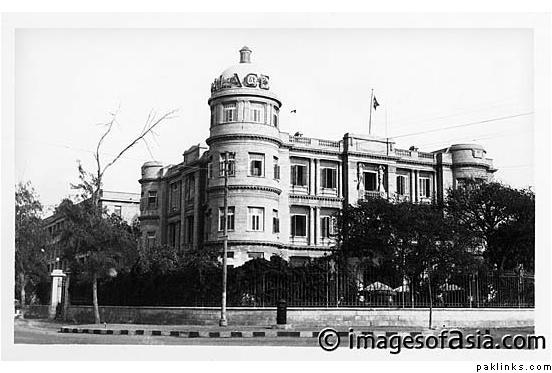
1950 - Palace Hotel

The Sheraton Karachi stands at the site where the Palace Hotel once stood.

The major hotels of Karachi have apparently always been within a few blocks of each other in the center of the city. Today the Sheraton is across of the Pearl Continental and both are just around the corner from what was the Metropole, another major hotel that serviced many foreign visitors to the city in the first decades after Independence.

The Palace Hotel was torn down in the 1970s, and was apparently built after World War I. The neon sign for Palace is on the dome, and the Pakistan flag seems to be flying above the building, suggesting the image dates to the 1950s.

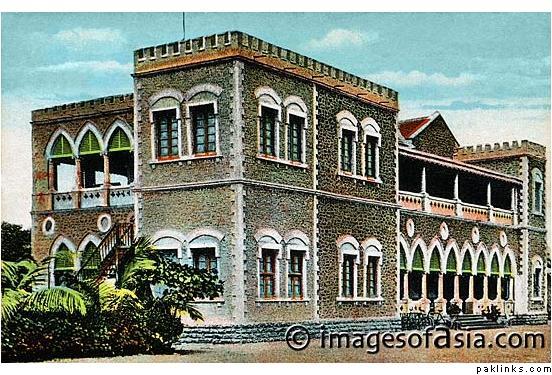
1910 - Parsi Gymkhana

The Karachi Parsi Institute (KPI) was originally called the Karachi Parsi Gymkhana.

The Parsi Gymkhana was established in 1893 by two Parsi gentlemen eager to encourage sports in their community. Cricket, billiards and other popular games were encouraged in a center was originally built for men. In 1899, women were given the permission to enter the Karachi Parsi Institute and dine there. Parties and dinners were arranged to celebrate special occasions in the lives of the members’ children and for wedding and initiation ceremonies.

Today the Parsi Institute overlooks an important Karachi cricket ground, and is one of the places where the city’s small but prominent Parsi community gather.

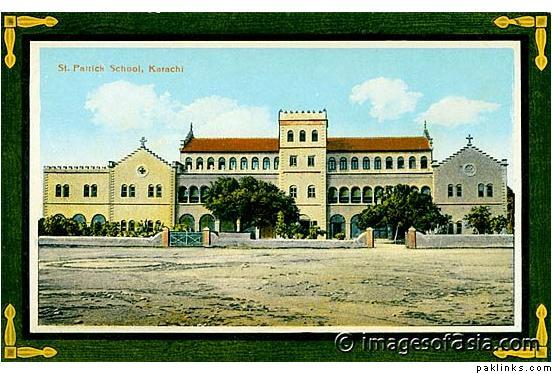
1910 - St. Patrick School

Re: Pre-Partition Pics of Karachi..

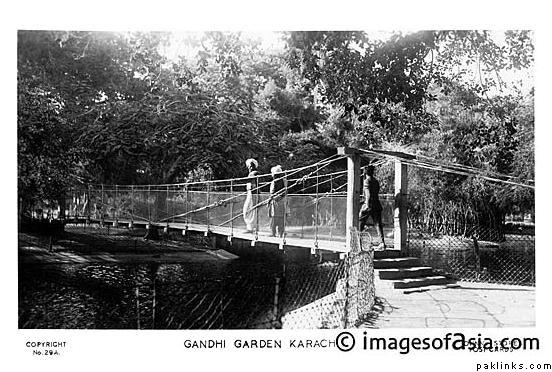
1930 - Gandhi Garden

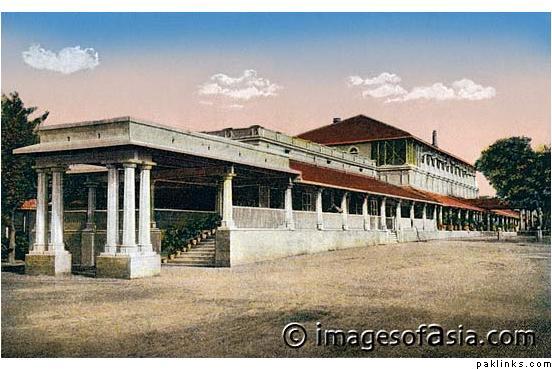
1910 - Government House

The residence of the Chief Minister of Sindh in the heart of modern Karachi

This Sindhi power center is on the same road as major hotels, Frere Hall and the US Consulate. Today the residence is surrounded by high walls, and thick with police and security officials.

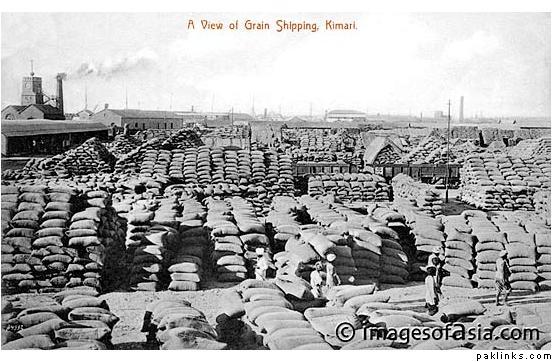
1910 - A View of Grain Shipping Kimari

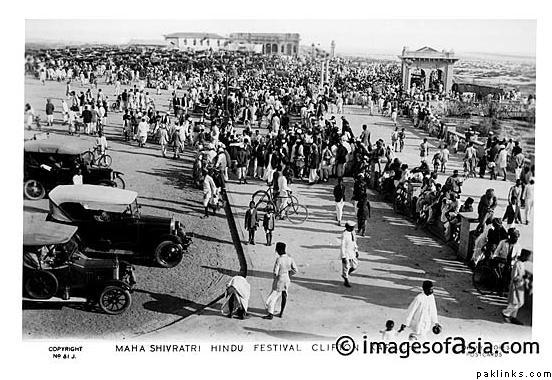
1930 - Maha Shivratri Hindu Festival Clifton

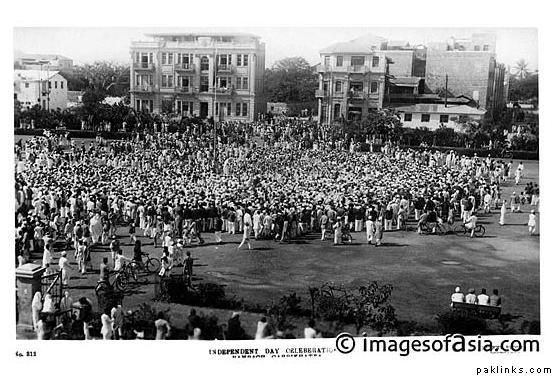
** Independence Day Celebration**

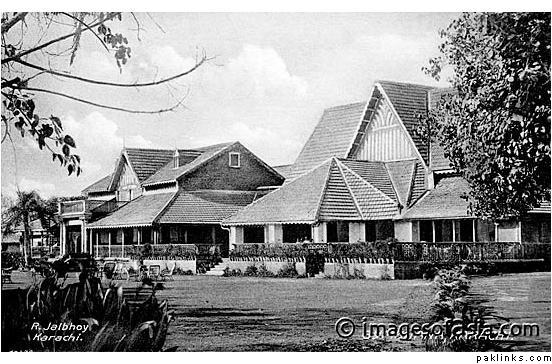
1910 - Karachi Gymkhana

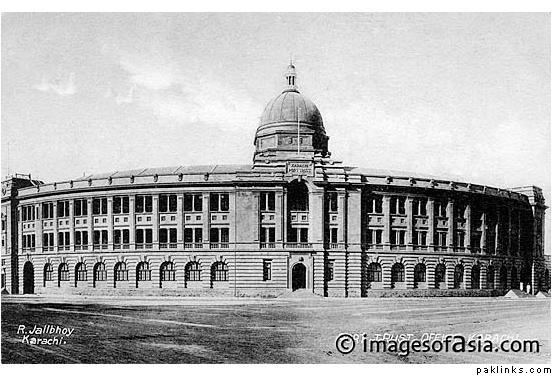
1910 - Port Trust Office

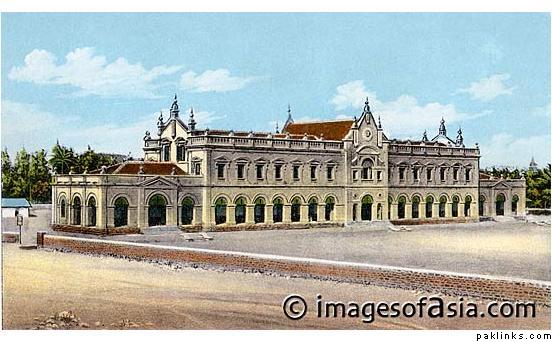
1910 - Cantonment Station

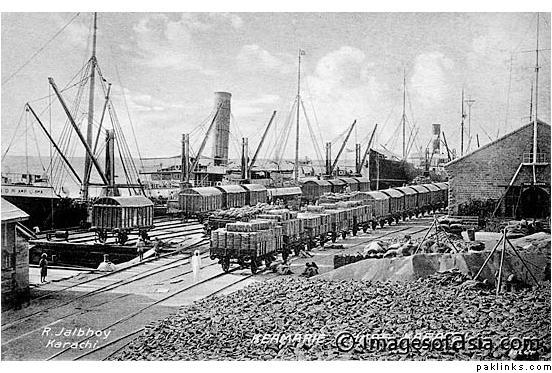
1910 - Keamari Wharf

One of the most popular early postcard image types of Karachi showed the wharf area.

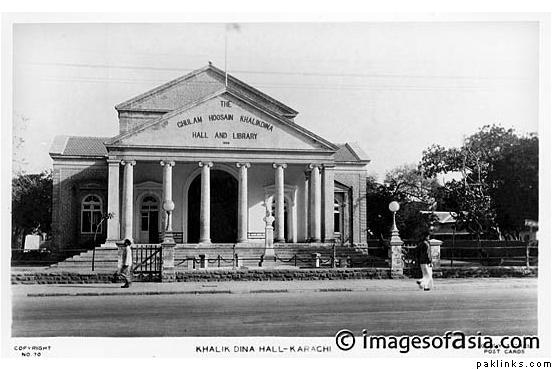
1930 - Khalik Dina Hall

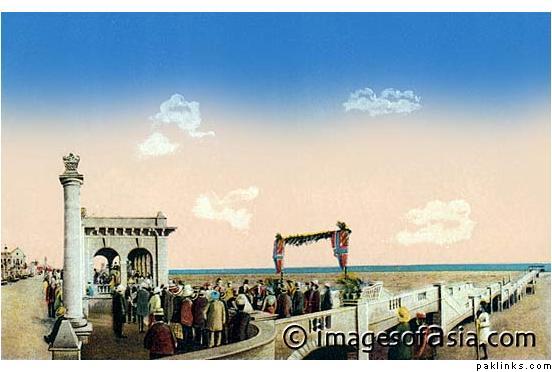
1910 - Kothari Parade and Lady Lloyd Pier

The very popular Jehangir Kothari Parade and Lady Lloyd Pier on the Clifton Beach in Karachi.

This major Karachi landmark was a gift by eminent Karachi citizen Jehangir Kothari to the city. The foundation stone was laid by Sir George Lloyd in 1919 and the pier inaugurated by his wife Lady Lloyd in 1921. The parade includes a kiosk with an elliptical roof built with Gizri (the local name for the district) limestone and Jodhpur stone. It also has an octagonal seat. There is an old Hindu temple here that predates the pier, and this spot remains one of the most popular local Karachi evening spots with splendid views of the Arabian Sea.

Re: Pre-Partition Pics of Karachi..

**Thanks :k:
**

Re: Pre-Partition Pics of Karachi..

ur welcome :)

Re: Pre-Partition Pics of Karachi..

I will post some soon:)

Re: Pre-Partition Pics of Karachi..

Lovely pics. The picture of old bandar road and empress market can give one a heart attack. What have we done to ourselves? We destroyed the beauty of our city with our own hands. It makes me sad when I look at these old pics

Re: Pre-Partition Pics of Karachi..

Nice pics

Re: Pre-Partition Pics of Karachi..

nice :) , please post more

Re: Pre-Partition Pics of Karachi..

I'm teaching my eldest daughter about Pakistan and the different cities and regions....your posts will come into use....a very interesting and informative read for me as well, many thanks Redi!

Re: Pre-Partition Pics of Karachi..

quality quality pics
thanks for sharing

Re: Pre-Partition Pics of Karachi..

Awesome. Does the old Market still exist?

And is shiv raatri still celebrated?

Re: Pre-Partition Pics of Karachi..

sure.. i will be waiting for the pics from your side :)

it was so calm, so soothing looking at these pics.. we have messed everything around us :(

thanks :)

thank you so much.. inshaAllah I will be sharing more for Karachi and for other cities as well :)

aw, em so glad that the thread is helping you educating ur angels :)

thank you clad.. and ur welcome :@:

yes, the market still exist, but congested, and not very well mantained.. :(

yes, shivratri is still celebrated in various cities of Pakistan in locations populated with Hindus.. :)

Re: Pre-Partition Pics of Karachi..

[gsmedia=90498]019PHO000000394U00138000[SVC2].jpg[/gsmedia]
[gsmedia=90498]019PHO000000425U00025000[SVC2].jpg[/gsmedia]

Re: Pre-Partition Pics of Karachi..

One of the best thing anybody did these are the valuable than any other photos. Thank you buddy.
Many Shukrias
Faisee

Re: Pre-Partition Pics of Karachi..

Where is Oyster Rock? The top end of Manora on the Eastern Side?

Re: Pre-Partition Pics of Karachi..

:k: