INTERESTING LIVES and INTERESTING FACTS

HOORAY FOR COMMERCIALS
(ON TV CHANNELS IN PAKISTAN)

(with certain amendments in some paragraphs to meet the current standards BUT with sincere apologies to Art Buchwald) By Yours Truly.

There has been a great deal of talk about the number of commercials on television.The FCC chairman has complained, as have viewers, who for some reasons think they have rights.


We happen to be one of those who think there aren't enough commercials. After watching what else television has to offer, we have decided we'd rather watch commercials. But every time we tune one in, it's interrupted by a program. Some of the commercials would make wonderful shows if there weren't so many programs scheduled.


For example, we were watching a wonderful scene one day of a plane following a beautiful girl in a car. The pilot then get’s out of the plane & goes to the girl and inquires about the car she is driving "It's a............................, of course," she said. But before she could ask the pilot what kind of a plane he was flying, the commercial was interrupted by a stupid baseball game. They never did get back to the couple again.***
We happen to enjoy toothpaste commercials, the ones that tell how half the school used a certain kind of toothpaste and half the school didn't. The half that used the special toothpaste had far fewer cavities. But they never show the half that didn't use the special toothpaste.
We'd be interested to know how they felt about being given the wrong toothpaste. Surely the parents must have been furious paying for all those cavities. Perhaps the kids with fewer cavities had their teeth knocked out by kids who had to go to the dentist. But just when the commercials get interesting, somebody like Batman or the Fawlty Towers comes on and spoils the show.


Then there are the soap advertisements. A girl complains that she never could get on a cover of a popular magazine. Her girlfriend whispers the name of a soap. Sure enough, in the next scene the girl's picture is on the cover of many popular magazines. Will some guy ask her to marry him? Will her friends ask her the name of the soap? Will some lad ask her the name of her girlfriend? Nobody knows.


The most maddening commercials are the ones for cellphones ISPs. We see a beautiful girl clad in a typical asian dress...dancing and speaking out that her lips are free to do nothing but talk talk and talk...in fact she is being told to speak as her lips are free. You wait patiently for her to speak (instead of expressing shyness) but she just dances while her suitor high jumps in excitement that his lips are also free to speak in fact he also loops in a famous sportsmen clad in Nehru jacket to join him for a price. Will that sportsmen teach a trick or two to them on bowling---like he did to Irfan Pathan invariably to skittle his own country players during key matches with arch rivals? Will the guy high jumping ask the girl's hand after speaking and talking and talking or sending sm’s on cellphone but only through that Cellphone ISP's service? No one knows? because just as the girl, finally, gives her shy smile to the boy who again makes a very high jump and freezes in air, you find yourself staring at an anchor cornering politicians one way or the other and same old discussion leading to no end or resolve.


If we were the FCC chairman, we'd do away with television programs and just let them broadcast commercials. There is more plot, more substance and better writing and 'talkshawk' in a soap, vegetable oil, movie, bread, milk, and Cellphone ISP's mini drama ad than in most of the stuff that they show on the air.


*Raju’s Roses Club *
Live Well, Love Much, Laugh Often
Smile is an inexpensive way to improve your looks

:)WOOOHOOO:)
CNNBC video

Re: INTERESTING LIVES and INTERESTING FACTS

Einstein declined the presidency of the state of Israel when it was offered to him in 1952 by state leaders.

Re: INTERESTING LIVES and INTERESTING FACTS

Zero was invented in India by Indian mathematicians dating as early as 5th century. They widely used it in calculations, astronomy and astrology. Zero was spread by Arabians to the Europe and there on it was spread all over. Before this, all Europeans used roman numerical which were difficult to calculate on as they were in the form of Symbols, lengthy and had limits.

Re: INTERESTING LIVES and INTERESTING FACTS

Printer manufacturers print invisible yellow dots on consumer\'s prints that check to see if a person is printing counterfeit money. If you call your printer manufacturer and ask them to \"please stop spying on you\", they will send secret services to your address to find out why you care about your privacy.

Re: INTERESTING LIVES and INTERESTING FACTS

Highest mountain on Earth, Mt. Everest grows about 4 millimeters a year since two tectonic plates which collided millions of years ago to form the Himalayas, continue to press against each other

Re: INTERESTING LIVES and INTERESTING FACTS

It is common mistake to say that The Great wall of China is visible from outer space. It is too thin to be noticed from such a great distance. Only two man made structures visible from space are: The Pyramids of Giza and the Hoover Dam.

AGHA HASAN ABEDI
**(Visioner Beyond Boundaries)
*
*Raju Jamil

AGHA HASAN ABEDI, till July-1959, an agent (the then, the terminology for Asst.Manager at a Bank ) at Habib Bank Limited at its Saddar Branch, Karachi which was (and still is) opposite to Ilaco House on Abdullah Haroon Road, was a man of multifarious personalities.
**He belonged to that select group of Bankers/Visionaries whose interests and activities span very wide portion of the Social Services as well. His true metier was promoting PAKISTAN’s image---he has been perpetuating the traditions of a modern concept in Marketing, Banking Services which are termed as the most popular of high commercial and service values. **
Agha Hasan Abedi, shearly through his hard work, laddered to be one of the most reckoned person in the International World of Commerce.
Imagine, ONE man single handedly;


1. Founding TWO Banks and GLOBAL reach in lifespan.


  1. Loaning $100 Million to his own country when in dire need.

  2. Initiating the very concept of Infotechnology by founding “FAST UNIVERSITY” a quarter century ago when few in this country knew what it meant.

  3. Instituting four charitable Trusts/Foundations in Pakistan, Bangladesh, Zimbabwe and the UK who even today, dish out $500 Million annually.

  4. Patronising an Institute of Global excellence like GIKIST-Topi not to mention $750 Million grant.

  5. Employing some 15000 Pakistanis globally.

  6. Turning youthful graduates into Bankers and power executives.

  7. Having the vision to focus on Third World Foundation and Global-2000 in early 70’s and 80’s.

  8. Putting Pakistan on the map of Corporate excellence.

  9. Dreaming to transform Pakistan into a powerhouse of technology & advancement.

  10. Wishing Pakistan to assume leadership role of the 3rd World fraternity.

  11. Being solely responsible to feed around 100,000 families over three decades.


    Agha Hasan Abedi’s role model certainly needs to be transformed into a very powerful drama serial which would serve as a boon to the showbiz world’s efforts of disseminating the best to the viewers globally thus also nullifying the oddities the West has for the Nation which has produced people like Agha Hasan Abedi.


    From Commercial point of view, this serial can bring wonders to the channel/network which takes its bet on producing the serial through a research on Abedi through those who have worked with him and through his wife who resides in Karachi.


    Three key places to cover the shoot of entire 13 episoder would essentially have to be; Karachi/Islamabad, UAE and London.
    Serial would not involve a huge cast yet a large number of extras would certainly be required.

-end

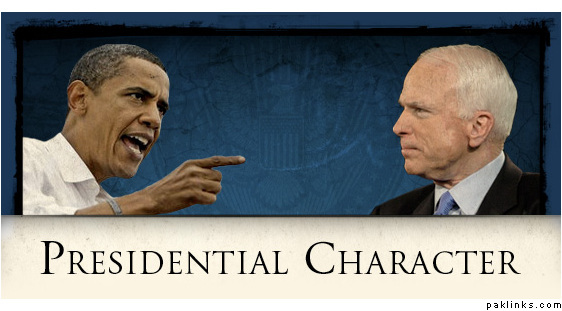
PRESIDENTIAL CHARACTER:
“The public cannot be too curious concerning the characters of public men.” —Samuel Adams


In his Inaugural Address on 20 January, 1961, President John F. Kennedy closed his remarks with these famous words: “And so, my fellow Americans, ask not what your country can do for you; ask what you can do for your country.”


With those words, JFK, considered by many to be the most exemplary leader of the Democrat Party in the 20th Century, asked Americans to put country first, a bedrock principle of the Party until the last few decades.


However today, the current slate of Democrats have turned Jack Kennedy’s national challenge on end, essentially proclaiming, “ask what your country can do for you, not what you can do for your country.”


In 1963, Martin Luther King stood on the steps of the Lincoln Memorial and said for all to hear, “I have a dream that my four children will one day live in a nation where they will not be judged by the color of their skin but by the content of their character.”


Has his dream been realized, or have Democrat leaders divided us up into constituency groups, where we are judged by all manner of ethnicity and special interests rather than the individual and national character King envisioned?


Kennedy and King had it right, but the Democrat Party has squandered their great legacy, and betrayed us, moreover enslaving many Americans as dependant wards of the state.


This is not the Democrat Party envisioned by Franklin Delano Roosevelt or Harry Truman, much less its founder, Thomas Jefferson, who would not recognize even the most vestigial elements of his once-noble Party. (This dramatic transition is evident in the Democrat Party Platforms from Kennedy to Obama.)


When asked why he left the Democrat Party, perhaps the most famous of former Democrats said, “I did not leave the Democratic Party, the Democratic Party left me.” That was Ronald Reagan, who earned the respect and support of an enormous number of Democrats during his presidency. His observation, “the Party left me,” has never been more true than today.


For several months, we have heard and observed two presidential candidates, centrist Republican John McCain and liberal Democrat Barack Obama. It should by now, be obvious to all of us who put our country first, which of these candidates possess the high qualities of a statesman, and the prerequisite moral and civic virtues for an American president.


Unfortunately, too many of my fellow Americans have difficulty distinguishing these qualities.


Every four years, at the peak of presidential election cycles, we’re told by the talkingheads and the party hacks that “this election is the most important in our lifetimes.” This time, however, they may be right. These are indeed perilous times.


Our nation is facing crises on several critical fronts, including an historic economic disaster, the resolution of which will require the steady hand of a statesman in possession of outstanding character — character that has been honed over his lifetime, character that is proven consistent with our nation’s legacy of liberty and equality.


That reformed Democrat, Ronald Reagan, wrote, “The character that takes command in moments of crucial choices has already been determined by a thousand other choices made earlier in seemingly unimportant moments. It has been determined by all the ‘little’ choices of years past — by all those times when the voice of conscience was at war with the voice of temptation, [which was] whispering the lie that ‘it really doesn’t matter.’ It has been determined by all the day-to-day decisions made when life seemed easy and crises seemed far away — the decision that, piece by piece, bit by bit, developed habits of discipline or of laziness; habits of self-sacrifice or self-indulgence; habits of duty and honor and integrity — or dishonor and shame.”
For the first and final word on the necessary character traits the next president should possess, let’s return to our foundation, our Founders, those who risked all to proclaim our individual rights and responsibilities as ordained by God, and outlined them in our Declaration of Independence and its subordinate exposition, our Republic’s Constitution.


Our Founders wrote at length about character, both of those who seek high office (or, rather, those that high office seeks), and those who elect them. Here are but a few excerpts in their own words.


John Adams: “Children should be educated and instructed in the principles of freedom. … If we suffer [the minds of young people] to grovel and creep in infancy, they will grovel all their lives. … We have no government armed with power capable of contending with human passions unbridled by morality and religion. Avarice, ambition, revenge, or gallantry, would break the strongest cords of our Constitution as a whale goes through a net. Our Constitution was made only for a moral and religious people. It is wholly inadequate to the government of any other. … We should be unfaithful to ourselves if we should ever lose sight of the danger to our liberties if anything partial or extraneous should infect the purity of our free, fair, virtuous, and independent elections.”
Samuel Adams: “Nothing is more essential to the establishment of manners in a State than that all persons employed in places of power and trust must be men of unexceptionable characters. … If men of wisdom and knowledge, of moderation and temperance, of patience, fortitude and perseverance, of sobriety and true republican simplicity of manners, of zeal for the honour of the Supreme Being and the welfare of the commonwealth; if men possessed of these other excellent qualities are chosen to fill the seats of government, we may expect that our affairs will rest on a solid and permanent foundation. … [N]either the wisest constitution nor the wisest laws will secure the liberty and happiness of a people whose manners are universally corrupt. … No people will tamely surrender their Liberties, nor can any be easily subdued, when knowledge is diffused and Virtue is preserved. On the Contrary, when People are universally ignorant, and debauched in their Manners, they will sink under their own weight without the Aid of foreign Invaders. … Let each citizen remember at the moment he is offering his vote that he is not making a present or a compliment to please an individual — or at least that he ought not so to do; but that he is executing one of the most solemn trusts in human society for which he is accountable to God and his country. … Religion and good morals are the only solid foundation of public liberty and happiness.”
Thomas Jefferson: “It is the manners and spirit of a people which preserve a republic in vigor. A degeneracy in these is a canker which soon eats to the heart of its laws and constitution. … If a nation expects to be ignorant — and free — in a state of civilization, it expects what never was and never will be. … The whole art of government consists in the art of being honest. Only aim to do your duty, and mankind will give you credit where you fail. … An honest man can feel no pleasure in the exercise of power over his fellow citizens.”
George Washington: “No compact among men … can be pronounced everlasting and inviolable, and if I may so express myself, that no Wall of words, that no mound of parchment can be so formed as to stand against the sweeping torrent of boundless ambition on the one side, aided by the sapping current of corrupted morals on the other. …[A] good moral character is the first essential in a man, and that the habits contracted [early in life] are generally indelible, and your conduct here may stamp your character through life. It is therefore highly important that you should endeavor not only to be learned but virtuous. … The foundations of our national policy will be laid in the pure and immutable principles of private morality, and the preeminence of free government be exemplified by all the attributes which can win the affections of its citizens, and command the respect of the world. …[W]here is the security for property, for reputation, for life, if the sense of religious obligation deserts the oaths…? Of all the dispositions and habits which lead to political prosperity, Religion and morality are indispensable supports. In vain would that man claim the tribute of Patriotism who should labor to subvert these great Pillars of human happiness — these firmest props of the duties of men and citizens.”


At the end of the Revolution, when our Founders were endeavoring “to form a more perfect Union, establish Justice, insure domestic Tranquility, provide for the common defense, promote the general Welfare, and secure the Blessings of Liberty to ourselves and our Posterity,” Founding brothers Alexander Hamilton and John Jay and our Constitution’ s author, James Madison, wrote The Federalist Papers, its most authentic and comprehensive explication.
In Federalist No. 1, Hamilton warned, “Of those men who have overturned the liberties of republics, the greatest number have begun their career by paying an obsequious court to the people, commencing demagogues and ending tyrants.”


Sound familiar?
In No. 10, Madison cautions, “Enlightened statesmen will not always be at the helm,” and insisted in No. 57, “The aim of every political Constitution is or ought to be first to obtain for rulers, men who possess most wisdom to discern, and most virtue to pursue the common good of the society; and in the next place, to take the most effectual precautions for keeping them virtuous, whilst they continue to hold their public trust.”


Madison’s Supreme Court nominee, Justice Joseph Story, wrote, “Republics are created by the virtue, public spirit, and intelligence of the citizens. They fall, when the wise are banished from the public councils, because they dare to be honest, and the profligate are rewarded, because they flatter the people, in order to betray them.”


The Founders thus warned of the perils posed by the candidate who lacks political courage; the candidate who tells us everything we want to hear.
In November 1800, John Adams, in his fourth year as president, wrote to his wife Abigail, “I Pray Heaven to bestow the best of blessing on this house, and on ALL that shall hereafter inhabit it. May none but honest and wise men ever rule under this roof!”


We should all pray likewise, now, today, this minute.


As Adams understood, “A Constitution of Government once changed from Freedom, can never be restored. Liberty, once lost, is lost forever.”
Almost two centuries later, Ronald Reagan reiterated, “Freedom is … never more than one generation away from extinction. Every generation has to learn how to protect and defend it, or it’s gone and gone for a long, long time.”
So, what of the current generation of voters, and the two presidential candidates?


On 4 November, one of these candidates will receive a majority of electoral votes, and in January, be seated as our next president. But for sure, this election is much more than a referendum on the two candidates; it is a referendum on the ability of Americans to discern between one candidate who possesses the character and integrity of a statesman, which the office of president requires, and one who does not.


At this pivotal moment in our nation’s history, let’s hope that a majority of us have sufficient courage and character to make that distinction, and vote on what we know rather than how we feel.


Let’s put country first.
For more information on the character of the presidential candidates, link to The McCain record and The Obama record.

Please forward these insights to your family, friends and associates.
Good Writing Advice

**In promulgating your esoteric cogitations or articulating your superficial sentimentalities and amicable philosophical or psychological observations, beware of platitudinous ponderosity. **


**Let your conversational communications possess a compacted conciseness, a clarified comprehensibility, a coalescent cogency and a concatenated consistency. **


**Eschew obfuscation and all conglomeration of flatulent garrulity, jejune babblement and asinine affectations. **


**Let your extemporaneous descants and unpremeditated expatiations have intelligibility and voracious vivacity without rodomontade or thrasonical bombast. **


**Sedulously avoid all polysyllabic profundity, pompous prolificacy and vain vapid verbosity. **


If you are really interested to know, the above means: “Be brief and don’t use big words.”

Great man who rendered matchless services to nation. He deserves our utmost resptect and national honour :k:

I agree with you about drama serial on him.

It can be mega hit, if produced with right team

CHAAND BAORI-INDIA


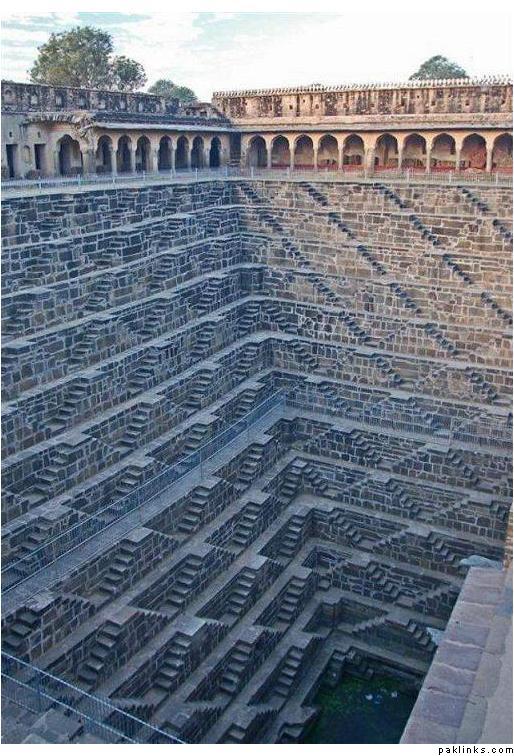
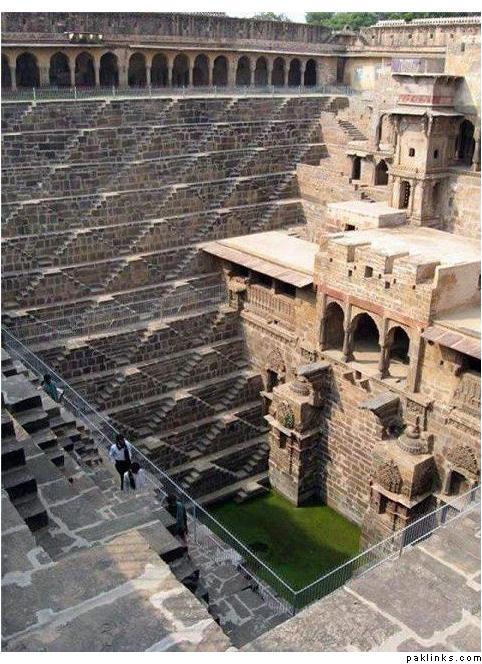
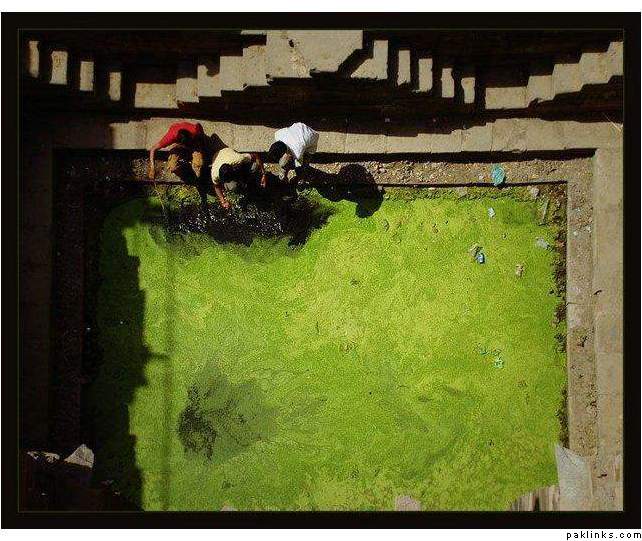
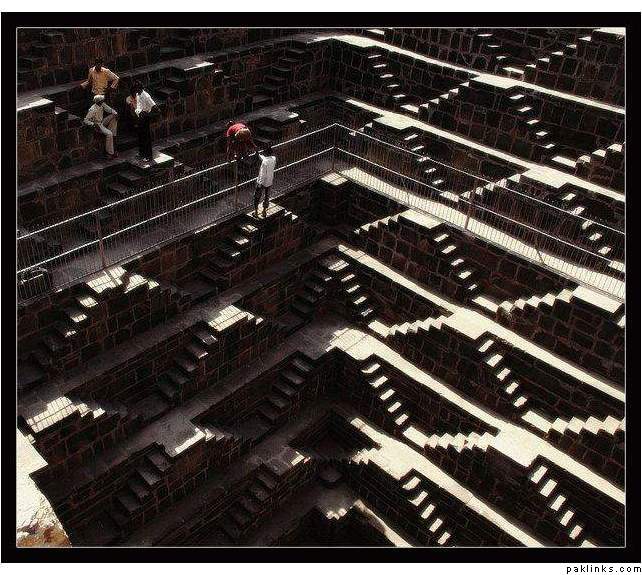
Built back in the 10th century, the incredible WELL (KOO’AANN) of Chand Baori, India was a practical solution to the water problem in the area. The arid climate forced the locals to dig deep for a dependable water source, one that would last throughout an entire year. Chand Baori well is 30 meters deep, it has 13 floors and 3,500 steps. Legends say that ghosts build it in one night and that it has so many steps to make it impossible for someone tor etrieve a coin once it’s been dropped in the well.

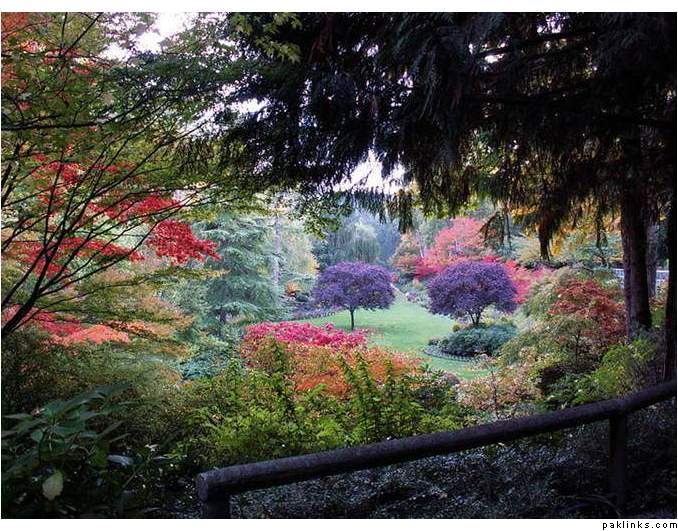
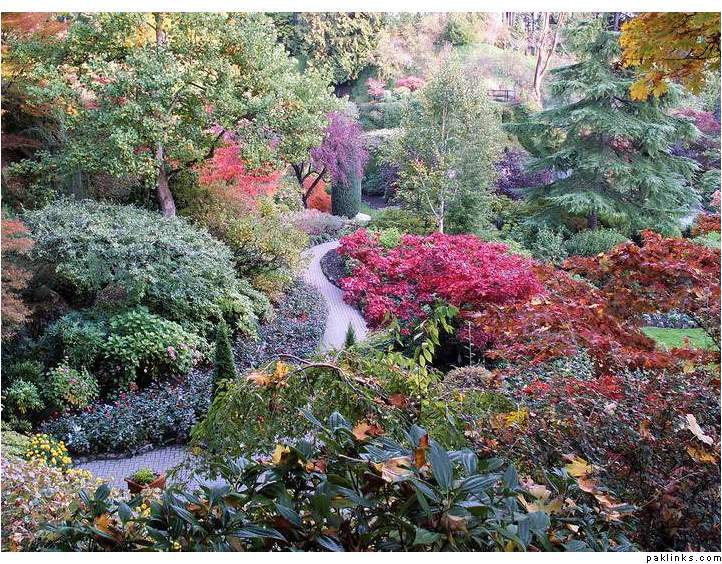
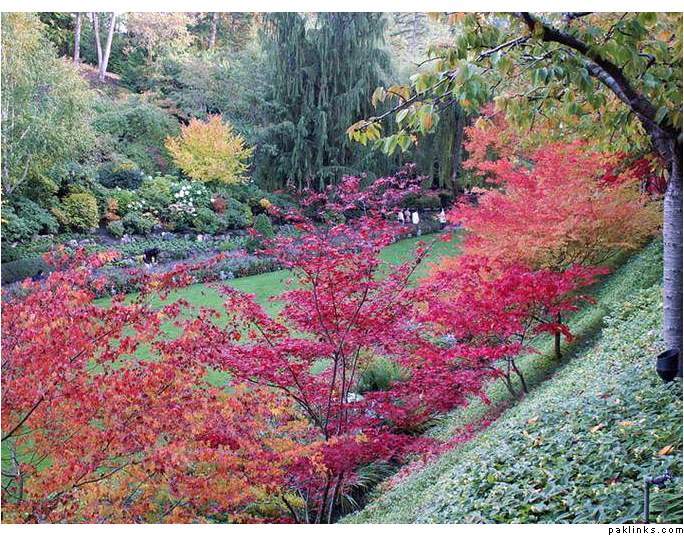
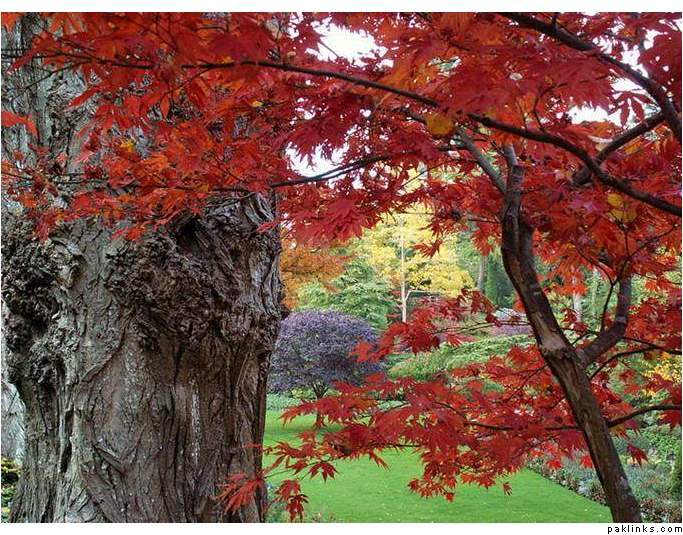
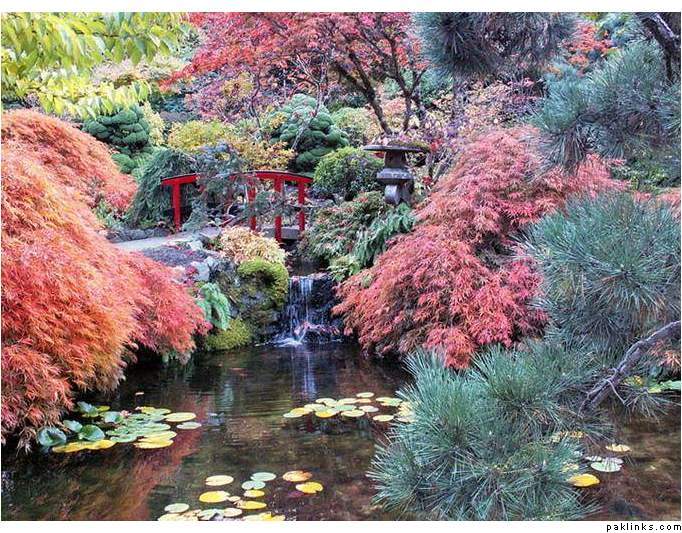
IT’S HARD TO BELIEVE ANYTHING COULD BE THIS BEAUTIFUL…
***TALK ABOUT THE LORDS PAINTBRUSH; ***

HERE IT IS!


THE BUTCHARD GARDENS
Victoria
CANADA


Re: INTERESTING LIVES and INTERESTING FACTS

Oh WOW, gooodd stuff


**This Day in History, November 1 ****
*On November 1st, 1892, Arthur Conan Doyle’s ***
***“The Adventures of Sherlock Holmes” ***
***was first published. ***


**Raju’s Roses Club **
Live Well, Love Much, Laugh Often
Smile is an inexpensive way to improve your looks

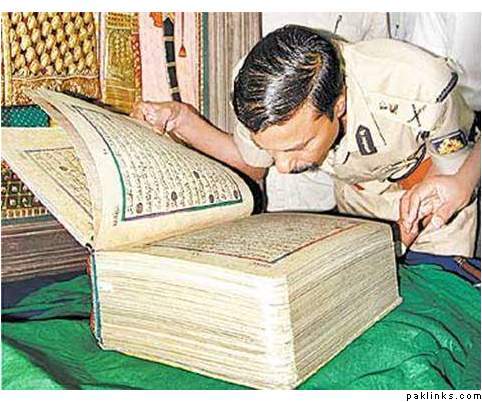
***This Quran is hand-written by Emperor Aurangzeb (RA) nearly 400 years ago. It is 13.5 kg in weight, 39.5 CM long and 20 CM wide. It has Golden and silver colored graving. ***


***Every page has a different perfumery smell and to avoid fire accidents the pages are fire proofed. ***


Police captured the person, M.G. Sukumar (from Kerala), who was trying to sell it for 5 Crore Rupees.
***
Indian continent Kerala Police has arrested Mr. M.G. Sukumar (44) resident of Trichur, who is going to sell this Quran for 5 crores Indian Rupees (IRS.5,00,00, 000) equal to 50 million $. And it has been sent to Hyderabad for verification of script.

***This Holy Qura’n written by Mughal Emperor AURANGZEB in his own hand writing before 400 hundred years ago ***
***(During 1636-44 & 1653-58). ***


***- It’s weight measured as 13 KG. ***


  • Size: Length 39.5I cm. and width 20 cm.

  • The text was graving with Gold & Silver

  • This Qura’n papers are made by fireproof material.

  • It’s every page giving different type of perfume smell


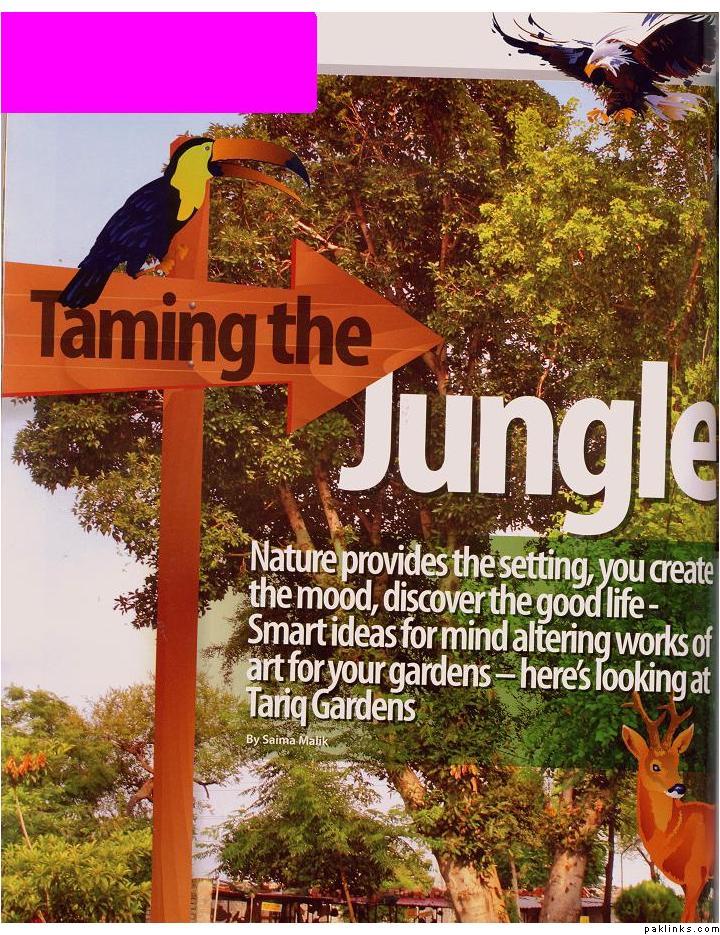
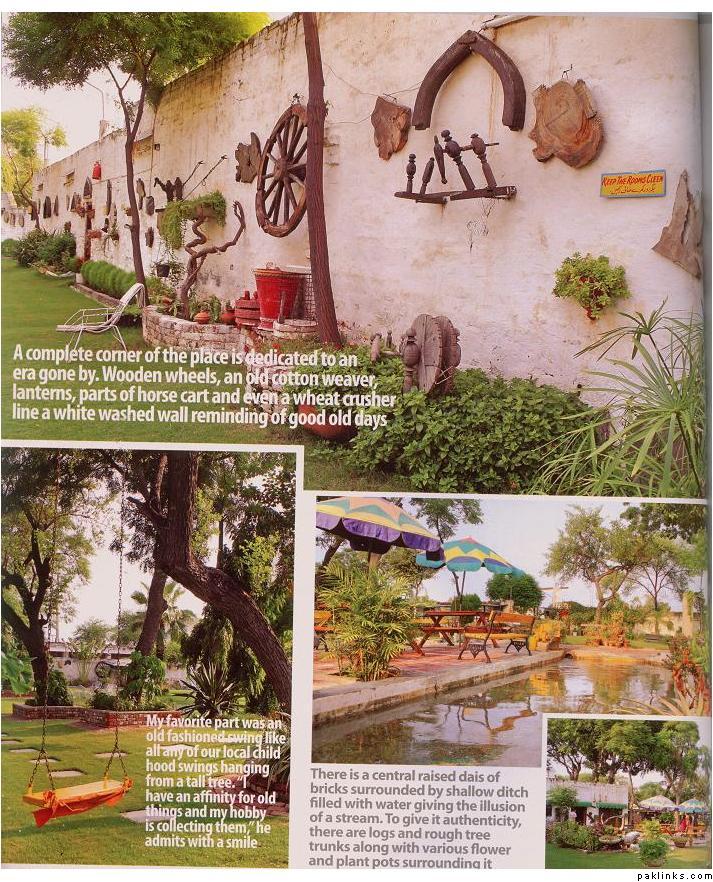
A FARM HOUSE OR ESTATE
NEARBY LAHORE…


HEAVEN AND HEARTH;


The Triple Filter

**During the golden Abbasid period, one of the scholars in Baghdad, the capital of Muslim caliphate at that time, was reputed to hold knowledge in high esteem.

One day an acquaintance met the great scholar and said,**
**
"Do you know what I just heard about your friend?
**
***Scholar
Hold on a minute, before telling me anything I'd like you to pass a little test. It's called the Triple Filter Test.


*The Man
Triple Filter Test?
*

***Scholar
That's right, before you talk to me about my friend it might be a good idea to take a moment and filter what you're going to say. That's why I call it the triple filter test. The first filter is Truth. Have you made absolutely sure that what you are about to tell me is true?


*The Man
No, actually I just heard about it and ...
*

***Scholar
All right, so you don't really know if it's true or not. Now let's try the second filter, the filter of Goodness. Is what you are about to tell me about my friend something good?


*The Man
No, on the contrary...
*

***Scholar
So, you want to tell me something bad about him, but you're not certain it's true. You may still pass the test though, because there's one filter left: The filter of Usefulness. Is what you want to tell me about my friend going to be useful to me?


The Man
No, not really.
**
***Scholar
Well, if what you want to tell me is neither true nor good nor even useful, why tell it to me at all?
*

Quran Says:
**يَا أَيُّهَا الَّذِينَ آمَنُوا اجْتَنِبُوا كَثِيراً مِّنَ الظَّنِّ
إِنَّ بَعْضَ الظَّنِّ إِثْمٌ وَلا تَجَسَّسُوا وَلا يَغْتَب بَّعْضُكُم
بَعْضًا أَيُحِبُّ أَحَدُكُمْ أَن يَأْكُلَ لَحْمَ أَخِيهِ مَيْتًا
فَكَرِهْتُمُوهُ وَاتَّقُوا اللَّهَ إِنَّ اللَّهَ تَوَّابٌ رَّحِيمٌ
**Surah 49 Al-Hujurat Ayah 12

Translation:
O you who believe! Avoid much suspicions, indeed some suspicions are sins. And spy not, neither backbite one another. Would one of you like to eat the flesh (meat) of his dead brother? You would hate it (so hate backbiting) . And fear Allah. Verily, Allah is the One Who accepts repentance, Most Merciful.


Surah 49 Al-Hujurat Ayah 12


Prophet Muhammad’s (PBUH/S.A.W) Economic Policies

Article by WorldNews.com Correspondent Dallas Darling.

***When former U.S. Federal Reserve Chairman Alan Greenspan admitted that a belief in free-market economies is flawed, and when a 40-member Asia-Europe Meeting (Asem) recognized the failures of emerging markets and called on nations to cooperate, and now that President George W. Bush finally understands the grave economic situation in suddenly announcing a global summit; instead of manipulating and militarizing Arab and Islamic Governments in the Middle East and launching pre-emptive oil wars, the U.S. and Global Community would have better served their economic interests by attending the Hira Summit: A mountain outside of Mecca, Saudi Arabia where Prophet Muhammad received messages from God.. ***

***Since Mecca was along the Red Sea and the center of overland trade routes between Africa and Asia, it prospered and became an important commercial city. Great wealth unfortunately produced intense competition, tribal warfare, vigilantism, and a justice system based on revenge. It was here that Prophet Muhammad was born in 570 CE., was orphaned at an early age, and immediately experienced the harsh political and economic realities of Mecca. Through hard work and learning various skills Prophet Muhammad became a highly respected caravan trader and business manager, eventually marrying Khadijah. Although Prophet Muhammad and Khadijah enjoyed a loving marriage and a good business partnership, they were troubled with what they observed. ***

***For years, hundreds of tribes brought idols to Ka’aba-an ancient shrine in Mecca. Even though fighting was banned from around the Ka’aba, Prophet Muhammad witnessed violence against the poor and oppression towards the weak. Due to greed and materialism, tribal wars were common. Prophet Muhammad, deeply concerned, prayed often around the surrounding hills of Mecca. On Mount Hira, Prophet Muhammad started receiving messages from God and began to sharply rebuke the Meccans for amassing great wealth at the expense of the poor and for taking advantage of the orphans and widows. Prophet Muhammad’s words resonated with many of the downtrodden and slaves, whom had little protection and were disenfranchised from Mecca’s prosperity. He also proclaimed justice and equality by calling upon the expansion of women’s rights and their legal inheritance. ***

***Since many Meccans resented this message and believing it would undermine their lucrative business practices and trade, they ridiculed, beat and attacked Prophet Muhammad and his followers. Severe economic sanctions destroyed Prophet Muhammad’s and Khadijah’s business and forced them into a ghetto-like existence. Khadijah, along with others, died of starvation. After learning of an assassination plot, Prophet Muhammad and his followers fled to Yathrib. Yathrib, much like Mecca, was experiencing tribal warfare. Prophet Muhammad proved to be not only a great religious leader, but also a tremendous statesmen by bringing peace and unity among the differing clans and their many faiths. He fashioned equitable agreements and stressed the importance of the Umma or community. ***

***Prophet Muhammad also initiated a treaty with the Meccans and for a while, established a time of peaceful trade. He gained a large following and on his return to Mecca, the city leaders surrendered. Riding into the city with his head down (which signified humility) Prophet Muhammad rejected the cycle of retaliation and instead, pardoned the inhabitants of the entire city. He destroyed the false idols symbolizing greed, wealth, materialism, competition, and tribal allegiance and revenge. ***

***Many Meccans pledged loyalty Prophet Muhammad and converted to Islam-submission to the will of Allah, and became Muslims. While the Sharia Law regulated both private and public life in accordance to the Qur’an, many pursued the Sunna-Prophet Muhammad’s example. Islamic literature, science, math, medicine, art, and philosophy experienced many great and spectacular achievements. ***

***In no way do I consider myself an Islamic religious scholar. But as one who has lived in the West and has been socialized by decades of free market ideologies consisting of conspicuous consumption, excessive competition, extreme individualism, and endless resource wars-not to mention eight years of failed and deadly Bush economic policies; I greatly admire and welcome Prophet Muhammad’s economic values. I also believe if such policies were embraced and lived (as listed below), they would help solve many current economic crises that are plaguing the world. ***

  1. ***First, develop a strong and honest work ethic like Prophet Muhammad. ***
  2. ***Second, regulate oneself in the areas of personal and public economic issues. Think of Umma or the universal community. Prophet Muhammad said, “The law of life requires sincerity to God, severity to self, and justice to all people.” How will my work habits, purchasing behaviors, and consumption affect humankind? ***
  3. ***Third, resist and reject the idols of materialism and wealth. Instead, pursue justice and equality for all peoples while challenging destructive economic structures. Prophet Muhammad said, “Be just: the unjust never prosper.” ***
  4. ***Fourth, some things are sacred. If God created the heavens and the earth, then it should be cared for. Everything, which ultimately belongs to God, should be used for his loving purposes and to better humankind. Prophet Muhammad said, “Destroy neither fruit trees, grain, nor cattle.” ***
  5. ***Fifth, economic sanctions and inequality are very dehumanizing and destructive. They produce cycles of poverty and violence, even for the perpetrators. Why did a former slave lead the first call to prayer before Prophet Muhammad entered Mecca? ***
  6. ***Sixth, treaties of peace and demilitarization, versus spending billions on military weaponry, armies and wars, will create a more peaceful and sustainable world. ***
  7. ***Seventh, altruism, or a belief in good works, an afterlife, or a judgment, are much better than no belief at all and living only for oneself and momentary pleasures. ***
  8. ***Eighth, the Third Pillar of Faith-Alms or a religious tax for the poor-should be the most important priority for a free and secure society. Great civilizations can be judged on how they care for the poor, the orphaned, the elderly, and the widows. Prophet Muhammad said, “The law of life requires generosity to the poor.” ***
  9. Ninth, continually reflect or pray. Prophet Muhammad said, “The law of life requires severity to self.” In doing this, one can perhaps resist the false gods of greed and self agg**zement and instead, be compassionate for others as did Prophet Muhammad. ***
  10. ***Tenth, practice and live economic forgiveness and pursue reparations for past wrongs. Prophet Muhammad said, “Be merciful.” ***

***Finally, just in case you think these principles seem too difficult to live in today’s world of international markets and economic challenges, recall the words of Prophet Muhammad: “Thou thinkest thou art but a small thing, whereas in thee is involved the whole universe.” ***

=====================================================
Dallas Darling - [EMAIL=“[email protected]”][email protected]
(Dallas Darling is the author of The Other Side Of Christianity: Reflections on Faith, Politics, Spirituality, History, and Peace. While a pastor and social-activist living in the U.S, he served the poor in rural communities and inner cities. Dallas also traveled and worked extensively throughout Latin America participating in peace with justice movements and Liberation Theologies. Dallas teaches U.S. and World History and is a regular contributor to www.worldnews.com )

*Mahmoud Haroon’s legacy *

Staff Reporter (DAWN)

Friday, 07 Nov, 2008 | 09:11 AM PST |

KARACHI, Nov 6: Mahmoud A. Haroon, a veteran politician and chairman of the Dawn Media Group, died in Karachi on Thursday after protracted illness. He was 88. He is survived by daughter Ambar Haroon-Saigol.
**THE second son of Haji Sir Abdullah Haroon, Mahmoud was born in Karachi in 1920. Being the scion of the celebrated Haroon family, Mahmoud had politics in his blood and joined the Muslim League at a very early age. **


After studying in D.J. Science College and C.S. Shahani Law College, he joined the Muslim League and had the honour of becoming ADC to Quaid-i-Azam Mohammad Ali Jinnah when he was only 17. He was also Salar-i-Ala of the Sindh Muslim League Guard and later became Deputy Chief of the All-India Muslim League National Guard.


**He became a member of the All-India Muslim League in 1942 and president of the Karachi Muslim League in 1944. Three years later, he became the president of the Sindh Bar Association and was elected to the Sindh Assembly. **


**When Pakistan came into being in 1947, he was an elected member of the Sindh provincial assembly and remained so until 1950. Three years later, he was elected the Mayor of the Karachi Municipal Corporation and paid special attention to Lyari, which received 50 per cent of the municipal budget. In 1956 he became a member of the West Pakistan Assembly until its dissolution in 1958 when martial law was imposed, the Constitution was abrogated and all the assemblies dissolved. **
He won a seat from Karachi in the first general election held in 1965 to the National Assembly but resigned his membership to join the Nawab of Kalabagh’s cabinet as labour minister. But his decision to support Mir Ghous Bux Bizenjo against Ayub Khan’s official candidate for the National Assembly would lead to his exit from the Cabinet. In 1968 he became Pakistan’s High Commissioner in Britain, and following the change of government in Pakistan he joined the federal cabinet under the Yahya regime as minister for agriculture, reportedly because Sheikh Mujibur Rehman had nominated him.


After the 1971 separation of East Pakistan, he remained in exile in London, only returning in 1974 when he suffered the bereavement of the loss of a daughter. The three years of his exile had seen what was described as the ‘battle for Dawn’ between the Government and the owners. But Zulfikar Ali Bhutto is reported to have made his peace with Mahmoud Haroon when he came to offer his condolences at the loss of the latter’s daughter. It was after this, in the mid-seventies, that Mr Haroon went to Dubai and set up the daily Khaleej Times.


Because of the Haroon family’s political role and the independent policies of their paper, Dawn, the Haroons and Mahmoud himself personally suffered political persecution. Both the Ayub and Bhutto regimes hit hard at the family’s industrial fortunes. The imposition of martial law in 1977 brought him back into important positions. He joined Ziaul Haq’s cabinet as minister of the interior in 1979 and remained with the government till 1984. In 1988, he joined the federal government again as defence minister in the government headed by President Ghulam Ishaq Khan. In 1990, when the PPP government was dismissed, he was appointed the Governor of Sindh and remained in that position until July 18, 1993. On July 23, 1994, when the PPP government was in power, he became Sindh governor once again. He, thus, is the only person to have held Sindh’s gubernatorial office twice and chose to quit of his own accord each time.


**Of late, Mahmoud Haroon had been keeping bad health. Throughout his life, he kept a low profile and hated publicity. Even though he was the owner of the Dawn group of publications, he never used any of the papers for his personal publicity and self-projection. The biggest legacy he leaves behind is Dawn, of which he was justly proud. In spite of being in the thick of politics and holding important positions in federal and provincial governments, Mahmoud Haroon never let the government of the day interfere in Dawn’s policies, and he himself let the editors pursue the paper’s policy according to the highest traditions of balanced journalism. He never aspired to edit the paper and placed his faith in professional editors. The authority and freedom he delegated to the editors enabled Dawn to become one of the region’s most respected newspapers, in a befitting tribute to his far-sightedness.