@KKF actually I jus included it cuz of the fact that some ppl from Pakistan has long stay during their ummrah,so it’s a gud chance to visit the whole of Masjid e Nabawi:saw2:I think it’s the most beautiful mosque in the whole world,and most ppl don’t know the importance of certain parts insidethe Masjid e Nabawi wich part represets wht in the past,like the certain pillars,coridoors of Ashab e safa,the house of Hazrat Abu Bakr r.a),the door of the house of Hazrat Fatimah Zahra r.a),the window through wich Hazrat Jibrael a.s) used to come to Hazrat Muhammad ,is their any problem going their to visit the places having Islamic importance,know abt the background of the places like mount uthd,Mosque of Hazrat Ayesha r.a),why Muslim tie ahram in this Mosque as well when going for the second ummrah,and for praying as well,why ppl go to Iraq,Iran to visit the places which has a Islamic background as well,I think ur idea of tourism is all halla gulla,shorsharaba!
This structure is located on Hijrah Road, 20 km from Makkah and contains the grave of Maymoonah (r.a.), one of the wives of the Prophet (s.a.w.). It is in a locality named Sarif and is the same place where they were married in 7 AH.
Maymoonah (r.a.) was the daughter of Harith-bin-Hazan. Her original name was Barrah, but she was later renamed Maymoonah by the Prophet (s.a.w.). She was first married to Aburehm-bin-Abduluzza. According to some reports, she was married twice before she became Ummulmominin (mother of the Believers). She had been recently widowed when the Prophet (s.a.w.) married her at Sarif, a place lying on his journey to Makkah when he was on his way for ‘Umrah in Zil-Qa’dah, 7 A.H.
The Prophet (s.a.w.) had intended to start living with her when in Makkah after performing ‘Umrah but, as the Qureysh did not allow him to enter Makkah, he called her over to him in the same place on his return journey. Many years later Maymoonah (r.a.) died and was buried exactly at the same place in 51 A.H. (at the age of 81). This is a strange coincidence that at a certain place during one journey she is married, at the same place on the return journey she starts living with the Prophet (s.a.w.), and at the very place during another journey she dies and is buried there.
Aisha (r.a.) says: “Maimoonah was the most pious, and the most mindful of her kith and kin, among the Prophet’s wives.”
Yazid-bin-Asam says: “She was seen either engaged in salat or in domestic work. When she was doing neither, she was busy in Miswak.”
She was the last woman to be married to the Prophet (s.a.w.). Certain Muhaddithin have, however, mentioned one or two other marriages contracted by the Prophet (s.a.w.) after her.
This masjid (mosque) in Taif houses the tomb of Abdullah bin Abbas (r.a.), the paternal cousin of the Prophet (s.a.w.). He is revered by Muslims for his knowledge and was an expert in Tafsir (exegesis of the Qur’an), as well as an authority on the Islamic Sunnah (the practice of the Prophet (s.a.w.).
Abdullah bin Abbas (r.a.) was the son of Abbas (r.a.), the paternal uncle of the Prophet (s.a.w.). His mother was Umm al-Fadl, the sister of Maymoonah (r.a.) [one of the wives of the Prophet (s.a.w.)]. He was born around three years before the Hijrah. When he was born his mother took him to the Prophet (s.a.w.) before he had begun to suckle. The Prophet (s.a.w.) put some of his saliva on the newborn’s tongue, and that was the beginning of the close relationship between the two.
While growing up, he was by the Prophet’s (s.a.w.) side doing different services like fetching water for ablution. He would pray with the Prophet (s.a.w.) and join his assemblies, journeys and expeditions. The Prophet (s.a.w.) would draw him close, pat him on the shoulder and pray, "O Lord, make him acquire a deep understanding of the religion of Islam, and instruct him in the meaning and interpretation of matters.” Ibn Abbas (r.a.) narrated, “The Messenger of Allah wiped my chest and said ‘O Lord, grant him wisdom.’” Ibn Abbas (r.a.) devoted his life to the pursuit of learning and knowledge, following the Prophet (s.a.w.) and memorizing his teachings.
Sa`ad ibn Abi Waqqas (r.a.) said, “I have never seen someone who was quicker in understanding, who had more knowledge and greater wisdom than Ibn Abbas. I have seen Umar summon him to discuss difficult problems in the presence of veterans of Badr from among the Muhajireen and Ansar. Ibn Abbas would speak and Umar would not disregard what he had to say."
Abdullah bin Abbas (r.a.) says, “After the passing away of the Prophet (s.a.w.), I said to an Ansari friend of mine. The Prophet (s.a.w.) is not now with us. But a large number of Sahabah (companions of the Prophet) are still among us. Let us go to them and get knowledge of the Islamic practices”. He said. ‘Who is going to approach you for learning a regulation in the presence of these eminent Sahabah?’ I was not discouraged. I kept up my quest for knowledge and approached every person who was supposed to have heard something from the Prophet (s.a.w.). I managed to gather substantial information from the Ansar. If on my visit to someone of the Sahabah, Ifound him asleep, I spread my shawl at the gate and sat waiting. Sometimes my face and body would get covered with dust, but I kept sitting till they woke and I was able to contact them. Some of them said: ‘Abdullah, you are the cousin of the Prophet (s.a.w.); you could have sent for us. Why did you take the trouble of coming to our places?’ I said to them: ‘I must come to you, for I am a student and you are my teachers.’ Some peoplefor whom I had waited said: ‘Since when have you been waiting for us?’ I informed them that I had been sitting there for a pretty long time. They said: ‘What a pity! You could have awakened us from our sleep.’ I said, “I did not like to disturb you for my own sake.’ I thus carried on my pursuits, till there came a time when people began to flock to me for learning. My Ansari friend realised this at that time and remarked. 'This boy has surely proved himself more sensible than us.”
Wahab bin Munabbah says, "Abdullah bin Abbas (r.a.) lost his eyesight in his old age. I once led him to the Haram in Makkah, where he heard a group of people exchanging hot words among themselves. He asked me to lead him to them. He greeted them with ‘Assalamu Alaikum.’ They requested him to sit down, but he refused and said: 'May I tell you about people whom Allah holds in high esteem? These are those whom His fear has driven to absolute silence, even though they are neither helpless nor dumb. Rather they are possessors of eloquence and have power to speak and sense to understand. But constant glorification of Allah’s name has so over-powered their wits that their hearts are overawed and their lips sealed. When they get established in this state, they hasten towards righteousness. Whither have you people deviated from this course? After this admonition, I never saw an assembly of even two persons in the Haram.”
It was the devotion to knowledge, which caused Abdullah bin Abbas (r.a.) to be known as ’Hibr-ul–Ummat’ (the most learned man of Islam) and ‘Bahrul Ulum’ (ocean of knowledge) in his time. He narrated 1660 hadith and is generally viewed as the most knowledgable of the Companions in Tafsir. He died in 68 AH in Taif and is buried in the masjid shown above. Muhammad bin Ali (r.a.) led the funeral service and remarked, “Today we have lost our godly leader.”
Khaybar lies about 150 km north-west of Madinah and was inhabited by a tribe of Jews who incited hostilities towards the Muslims. The Prophet (s.a.w.), along with 1400 companions mounted an expedition and conquered their territory in Muharram 7 AH.
References:
When the Moon Split - Shaikh Safiur-Rahman Mubarakpuri
This is the entrance in Jeddah to what is believed to be the tomb of Hawa (alayhas salam), also known as Eve, the first woman created and the wife of Adam (alayhis salam). The name Jeddah means the “Ancestor of Women”.
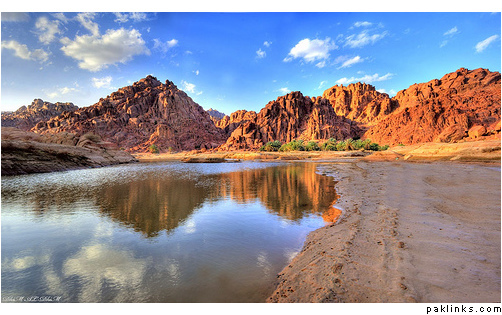
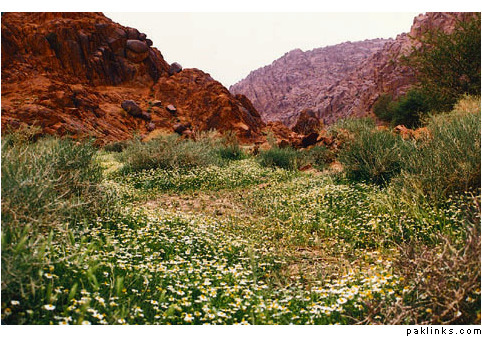
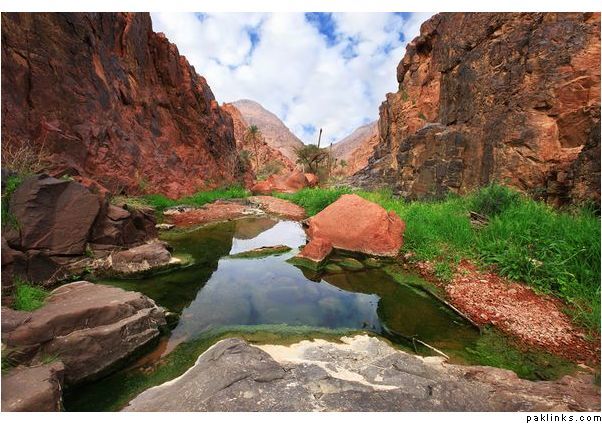
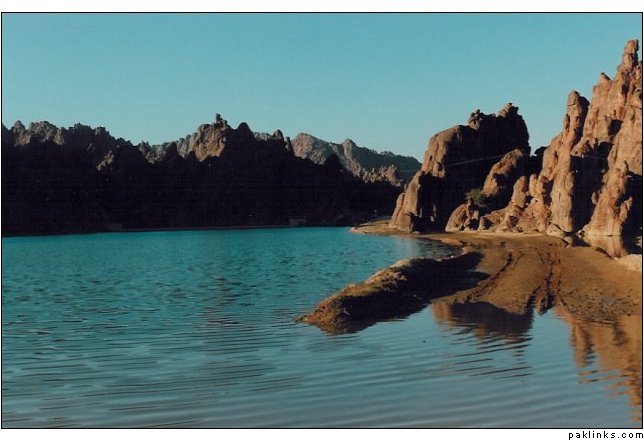
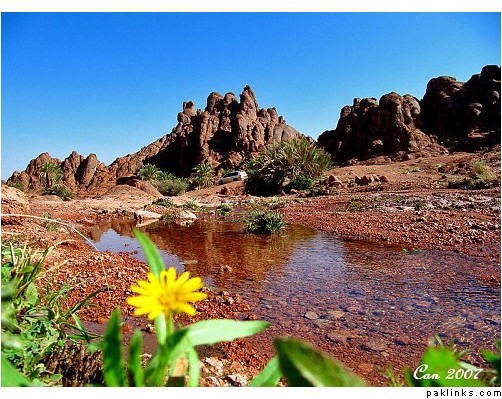
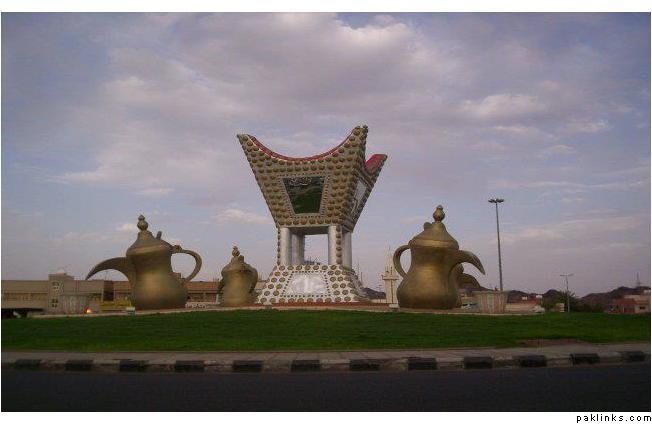
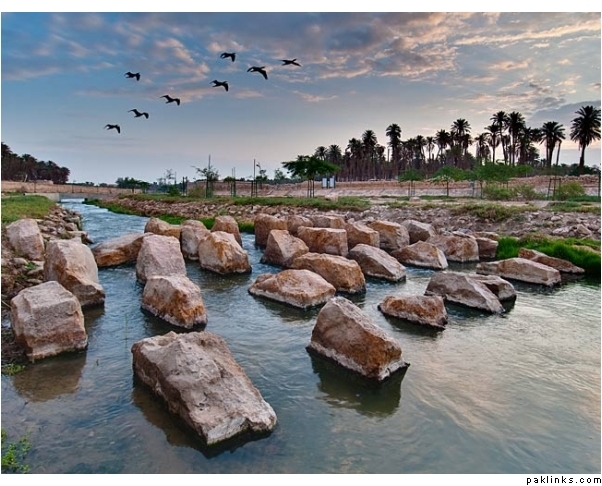
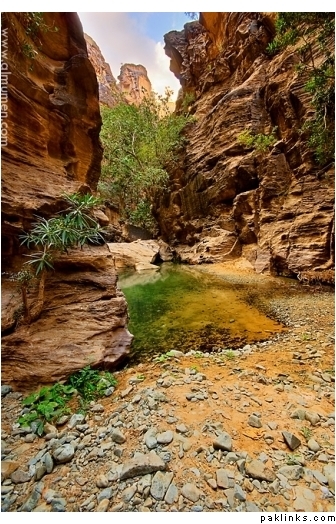
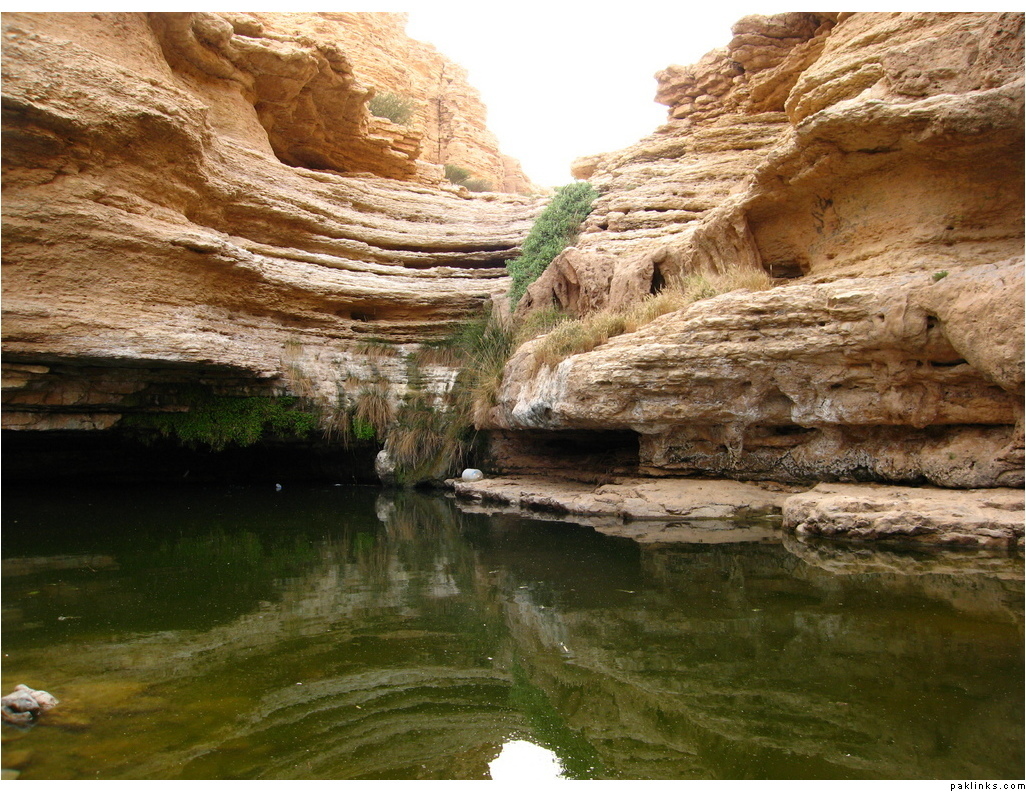
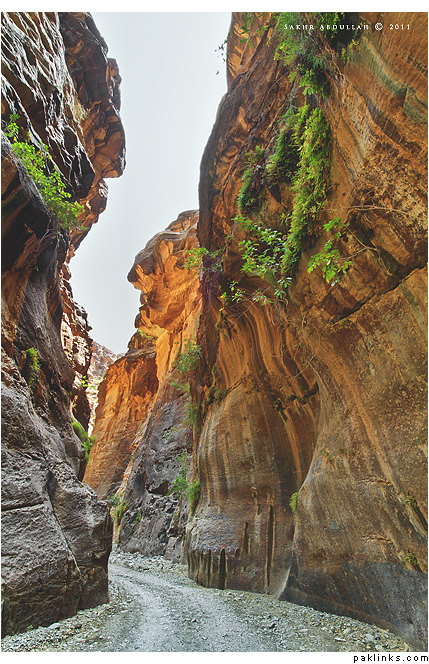
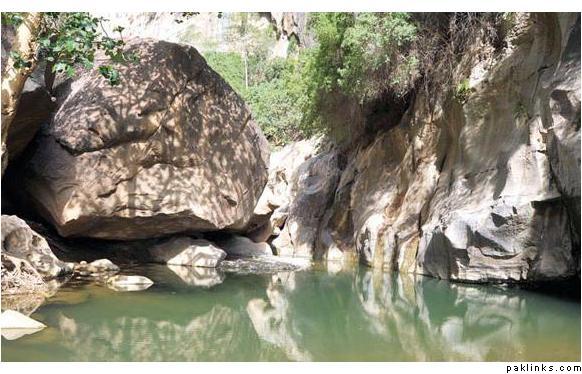
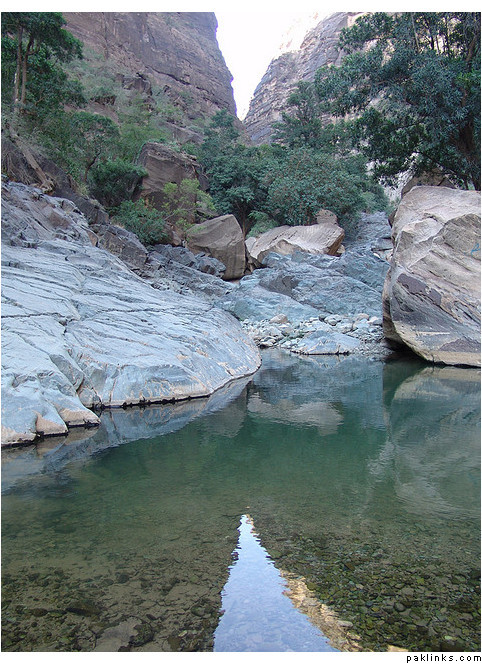
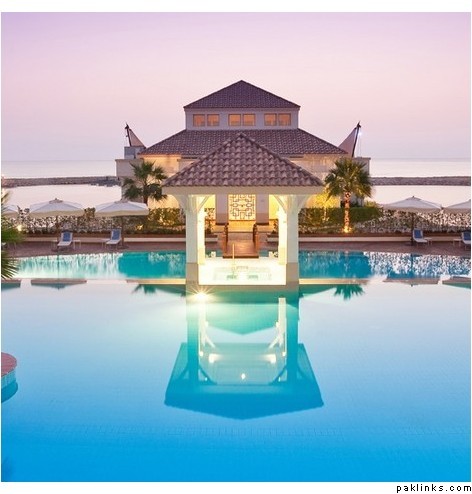
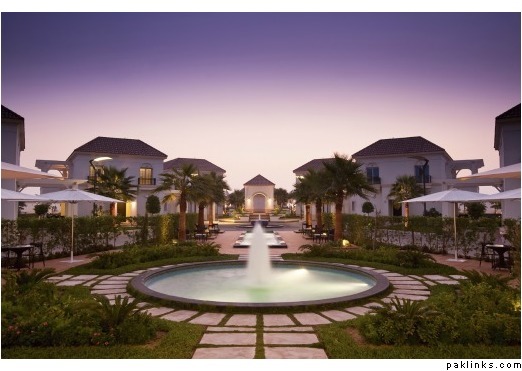
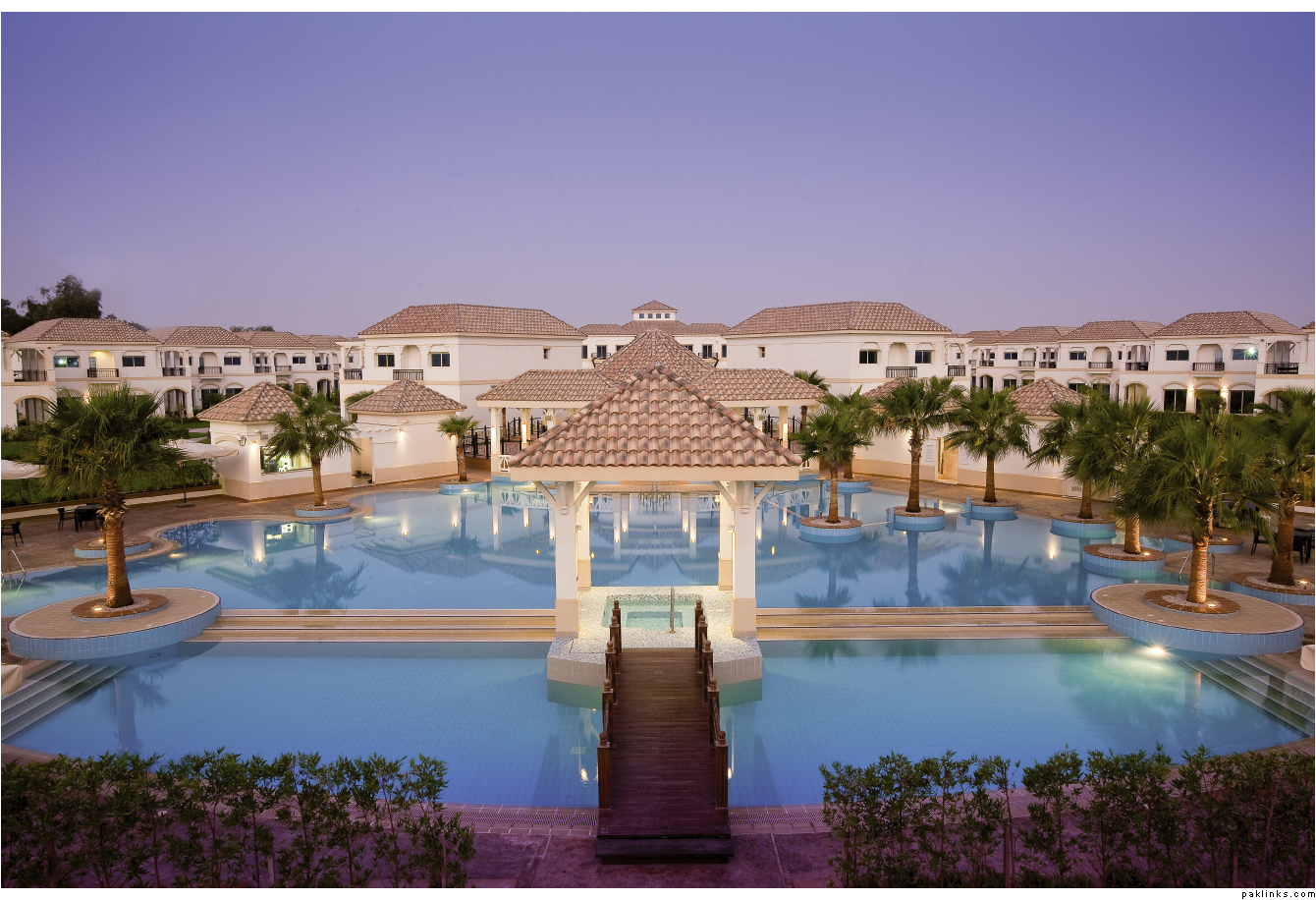
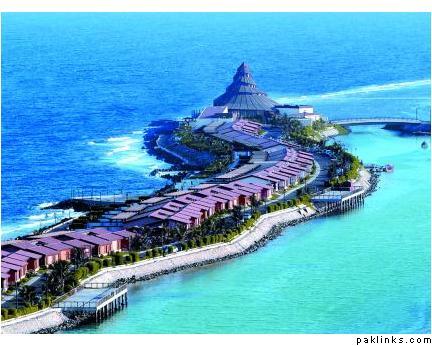
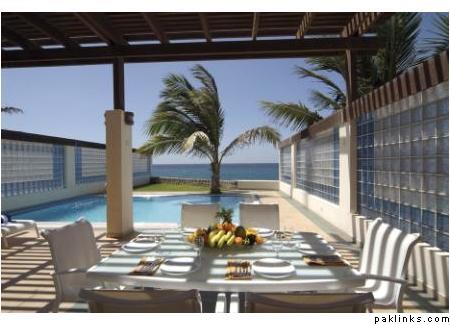
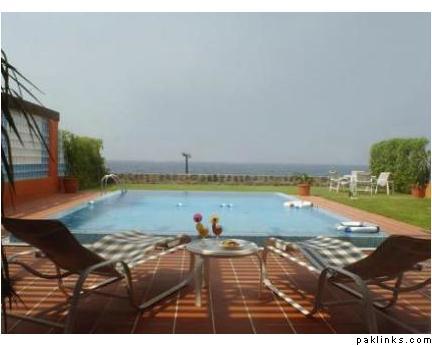
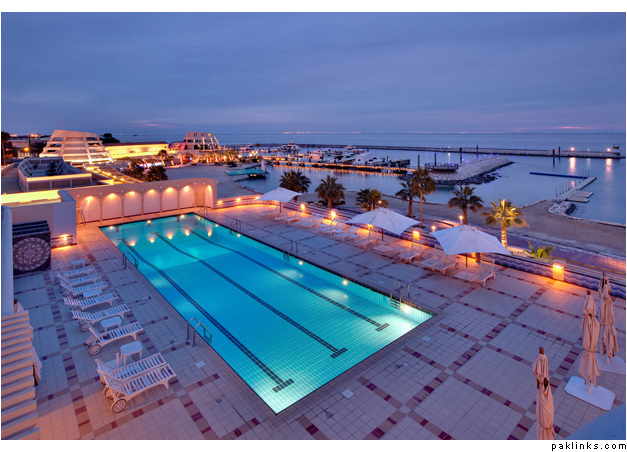
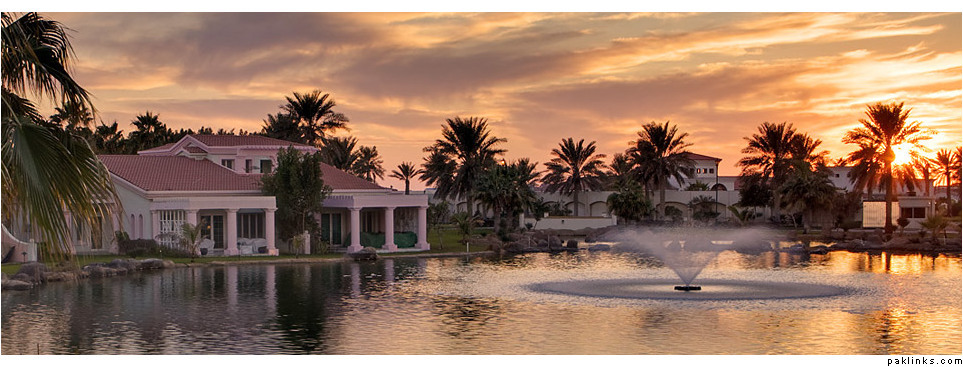
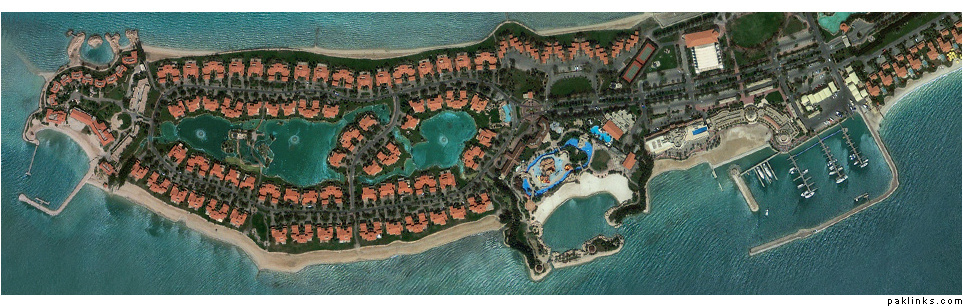
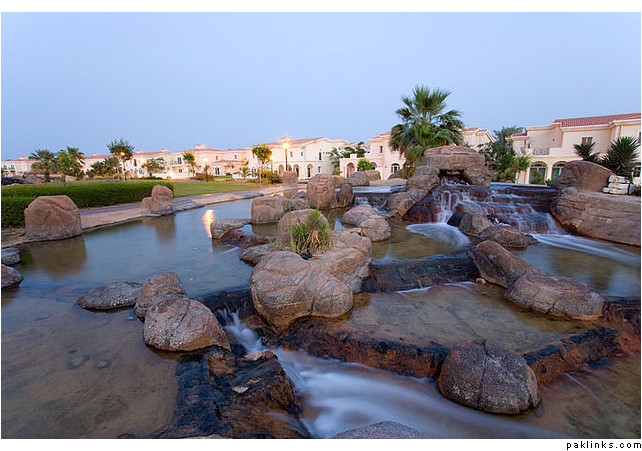
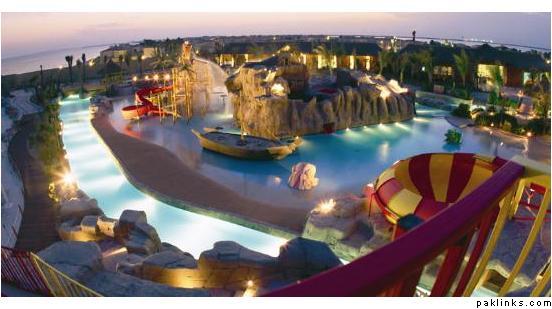
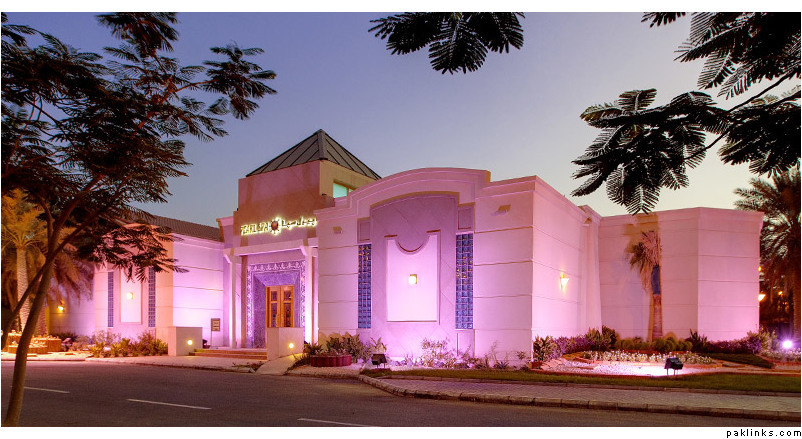
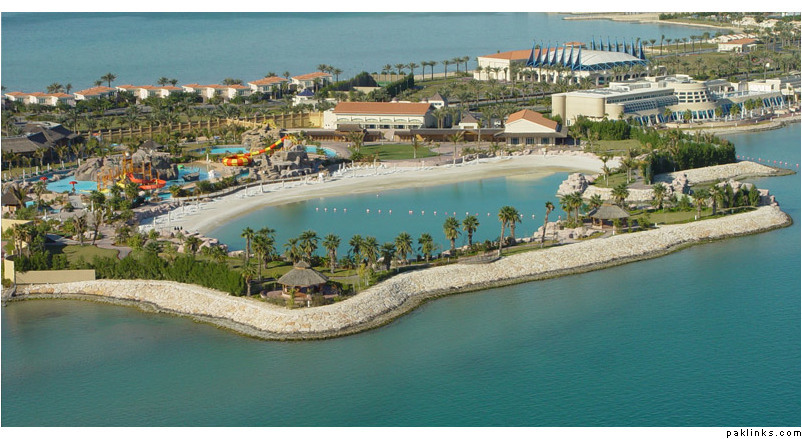
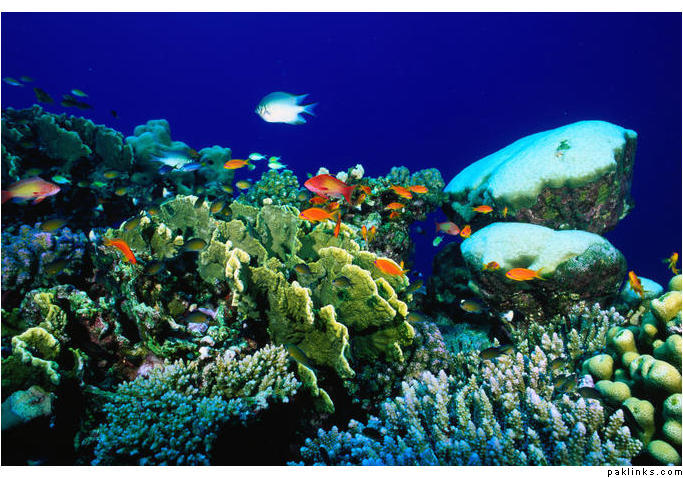
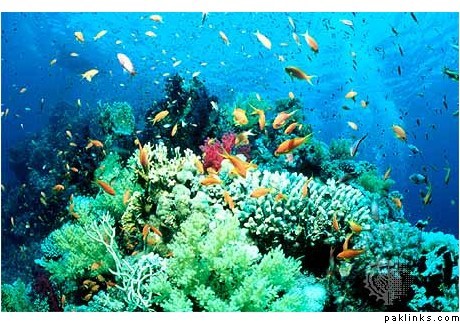
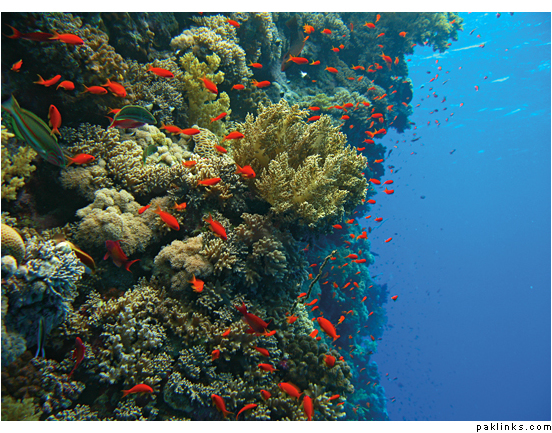
Saudi Arabia has much more to offer to the tourists than historic Islamic sites and museums. It’s home to beautiful valleys, mountain ranges, beaches, resorts and coral reefs. Pretty sure no one would have guessed the following pictures were taken in Saudi Arabia so I guess the tourism ministry needs to work on promotion.
Some of my favourite places that I’d like to visit one day:
Oh yes I forgot to mention nice sharing Huma! Movenpick resort n red sea corals are in Yanbu. Museum RiyadhNational Museum
Al-Muraba - King Abdul Aziz Historical Center, Riyadh 11481, Saudi Arabia
Website
The history of Islam is the major focus of this museum, which consists of 10 galleries, courtyards and a section that houses fancy cars and other belongings of the founding king of Saudi Arabia. « less
 wich part represets wht in the past,like the certain pillars,coridoors of Ashab e safa,the house of Hazrat Abu Bakr r.a),the door of the house of Hazrat Fatimah Zahra r.a),the window through wich Hazrat Jibrael a.s) used to come to Hazrat Muhammad