:salam2:
As received via email.
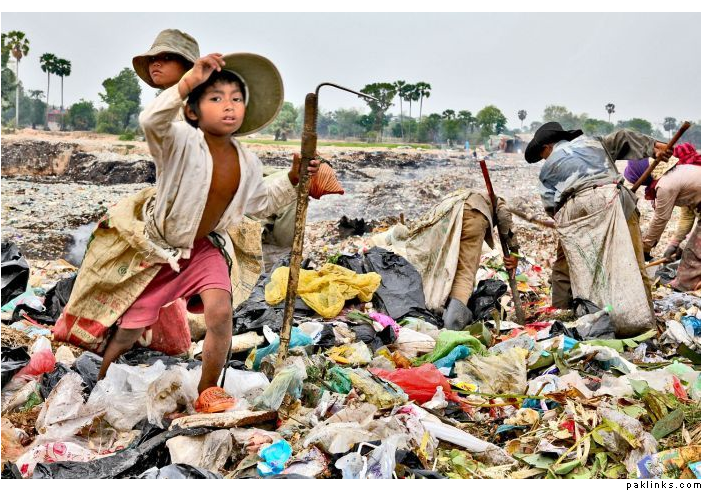
Just 30 kilometres from Cambodia’s world famous Angkor temples is an astounding sight tourists don’t see. Tucked away from foreign eyes on the outskirts of Siem Reap is a community of about 500 people who live - or survive - in a rubbish dump.
Spanish photojournalist Omar Havana spent seven months from October 2010 to April 2011 getting to know the people at the dump and documenting their lives.
He says what he saw was “from another world”, but that the people are happy.
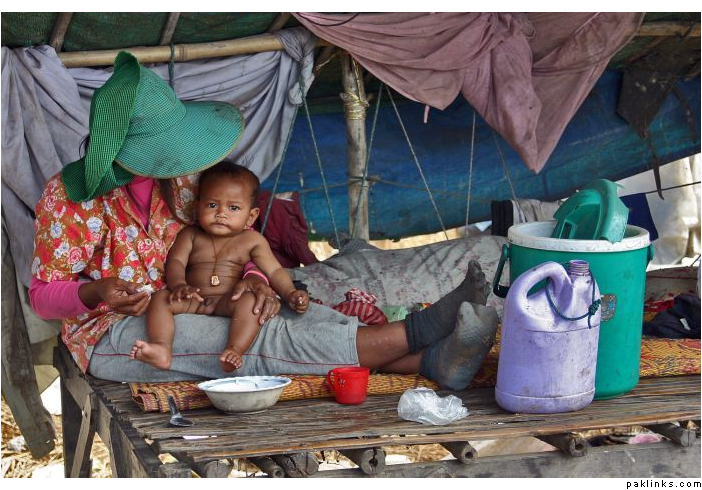
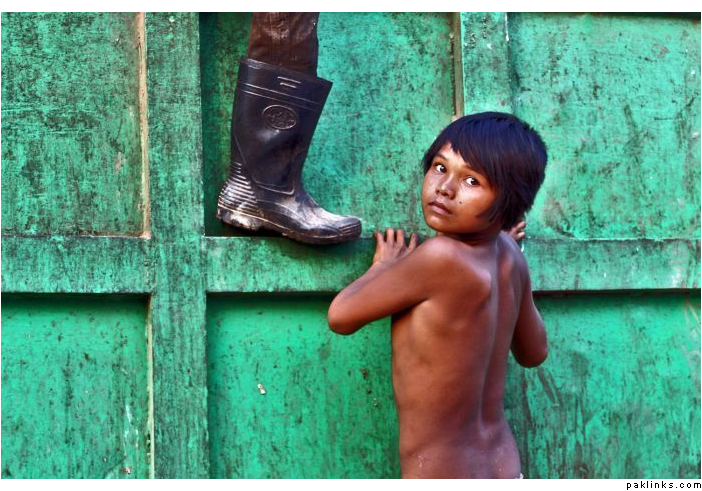
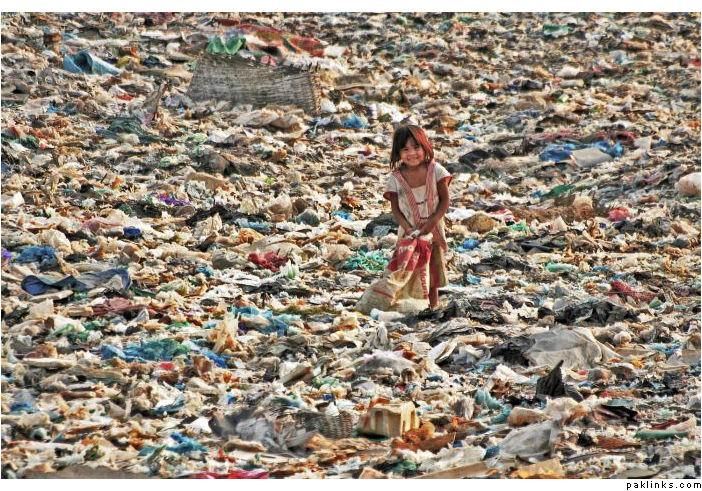
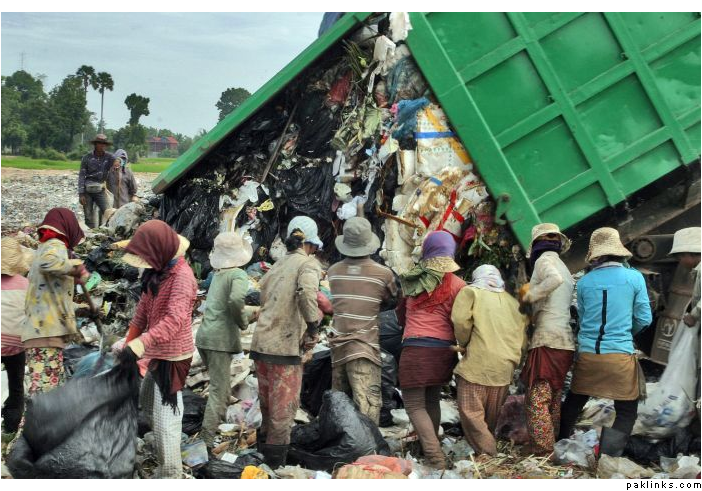
Here Havana shares his photos and stories with ABC News Online. Sifting for food at a Cambodian rubbish dump One day in Cambodia a boy told me he had been living for many years in the rubbish dumps. I tried hard to get permission to visit them but I didn’t, so I made the decision to go without permission. What I saw there was from another world. In total there are about 500 people working there, most of whom also live, sleep, eat and drink there. After working for several months in the dumps I even saw a child birth. A woman feeds a baby under a shelter at the dump With 34 per cent of the total population living on less than $1 a day, those in the dumps, at least they can find food and shelter. They earn about 35 cents per day for 14 hours’ work. A boy scales a bin in search of foodThey are nomads. They move from dump to dump when the one they’re at is full, normally every four years or so. Their whole life they are living in the dumps; they just move from one to another. A young girl smiles, surrounded by waste. They are normal people. Most of the little children are aged between three and 15 and they are always smiling - that was what shocked me most.The smell is so strong that it gets into your throat. You can taste the smell. Your eyes become full of tears. It is awful, but with time you get used to it.
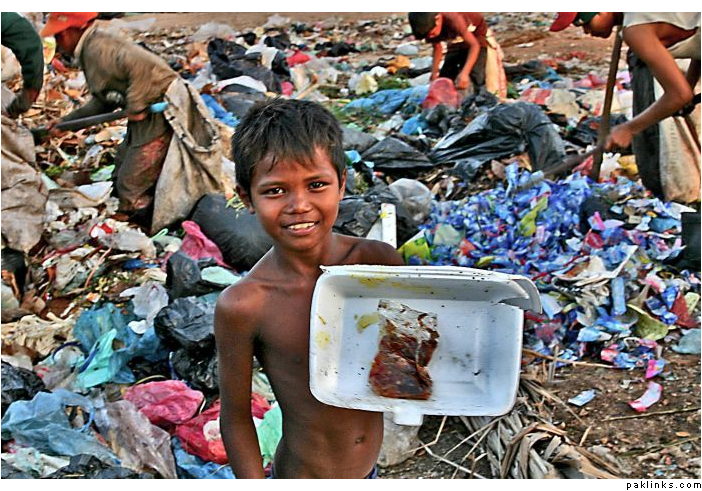
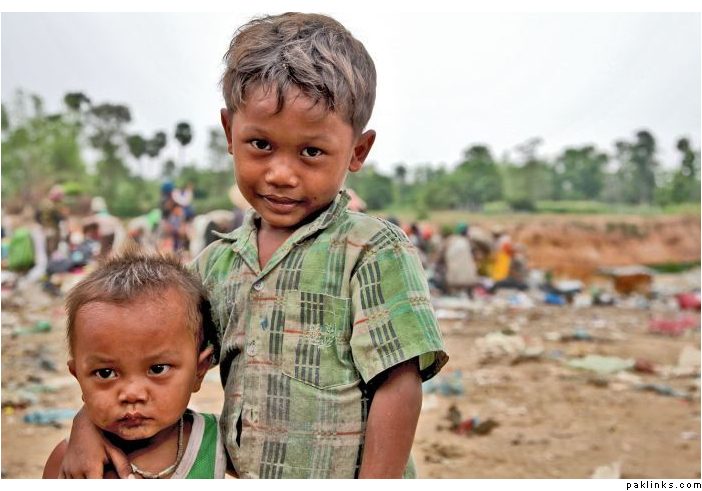
People scrounge for food as fresh waste arrives. One day a little boy carrying a bag of blood asked me why the people in my country never smile. I didn’t know what to answer. While he looked at the blood he was carrying as a treasure to eat, he explained to me ‘I smile all the time, I’m lucky. Today I’m going to eat this and tomorrow I will see the sun again’. A boy shows off his find. They seem immune from the rubbish. Normal sickness is rare; more common is diarrhoea and stomach illness or colds. Something very common there is to suffer cuts and bruises, as most of the children are barefoot in the middle of tonnes of rubbish. Two young friends embrace. Basically the dump is their shopping centre. Everything that they need to survive comes from the dump. They always tell me that they are lucky if they find bananas because they are clean under the skin.