After reading all this  what comes up in your min****d
 , what science says
1. Qattara Depression
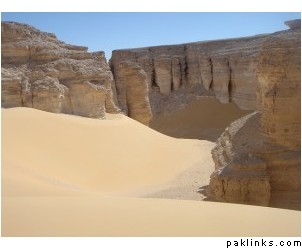
The vast Qattara west of Cairo, Egypt is the largest natural sinkhole in the world, measuring 80km long by 120km wide. This dangerous, sludge-filled quicksand pit is unearthly in its appearance and shocking in its size.
The 133m deep sinkhole has been used in battle and more recently scientists have attempted to develop a $360 million dollar project that would harness the Qattara for complete energy independence. The plan would require digging a ditch from the edge of Qattara to the Mediterranean and allowing the sink to slowly fill with water via a tunnel. Eventually (at least 160 years in the future) the new lake would rival Lake Eerie’s size; at that point the heat of the desert would evaporate additional water flow. They’re pretty sure it would, anyway. Egypt is home to a number of desert sinkholes. The almost incomprehensibly vast Qattara hole is 100% natural – the product of fierce winds tearing into the slimy salt beds right down to the water table. (Note: click the Google Maps link to zoom. The minty-green area is Qattara.)
http://webecoist.com/wp-content/uploads/2008/08/berezniki.jpg
2. Berezniki
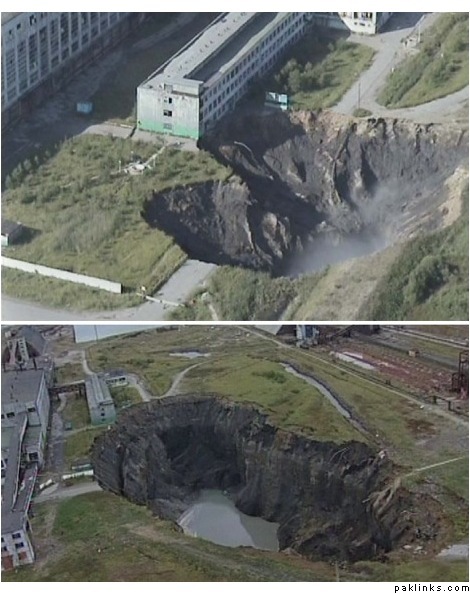
In Soviet Russia, the ground moves you. Berezniki’s sinkhole began in 1986 and just grows worse with each passing year. It’s unstoppable. Currently it’s over 200m deep, 80m long and 40m wide. In case you’re thinking “Berezniki? Who cares?” you should know that 10% of the world output of potash comes from this area, and the sinkhole is very close to destroying the mine’s sole rail line.
http://webecoist.com/wp-content/uploads/2008/08/guatemala-sink.jpg
**
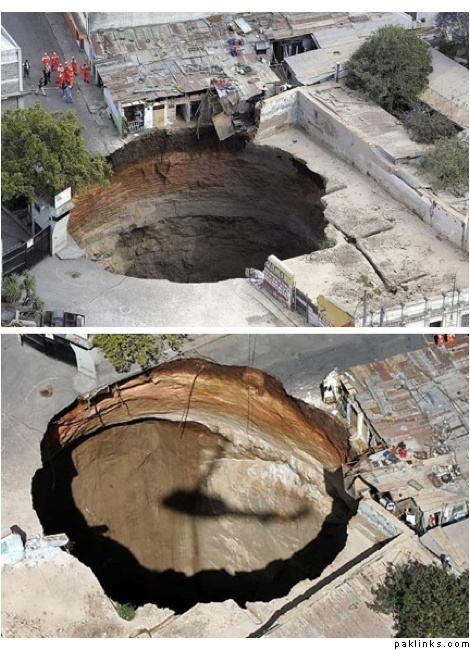
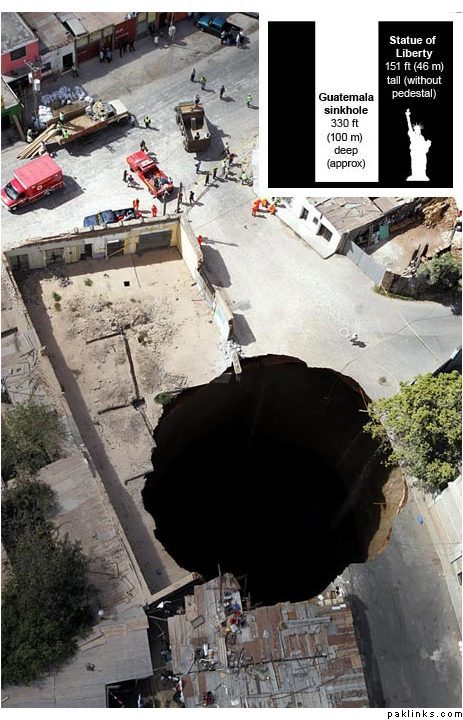
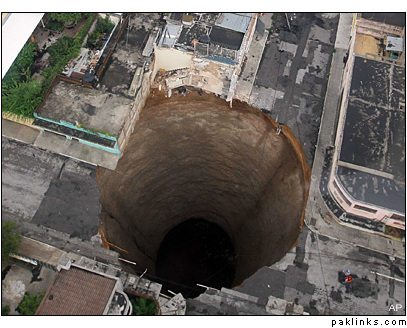
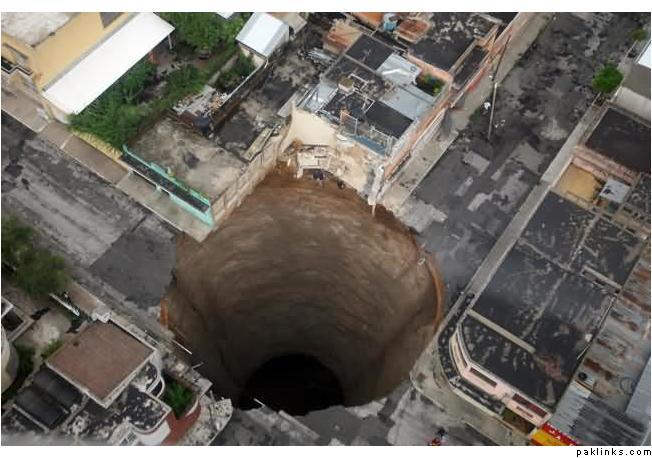
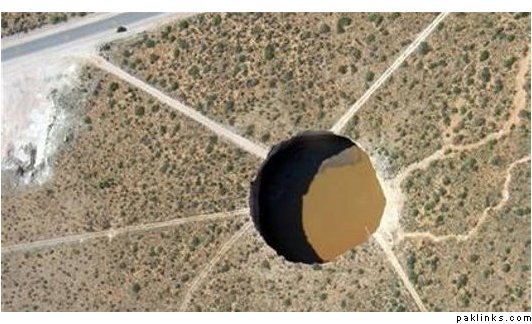
3. Guatemala City**Residents of a Guatemala City heard strange rumblings for weeks but weren’t sure what was happening beneath them. Then, in late February 2007, a near-perfect circle of earth dropped some 30 stories almost instantly. It’s amazing how neat the hole is. Two people died and over 1,000 had to be evacuated; the sinkhole resulted from a corroded sewage system deep beneath the surface (apparently the odor coming from the hole was intolerable).
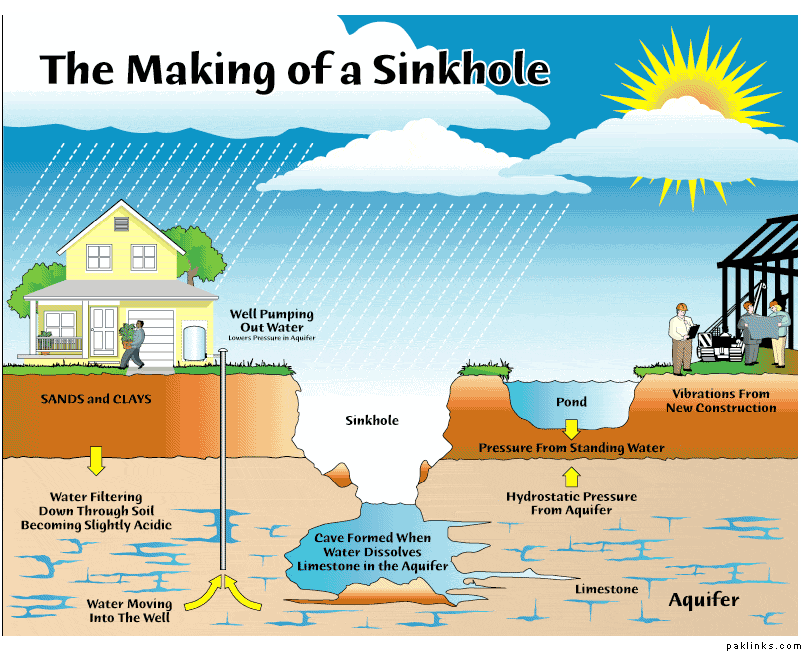
Sinkholes are caused by changing geological conditions or by a failure to maintain aging underground pipes and sewage systems, but the common factor in both is usually water. Ground underlain with carbonate bedrock – limestone for example – is most prone to sinking because the bedrock erodes with repeated exposure to water. The rock corrodes and the sediment swells with water and eventually everything reaches a critical mass point.
http://webecoist.com/wp-content/uploads/2008/08/sari.jpg
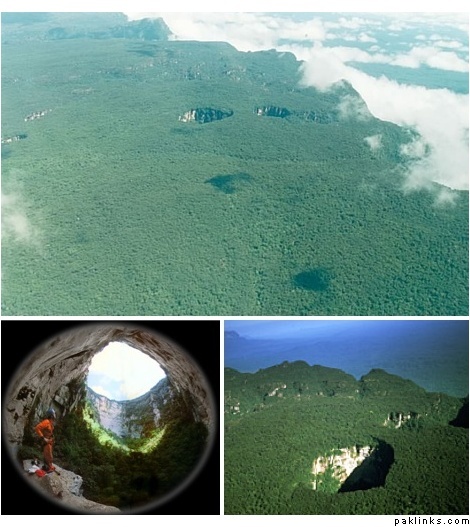
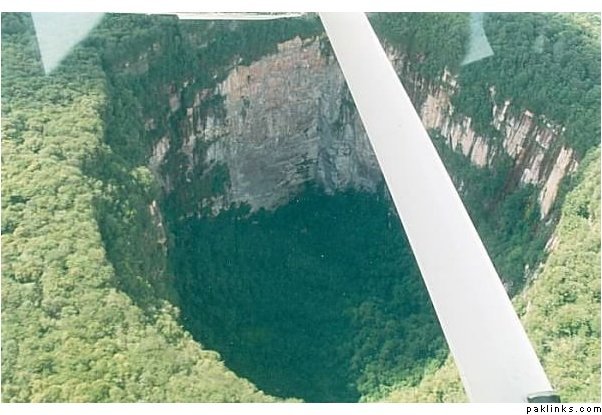
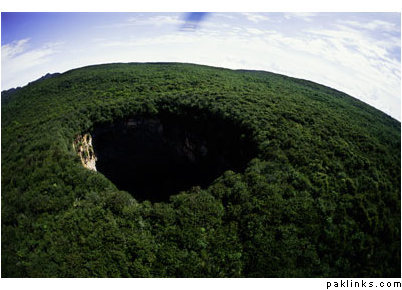
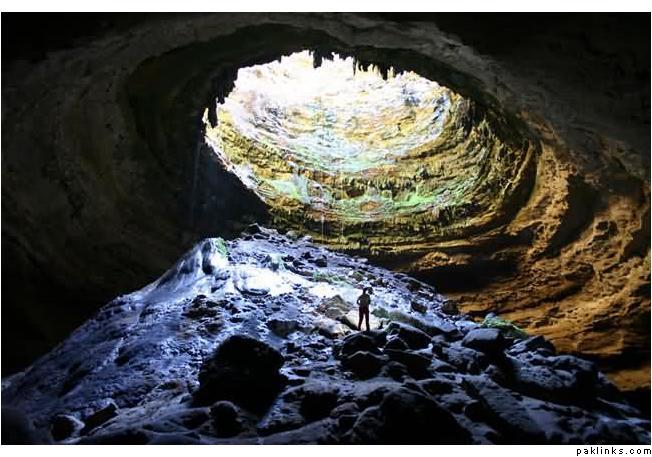
** 4. Sarisarinama**The Sarisarinama holes of Venezuela are a mysterious and beautiful natural wonder. There are several of these perfectly round basins that are each 350m in diameter and over 350m deep. Scientists aren’t sure how these stunning sink holes originated, but they are awe-inspiring nonetheless; each hole contains unique ecosystems with many distinct plant and animal species found nowhere else on earth. You can view video footage of a flight over the largest hole here.
http://webecoist.com/wp-content/uploads/2008/08/bimmah.jpg
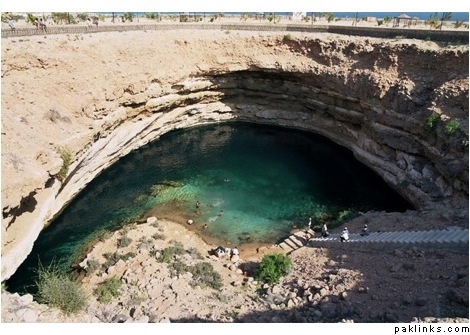
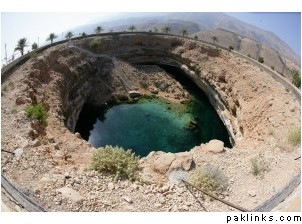
5. Bimmah
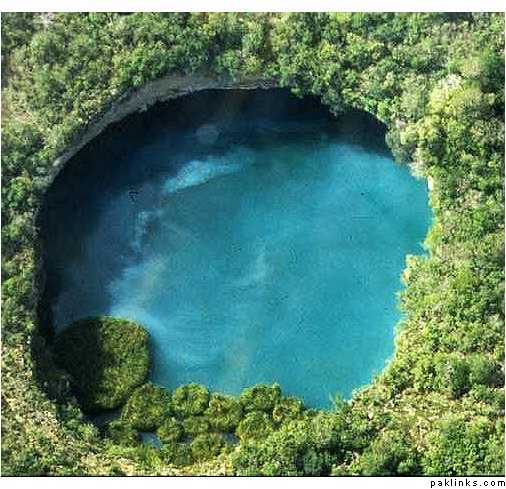
Making the most of one of nature’s great oddities, the residents of Bimmah, Oman turned this sinkhole into a tourist trap. (Well actually, a swim park.)
http://webecoist.com/wp-content/uploads/2008/08/mtgambier.jpg
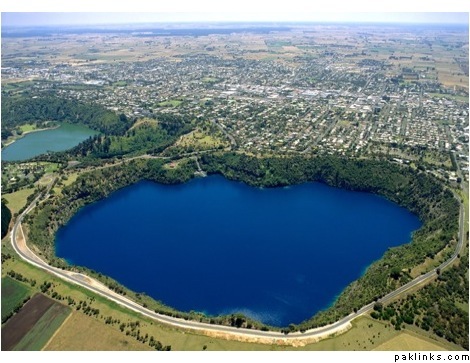
6. Mount Gambier
Known as the city of craters, Mount Gambier (between Adelaide and Melbourne in South East Australia) has all manner of water channels, caves and caverns beneath its residential crust. Perching atop limestone, the city has both volcanic craters and naturally-occurring sinkholes that have filled with water. It’s really quite beautiful.
http://webecoist.com/wp-content/uploads/2008/08/sink.jpg
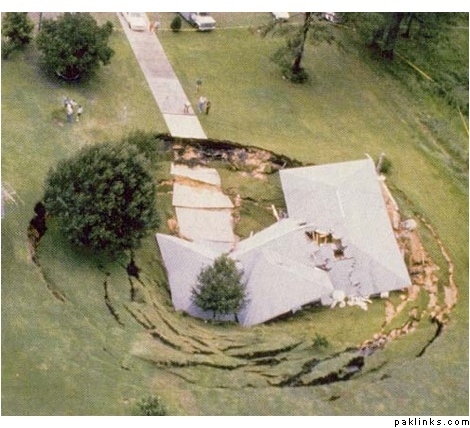
7. Unidentified Unfortunate House
Steve Kluge has cataloged a impressive list of geological and disaster-related photographs; you wouldn’t want to own this unlucky Florida house. (Sinkholes are a well-known and persistent problem in Florida. It’s not just floods and hurricanes.)
http://webecoist.com/wp-content/uploads/2008/08/sinkhole-agrico.jpg
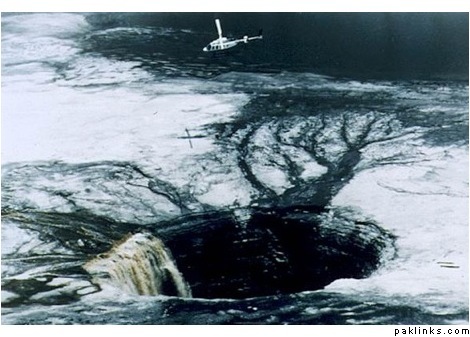
8. Agrico Gypsum Stack
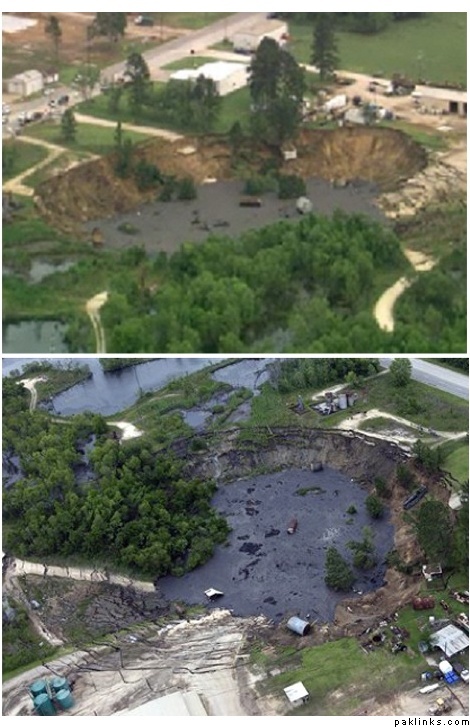
Florida is plagued by sinkhole erosion, but this disaster in 1994 was one of the most devastating by far. A 15-story sinkhole tore open right beneath an 80-million-ton pile of gypsum stack (toxic industrial waste). The hazardous soup contaminated 90% of Florida’s drinking water and cleanup efforts ran into the millions of dollars. The 2 million cubic foot hole soon was nicknamed the “Journey to the Center of the Earth”, as if to indicate that it was the newest Disney World attraction.
http://webecoist.com/wp-content/uploads/2008/08/florida-sink.jpg
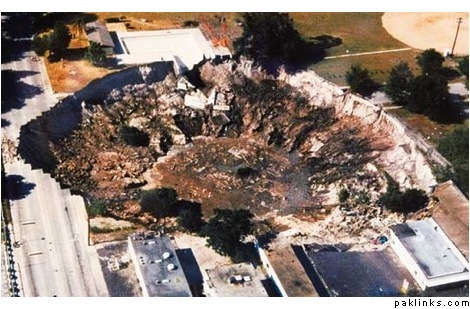
9. South Florida
The karst (a type of bedrock) in this urbanized Southern Florida area weakened to the point of collapse and this sizable sinkhole was the result.
http://webecoist.com/wp-content/uploads/2008/08/devils-sinkhole-double.jpg
](http://webecoist.com/wp-content/uploads/2008/08/devils.jpg)
Images
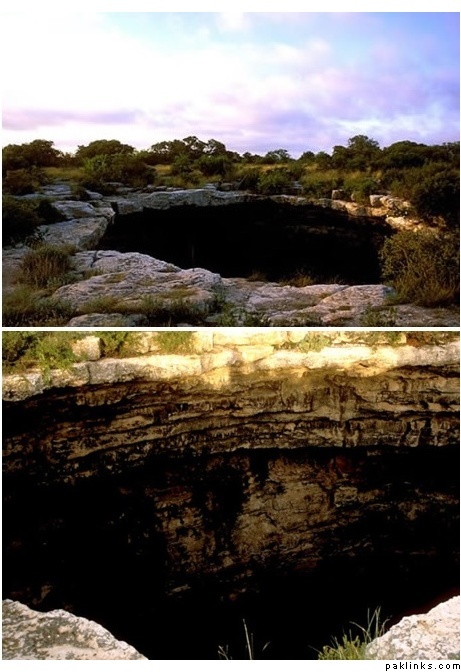
10. The Devil’s Sinkhole
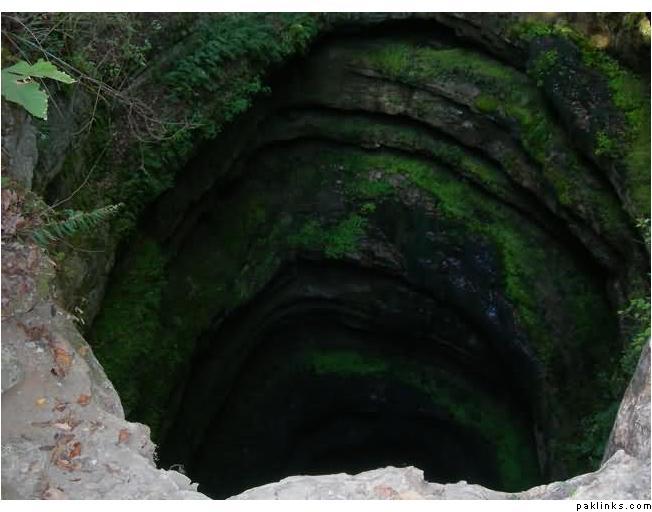
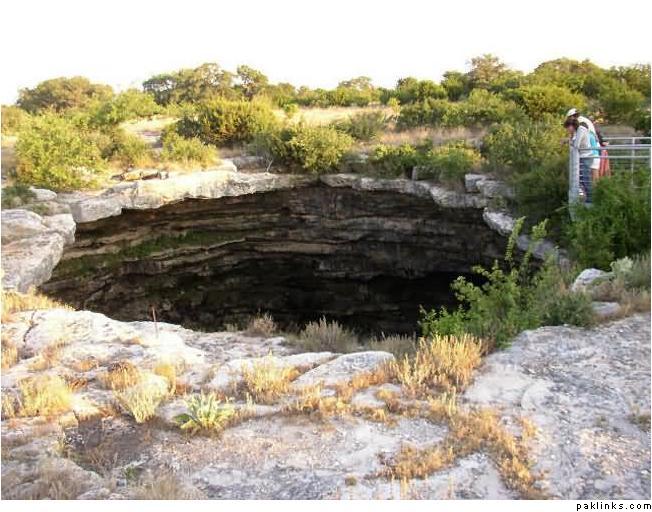
Plunging a frightening 400 feet is the cavernous Devil’s Sinkhole in Texas. The limestone wonder has a 40′x60′ opening and there is archaeological evidence that the sinkhole was considered sacred by Native Americans. Locals are known to collect arrowheads, stalactites and other treasures from the sinkhole. Random trivia: a sinkhole may also be referred to as a swallet, cenote, or doline.
http://webecoist.com/wp-content/uploads/2008/08/mac.jpg
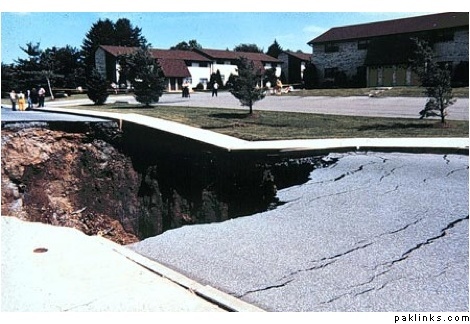
** 11. Macungie**A moderate level of water actually helps to “secure” the ground beneath our feet – otherwise we wouldn’t be able to build as the ground would simply sweep away – but if the sediment becomes waterlogged a sinkhole may strike. Though nature’s ancient sinkholes are stunning, human-caused sinks are just disastrous. The Macungie sink in Pennsylvania, above, gave Florida a run for its money. (Pennsylvania’s water system is aging, so sinkholes are becoming increasingly common.)
http://webecoist.com/wp-content/uploads/2008/08/daisetta.jpg
12. Daisetta
In Daisetta, Texas just a few months ago, what started as a small 20-foot sinkhole in a residential neighborhood spread to over 900 feet within a day, consuming telephone poles, structures and vehicles as it grew. Authorities had been checking on the oil and natural gas lines as they suspected leakage. Oil field equipment nearby toppled into the pit, creating a sludge of oil and mud that came very close to destroying several homes.
http://webecoist.com/wp-content/uploads/2008/08/kentucky.jpg
Images: Don Davis, Local Pilot
13. Bowling Green
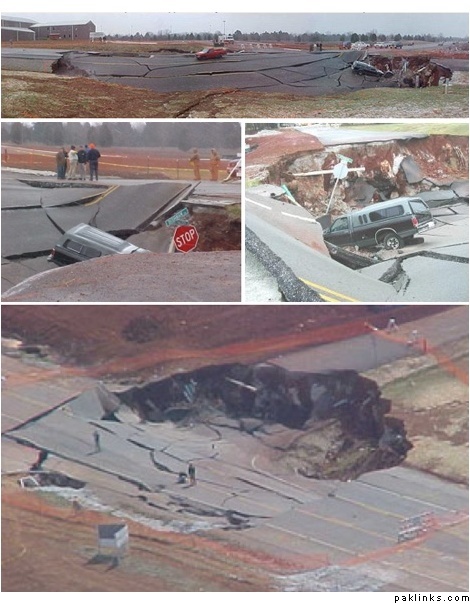
Plans for the Kentucky Trimodal Transpark were quickly abandoned when this massive 200-foot sinkhole in Bowling Green, Kentucky ripped open. Unfortunately this region is dotted with naturally-occurring, numerous underground sinks that could open at any time, making development very risky in the entire area.
Source
13 of the Biggest, Strangest, and Most Devastating Sinkholes on Earth | WebEcoist
 is that all that comes in your mind