Re: Pre-Partition Pics of Peshawar..
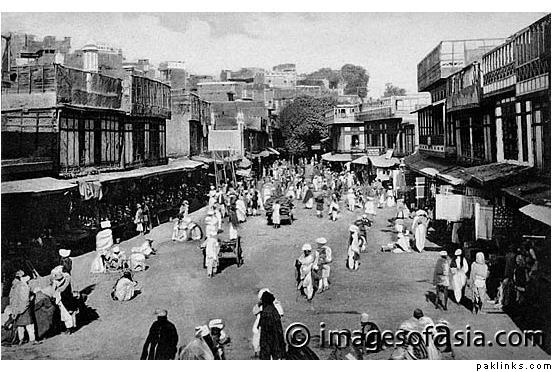
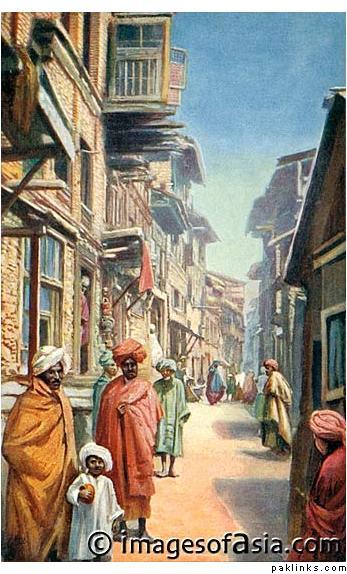
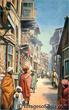
1910 - Native Street Scene N.W. India
This image is probably of Peshawar.
A Native Village Street. Although many buildings in India are solid, substantial structures of considerable architectural interest, most of the villages and towns are made up of houses built entirely of wood. This is especially so in districts where wood is plentiful, and in such cases considerable risk is run of total destruction by fire - a by no means an unusual event.
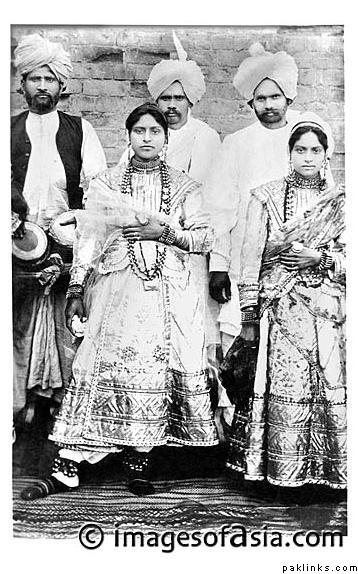
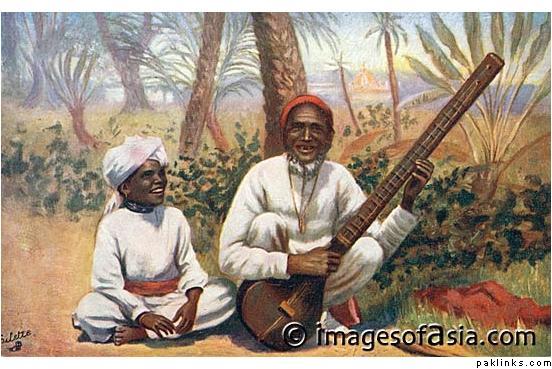
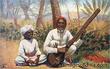
1910 - A Native Musician
Musicians play important roles at religious, wedding, harvest and other functions.
A Native Musician in Peshawar, a town and district in the Punjab province near the entrance to the Khyber Pass. These native musicians are a feature of India, wandering at their will about the country, subsisting on their scanty earnings, and being welcome guests everywhere, especially in remote districts, where anything to vary the monotony of life is cordially welcomed.
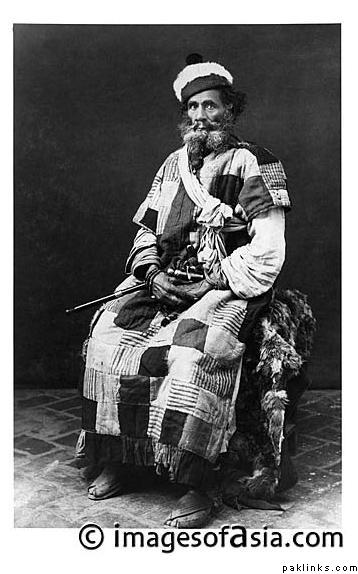
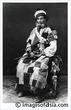
1930 - A Mhamadan [Mohammadan] Mullah
The word Mullah owes its origin to the Arabic “mawla”, or “guardian”
A mullah is the Muslim equivalent of a priest or religious authority and guide. In villages, a mullah often serves as a religious cleric and was often the primary school teacher, especially in the North West Frontier Province where this mullah had his home.
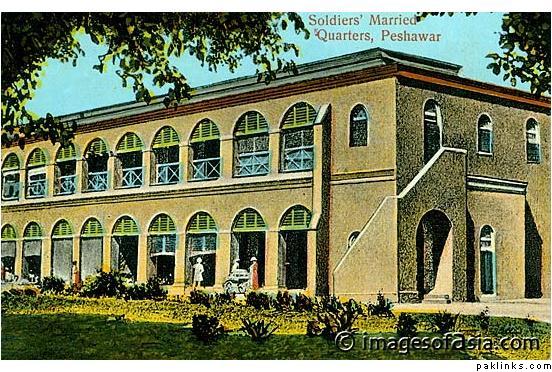
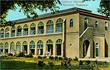
1910 - Soldiers’ Married Quarters
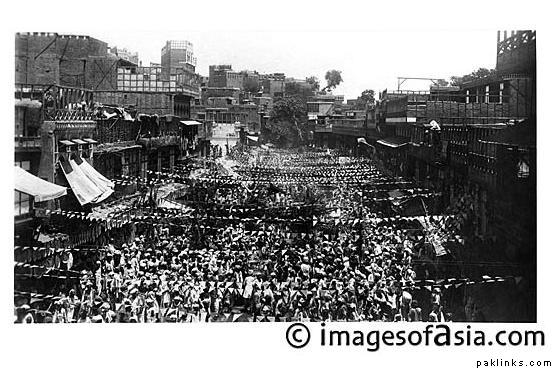
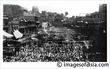
1920 - Mahajrins going to Kabul
Muslims assembling for flight to Kabul during the Khilafat Movement.
This rare image, probably taken in the summer of 1920, was taken during the height of the Khilafat Movement against British rule. In the wake of Gandhi’s First Non-Cooperation Movement launched in 1919, and the Muslim Khilafat Movement led by the Ali Brothers that also demanded immediate freedom from British occupation, a number of Muslims in the Frontier province decided that they could no longer live under colonial rule. Under the leadership of Khan Abdul Ghaffar Khan (The “Frontier Gandhi”), the Haji of Turangzai and others, they gathered in Peshawar for a move to Afghanistan.
As it turned out, the thousands of refugees from British India who descended on the Kingdom of Afghanistan put tremendous strain on the infrastructure and hospitality of the Afghans; most returned in disappointment over the next year or two. Many played important roles in the Independence struggle which finally led to freedom from Britain in 1947.
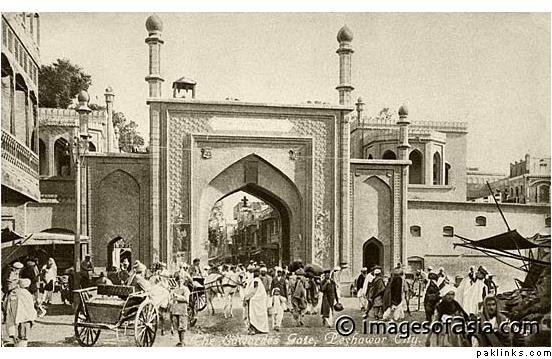
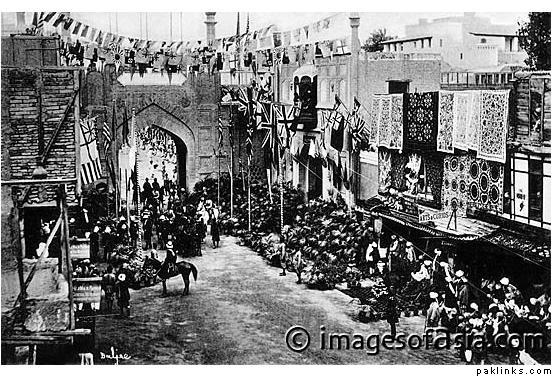
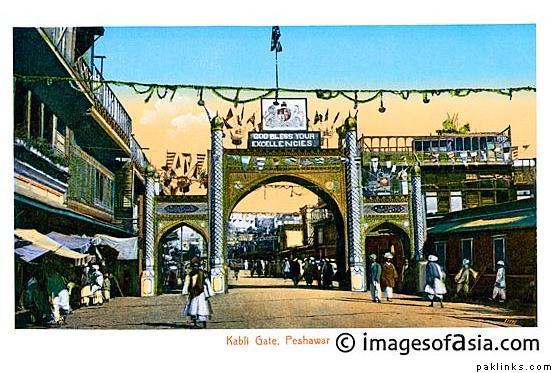
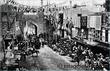
1910 - Kabli Gate
Decorations in honor of Sir George Roos-Keppel’s visit
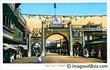
The Kabli Gate, is also called Kabuli Gate, is named for the city in Afghanistan it faces and which has long been one of its major trading partners (similarly, Lahori Gate in Delhi faces Lahore and so on). This gate had two turrets on each sides and five ramparts from where arrows and guns could be fired during battle. There was a stepped wall, called Baoli in the local parlance, close to this gate.
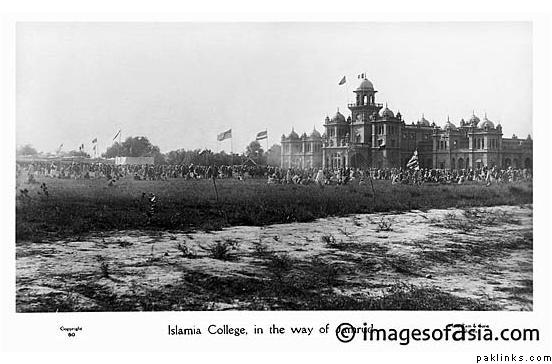
George Roos-Keppel was one of the most important colonial administrators of what became the North-West Frontier Province of British India. He more or less ruled the area from 1909 to 1919 and served in districts bordering Afghanistan for many years beforehand. He was also one of the founders of Islamia College in Peshawar, and an expert in the Pushto language.
1910 - Kabli Gate
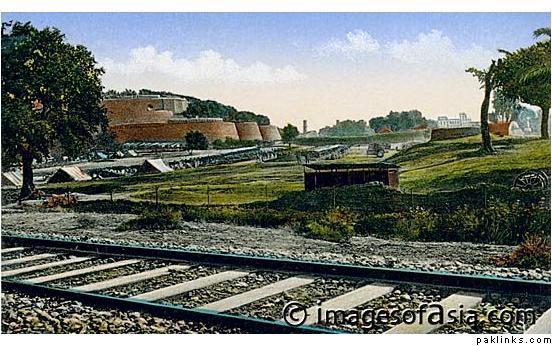
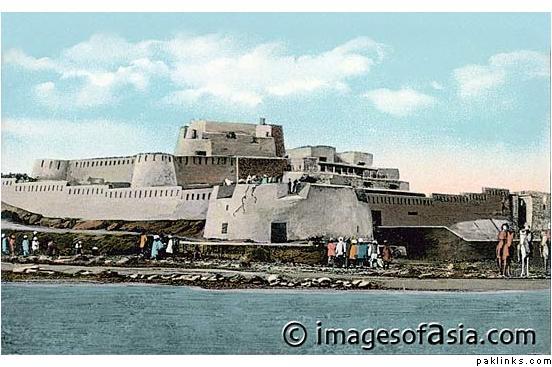
1910 - Jamrud Fort, 10 Miles out of Peshawar
Jamrud Fort lies at the entrance to the Khyber Pass.
Jamrud fort was built by the great military commander of Ranjit Singh, Hari Singh Nalwa. Jamrud is popular for the battles that were fought there, particularly the siege of the fort by the Afghan ruler Dosh Muhammad Khan in 1837 in the Battle of Jamrud. The battle claimed the life of Hari Singh Nalwa but the Afghans were not able to drive the Sikhs from the fort. The British used the fort as the base for their three major wars in Afghanistan, and countless Frontier campaigns during the 19th and early 20th centuries.
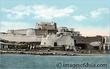
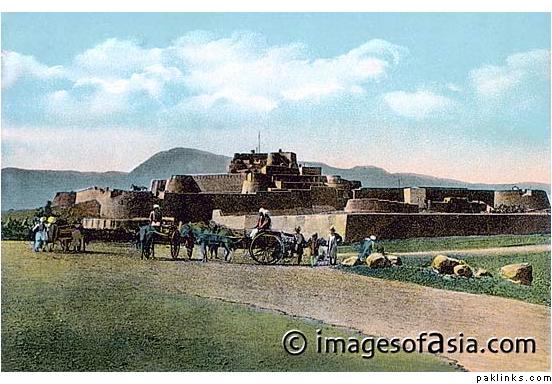
1910 - Jamrud Fort
Built by Hari Singh Nalwa, the Commander-in-Chief of Maharaja Ranjit Singh’s army.
Popularly known as the fort where its builder and founder the Sikh commander Hari Singh Nalwa breathed his last, it was witness to numerous battles between the Afghans and the Sikhs during the latter’s conquest and rule of the province in the early 19th century.
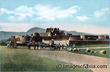
1913 - Islamia College
An image likely to be from the opening ceremonies for Islamia College.