Welcome to the graveyards of Hyderabad
After life | ePaper | DAWN.COM
How lack of space for dead ones have been dealt in different societies? Is burning of the dead bodies a solution?
Welcome to the graveyards of Hyderabad
After life | ePaper | DAWN.COM
How lack of space for dead ones have been dealt in different societies? Is burning of the dead bodies a solution?
Re: No space for dead
^The Sedlec Ossuary (often called “the bone chapel”) in Prague is a rather creative solution for lack of space for the dead. The chapel contains the skeletal remains of 40,000 people. The bones are arranged in a manner that they make up the decorations and furnishings for the chapel:
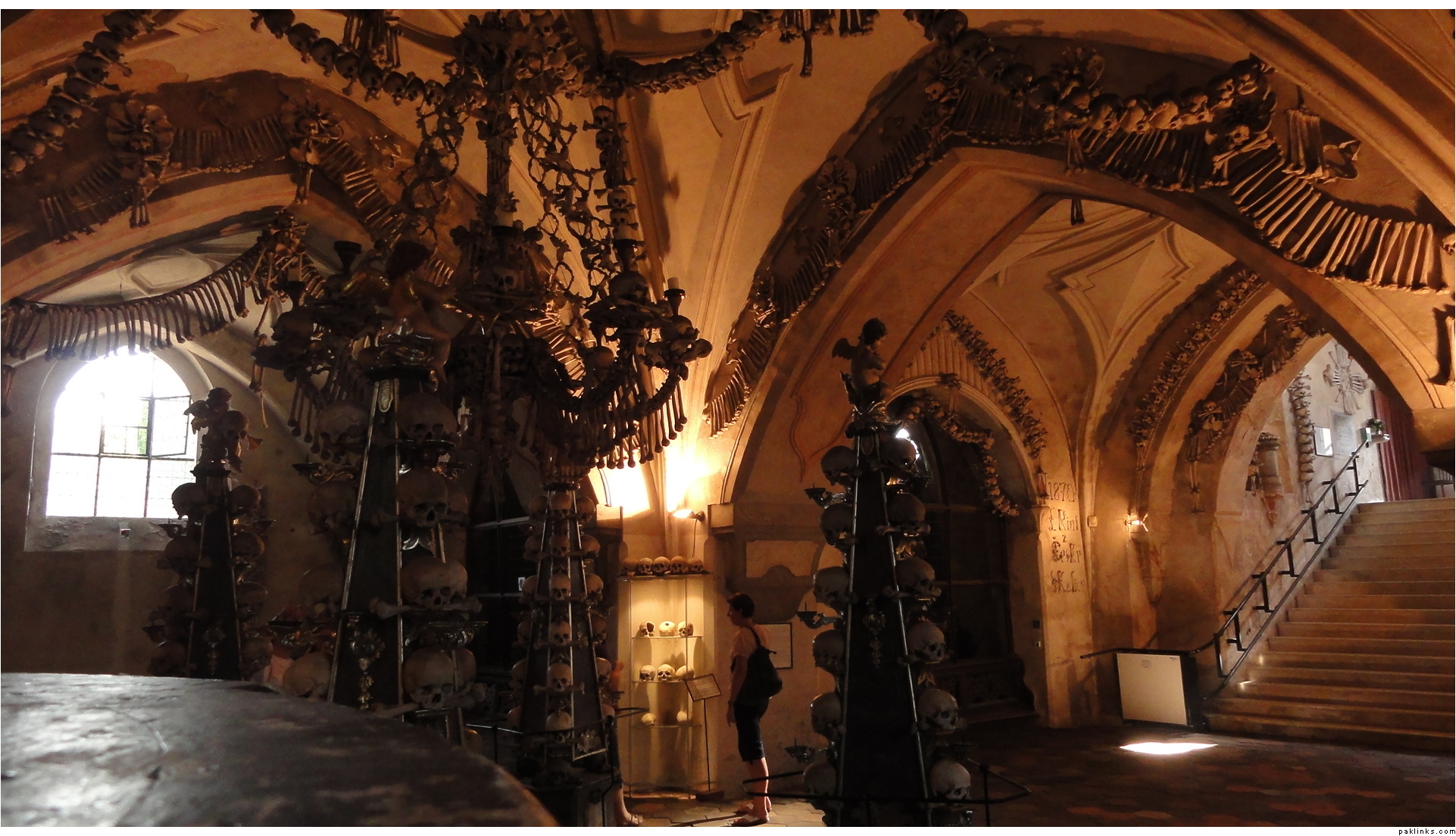
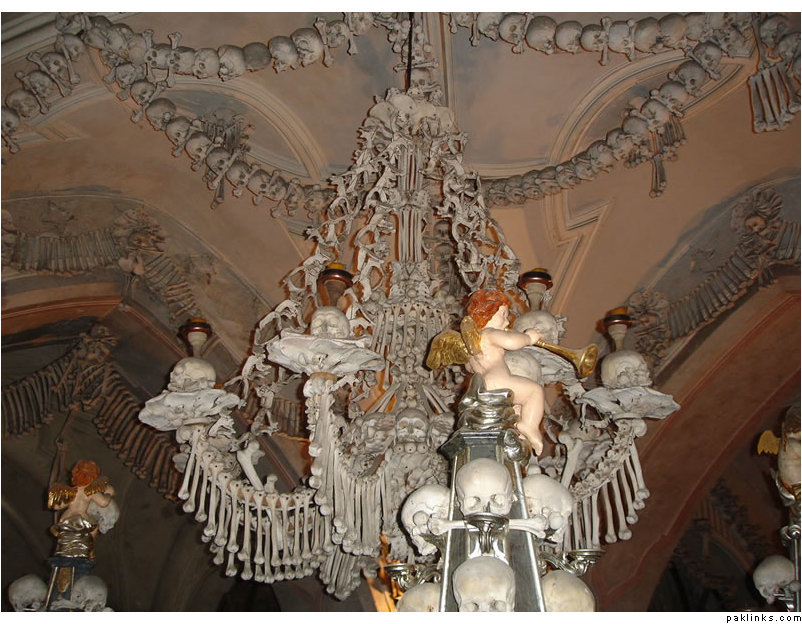
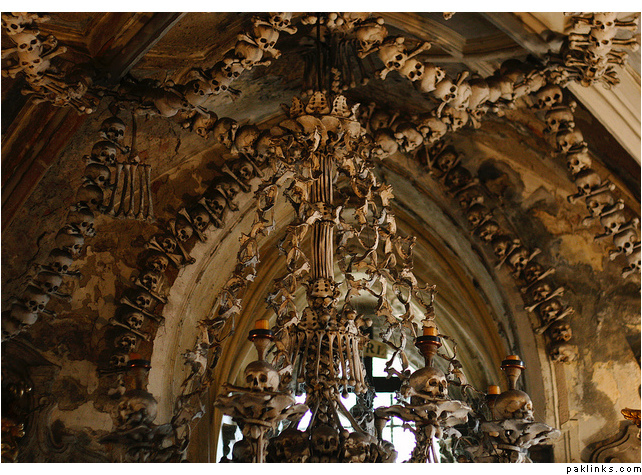
Many of the bones date from the 15th century when the bubonic plague ravaged Europe and resulted in thousands of corpses that had to be quickly disposed (to avoid further spreading the plague).
Re: No space for dead
Interesting but do you think solution like this will be accepted in all societies considering cultural and religious factors?
Re: No space for dead
^I don’t think that this solution would be appropriate or accepted in all societies, particularly in modern times. Interestingly though, the Sedlec Ossuary isn’t the only chapel of its kind. There are various others around the world.
Re: No space for dead
There are several churches which utilise bones throughout Europe. Interestingly, the idea of using bones as to construct the furnishings in chapels came about during the 14th and 15th centuries when Europe was devastated by the bubonic plague (often called “the black death”) as method to dispose of the thousands of bodies of plague victims.
Other churches made of bones:
San Bernardino alle Ossa in Milan, Italy
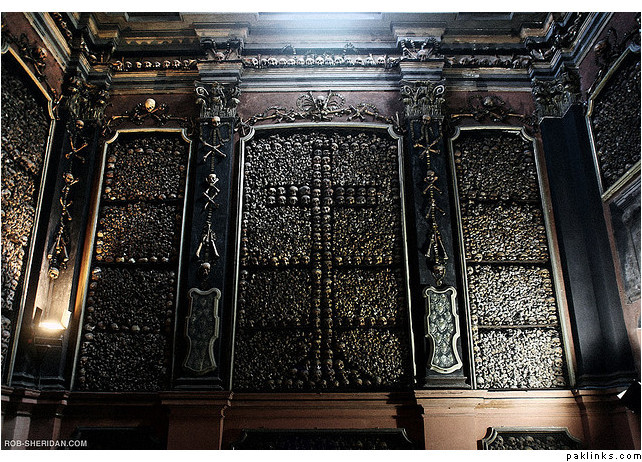
Capela dos Ossos in Evora, Portugal
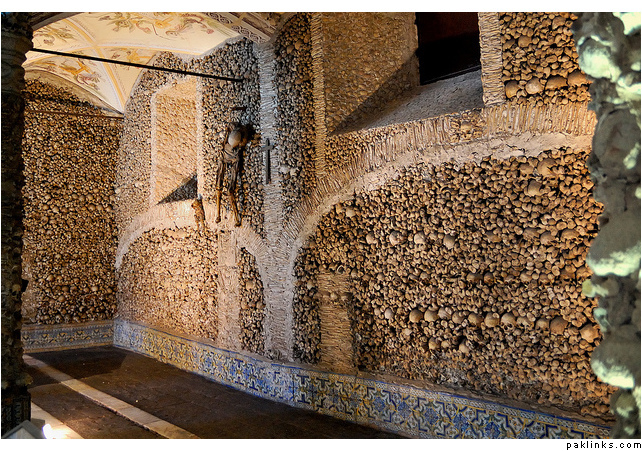
Capuchin Crypt in Rome, Italy
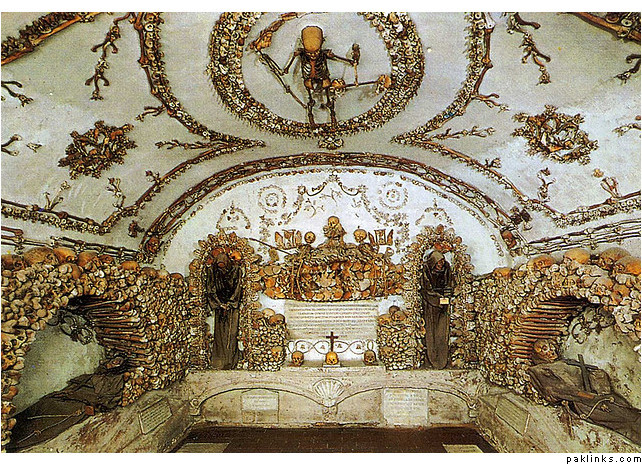
Czermna Chapel in Kudowa-Zdrój, Poland
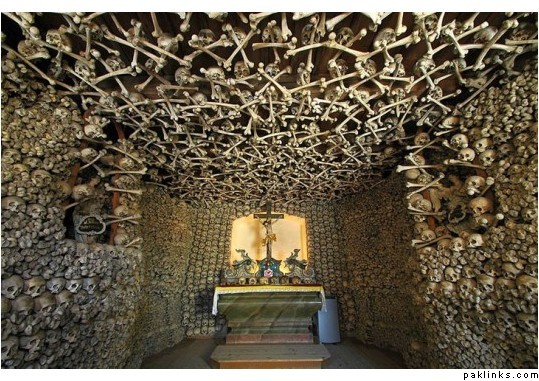
Re: No space for dead
so Mongols were inspired of these chapels? 