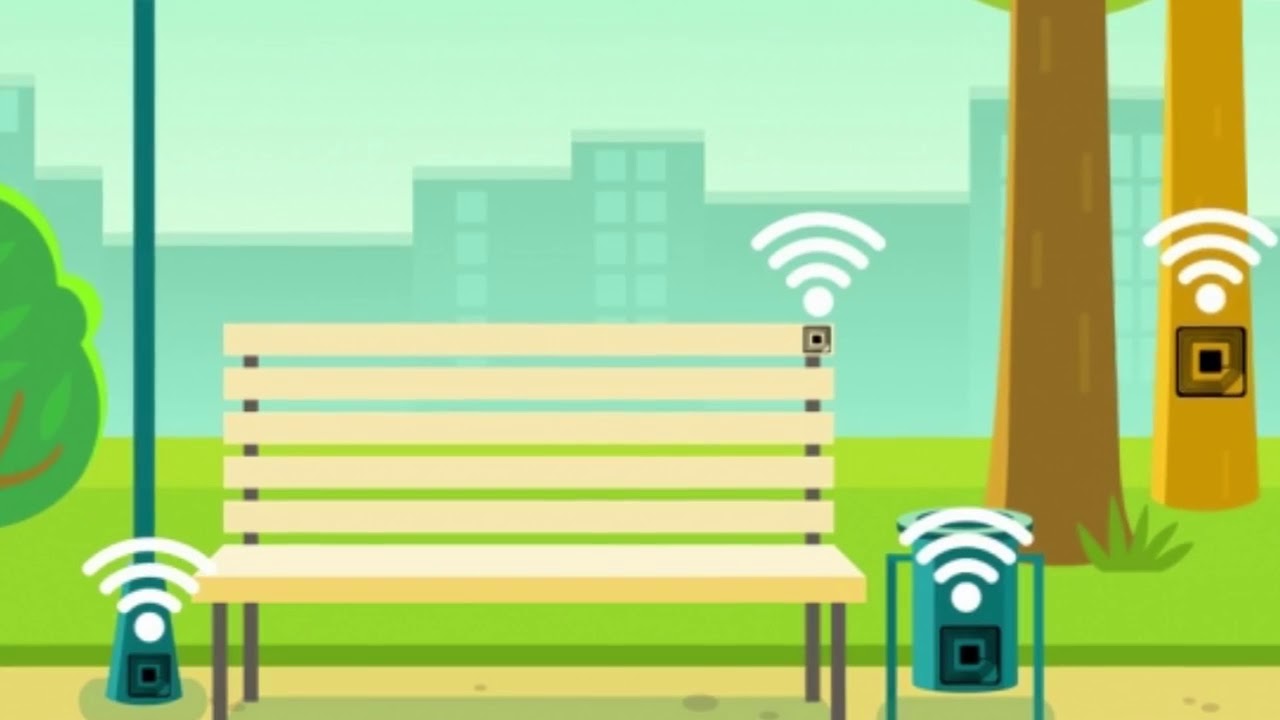
The Auto-ID Lab at MIT has long been at the forefront of developing RFID technology. Now engineers in this group are flipping the technology toward a new function: sensing. They have developed a new ultra-high-frequency, or UHF, RFID tag-sensor configuration that senses spikes in glucose and wirelessly transmits this information. In the future, the team plans to tailor the tag to sense chemicals and gases in the environment, such as carbon monoxide.Currently, RFID tags are available in a number of configurations, including battery-assisted and ?passive? varieties. Both types of tags contain a small antenna which communicates with a remote reader by back scattering the RF signal, sending it a simple code or set of data that is stored in the tag?s small integrated chip.
In a key step, the researchers built a simple circuit around the memory chip, enabling the chip to switch to a local energy-assisted mode only when it senses a certain stimuli. When in this assisted mode (commercially called battery-assisted passive mode, or BAP), the chip emits a new protocol code, distinct from the normal code it transmits when in a passive mode. A reader can then interpret this new code as a signal that a stimuli of interest has been detected.With this design, your reader can be 10 meters away, rather than 1 or 2. This can decrease the number and cost of readers that, say, a facility requires. In this design just plug and play with these commercially available electrodes, which makes this whole idea scalable. Then you can deploy hundreds or thousands, in your house or in a facility where you could monitor boilers, gas containers, or pipes.