Re: LUMS
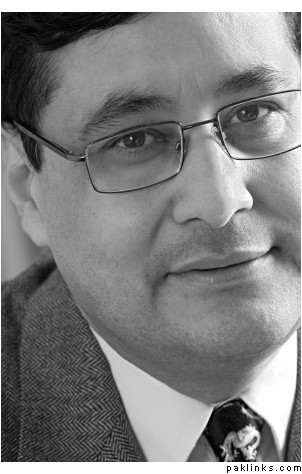
 *Dr. Adil Najam *
 *Dr.Athar Osama
*
Academic circles of Pakistan suddenly heated up these days when **Nature **, one of the most prestigious scientific journal of the world , published a paper as well as an editorial on higher education reforms and HEC role in recent years.The authors of this paper are Dr.Adil Najam , Dr. Athar Osama , Dr. Shamsh Kassim-Lakha (former President of the Aga Khan University), Prof. Syed Zulfiqar Gilani (former Vice Chancellor, University of Peshawar) and Dr. Christopher King (editor of ScienceWatch) .
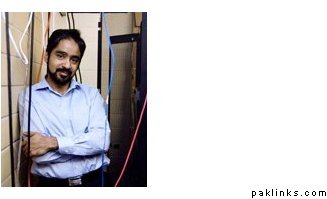
- Dr. Adil Najam is the Frederick S. Pardee Professor of Global Public Policy at Boston University. He also serves as the Director of the Pardee Center for the Study of the Longer-Range Future and a Professor of International Relations and of Geography and Environment. He served as a Lead Author for the Intergovernmental Panel on Climate Change (IPCC), work for which the IPCC was awarded the **2007 Nobel Peace Prize **along with Al Gore. Prof. Najam has also taught at MIT, University of Massachusetts and at the Fletcher School of Law and Diplomacy, Tufts University.
Dr. Athar Osama is a scholar of science policy in developing countries and a Visiting Fellow at the Boston University Pardee Center for the Study of the Longer-Range Future.Aeronautical Engineer from Pakistan Airforce Academy , winner of the coveted Sword of Honor. Post-Graduate Diploma in Business Administration from IBA and also founder of Virtual Think Tank Pakistan (VTTP.org), Pakistan Research Support Network (Research-Network)–a 2000+ member virtual collaborative of Pakistani researchers and research students, The Understanding Pakistan Project, and Muslim Science and Innovation Network (Muslim-Science.com).
 Dr.Pervez Hoodbhoy
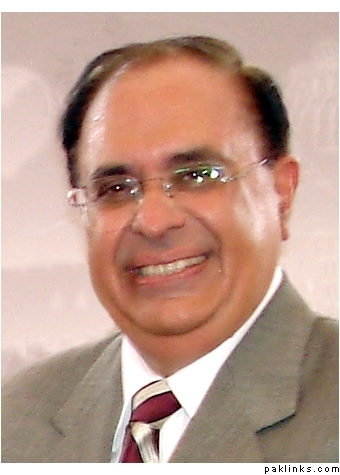
 * Dr.Atta ur Rehman*
**
Dr.Hoodbhoy** , MIT Nuclear Physicist who chairs his department at QAU strongly criticized Dr.Adil Najam and his colleagues paper published in Nature.**Dr.Atta ur Rehman **, former HEC Chairman and main architect of HEC structural reforms defended the reforms with stats and arguments.The debate spreaded out widely in reserach-academia-industry brains and though very interesting , to some sort come out at personal level here !
Dr. Pervez Hoodbhoy Responds to Nature Article on Pakistan’s Higher Education Reform : ALL THINGS PAKISTAN
DISCUSSION: What are the correct metrics to measure higher education reform in Pakistan? | STEP - Science, Technology, and Education in Pakistan
**
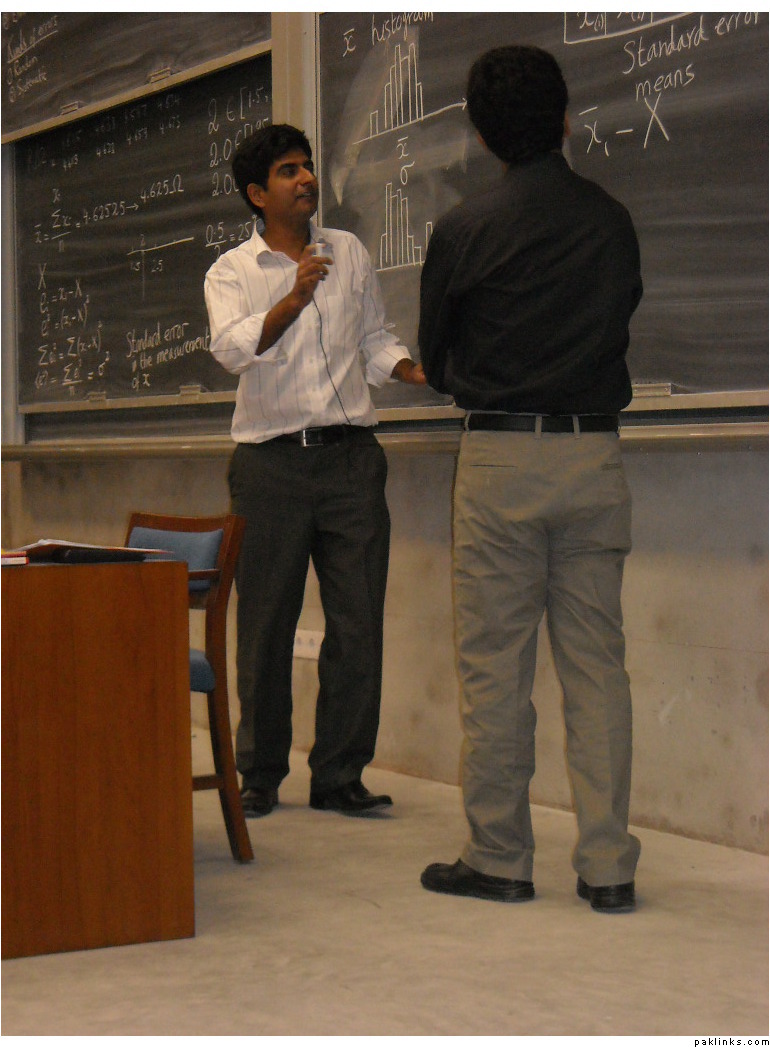
Dr.Sabieh Anwar** also responded in above blog and his points are quite amazing.Despite of his scietific-muslim-history differnces with Dr.Hoodbhoy which he strongly criticized here (DAWN.COM | Books & Authors | An Ongoing Debate) , he enforced **Dr.Hoodbhoy **approach and went against Dr. Adil Najam views *( though both Dr.Sabieh and Dr.Najam are old Ravians and UETians). *Here is Dr.Sabieh response
Sabieh Anwar
I will not consider endorsements by USAID, BC, and WB as confirmation of quality and quantity of the research in HE because these are pseudo-political organizations and have a track record of reversing their opinions…
I am trying to find out what disciplines have seen a boost in research and publications – analytical, applied, or experimental? Likelihood is that of analytical folks who managed to churn out a large number of papers through several variations on the same theme – any groundbreaking discovery? No!
Perhaps this push for publications lead to plagiarism in some quarters (APS also reported on this issue…- Punjab University – two years ago(?))
Another question is that of fruits of research – Is there a viable public/industrial/manufacturing sector in PK that can absorb the results of high quality research or recommendations of scientists?
From the comments, I gather research has become a panacea for the country – it is not. Intellectual pursuits, quest for knowledge and development is deeply rooted in socio-economics, civics, and culture and therefore cannot be sprouted overnight through implantation. It is a slow process.
Most of the Pakistani professional recognized in their field managed to get there not because of UGC, HE, or the schools and universities they attended in Pakistan but in spite of them. This model will continue as long as there are a few eccentric rebels not locked up in the box and will manage to leak out of the mess to make name for themselves and for the country.
Finally, technology is always subservient to the political will of a country. And I do not think there is any political will for excellence in Pakistan.
We can continue to argue – The bottom line is that money and resources could have been well spent. Hindsight is 20/20 – so they say!
 Dr.Sabieh