Re: Kurrachee 1851
Thanks.
Though I hate the current state of the city, but I do miss my beloved city… where I was born, raised and graduated.
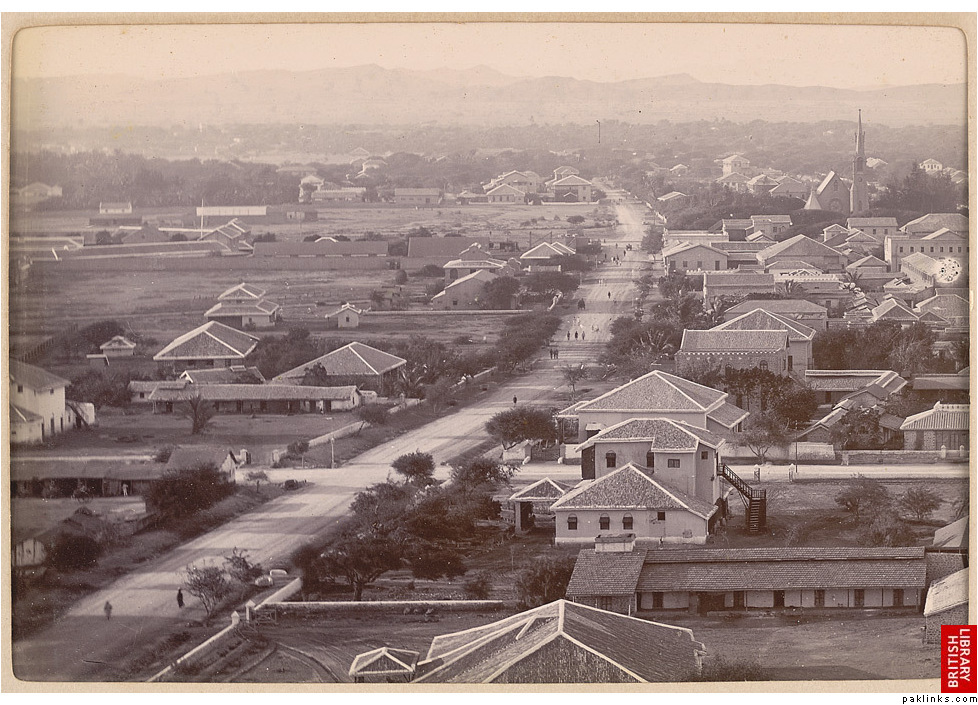
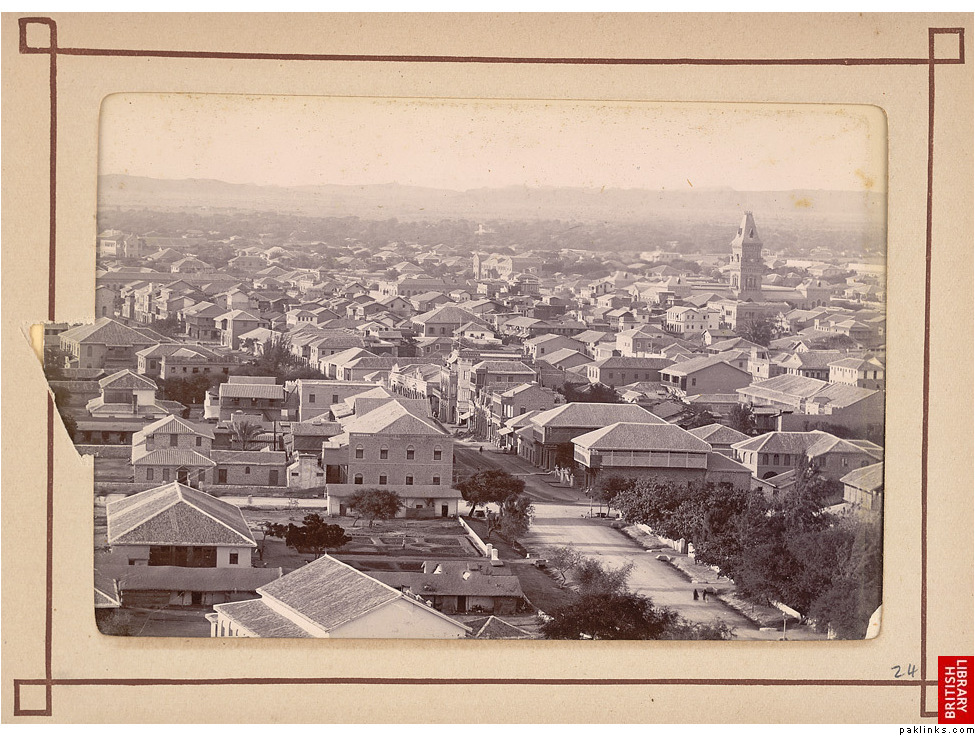
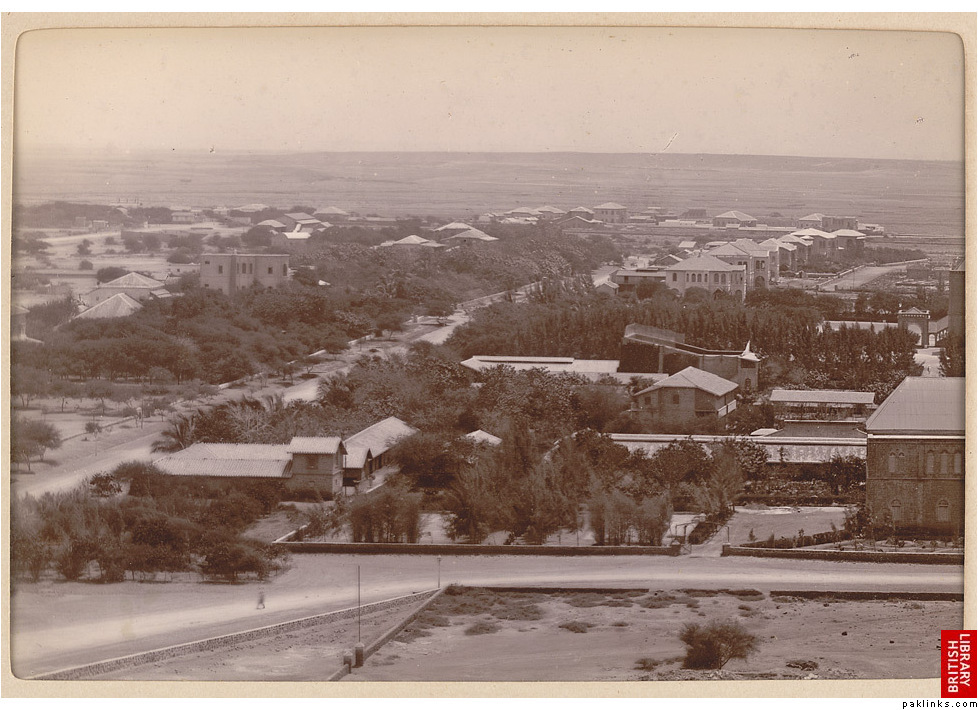
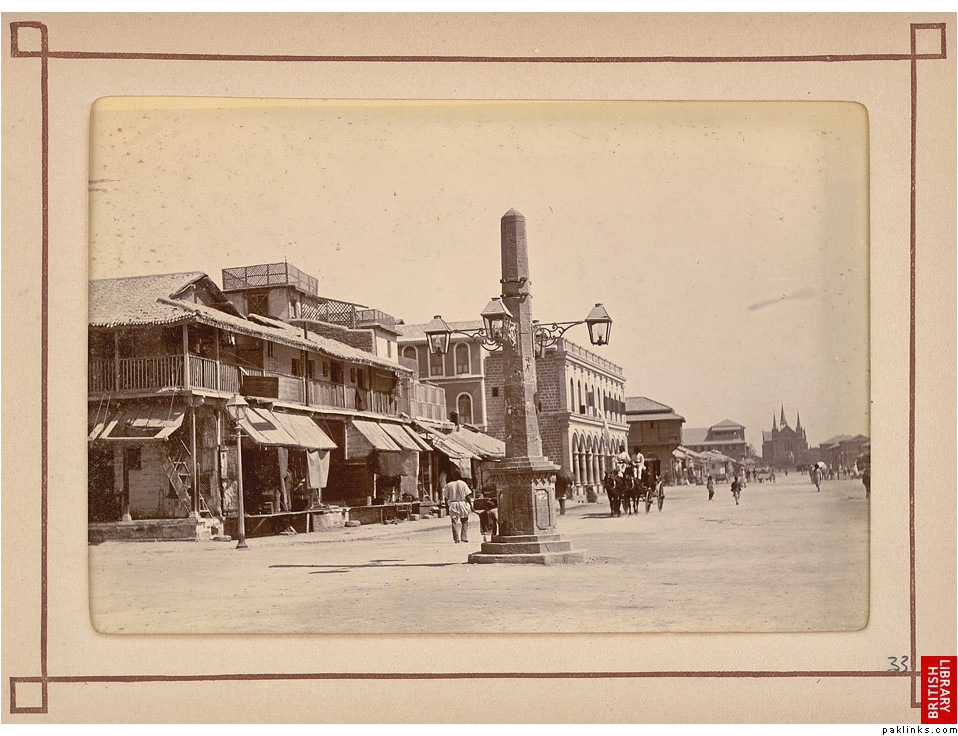
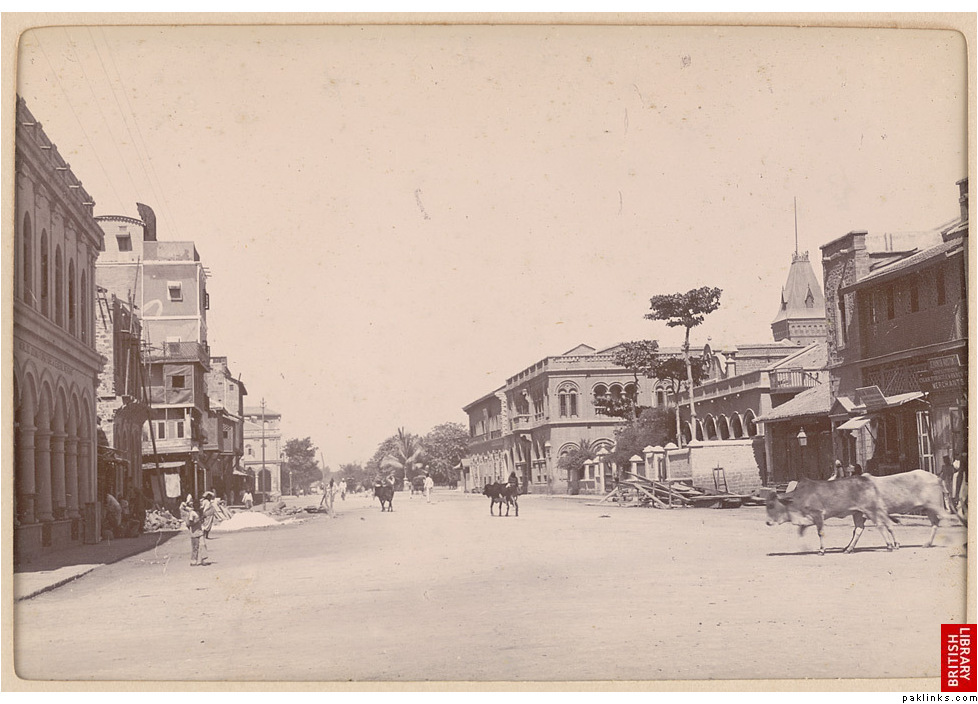
Karachi before 1900 pics
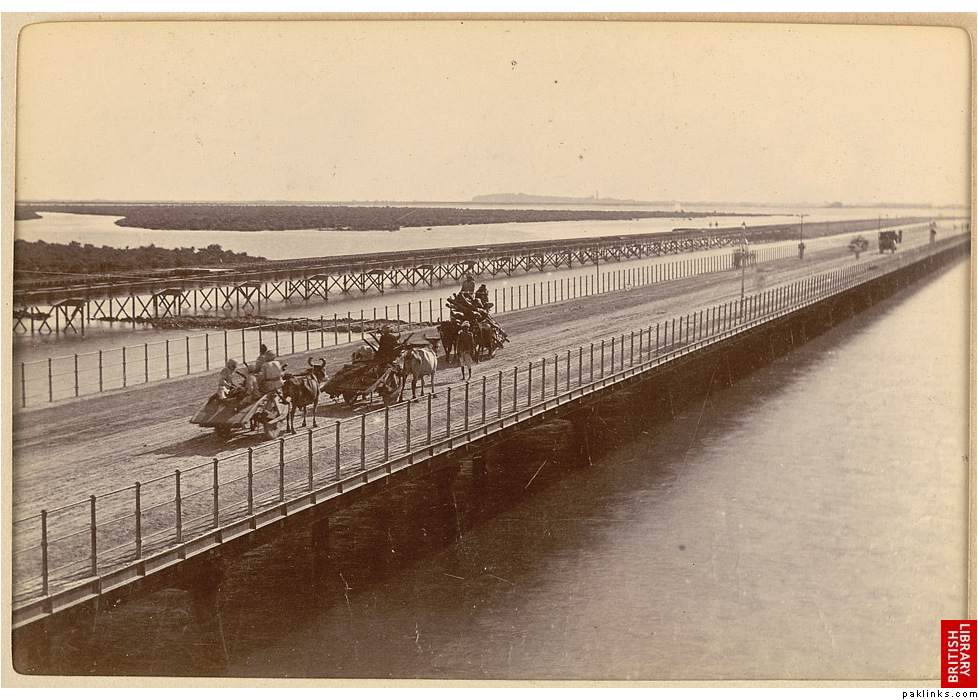
Napier Mole Bridge to Keamari [Karachi]. 1900
Photograph taken by an unknown photographer in Karachi, c.1900, with a general view along the iron Napier Mole bridge connecting Karachi with Kiamari.
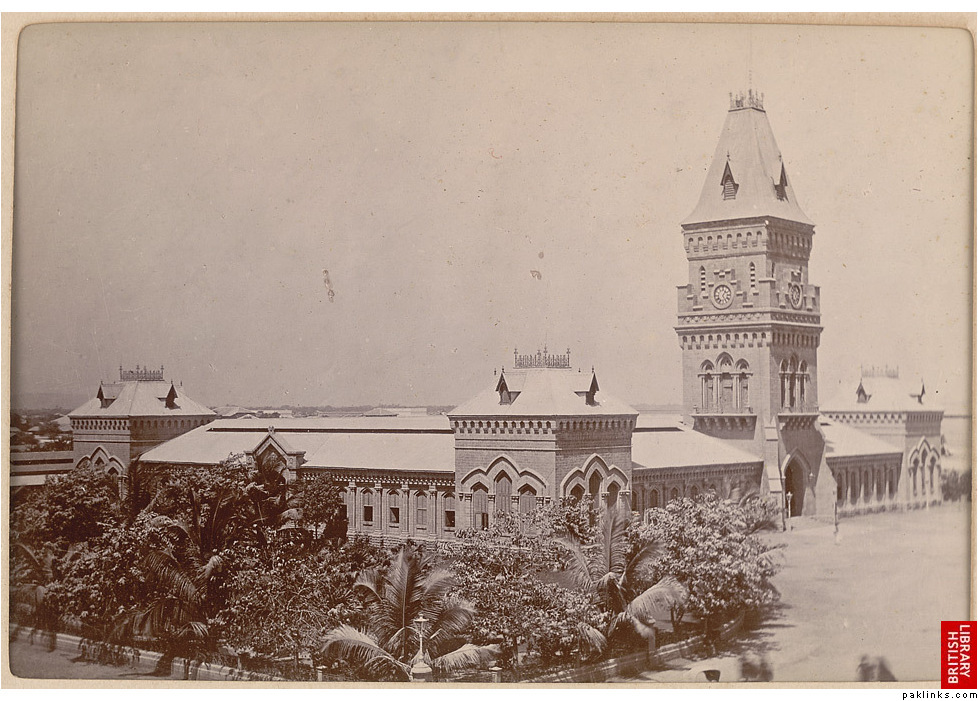
The Empress Market [Karachi]
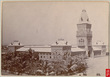
Photograph of Empress Market in Karachi, taken by an unknown photographer, c.1900,
The Empress Market was constructed between 1884 and 1889 and was named to commemorate Queen Victoria, Empress of India. It was designed by James Strachan, the foundations were completed by the English firm of A.J. Attfield, and the building constructed by the local firm of ‘Mahoomed Niwan and Dulloo Khejoo’. The building was arranged around a courtyard, 130 ft by 100 ft, with four galleries each 46 ft wide. The galleries provided accommodation for 280 shops and stall keepers; at the time of its construction it was one of seven markets in Karachi.
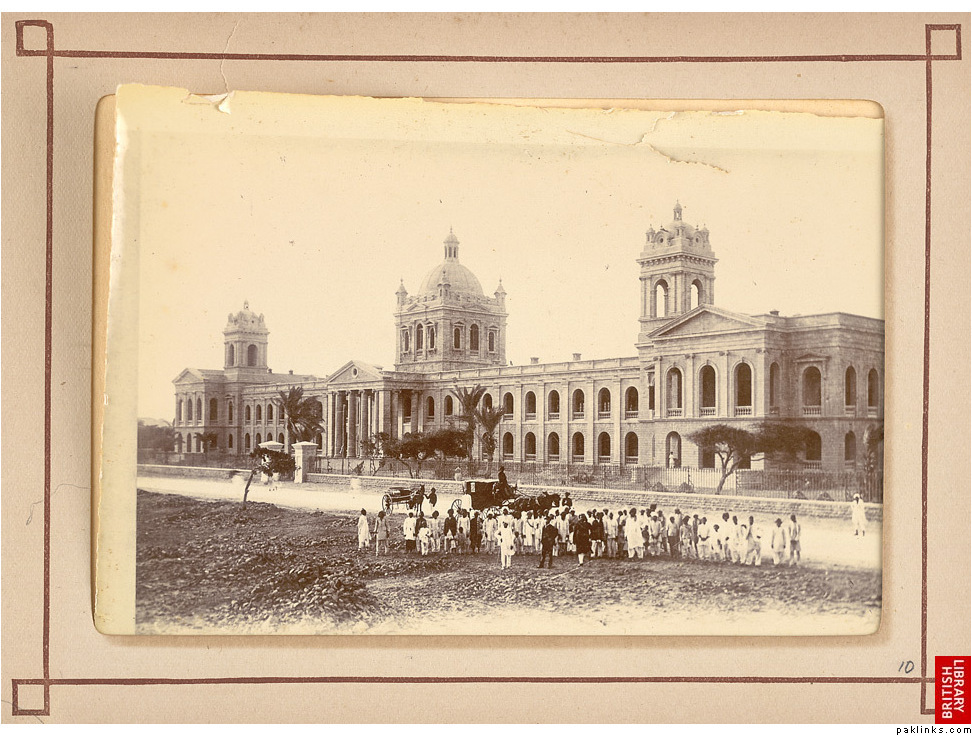
Sind Arts College [Karachi]
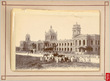
Photograph of the D.J. Sind Arts College (now known as the D. J. Government Science College) of Karachi, taken by an unknown photographer, c.1900, from an album of 46 prints titled ‘Karachi Views’. Designed by James Strachan and considered this architect’s greatest achievement, the college was built between 1887 and 1893. Named after the Sindhi philanthropist Dayaram Jethmal, whose two family members contributed towards its cost, the building was constructed in the neoclassical, or ‘Italian architectural style’. A considerable amount of money was spent on the interior of the college; the floors comprised mosaic tiles imported from Belgium and the eight-foot wide main staircase was fitted with ornamental cast-iron work from McFarlane & Company of Glasgow. Karachi, once the capital of Pakistan, is now the capital of Sindh province and the major port and main commercial centre of the country. It was a strategically located small port at a protected natural harbour on the Arabian Sea north-west of the mouth of the Indus, and was developed and expanded by the British when they took over Sindh in the mid-19th century to serve the booming trade from the Punjab and the wheat and cotton regions of the sub-continent
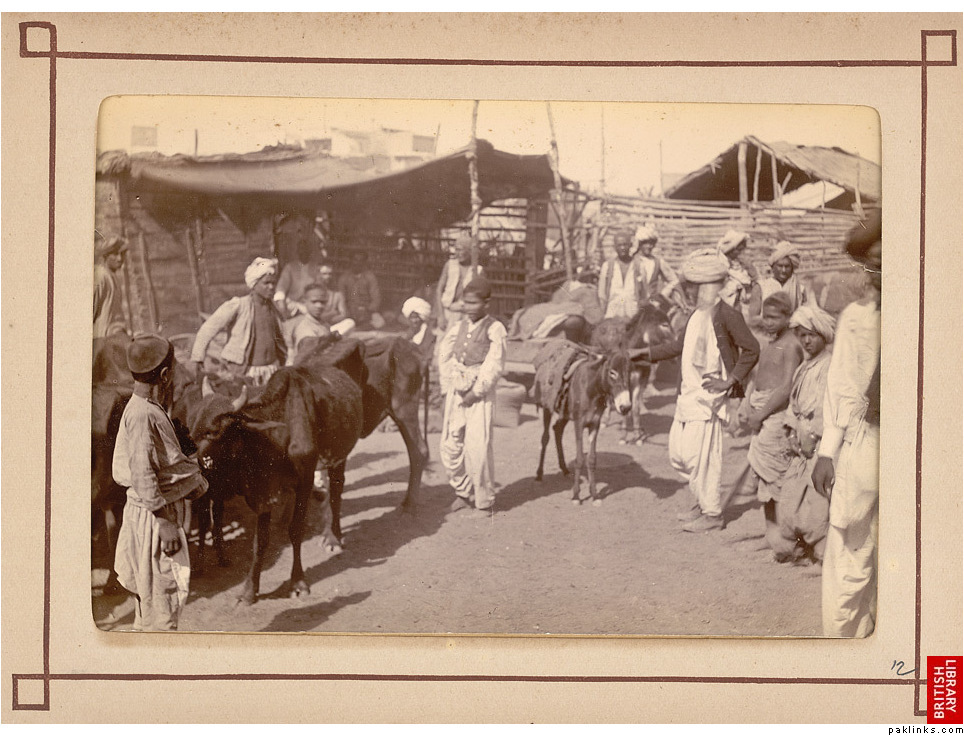
Trans-Lyari Market [Karachi]
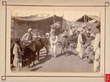
At the end of the nineteenth century the Trans-Lyari Quarter of the city was made up of a cluster of poor settlements mostly consisting of reed and mud plastered huts with some more permanent dwellings. At this time one-quarter of the population of Karachi lived in this area across the Lyari River.
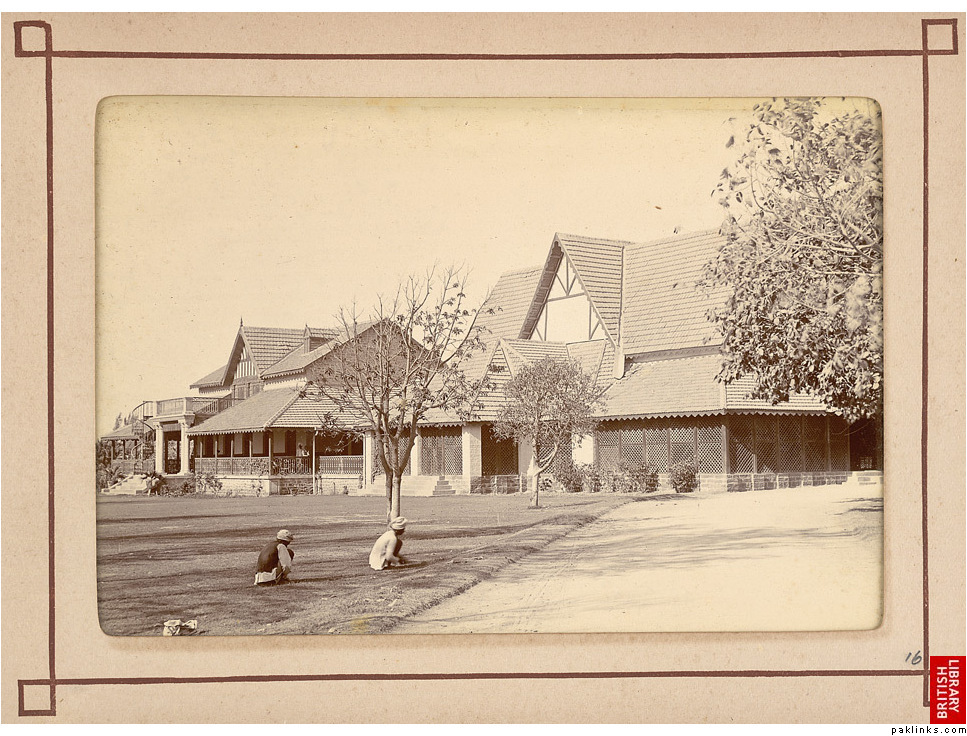
Karachi Gymkhana
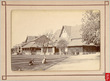
The British had also developed the concept of gymkhanas or sports-houses which provided facilities for all sorts of sports and games for the colonial population in the sub-continent. The Karachi Gymkhana Club, located on Scandal Point (later Club) Road, was a large Tudor-style building, constructed in 1886.