EASY
&
DIFFICULT
4shared.com - online file sharing and storage - download Easy … Difficult.ppsx
Date with a Woman
*After 21 years of marriage, my wife wanted me to take another woman out to dinner and a movie. She said I love you but I know this other woman loves you and would love to spend some time with you. *
*The other woman that my wife wanted me to visit was my MOTHER, who has been a widow for 19 years, but the demands of my work and my three children had made it possible to visit her only occasionally. *
*That night I called to invite her to go out for dinner and a movie. *
*'What's wrong, are you well,' she asked? My mother is the type of woman who suspects that a late night call or a surprise invitation is a sign of bad news. *
*'I thought that it would be pleasant to be with you,' I responded. 'Just the two of us.' *
*She thought about it for a moment, and then said, 'I would like that very much.' *
*That Friday after work, as I drove over to pick her up I was a bit nervous. *
*When I arrived at her house, I noticed that she, too, seemed to be nervous about our date. She waited in the door with her coat on. She had curled her hair and was wearing the dress that she had worn to celebrate her last wedding anniversary. *
*She smiled from a face that was as radiant as an angel's. *
*'I told my friends that I was going to go out with my son, and they were impressed, 'she said, as she got into the car. 'They can't wait to hear about our meeting'. We went to a restaurant that, although not elegant, was very nice and cozy. My mother took my arm as if she were the First Lady. *
*After we sat down, I had to read the menu. Large print. Half way through the entries, I lifted my eyes and saw Mom sitting there staring at me. A nostalgic smile was on her lips. *
*'It was I who used to have to read the menu when you were small,' she said. 'Then it's time that you relax and let me return the favor,' I responded. *
*During the dinner, we had an agreeable conversation - nothing extraordinary, but catching up on recent events of each others life. *
*We talked so much that we missed the movie. *
*As we arrived at her house later, she said, 'I'll go out with you again, but only if you let me invite you.' I agreed. *
*'How was your dinner date?' asked my wife when I got home. 'Very nice. *
*Much more so than I could have imagined,' I answered. *
*A few days later, my mother died of a massive heart attack. It happened so suddenly that I didn't have time to do anything for her. *
**
Some time later, I received an envelope with a copy of a restaurant receipt from the same place mother and I had dined. **
*An attached note said: *
'I paid this bill in advance. I wasn't sure that I could be there; but nevertheless, I paid for two plates - one for you & the other for your wife. You will never know what that night meant for me.
**I love you, son.' **
**At that moment, I understood the importance of saying in time: 'I LOVE YOU!' and to give our loved ones the time that they deserve. Nothing in life is more important than God and your family. Give them the time they deserve, because these things cannot be put off till 'some other time.' **
**Pass this along to everyone with an aging parent, **
**to a friend, **
**to a child, **
**to an adult, **
to anyone with a parent and all those about whom you think
I do not expect a correct answer...
but does anyone know...
**WHO ARE;
**
and
**
1. Haadiya Hasan
ON GS ??
Guava — a fruit of high medicinal importance
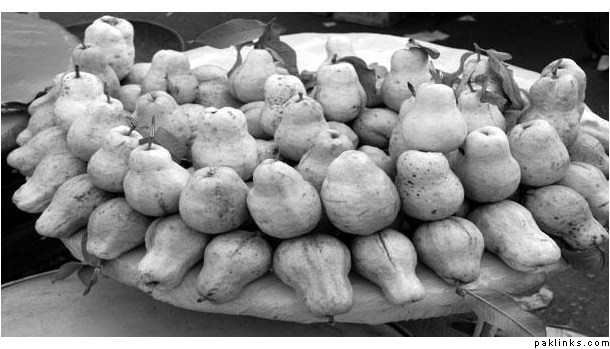
***GUAVA is a fruit of commercial importance in tropics and subtropics because of its wide adaptability to varied soil and climatic conditions. It is grown all over the country over an area of 65,000 hectares with production of 516,000 tones. ***
The major guava growing areas are Shariqpur, Kasur, Lahore, Sheikhupora, Sangla Hills, Gujranwala in the Punjab; Kohat, Haripur and Bannu in the North West Frontier Province and Larkana and Hyderabad in Sindh.
***The major edible varieties are Safeda, Allahabad, Karela, seedless, and red fleshed. It is eaten raw or in forms of jams and jellies. Guava is a storehouse of nutrients. The health benefits of guava fruit include treatment of diarrhoea, dysentery, constipation, cough, cold, skincare, high blood pressure, weight loss and scurvy etc. ***
***Guava is very rich in astringents which bind up loose bowels in diarrhoea. These astringents are alkaline in nature and have disinfectant and anti-bacterial properties, thus helping in cure of dysentery. Further, other nutrients in guava, such as vitamin C, carotenoids and potassium strengthens and tones up the digestive system and disinfect it. Guava is also beneficial in gastroenteritis. ***
***Guava is one of the richest sources of dietary fibre. Its seeds, if ingested whole or chewed, serve as excellent laxatives. Every way to total health goes through proper digestion and more importantly, proper excretion. Guava ensures both of these. ***
***Juice of raw and immature guavas or decoction of guava-leaves is very helpful in giving relief in cough and cold by loosening cough, reducing mucus, disinfecting the respiratory tract, throat and lungs and inhibiting microbial activity due to its astringent properties. ***
***Guava is the richest in vitamin C and iron which prevent against cold and viral infections. Roasted ripe guava is also used as a remedy against extreme cases of cough and cold and congestion in some countries. ***
***Guavas can help improve skin texture and avoid skin problems more than the best of beauty creams or skin toner gels can do. This is chiefly due to the abundance of astringents in its fruits and in leaves. You can benefit from it either by eating the fruits or by washing skin with the decoction of its immature fruits and leaves. It will tone up and tighten the loosened skin. ***
***In addition to the astringents, guava is very rich in vitamins A, B, C and potassium which are good anti-oxidants and detoxifiers and keeps skin glowing and free from aging, wrinkles and other disorders. ***
***Guava helps reduce cholesterol in blood and prevents it from thickening, thereby maintaining fluidity of blood and reducing blood pressure. Studies have shown that food stuffs which lack fibre add to blood pressure, due to quick conversion to sugar. Guava, being very rich in fibre and hypoglycemic in nature, helps reduce blood pressure. ***
***Guava is very helpful for those who want to lose weight without compromising with their intake of proteins, vitamins and fibre. Guava, being very high in roughage and very rich in vitamins, proteins and minerals, but with no cholesterol and less digestible carbohydrates, is very filling and satisfies appetite very easily. ***
***Just have a medium-sized guava in the lunch and you will not feel hungry till night. But ironically, it helps gaining weight in lean and thin people. This is probably due to its richness in nutrients, which keeps metabolism right helping proper absorption of nutrients. ***
***Guava can outdo many other fruits, including orange and other citrus fruits, when it comes to concentration of vitamin C, whose deficiency causes scurvy and which is the only remedy to it. It contains five times the vitamin C in oranges. ***
***Guava also helps control diabetes, protects prostrate, its lypocene reduces the risk of cancer, the juice of leaves cures toothache, swollen gums and oral ulcers, heals wounds when applied externally, convulsions, epilepsy, bacterial infections and so on and so forth. ***
Shah Adul Latif Bhitai -A link between Divine and Human Love Pursuits
Shah Abdul Latif Bhittai (1689-1752) was a Sufi scholar and saint, and is considered one of the greatest poets of the Sindhi language. He settled in the town of Bhit Shah in Matiari, Pakistan where his shrine is located. His most famous written work is the Shah Jo Risalo, which is a master-piece of Sindhi Literature as well. The major themes of his poetry include Unity of God, love for Prophet, religious tolerance and humanistic values. For his works, he is seen by S.H. Nasr as a 'direct emanations of Rūmī's spirituality in the Indian world.'
Shah Abdul Latif Bhittai was born in 1689 in Hala Haveli's village Sui-Qandar located near Hyderabad, Pakistan. Shah Abdul Latif was son of Syed Habibullah and grandson of Syed Abdul Quddus Shah.
Shah Abdul Latif Bhittai is known by several honorific names - Lakhino Latif, Latif Ghot, Bhittai and Bhitt Jo ShahShah Abdul latif's deepness of poetry affiliated with the relationship between god and human is cause of his visitings at different places of the regions surrounded to him and he always feel the circumstances carried out in his premises and he feels the people mind he had such a calm and sharp mind and such things made him the gretest poet of the world, if one could seriously understand his preechings.
Early life
Most of the information that has come down to us has been collected from oral traditions. A renowned Pakistani scholar, educationist, and a foremost writer of plays, dramas and stories, Mirza Kalich Beg has rendered a yeoman service to Sindhi literature by collecting details about the early life of Shah Bhitai, from the dialogues that he has constantly held with some of the old folks, still living at that time, who knew these facts from their fathers and grandfathers for they had seen Shah Latif in person and had even spoken to him.
*" "The next day I sat down, and listened to the Story of the 'Vairagis.' Their salmon-coloured clothes were covered with dust. Their hair-bands were worn out. They had let their hair grow quite long. The lonely ones never talk to anyone about their being. These 'Nanga' are content and happy. They move about unmarked amongst the common folk." ........Shah Latif Bhitai "*
He was born around 1689 CE (1102 A.H.) to Shah Habib in the village Sui-Qandar a few miles to the east of the present town of Bhit Shah (named after him), on Safar 14, 1102 A.H. ie November 18, 1690 CE. He died at Bhit Shah on Safar 14, 1165 A.H., ie January 3, 1752 CE. In his memory, every year, on 14th Safar of the Hijri Calendar, an Urs is held at Bhit Shah, where he spent the last years of his life and where his elaborate and elegant mausoleum stands.
**
Latif got his early education in the school (maktab) of Akhund Noor Muhammad in basic Persian (the government language at that time) and Sindhi (local spoken language). He also learned the Qu'ran. His correspondence in Persian with contemporary scholar Makhdoom Moinuddin Thattavi, as contained in the Risala-i-Owaisi, bears witness to his scholastic competence.
" "Beloved's separation kills me friends, At His door, many like me, their knees bend. From far and near is heard His beauty's praise, My Beloved's beauty is perfection itself." .....Bhitai [Sur Yaman Kalyan] "
**
The Urs
The Urs is a grand affair in Sindh, where people from almost every village and town of Sindh and from different cities of other provinces of Pakistan - rich and poor, young and old, scholars and peasants - make a determined effort to attend. The Urs commences every year from 14th Safar (2nd month of Hijra calendar) and lasts for three days. Along with other features, like food fairs, open-air markets selling Ajrak and Sindhi Caps among others, and entertaining and competitive sports, a literary gathering is also held where papers concerning the research work done on the life, poetry, and message of Bhitai, are read, by scholars and renowned literary figures. His disciples and ascetics, singers and artists, gather around and sing passages from his Risalo. Scholarly debates and exhibitions of his work and traditional Sindhi artefacts are also organised.
**
" "Sleeping on the river's bank, I heard of Mehar's glory, Bells aroused my consciousness, longing took its place, By God! fragrance of Mehar's love to me came, Let me go and see Mehar face to face." .....Bhitai [Sur Suhni] "
Shah Abdul Latif's lineage has been traced back directly to Muhammad, through Imam Zain-ul-Abideen, son of Imam Hussain, grandson of the Prophet. His ancestors had come from Herat in Central Asia, and settled at Matiari. Shah Abdul Karim 1600 CE, whose mausoleum stands at Bulri, about 40 miles from Hyderabad, a mystic Sufi poet of considerable repute, was his great, great grandfather. His verses are extant and his anniversary is still held at Bulri, in the form of an Urs.
**
A few persons claim that Shah Latif's was follower of Sayyad Mohammad Jaunpuri( who claimed to be Imam Mehdi). His father Syed Habib Shah, lived in Hala Haveli, a small village, at a distance of about forty miles from Matiari and not far from the village of Bhitshah. Later he left this place and moved to Kotri, where Shah Latif spent some part of his adolescent life.
**Young Shah Abdul was raised during the golden age of sindhi culture. His first teacher was Noor Muhammad Bhatti Waiwal. Mostly, Shah Latif was self-educated. Although he has received scanty formal education, the Risalo gives us an ample proof of the fact that he was well-versed in Arabic and Persian. The Qur'an, the Hadiths, the Masnawi of Maulana Jalaluddin Rumi, along with the collection of Shah Karim's poems, were his constant companions, copious references of which have been made in Shah Jo Risalo. In his poems he writes about Sindh and its neighbouring regions, he mentions distant cities such as Istanbul and Samarqand, he also writes about Sindhi sailors their navigation techniques voyages as far to the Malabar coast, Sri Lanka and the island of Java.
Personal Characteristics
In appearance, Bhitai was a handsome man, of average height. He was strongly built, had black eyes and an intelligent face, with a broad and high forehead. He grew a beard of the size of Muhammad's beard. He had a serious and thoughtful look about himself and spent much time in contemplation and meditation, since he was concerned about his moral and spiritual evolution with the sole purpose of seeking proximity of the Divine. He would often seek solitude and contemplate on the burning questions running through his mind concerning man's spiritual life:
. Why was man created?
. What is his purpose on this earth? What is his relationship with his Creator?
. What is his ultimate destiny? **
Although he was born in favoured conditions, being the son of a well-known and very much respected Sayed family, he never used his position in an unworthy manner, nor did he show any liking for the comforts of life. He was kind, compassionate, generous and gentle in his manner of speech and behaviour which won him the veneration of all those who came across him. He had great respect for woman, which, unfortunately, the present day Sayed's and Vaderas (the landlords) do not have, and he exercised immense reserve in dealing with them, in an age when these qualities were rare. He hated cruelty and could never cause physical pain to any man or even to an animal. He lived a very simple life of self-restraint. His food intake was simple and frugal, so was his dressing which was often deep yellow, the colour of the dress of sufis, jogis, and ascetics, stitched with black thread. To this day, his relics are preserved at Bhitsah (where his mausoleum stands), some of which include a "T"-shaped walking stick, two bowls, one made of sandal-wood and another of transparent stone, which he used for eating and drinking. His long cap and his black turban are also preserved.
**
" "Cloud was commanded to prepare for rain, Rain pattered and poured, lightning flared. Grain hoarders, hoping for high prices, wring their hands, Five would become fifteen in their pages they had planned. From the land may perish all the profiteers, Herdsmen once again talk of abundant showers, Latif says have hope in God's blessed grace." ......Bhitai [Sur Sarang] "
**
Quest for religious truths
In quest of religious truths, Shah Bhitai travelled to many parts of Sindh and also went to the bordering lands. He kept himself aloof from the political scene of favouritism and intrigues which was going on at the height of the power and rule of Kalhoras in Sindh. Instead of visiting towns and cities, in political canvassing, to serve the purpose of the rulers and elite of the land, though he was much respected by the members of the dynasty and could have benefited from it, he went to hills, valleys, the banks of river, and the fields, where he met the ordinary simple people, the sufis (mystics). He went to the Ganjo Hills in the south of Hyderabad for contemplation, and then to mountains in Las Bela in the south of Sindh and Balochistan. For three years, he travelled with these jogis and sanyasis, in search of the truth, peace, and harmony, to Hinglay, Lakhpat, Nani at the foot of the Himalayas and to Sappar Sakhi. At several places in the Risalo, mention has been made of these jogis and of his visits to these wonderful, holy and peaceful places. The two surs, Ramkali and Khahori, describe them under various endearing names and a detailed account of the jogis' lifestyle is given. He also travelled to such far away places as Junagardh, Jesalmere and parts of the Thar desert.
**
" "In deserts, wastes and Jessalmir it has rained, Clouds and lightning have come to Thar's plains; Lone, needy women are now free from care, Fragrant are the paths, happy herdsmen's wives all this share." ..........Bhitai [Sur Sarang] "
Piety and ascetism**
By the time he was a young man of twenty one years, he began to be known for his piety, his ascetic habits and his absorption in prayers. Observation and contemplation were chief traits of his character. A number of people flocked round him adding to the already large number of his disciples. This aroused jealousy of some powerful, ruthless, tyrannical persons - landlords, Pirs, Mirs, and Rulers - who became his enemies for some time. Later, seeing his personal worth, and the peaceful and ascetic nature of his fame, abandoned their rivalry. At this time he was living with his father at Kotri, five miles away from the present site of Bhitshah. It was here that his marriage was solemnised in 1713 CE with Bibi Sayedah Begum, daughter of Mirza Mughul Beg. She was a very virtuous and pious lady, who was a proper companion for him. The disciples had great respect for her. They had no children.
In the true ascetic spirit, Shah Latif was now in search of a place where in solitude, he could devote all his time in prayers and meditation. Such a place he found near Lake Karar, a mere sand hill, but an exotic place of scenic beauty, four miles away from New Hala. This place was covered by thorny bushes surrounded by many pools of water. It was simply and aptly called 'Bhit' (the Sand Hill). On the heaps of its sandstones he decide to settle down and build a village. As it was sandy, he along with his disciples dug out the hard earth from a distance and covered the sand with it to make the ground firm. After months of hard labour, carrying the earth on their heads and shoulders, the place was now fit enough for the construction of an underground room and two other rooms over it, along with a room for his old parents. A mosque was also built and the houses of his disciples properly marked out. In 1742, whilst he was still busy setting up a new village, Bhit, he got the sad news of the death of his dear father.. Soon after this Shah Latif shifted all his family members from Kotri to Bhitsah, as the village now began to be called. His father was buried there, in accordance to his will, where his mausoleum stands only eight paces away, from that of Shah Abdul Latif, towards its north.
Final years
For the last eight years of his remarkable life, Shah Latif lived at Bhitshah. A few days before his death, he retired to his underground room and spent all his time in prayers and fasting, eating very little.
**
" "Laggi Laggi wa'a-u wiarra angrra latji, Pa-i kharren pasah-a pasand-a karrend-i pirin-a jay." ......Bhitai "Wind blew! The sand enveloped the body, Whatever little life left, is to see the beloved." "
After 21 days in there, he came out and having bathed himself with a large quantity of water, covered himself with a white sheet and asked his disciples to sing and start the mystic music. This went on for three days continuously, when the musicians, concerned about the motionless poet, found that his soul had already left for its heavenly abode to be in the proximity of the Beloved for who he had longed for, all his life, and only the body was there. He suffered from no sickness or pain of any kind. The date was 14th Safar 1165 Hijra corresponding to 1752 CE. He was buried at the place where his mausoleum now stands, which was built by the ruler of Sindh, Ghulam Shah Kalhoro. His name literally means 'the servant of the Shah'. He, along with his mother, had adored and revered Shah Latif and were his devoted disciples. The work of the construction of the mausoleum was entrusted to the well-known mason, Idan from Sukkur. The mausoleum, as well as the mosque adjoining it, were later repaired and renovated by another ruler of Sindh, Mir Nasir Khan Talpur. A pair of kettle drums, that are beaten every morning and evening even till today by the fakirs, jogis and sanyasis, who frequent the mausoleum, were presented by the Raja of Jesalmeer.
" "Korren kan-i salam-u achio a'atand-a unn-a jay." "Countless pay homage and sing peace at his abode."
"Tell me the stories, oh thorn-brush, Of the mighty merchants of the Indus, Of the nights and the days of the prosperous times, Are you in pain now, oh thorn-brush? Because they have departed: In protest, cease to flower. Oh thorn-brush, how old were you When the river was in full flood? Have you seen any way-farers Who could be a match of the Banjaras? True, the river has gone dry, And worthless plants have begun to flourish on the brink, The elite merchants are on decline, And the tax collectors have disappeared, The river is littered with mud And the banks grow only straws The river has lost its old strength, You big fish, you did not return When the water had its flow Now it's too late, You will soon be caught For fishermen have blocked up all the ways. The white flake on the water: Its days are on the wane." ......Bhitai translated by Prof. D. H. Butani (1913-1989) in The Melody and Philosophy of Shah Latif "**
Woman in Shah's Poetry- The Seven Queens of Sindh
The women of Shah Abdul Latif's poetry are known as the Seven Queens, heroines of Sindhi folklore who have been given the status of royalty in the Shah Jo Risalo. The Seven Queens were celebrated throughout Sindh for their positive qualities: their honesty, integrity, piety and loyalty. They were also valued for their bravery and their willingness to risk their lives in the name of love.
Perhaps what Shah Abdul Latif Bhitai saw in his tales of these women was an idealised view of womanhood, but the truth remains that the Seven Queens inspired women all over Sindh to have the courage to choose love and freedom over tyranny and oppression. The lines from the Risalo describing their trials are sung at Sufi shrines all over Sindh, and especially at the urs of Shah Abdul Latif every year at Bhit Shah.
The Seven Queens mentioned in the Shah Jo Risalo are:
. Marvi -Momal -Sassi -Noori -Sohni -Sorath -Lila
THE TURKEY FIGHT!
***Two turkeys fight on some issue. I caught this video in Kotri near Hyderabad Sindh…about 200 Km from Karachi on 3rd Feb2010…when I stayed overnight at my friend’s guest house there. We tried our best to act as a peace mission between these two turkeys…but God knows…on what umbrage they were going wild and pounding each other…! ***
click on;
MANGO TREES OF PAKISTAN
A drive on Hyderabad – Mirpurkhas (Sindh Province of Pakistan) road sees through MANGO TREES on acres and acres.
PAKISTAN produces the WORLD’s best MANGOES from these trees—and it is from here—that they reach the far and wide places of the world as export from Pakistan. The best quality/brand of Pakistani Mango is SINDHRI which is hugely in demand.
***click on;
***

THE SENILITY PRAYER
Grant me the senility to forget the people I never liked anyway,
the good fortune to run into the ones I do,
and the eyesight to tell the difference.
Re: INTERESTING LIVES and INTERESTING FACTS
I have just read 'Date with a woman'. Must say it has touched my heart.
MORNING WITH FARAH ON ATV
======================
E N J O Y
Download this beautiful power-point show on a SPANISH CARNIVAL;
4shared.com - online file sharing and storage - download Carnaval de bois Espana.ppsx
Faiz Ahmed Faiz (born 1911, died 1984) was a Pakistani poet. He is famous mainly for his Urdu poems, though he also wrote in Punjabi. Faiz was a member of the Anjuman Tarraqi Pasand Mussanafin-e-Hind (Progressive Writers’ Movement) and an avowed Marxist. In 1962, he was awarded the Lenin Peace Prize by the Soviet Union.
Faiz Ahmed Faiz was born in the village Sialkot in Punjab during British rule. He was the son of Sultan Mohammad Khan and his youngest wife Fatima.
Following the Muslim tradition in South Asia, Faiz, at an early age was sent to the Masjid (Mosque) to be oriented with the basics of religious studies by Maulvi Muhammad Ibrahim Mir Sialkoti. Later, he went to Scotch Mission School, Sialkot, for academic education and after matriculation, joined the Murray College, Sialkot for intermediate and graduation. His most influential teachers were Shams-ul-Ullamah (The Sun of Scholars) Syed Mir Hasan (Arabic) (who had also taught the well renowned philosopher, poet, and politician of South Asia, Allama Dr. Muhammad Iqbal), and Professor Yousuf Saleem Chishti (Urdu). He acquired his post-graduate studies from the Government College, Lahore (Master of Arts in English Literature) and the Oriental College, Lahore to achieve another masters degree in Arabic Literature.
Pakistani poet and journalist, who combined in his poetry the themes of love, beauty, and political ideals into a vision of a better world and goodness. Faiz’s first language was Punjabi but he gained fame with his poems written in Urdu, a language similar to Arabic. Due to his opposition to the government and military dictators, Faiz spent several years in prison and was forced to go into exile at different times in his career. Next to Muhammad Iqbal (1877-1938), Faiz is one of the best-known poets of Pakistan.
The suspense that lasts between killers and weapons
as they gamble: who will die and whose turn is next?
That bet has now been place on me.
So bring the order for my execution.
I must see with whose seals the margins are stamped,
recognize the signatures on the scroll.
(from ‘So Bring the Order for My Execution’, trans. by Agha Shadid Ali)
Faiz Ahmed Faiz was born in Sialkot in the Punjab, then a part of India under British rule. His family were well-to-do landowners. Faiz’s father was a prominent lawyer, who was interested in literature, and whose friends included several prominent literary figures, including Sir Muhammad Iqbal (1873-1938), the national poet of Pakistan. Faiz received his education at mission schools in Sialkot in the English language, but he also learned Urdu, Persian, and Arabic. His first poems Faiz wrote already at school. He studied English and Arabic literatures at Government College, Lahore, receiving in 1932 his M.A. in English, and in Arabic from Oriental College, Lahore. Besides formal studies, very important for Faiz’s development was participating in the activities of literary circles, which gathered at homes of established writers. After graduating he worked as a teacher from the mid-1930s in Amritsar and Lahore.
In the 1930s Faiz came under the influence of the leftist Progressive Movement. Under the leadership of Sajjad Zaheer (1905-1973), authors were expected to follow the dictates of the Socialist Realism, but by the 1950s the movement had ceased to be an effective literary force. During World War II, Faiz served in the Indian army in Delhi, and in 1944 he was promoted to the rank of Lieut. Colonel. After the Islamic republic of Pakistan was established in 1947 the country experienced an era of chronic political instability, heightened by tensions between Hindus and Muslims. With the division of the subcontinent,
Faiz resigned from the army and moved to Pakistan with his family. Alys Faiz, whom he had married in 1941, later published a book of memoirs, Over My Shoulder (1993), about her life as a British expatriate living in Pakistan. Alys died in 2003. India’s awakening Faiz called a ‘‘night-bitten’’ morning, a ‘‘pockmarked’’ daybreak. Faiz became editor of the leftist English-langauge daily, the Pakistan Times. He also worked as managing editor of the Urdu daily Imroz, and was actively involved in organizing trade unions.
In 1951 Faiz and a number of army officers were implicated in the so-called Rawalpindi Conspiracy case and arrested under Safety Act. The goverment authorities alleged that Faiz and others were planning a coup d’etat. He spent four years in prison under a sentence of death and was released in 1955. During this perod Alys Faiz worked for the Pakistan Times to support his family. Faiz became the secretary of the National Coucil of the Arts, and in 1962 he was awarded the Lenin Peace Prize by the Soviet Union. During his years in exile he was editor of the magazine Lotus in Moscow, London and Beirut. In Pakistan his poems, which renewed the traditional romantic imagery of Urdu poetry, gained a huge popularity. Faiz also supported to the use of regional languages of Pakistan in education, the media, and literary expression. After a period of exile in war-torn Lebanon from 1979 to 1982, Faiz returned to his home country. He died in Lahore on November 20, 1984.
Faiz’s first collections of poetry, Naqsh-e faryadi (1943), Dast-e saba (1952), and Zindan Namah (1956), were politically motivated, and include some of his most famous poems based on his prison experiences. Faiz describes his life behind the walls, in confinement, finding consolation in the thought that “though tyrants may command that lamps be smashed / in rooms where lovers are destined to meet / they cannot snuff out the moon…” (from ‘A Prison Evening’) His tone is introspective along the conventions of ghazal, the favorite form of traditional Urdu poetry. But Faiz also expresses feelings of other political prisoners when he writes: “I make a toast to my friends everywhere, / here in my homeland and scross the world: ‘Let us drink, my dear ones, to human beauty, / to the loveliness of earth.’” (from ‘Solitary Confinement’). Fredric Jameson has argued in his essay ‘Third World Literature in the Era of Mulatrinational Capitalism’ (Social Text, fall 1986) that “the story of the private individual destiny is always an allegory of the embattled situation of the public third-world culture and society”. In one of his prison poems Faiz paralles his own fate with the authoritarian system outside the prison : “If you look at the city from here / there is no one fully in control of his senses. / Every young man bears the brand of a criminal, / every young woman the emblem of a slave.” (from ‘If You Look at the City from Here’)
In spite of his Marxist beliefs, Faiz did not burden his poems with ideological rhetoric. He fused classic traditional forms of poetry with new symbols derived from Western political ideas. However, in an interview Faiz has criticized the view that a poet “should always present some kind of philosophical, political or some other sort of thesis…” Like Muhammad Iqbal, he reinterpreted the most important theme in the Urdu ghazal, the theme of love. The word ghazal comes from Arabic and has been translated as “to talk with women” or “to talk of women.” Faiz often addressed his poem to his “beloved”, who can be interpreted as his muse, his country, or his concept of beauty or social change. “Your beauty still delights me, but what can I do? / The world knows how to deal out pain, apart from passion, / and manna for the heart, beyond realm of love. / Don’t ask from me, Beloved, love like that one long ago.” (from ‘Don’t Ask Me Now, Beloved’) The traditional beloved of ghazal cannot offer the poet answer to human suffering and social problems - “Bitter threads began to unravel before me / as I went into alleys and in open markets / saw bodies plastered with ash, bathed in blood. / I saw them sold and bought / again and again. / This too deserves my attention.”
For further reading: Encyclopedia of World Literature in the 20th Century, vol. 2, ed. by Steven R. Serafin (1999); Over My Shoulder by Alys Faiz (1993); The Tradition and Innovation in the Poetry of Faiz by G. Ch. Narang (1985); Dear Heart: To Faiz in Prison, 1951-1955 by Alys Faiz (1985); ‘Tradition and Innovation in Urdu Poetry’ by G. Narang, in Poetry and Renaissance: Kumaran Asan Birth Centenary Volume (1974); ‘The Pakistani Poet Faiz Ahmed Faiz’ by M.A. Malik, in Afro-Asian Writings, 22 (1974); A History of Urdu Literature by M. Sadiq (1964) - For further information: Faiz Ahmed Faiz - Faiz Ahmed Faiz (1911-1984) - Faiz Ahmed Faiz: Life and Ghazals - Faiz Ahmad Faiz - Faiz Ahmad Faiz (1914-1978): Selected Poems - Faiz Ahmed Faiz - Faiz Ahmad Faiz, interview by Dr. Ebadat Brelvi - Note: The exact date of Faiz’s birth is unclear - he used the date 7th January 1910, in some sources it is February 13th, 1911; or the year 1912.
Selected works:
• Naqsh-e faryadi, 1943
• Dast-e saba, 1952
• Zindan namad, 1956
• Mizan, 1964
• Dast-e tah-e sang, 1965
• Harf harf, 1965
• Sar-e vadi-ye sina, 1971
• Poems by Faiz, 1971 (trans. by V.G. Kiernan)
• Rat di rat, 1975
• Sham-e shahri-yaran, 1978
• Mere dil, mere musafir, 1980
• Nuskha-Hai-Wafa, 1984
• The True Subject: Selected Poems of Faiz Ahmed Faiz, 1987 (trans. Naomi Lazard)
• The Rebel’s Silhouette, 1991 (trans. by Agha Shahid Ali)
• The Rebel’s Silhouette: Selected Poems, 1995 (rev. ed. trans. by Agha Shahid Ali)
• Poems of Faiz Ahmad Faiz: A Poet of the Third World, 1998 (trans. by Mohammed Zakir, and M.N. Menai)
• 100 poems by Faiz Ahmed Faiz, 1911-1984, 2002 ed. by Sarvat Rahman
• Selected poems of Faiz Ahmad Faiz: With original Urdu text, roman and Hindi transliteration and poetical translation into English, 2002
• Culture And Identity: Selected English Writings of Faiz Ahmad Faiz, 2006
Career
Faiz started a branch of Progressive Writers’ Movement in Punjab in 1936. Also he was a Member and Secretary of this branch. Faiz was also an Editor of Mahanama (Monthly) Adab-e-Lateef (1938-1942 AD). Faiz became a lecturer in English at M. A. O. College, Amritsar in 1935 and then at Hailey College of Commerce, Lahore. He briefly joined the British Indian Army and was promoted to the rank of Lieut. Colonel in 1944. He resigned from the Army in 1947 and returned to Lahore to become the first editor in chief of the Pakistan Times, a paper started by Mian Iftikharuddin. In 1959 he was appointed as Secretary, Pakistan Arts Council and worked in that capacity till 1962.
Returning from London in 1964 he settled down in Karachi and was appointed as Principal at Abdullah Haroon College. He was editor of the monthly magazine Adabe-Latif from 1947 to 1958. Faiz distinguished himself as a journalist and was editor of the Pakistan Times, the Urdu newspaper Imroze and the weekly Lail-o-Nihar. In the 1965 war between India & Pakistan he worked in an honorary capacity in the Department of Information. In exile he acted as Editor of the magazine Lotus in Moscow, London and Beirut.
Faiz wrote poems that opposed the bloodshed occurring in what became Bangladesh during the conflict with Pakistan.
Communism
In a certain period of his life, Faiz was a communist and was associated with the Communist Party of Pakistan. Faiz spent much of the 1950s and 1960s promoting the cause of communism in Pakistan. During the time when Faiz was editor of The Pakistan Times, one of the leading newspapers of 50s, he lent editorial support to CP. He was also involved in the circle lending support to military personnel (e.g. Major General Akbar Khan. This involvement with CP and Major General Akbar Khan’s coup plan lead to his imprisonment later.
Sufism
Faiz was an avowed supporter of Sufism. He had close relations with several Sufi saints of his time. He was all time favourite of Baba Malang Sahib, a Sufi of Lahore. Once when he was asked how can he compares Sufis with socialist comrades, he replied, “They(Sufis) are the real comrades”. He is also credited for coining the term Ana al-Haqq in political sense.
Imprisonment
Faiz was charged with complicity in a failed coup attempt known as the Rawalpindi Conspiracy Case and was sentenced to four years’ imprisonment in 1951. The jail term gave him a first-hand experience of the harsh realities of life, and provided him with the much-needed solitude to think and write poetry. Two of his greatest works Dast-e-Saba and Zindan-Nama were products of this period of imprisonment.
In the 1930s Faiz Ahmed Faiz married Alys Faiz, a British woman. They had two daughters Moneeza and Salima Hashmi Salima is an eminent artist while Moneeza is a TV producer. Salima and Moneeza are married to brothers Shoaib Hashmi and Humair Hashmi who are noted media personalities in their own right.
Translations
Faiz Ahmed Faiz’s poetry has been translated into many languages, from English to Russian. A Balochi Poet, Mir Gul Khan Nasir, who was also a friend of Faiz Ahmed Faiz translated his book “Sar-e-Wadi-e-Seena” into Balochi with the title “Seenai Keechag aa”. This work of Faiz was translated by Gul Khan while he (Gul Khan) was in jail during Bhutto’s regime for opposing the government’s policies. It was published in 1980, after Zia-ul-Haq toppled Bhutto’s government and freed all the political prisoners of his (Bhutto’s) regime.
Faiz Ahmed Faiz, himself, has also translated works of notable poets from other languages into Urdu. In his book “Sar-i Waadi-i Seena” there are some translations of the famous poet of Dagestan, Rasul Gamzatov. “Deewa”, a Balochi poem of Mir Gul Khan Nasir was also translated into Urdu by Faiz.
Bibliography
• Naqsh-e-Faryadi, 1941
• Dast-e-Saba, 1953
• Zindan Nama, 1956
• Mizan, a collection of literary articles, 1956
• Dast Tah-e-Sang, 1965
• Sar-e-Wadi-e-Seena, 1971
• Sham-e-Shehr-e-Yaran, 1979
• Merey Dil Merey Musafar, 1981
• Nuskhaha-e-Wafa, 1984 (A collective work)
• Pakistani Culture, (Urdu and English)
Awards
Faiz was the first Asian poet to be awarded the Lenin Peace Prize, the Soviet Union’s equivalent to the Nobel Prize in 1963. Other notable recipients include Pablo Neruda, Nelson Mandela, W. E. B. Du Bois, Bertolt Brecht, Fidel Castro and Nobel Prize winning Chemist Linus Pauling. The real award for a poet is the love and appreciation of his fans and Faiz enjoyed both for most of his life. He recorded for the Library of Congress in 1977 which has fifty two works by him.
Before his death in 1984 he was also nominated for the Nobel Prize.
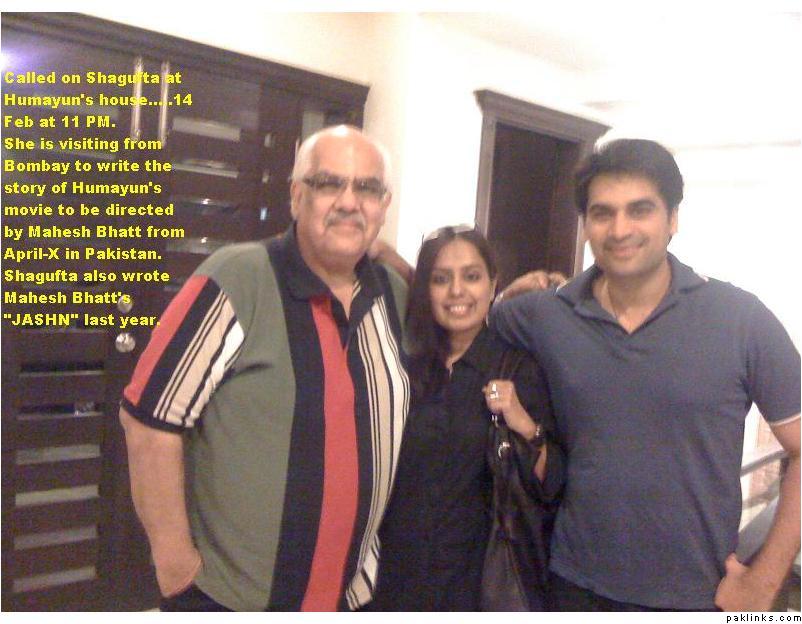
MEETING SHAGUFTA AT HUMAYUN’s WAS GREAT!
TOP 25 UNIVERSITIES OF THE WORLD
Lets take a look that which university has which position according to world university rankings 2009.
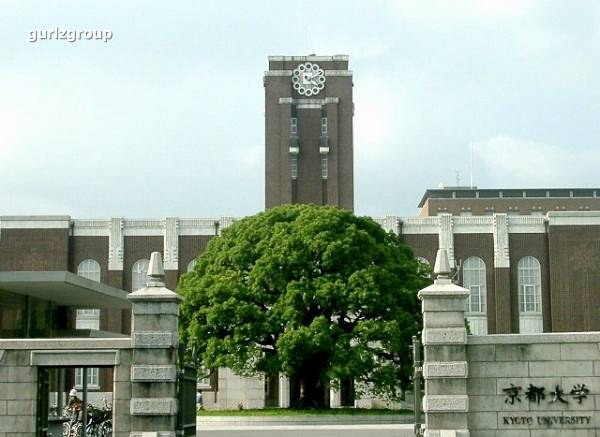
Kyoto University rated as 25th best university in World University Rankings 2009. Founded in 1897, Kyoto University has deeply considered its traditions of liberal and academic freedom, educating many. We continue to actively maintain these principles, which are the foundation of academic freedom. Kyoto University places top priority on basic research, develops advanced technology leading to the acquisition of intellectual property, and then returns this knowledge to society through education, social cooperation, and the opportunity for lifelong education. Kyoto University has 3 campuses nestled in a basin, which forms the main part of Kyoto, a city which in tradition and culture of which Kyoto University is a part.
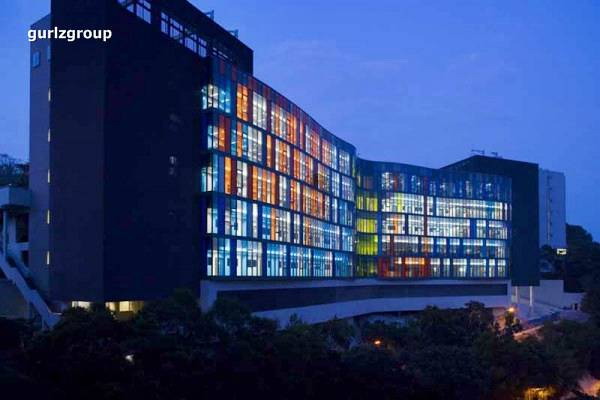
University of Hong Kong rated as 24th best university in World University Rankings 2009. The University of Hong Kong is the territory’s oldest university, and with a history that stretches back more than 90 years, it has grown with and helped shape the city from which it takes its name. The University of Hong Kong, as a pre-eminent international university in Asia, seeks to sustain and enhance its excellence as an institution of higher learning through outstanding teaching and world-class research so as to produce well-rounded graduates with lifelong abilities to provide leadership within the societies they serve. HKU has won a proud reputation as a world-class comprehensive research university. It offers internationally recognized qualifications and it is renowned for its academic and research excellence worldwide. As an English-medium university in China, HKU also offers researchers unique opportunities to bridge cultures and continents, and to explore more on China-related studies.

King’s College London rated as 23rd best university in World University Rankings 2009. King’s College London is a constituent college of the University of London in the United Kingdom. The college was founded by King George IV and the Duke of Wellington in 1829, and its royal charter is predated in England only by those of Oxford University and Cambridge University.. There are currently more than 19,000 students in nine Schools of study based at our five London campuses. We offer a vast range of undergraduate programmes, and whichever programme you choose to pursue, you will work with academics who are often national or international leaders in their field. As an undergraduate at King’s, you will become part of a vibrant and intellectually stimulating community. You will be inspired by researchers, discoverers and inventors who are pushing the boundaries of knowledge and will mix with students from across the UK, Europe and almost every country in the world. King’s has played a major role in many of the advances that have shaped modern life, such as the discovery of the structure of DNA. It is the largest centre for the education of healthcare professionals in Europe and is home to five Medical Research Council Centres – more than any other university.
University of Tokyo
University of Tokyo rated as 22th best university in World University Rankings 2009. The University of Tokyo abbreviated as Todai, is a major research university located in Tokyo, Japan. The University has 10 faculties with a total of around 30,000 students, 2,100 of whom are foreign. Its five campuses are in Hongō, Komaba, Kashiwa, Shirokane and Nakano. It is considered to be one of the most prestigious universities in Japan.
University of Edinburgh

University of Edinburgh rated as 21st best university in World University Rankings 2009. The University of Edinburgh was founded in 1583, making it one of Scotland’s ancient universities. The University offers over 600 first degree programmes, which includes over 300 joint degree combinations, spread across some 100 academic disciplines. More than 22,000 students study here, from all over the world and from a variety of backgrounds. The University has 22 Schools in three Colleges: Humanities & Social Science, Medicine & Veterinary Medicine, and Science & Engineering. World renowned and well respected, a degree from the University of Edinburgh will be recognised wherever you go. The University of Edinburgh’s success is not limited to Scotland, or even the UK. We have a well-deserved international reputation for excellence, as demonstrated in our partnerships with other key institutions worldwide, such as our work with Stanford University on Informatics. Many of our degree programmes offer the opportunity to spend some time studying abroad. Perhaps this international dimension helps explain why we have the largest proportion of international students of any Scottish university.
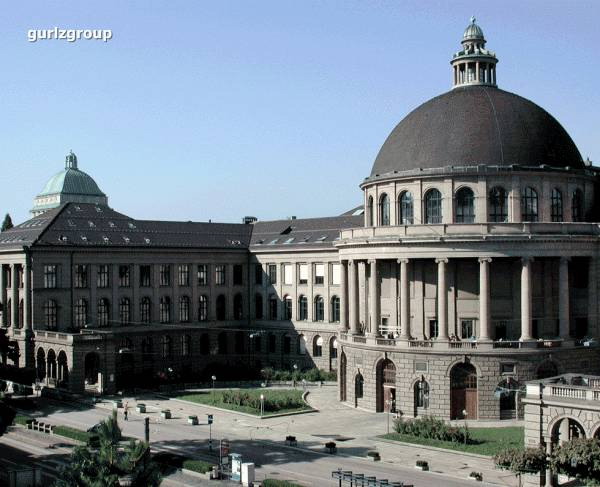
ETH Zurich (Swiss Federal Institute of Technology) rated as 20th best university in World University Rankings 2009. ETH Zurich’s 16 departments offer Bachelor, Master and Doctoral programmes in engineering and natural sciences. The language of instruction in the Bachelor programmes is German, whereas English is the prime language on the graduate level. All degree programmes provide a solid scientific foundation combined with outstanding all-round skills, equipping ETH graduates with the abilities and flexibility needed for a career in industry, business or the public sector, as entrepreneur or scientist..

University of Michigan rated as 18th best university in World University Rankings 2009. The University of Michigan, one of the world’s leading public universities, has 26,000 undergraduate and 15,000 graduate/professional students from all 50 states and 117 countries. Students may choose from over 200 undergraduate majors, over 90 master’s programs, and over 100 doctoral programs. Numerous research and study abroad opportunities are offered at both the undergraduate and graduate levels. A wide variety of social, cultural, and athletic activities are available. There is something for everyone here. The University is located in the culturally rich and exciting community of Ann Arbor. Distinct yet closely integrated with the University, Ann Arbor offers its own array of social and cultural offerings, to which University students are enthusiastically welcomed. The city is home to numerous parks and athletic facilities, and boasts an excellent public transportation system.
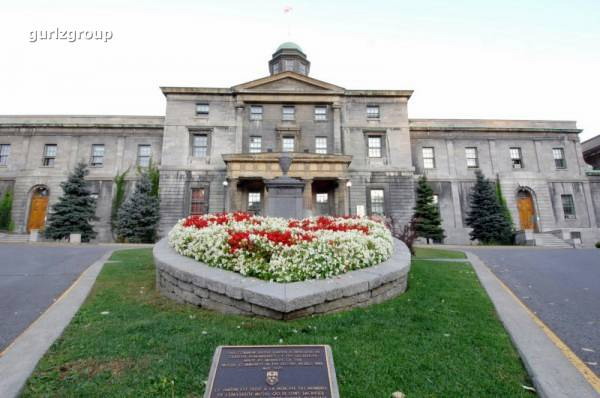
Mcgill University rated as 18th best university in World University Rankings 2009. Innovative research programs and cutting-edge facilities including our brand new Life Sciences Complex attract internationally respected faculty. Our faculty excel at research; in 2008, McGill professors Nahum Sonenberg and Charles Taylor took home, respectively, the Gairdner International Award and the Kyoto Prize, two of the world’s top research prizes. McGill’s faculty are committed to excellence in teaching, too, bringing their cutting-edge breakthroughs into the classroom. McGill’s 21 faculties and professional schools offer degrees in more than 300 fields of study. McGill offers a full range of bachelor’s, master’s, and doctoral programs as well as professional degrees in law, dentistry, business and medicine. The world-renowned Faculty of Medicine has four affiliated teaching hospitals and graduates more than 1,000 health care professionals each year.
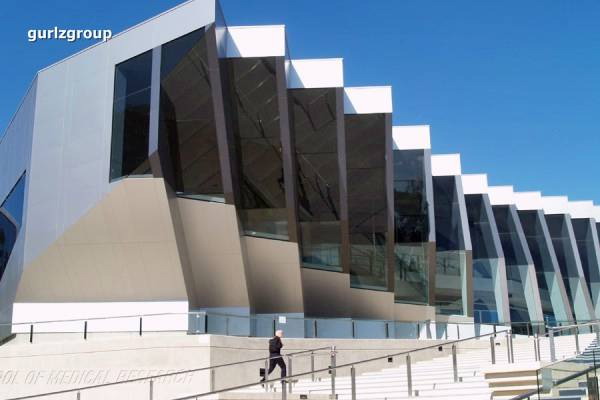
Australian National University rated as 17th best university in World University Rankings 2009. The Australian National University is one of the world’s foremost research universities. Distinguished by its relentless pursuit of excellence, ANU attracts leading academics and outstanding students from Australia and around the world. The primary educational objective of ANU is to become the university of choice for talented students locally, nationally and internationally by offering a unique range of research-led degree programs. Graduate education continues as one of the major focuses of the University and about one quarter of the total enrolment is undertaking post-graduate study. Regardless of whether those students are enrolled in the Institute of Advanced Studies or the Faculties, the full resources of both and of University Centres are available to them through the Graduate School.
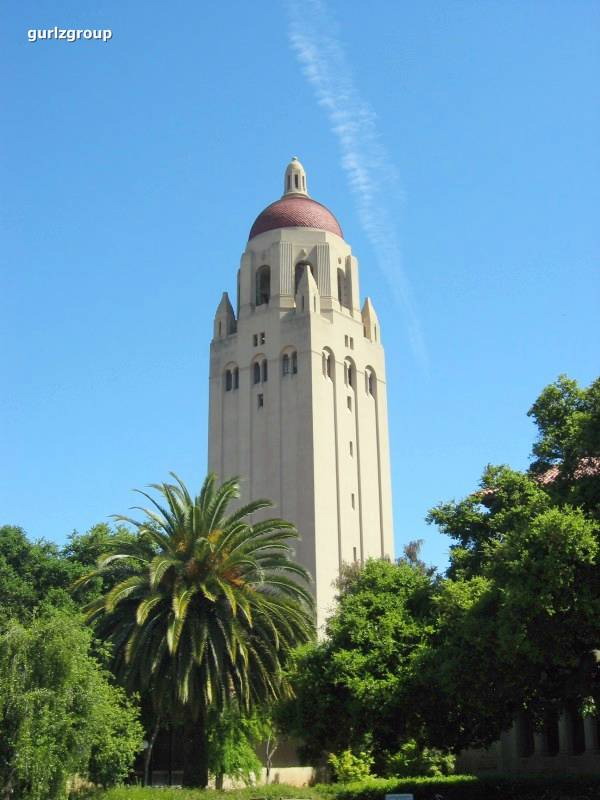
Stanford University rated as 16th best university in World University Rankings 2009. Stanford University, founded in 1885, is recognized as one of the world’s leading research and teaching institutions, with one of the most renowned faculties in the nation. Stanford students men and women of all races, ethnicities and ages are distinguished by their love of learning and desire to contribute to the greater community. Stanford University offers its students a remarkable range of academic and extracurricular activities. We are committed to offering an education that is unrivaled among research universities.
Cornell University rated as 15th best university in World University Rankings 2009. Once called “the first American university” by educational historian Frederick Rudolph, Cornell University represents a distinctive mix of eminent scholarship and democratic ideals. Adding practical subjects to the classics and admitting qualified students regardless of nationality, race, social circumstance, gender, or religion was quite a departure when Cornell was founded in 1865. Today’s Cornell reflects this heritage of egalitarian excellence. It is home to the nation’s first colleges devoted to hotel administration, industrial and labor relations, and veterinary medicine. Both a private university and the land-grant institution of New York State, Cornell University is the most educationally diverse member of the Ivy League.

Duke University rated as 14th best university in World University Rankings 2009. Duke University was created in 1924 by James Buchanan Duke as a memorial to his father, Washington Duke. The Dukes, a Durham family that built a worldwide financial empire in the manufacture of tobacco and developed electricity production in the Carolinas, long had been interested in Trinity College. Trinity traced its roots to 1838 in nearby Randolph County when local Methodist and Quaker communities opened Union Institute. The school, then-named Trinity College, moved to Durham in 1892. In December 1924, the provisions of James B. Duke’s indenture created the family philanthropic foundation, The Duke Endowment, which provided for the expansion of Trinity College into Duke University.
Johns Hopkins University, United States
Johns Hopkins University rated as 13th best university in World University Rankings 2009. The Johns Hopkins University, founded in Baltimore in 1876, was the first university in the Western Hemisphere founded on the model of the European research institution, where research and the advancement of knowledge were integrally linked to teaching. Its establishment began a revolution in U.S. higher education. The Johns Hopkins University, commonly referred to as Johns Hopkins, JHU, or simply Hopkins, is a private research university located in Baltimore, Maryland, United States. Johns Hopkins also maintains full-time campuses elsewhere in Maryland, Washington, D.C., Italy, China, and Singapore. Johns Hopkins University has an affiliated hospital and medical school. It is one of fourteen founding members of the Association of American Universities..
University of Pennsylvania, United States
University of Pennsylvania rated as 12th best university in World University Rankings 2009. The University of Pennsylvania (commonly referred to as Penn or UPenn) is a private research university located in Philadelphia, Pennsylvania, USA. Penn is the fourth-oldest institution of higher education in the United States, and is one of several institutions that claims to have been the first university in America. Penn is a member of the Ivy League and is one of the Colonial Colleges. University of Pennsylvania has been committed to excellence in scholarship, research and service. From its highly regarded undergraduate, graduate and professional schools to its wide-ranging program of interdisciplinary research and scholarship, Penn takes pride in being a place where students and faculty can pursue knowledge without boundaries, a place where theory and practice combine to produce a better understanding of our world and ourselves.
Columbia University, United States
Columbia University rated as 11th best university in World University Rankings 2009. Columbia University is one of the world’s most important centers of research and at the same time a distinctive and distinguished learning environment for undergraduates and graduate students in many scholarly and professional fields. The University recognizes the importance of its location in New York City and seeks to link its research and teaching to the vast resources of a great metropolis. It seeks to attract a diverse and international faculty and student body, to support research and teaching on global issues, and to create academic relationships with many countries and regions. It expects all areas of the university to advance knowledge and learning at the highest level and to convey the products of its efforts to the world.
California Institute of Technology (caltech)
California Institute of Technology (caltech) rated as 10th best university in World University Rankings 2009. The mission of the California Institute of Technology is to expand human knowledge and benefit society through research integrated with education. We investigate the most challenging, fundamental problems in science and technology in a singularly collegial, interdisciplinary atmosphere, while educating outstanding students to become creative members of society.
Massachusetts Institute of Technology (mit), United States
Massachusetts Institute of Technology (mit) rated as 9th best university in World University Rankings 2009. The Institute is committed to generating, disseminating, and preserving knowledge, and to working with others to bring this knowledge to bear on the world’s great challenges. MIT is dedicated to providing its students with an education that combines rigorous academic study and the excitement of discovery with the support and intellectual stimulation of a diverse campus community. We seek to develop in each member of the MIT community the ability and passion to work wisely, creatively, and effectively for the betterment of humankind.The mission of MIT is to advance knowledge and educate students in science, technology, and other areas of scholarship that will best serve the nation and the world in the 21st century.
PRINCETON University, United States
PRINCETON University rated as 8th best university in World University Rankings 2009. Princeton is the fourth-oldest college in the United States. As a research university, it seeks to achieve the highest levels of distinction in the discovery and transmission of knowledge and understanding, and in the education of graduate students. At the same time, Princeton is distinctive among research universities in its commitment to undergraduate teaching. The University provides its students with academic, extracurricular and other resources — in a residential community committed to diversity in its student body, faculty and staff — that help them achieve at the highest scholarly levels and prepare them for positions of leadership and lives of service in many fields of human endeavor.
University of CHICAGO, United States
University of CHICAGO rated as the 7th best university in World University Rankings 2009. The University of Chicago was founded in 1890 by the American Baptist Education Society and oil magnate John D.. Rockefeller. The University of Chicago has had a profound impact on American higher education; curricula across the country have been influenced by the emphasis on broad humanistic and scientific undergraduate education. The University also has a well-deserved reputation as the teacher of teachers.
University of OXFORD, United Kingdom
University of OXFORD rated the sixth best university in World University Rankings 2009. Oxford is the oldest university in the English-speaking world and lays claim to nine centuries of continuous existence. As an internationally renowned centre for teaching and research, Oxford attracts students and scholars from across the globe, with almost a quarter of our students from overseas. More than 130 nationalities are represented among a student population of over 18,000. Oxford is a collegiate university, with 39 self-governing colleges related to the University in a type of federal system. There are also seven Permanent Private Halls, founded by different Christian denominations.. Thirty colleges and all halls admit students for both undergraduate and graduate degrees. Seven other colleges are for graduates only; one has Fellows only, and one specializes in part-time and continuing education.
IMPERIAL College London
Imperial College London, rated the fifth best university in the world for 2009. Imperial College London is a university of world class scholarship, education and research in science, engineering and medicine, with particular regard to their application in industry, commerce and healthcare. The College has over 3,000 academic and research staff and almost 14,000 students from over 120 different countries. Our reputation for excellence in teaching and research in science, engineering, medicine and business attracts students and staff of the highest international calibre. Imperial College staff are frequently consulted by governments, and also act as members of professional bodies, advise industry, and offer informed comment to the media.
UCL (University College London)
UCL (University College London) rated the fourth best university in World University Rankings 2009. UCL is a multidisciplinary university with an international reputation for the quality of its research and teaching across the academic spectrum, with subjects spanning the sciences, arts, social sciences and biomedicine. In the 2008 Research Assessment Exercise (RAE) UCL was rated the best research university in London, and third in the UK overall, for the number of its submissions which were considered of world-leading quality. The university is located on a compact site in the very heart of London and is surrounded by the greatest concentration of libraries, museums, archives, cultural institutions and professional bodies in Europe.
Yale University, United States
Yale University rated as third best university in the World University Rankings 2009. Yale University is one of the most famous schools in the United States, with a long history of service and an alumni list that reads like a “Who’s Who” of successful people. Yale University is the fulfillment of a European vision of intellectual freedom that is aimed at the service of the community and country. It has championed over history and survived the most destructive calamities such as the American Revolution. Since then, the university has continually grown and progressed to a center for high quality education that is recognized by the global community. The university is considered one of the oldest institution of higher education in the US. It was founded in 1701 and is a proud member of the prestigious Ivy League.
University of Cambridge, United Kingdom
University of Cambridge rated the second best in World University Rankings 2009. The University of Cambridge is one of the oldest universities in the world and one of the largest in the United Kingdom. Its reputation for outstanding academic achievement is known world-wide and reflects the intellectual achievement of its students, as well as the world-class original research carried out by the staff of the University and the Colleges. Its reputation is endorsed by the Quality Assurance Agency and by other external reviewers of learning and teaching, such as External Examiners. These high standards are the result of both the learning opportunities offered at Cambridge and by its extensive resources, including libraries, museums and other collections. Teaching consists not only of lectures, seminars and practical classes led by people who are world experts in their field, but also more personalised teaching arranged through the Colleges. Many opportunities exist for students to interact with scholars of all levels, both formally and informally.
***1. Harvard University, United States ***
Harvard University rated as the number one university in World University Rankings 2009. Harvard is America’s oldest institution of higher learning, founded 140 years before the Declaration of Independence was signed. The University has grown from nine students with a single master to an enrollment of more than 18,000 degree candidates, including undergraduates and students in 10 principal academic units. An additional 13,000 students are enrolled in one or more courses in the Harvard Extension School. Over 14,000 people work at Harvard, including more than 2,000 faculty. There are also 7,000 faculty appointments in affiliated teaching hospitals.
IT WAS GREAT TO WELCOME
MY GOOD FRIEND ZEBA AT MY OFFICE TODAY NOON;
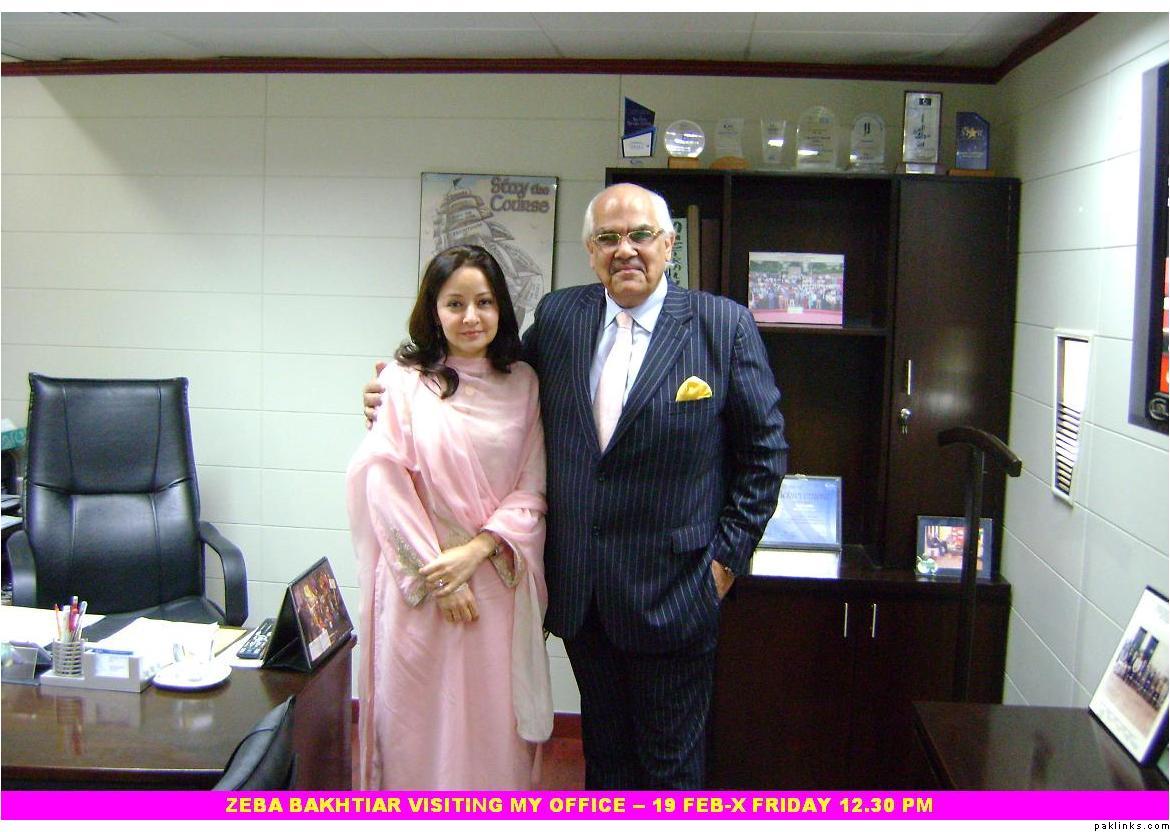
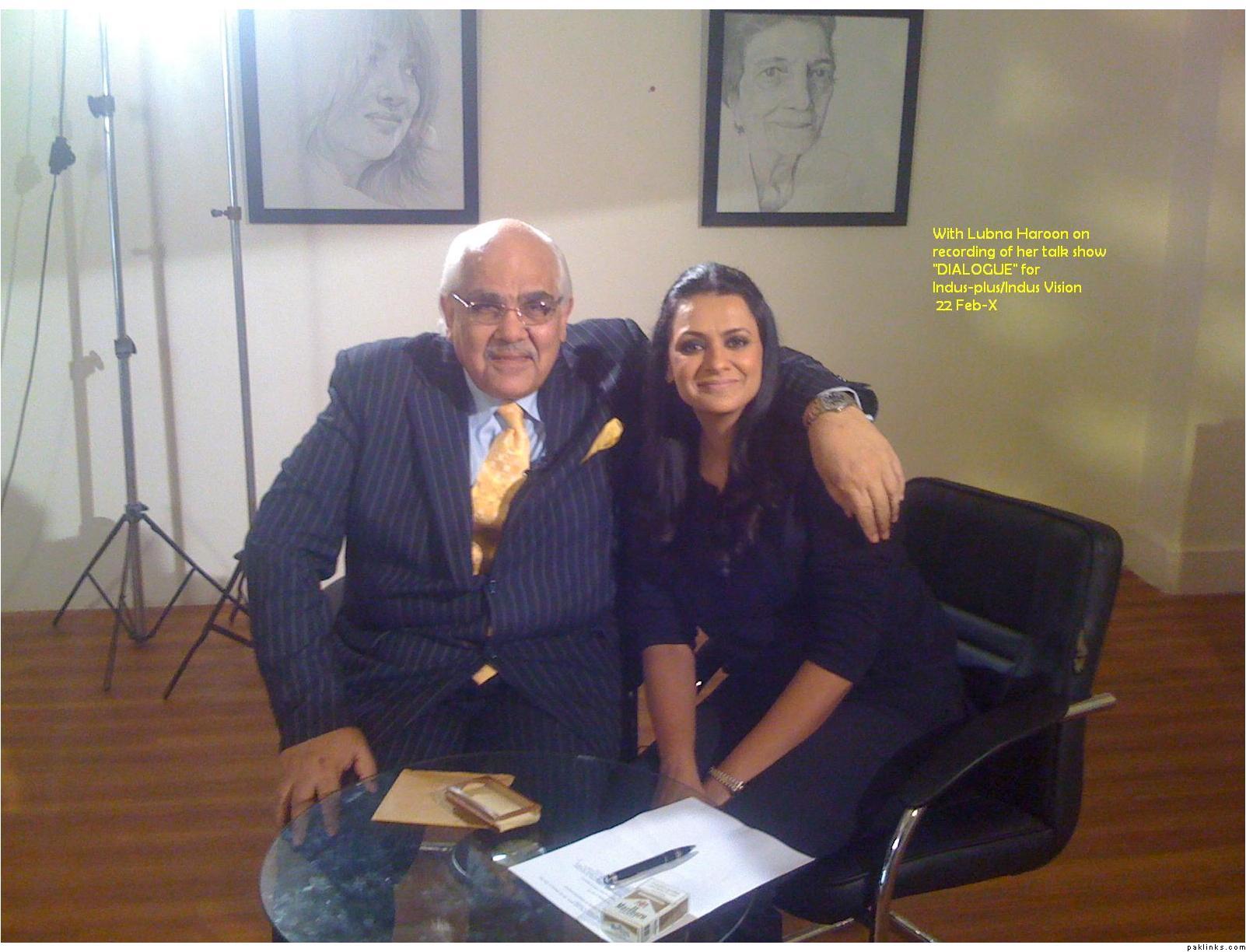
RECORDING OF ENGLISH TALK SHOW
“DIALOGUE”
ON AIR ON INDUS-plus ( INDUS VISION)
ON SATURDAY-27th FEB-2010 AT 8.15 PM PST
(RECORDING DONE ON 22 FEB-X WITH LUBNA HAROON, THE ANCHOR)
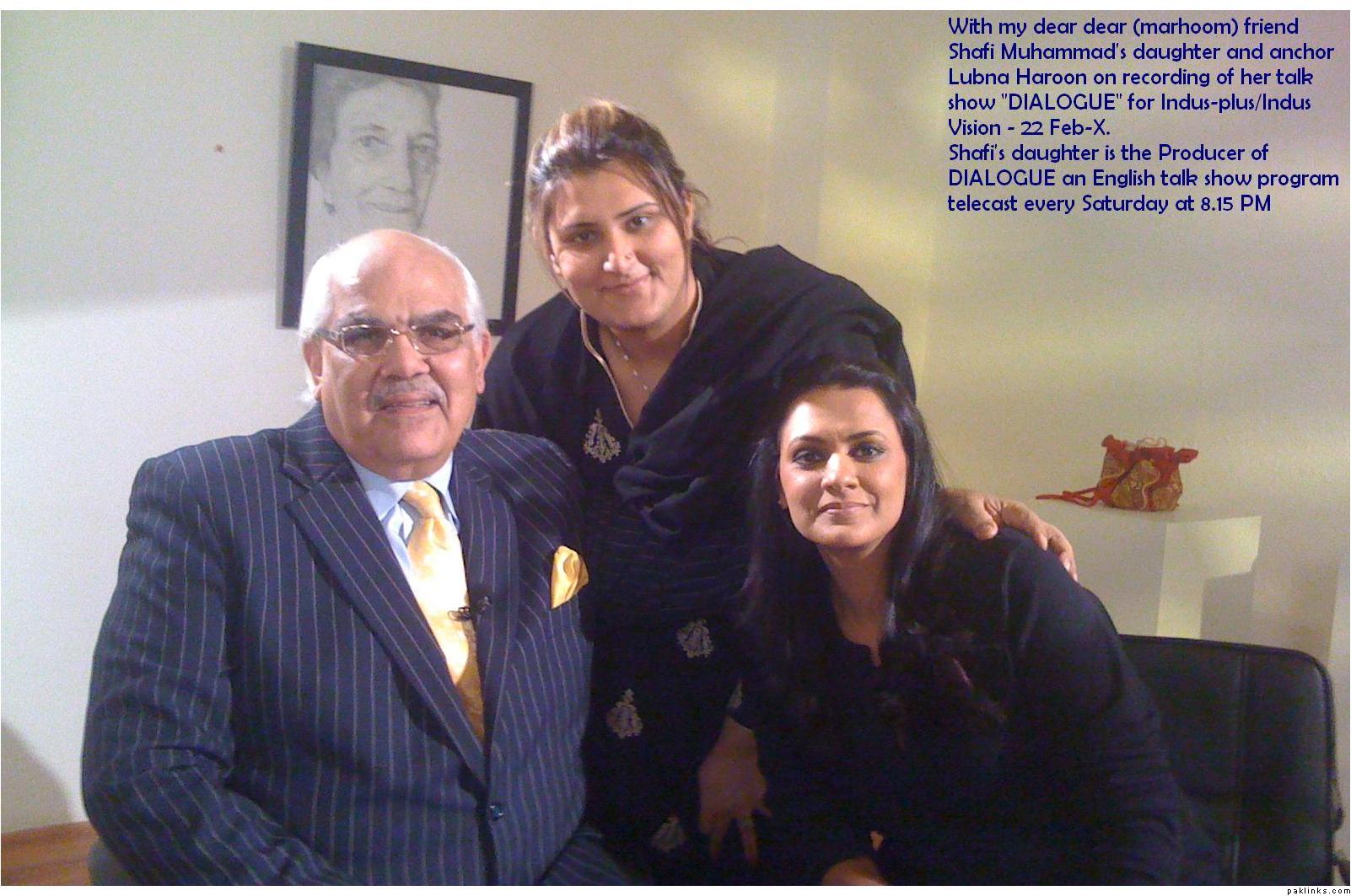
WITH THE PRODUCER STANDING IN BETWEEN
THE DAUGHTER OF MY DEAR DEAR FRIEND IN SHOWBIZ
LATE SHAFI MOHAMMAD (ALLAH BAKHSHAY)
.jpg)
MY FATHER
DR. JAMILUDDIN AALI
HOLI
Holi, also called the Festival of Colours, is a popular Hindu spring festival observed in India, Nepal, Srilanka, and countries with large Hindu diaspora populations, such as Suriname, Guyana, South Africa, Trinidad, UK, USA, Mauritius, and Fiji. In West Bengal of India and Bangladesh it is known as Dolyatra (Doul Jatra) or Basanta-Utsav (“spring festival”). The most celebrated
Holi is that of the Braj region, in locations connected to the god Krishna: Mathura, Vrindavan, Nandagaon, and Barsana. These places have become tourist destinations during the festive season of Holi, which lasts here to up to sixteen days.
The main day, Holi, also known as Dhulheti, Dhulandi or Dhulendi, is celebrated by people throwing colored powder and colored water at each other. Bonfires are lit the day before, also known as Holika Dahan (burning of Holika) or Chhoti Holi (little Holi). The bonfires are lit in memory of the miraculous escape that young Prahlad accomplished when Demoness Holika, sister of Hiranyakashipu, carried him into the fire. Holika was burnt but Prahlad, a staunch devotee of god Vishnu, escaped without any injuries due to his unshakable devotion. Holika Dahan is referred to as Kama Dahanam in
Andhra Pradesh.
Holi is celebrated at the end of the winter season on the last full moon day of the lunar month Phalguna (February/March), (Phalgun Purnima), which usually falls in the later part of February or March. In 2009, Holi (Dhulandi) was on March 11 and Holika Dahan was on March 10.
Rangapanchami occurs a few days later on a Panchami (fifth day of the full moon), marking the end of festivities involving colors.
**Significance
**In Vaishnava Theology, Hiranyakashipu is the king of demons, and he had been granted a boon by Brahma, which made it almost impossible for him to be killed. The boon was due to his long penance, after which he had demanded that he not be killed “during day or night; inside the home or outside, not on earth or on sky; neither by a man nor an animal; neither by astra nor by shastra”. Consequently, he grew arrogant, and attacked the Heavens and the Earth. He demanded that people stop worshipping gods and start praying to him.
Despite this, Hiranyakashipu’s own son, (Prahlada), was a devotee of Lord Vishnu. In spite of several threats from Hiranyakashipu, Prahlada continued offering prayers to Lord Vishnu. He was poisoned but the poison turned to nectar in his mouth. He was ordered to be trampled by elephants yet remained unharmed. He was put in a room with hungry, poisonous snakes and survived. All of Hiranyakashipu’s attempts to kill his son failed. Finally, he ordered young Prahlada to sit on a pyre on the lap of his sister, Holika, who could not die by fire by virtue of a shawl which would prevent fire affecting the person wearing it. Prahlada readily accepted his father’s orders, and prayed to Vishnu to keep him safe. When the fire started, everyone watched in amazement as the shawl flew from Holika, who then was burnt to death, while Prahlada survived unharmed, after the shawl moved to cover him. The burning of Holika is celebrated as Holi.
Later Lord Vishnu came in the form of a Narasimha (who is half-man and half-lion) and killed Hiranyakashipu at dusk (which was neither day nor night), on the steps of the porch of his house (which was neither inside the house nor outside) by restraining him on his lap (which is neither in the sky nor on the earth) and mauling him with his claws (which are neither astra nor shastra).
In Vrindavan and Mathura, where Lord Krishna grew up, the festival is celebrated for 16 days (until Rangpanchmi in commemoration of the divine love of Radha for Krishna). Lord Krishna is believed to have popularized the festival by playing pranks on the gopis here. Krishna is believed to have complained to his mother about the contrast between his dark skin complexion and Radha’s (Shakti or energy that drives the world) fair skin complexion. Krishna’s mother decided to apply colour to Radha’s face. The celebrations officially usher in spring, the celebrated season of love.
There is alternate story detailing the origin of Holi. This story is about Kamadeva, a god of love. Kama’s body was destroyed when he shot his weapon at Shiva in order to disrupt his meditation and help Parvati to marry Shiva. Shiva then opened his third eye, the gaze of which was so powerful that Kama’s body was reduced to ashes. For the sake of Kama’s wife Rati (passion), Shiva restored him, but only as a mental image, representing the true emotional and spiritual state of love rather than physical lust. The Holi bonfire is believed to be celebrated in commemoration of this event.
Holi is a festival of radiance (Teja) in the universe. During this festival, different waves of radiance traverse the universe, thereby creating various colours that nourish and complement the function of respective elements in the atmosphere.
**Rituals of Holi
**Earliest textual references regarding celebration of Holi have been found the 7th century Sanskrit drama, Ratnavali [3] . Holi has certainly perennial rituals attached to it, the first is smearing of coloured powder on each other, and throwing water, coloured and scented using pichkaris, shaped like giant syringes or squirt guns. Though the festival really begins many days in advance, with ‘Holi Milan’ or Baithaks, musical soirees, where song related to the festival, and the epic love story of Radha Krishna are sung; specially type of folk songs, known as “Hori” are sung as well. Some classical ones like Aaj biraj mein Holi re rasiya, have been present in the folklore for many generations.
Food preparations also begin many days in advance, with assemblage of gujia, papads, kanji and various kinds of snack items including malpuas, mathri, puran poli, dahi badas, which are served to Holi guests. The night of Holi, the baithak turn into event of churning bhang ( cannabis) to make intoxicating milk shakes.
Holika Dahan: The Holi bonfire
The main emphasis of the festival is on the burning of the holy fire or Holika. The origin of the traditional lighting of Holi is attributed by some to the burning of demonesses like Holika, Holaka and Putana who represent evil, or to the burning of Madan according to others.
Traditionally a bonfire on the day of Holi, marks the symbolic anhilation of a demoness Holika the sister of demon, Hiranyakashipu, in Hindu mythology, while trying to kill, a devotee, Bhakta Prahlad.
This is akin to other festivals where effigies are burned, like Ravana Dahan on Vijayadashami (Dusshera) day, also in many other religions across the world, signifying end of dark or demonic forces, though with Holika Dahan, the effigy has now been all but vanished or present in a symbolic form, except in few areas in the Braja region, where effigies are still seen on street corners and public squares, piled on top of an assemblage wood. This set to fire after ritualistic worship, and people make pradakshina of the bonfire. The next day this victory is celebrated as the day of Dulhendi.
In some practices particularly in the UK, coconuts are thrown into the fire and then pulled out. The burnt husk of the coconut represents Holika who died in the pyre. The white inside represents Prahlad, who was still alive and unaffected by the pyre.
**Dulhendi
**Principal ingredients of celebration are Abeer and Gulal, in all possible colours. Next comes squirting of coloured water using pichkaris. Coloured water is prepared using Tesu flowers, which are first gathered from the trees, dried in the sun, and then ground up, and later mixed with water to produce orange-yellow coloured water. Another traditional Holi item now rarely seen is a where a red powder enclosed in globes of Lakh, which break instantly and covering the party with the powder.
**Regional rituals and celebrations
**Dol-Purnima (Rang Panchami), the festival of colour is celebrated with great festivity and joy. On this day, people come out wearing pure white clothes and gather together in a common place where they play it with gay abandon.
**Nepal
**In Nepal, Holi is regarded as one of the greatest festivals, as important as Dashain (also known as Dussehra in India) and Tihar or Dipawali (also known as Diwali in India). Since more than 80% of people in Nepal are Hindus[5], Holi, along with many other Hindu festivals, is celebrated in Nepal as a national festival and almost everyone celebrates it regardless of their religion, e. g., even Muslims celebrate it. Christians may also join in, although since Holi falls during Lent, many would not join in the festivities. The day of Holi is also a national holiday in Nepal.
People walk down their neighbourhoods to celebrate Holi by exchanging colours and spraying colored water on one another. A popular activity is the throwing of water balloons at one another, sometimes called Lola (meaning water balloon)[6]. Also a lot of people mix ‘bhang’ in their drinks and food, as also done during Shivaratri. It is believed that the combination of different colours played at this festival take all the sorrow away and make life itself more colourful.
**India
**In Punjab Sikhs celebrate a similar festival known as Hola Mohalla. It is played on grand scale. In fact, the Holi celebration at Anandpur Sahib is famous all around India. Even people from abroad go to Punjab to celebrate Holi in northern style.
Barsana is the place to be at the time of Holi. Here the famous Lath mar Holi is played in the sprawling compound of the Radha Rani temple. Thousands gather to witness the Lath Mar holi when women beat up men with sticks as those on the sidelines become hysterical, sing Holi Songs and shout Sri Radhey or Sri Krishna. The Holi songs of Braj mandal are sung in pure Braj Bhasha.
Holi played at Barsana is unique in the sense that here women chase men away with sticks. Males also sing provocative songs in a bid to invite the attention of women. Women then go on the offensive and use long staves called lathis to beat men folk who protect themselves with shields. In Sultanpur UP Holi is fun.All villages are involved to enjoy altogether.
In Mathura, the birth place of Lord Krishna, and in Vrindavan this day is celebrated with special puja and the traditional custom of worshipping Lord Krishna, here the festival last for sixteen days [1]. All over the Braj region and its nearby places like Hathras, Aligarh, Agra the Holi is celebrated in more or less same way as in Mathura, Vrindavan and Barsana.
In Gorakhpur, the northeast district of Uttar Pradesh, this day is celebrated with special puja in the morning of Holi day. This day is considered to be the happiest and colorful day of the year promoting the brotherhood among the people. This is known as “Holi Milan” in which people visit every house and sing holi song and express their gratitude by applying colored powder (Abeer). Holi is also considered as the end of the year as it occurs on the last day of last Hindu calendar month Phalgun. People also kickoff for the next year planning with new year Hindu calendar (Panchang) at the evening of Holi.
Holi is celebrated with the same fervour and charm in Bihar as in rest of north India. It is known as Phagwa in the local Bhojpuri dialect. Here too, the legend of Holika is prevalent. On the eve of Phalgun Poornima, people light bonfires. They put dung cakes, wood of Araad or Redi tree and Holika tree, grains from the fresh harvest and unwanted wood leaves in the bonfire. Following the tradition people also clean their houses for the day.
At the time of Holika people assemble near the fire. The eldest member or a purohit initiates the lighting. He then smears others with colour as a mark of greeting. Next day the festival is celebrated with colours and lot of frolic.
Children and the youth take extreme delight in the festival. Though the festival is usually played with colors at some places people also enjoy playing holi with mud. Folk songs are sung at high pitch and people dance to the tune of dholak and the spirit of Holi.
Intoxicating bhang is consumed with a variety of mouth watering delicacies such as pakoras and thandai to enhance the mood of the festival. Vast quantities of liquor are consumed alongside ganja and bhang, which is sometimes added to foodstuffs.
**Bengal
**On the Dol Purnima day in the early morning, the students dress up in saffron-coloured clothes and wear garlands of fragrant flowers. They sing and dance to the accompaniment of musical instruments like ektara, dubri, veena, etc. Holi is known by the name of ‘Dol Jatra’, ‘Dol Purnima’ or the ‘Swing Festival’. The festival is celebrated in a dignified manner by placing the idols of Krishna and Radha on a picturesquely decorated palanquin which is then taken round the main streets of the city or the village. The devotees take turns to swing them while women dance around the swing and sing devotional songs. All this while men keep spraying coloured water and coloured powder, abir, at them.
The head of the family, observes fast and prays to Lord Krishna and Agnidev. After all the traditional rituals are over, he smears Krishna’s idol with gulal and offers “bhog” to both Krishna and Agnidev.
In Shantiniketan, holi has a special musical flavour.Traditional dishes include malpoa, kheer sandesh, basanti sandesh(of saffron),saffron milk, payash,etc. Festival of colours, Holi is celebrated with great fanfare in the Gujarat state of India. Falling on the full moon day in the month of Phalguna, Holi is a major Hindu festival and marks the agricultural season of the Rabi crop.
Bonfire is also lit in the main squares of the villages, localities and colonies. People collect at the time of bonfire and celebrate the event, which is symbolic of the victory of good over evil by singing and dancing. Tribals of Gujarat celebrate Holi in great enthusiasm and dance around the fire.
In Western India, Ahmedabad in Gujarat, a pot of buttermilk is hung high on the streets and young boys try to reach it and break it by making human pyramids while the girls try to stop them by throwing coloured water on them to commemorate the pranks of Krishna and cowherd boys to steal butter and ‘gopis’ trying to stop them. At this time the men soaked with colours go out in large procession to mock alert people of the Krishna who might come to steal butter in their homes. The boy who finally manages to break the pot is crowned the Holi King of the Year for that community.
At some places, there is a custom in the undivided Hindu families that the women of the families beat their brother-in-law with her sari rolled up into a rope in a mock rage as they try to drench them with colours and in turn the brother-in-law bring sweetmeats for her in the evening.
**Kashmir
**Civilians as well as the Indian security force officers celebrate Holi in Kashmir. Holi, a high-spirited festival to mark the beginning of the harvesting of the summer crop, is marked by the throwing of coloured water and powder and singing and dancing.The region also has its own variety of Holi, the festival is celebrated with great jest and enthusiasm. Dhampur is a city and a municipal board in Bijnor district in the state of Uttar Pradesh, India. Holi of Dhampur is famous in whole Western UP. Over the years, Holi has become an important festival in many regions wherever Indian diaspora had found its roots, be it in Africa, North America, Europe and closer home in South Asia.
**Traditional Holi
**The spring season, during which the weather changes, is believed to cause viral fever and cold. Thus, the playful throwing of natural coloured powders has a medicinal significance: the colours are traditionally made of Neem, Kumkum, Haldi, Bilva, and other medicinal herbs prescribed by Āyurvedic doctors.
A special drink called thandai is prepared (commonly made of almonds, pistachious,rose petals etc), sometimes containing bhang (Cannabis indica). For wet colours, traditional flowers of Palash are boiled and soaked in water over night to produced yellow coloured water, which also had medicinal properties. Unfortunately the commercial aspect of celebration has led to an increase in the use of synthetic colours which, in some cases, may be toxic.
As the Spring-blossoming trees that once supplied the colours used to celebrate Holi have died, chemically produced industrial dyes have been utilized to take their place in almost entire urban India. In 2001, a fact sheet was published by the groups Toxics link and Vatavaran based in Delhi on the chemical dyes used in the festival. They found safety issues with all three forms in which the Holi colours are produced: pastes, dry colours and water colours.
In investigating the pastes, they found toxic chemicals with potentially severe health impacts. The black pastes were found to contain lead oxide which can result in renal failure. Two colors were found to be carcinogenic: silver, with aluminum bromide, and red, with mercury sulphate. The Prussian blue used in the blue paste has been associated with contact dermatitis, while the copper sulphate in the green has been documented to cause eye allergy, puffiness and temporary blindness.