Re: INTERESTING LIVES and INTERESTING FACTS
**This Day in History, March 15 **
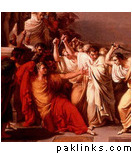
***On March 15th, 44 B.C., ***
***Julius Caesar was assassinated by Brutus and other Roman senators. ***
Re: INTERESTING LIVES and INTERESTING FACTS
**This Day in History, March 15 **
***On March 15th, 44 B.C., ***
***Julius Caesar was assassinated by Brutus and other Roman senators. ***
Re: INTERESTING LIVES and INTERESTING FACTS
E-mail is ruining my life!
By Ben Limberg
BBC Money Programme
Two million e-mails are sent every minute in the UK. That is almost three billion each day.

***But what is the real cost of this information overload? ***
E-mail on the move adds to workers’ stress levels
***We can spend up to half our working day going through our inbox, leaving us tired, frustrated and unproductive.
A recent study found one-third of office workers suffer from e-mail stress. ***
***And it is expensive, too. One FTSE firm estimated that dealing with pointless e-mails cost it £39m a year. ***
***Now firms are being forced to help staff deal with the daily avalanche in their inboxes. Some hire e-mail consultants, while others are experimenting with e-mail free days. ***
***Ray Tomlinson is not a household name, but perhaps he should be. Ray was responsible for the e-mail revolution.
In 1971, he developed the code that enabled him to send an e-mail between two computers for the first time. ***
***He says: “I do feel proud of this accomplishment. In some sense it was such a simple thing to do at the time, but it has had ramifications through many people’s lives. What I didn’t anticipate is how fast it would grow once it started growing.” ***
***Paperless pioneer
Ray’s aim was to make it possible to communicate between computers.
“At the time, it was possible to send messages to other users on the same computer, and because these computers were expensive they had many, many users, typically in the hundreds,” he says.
“And so you could send it to a user on the same computer but not on a computer elsewhere.”
His creation was a short, 200-line programme, to which he added the @ symbol. ***
***Spam is a problem… There just seems to be an endless stream of it ***
***Ray Tomlinson
"The @ sign was an obvious choice to me anyway, because what I was looking for was a character that I could put between the name, or the login name of a person, and the name of the computer that he was on.
“The @ sign, at least in English, means ‘at’. It’s a preposition, it designates where this person is in some sense, and so it was kind of an obvious choice.” ***
***Electronic mail was born. Businesses realised the potential of this paperless, near-instant form of communication.
And changing the way we communicate changed the way we worked.
This technology also has its downside. It’s too easy to write an e-mail and hit the send button. ***
*** Is e-mail the appropriate tool for collaborative working? ***
***Open University: E-mail ‘a square peg in a round hole’
And when an e-mail goes wrong, it can be around the world in 80 seconds and headline news the next day. ***
***On average, we spend 52 hours a year just dealing with our junk mail. ***
***That’s not something that Ray Tomlinson anticipated. “Spam is a problem,” he admits. ***
***"Some people unfortunately have been hit with a form of spam in which there just seems to be an endless stream of it coming in - and that is unfortunate. " ***
***Cutting down
Professor Cary Cooper advises the government on stress in the workplace. Britons take 14 million sick days due to stress every year. He believes e-mail is a major source of employee anxiety.
“E-mail inboxes are causing employees concern, because of the number of e-mails and the poorly written e-mails. They really want to find some sort of solutions for these problems,” he says.
"We are 24/7, we are interfaced by the mobile phone, by Blackberrys, by e-mails, by a whole range of technologies, so that we are almost on call all the time. ***
***It can be hard to keep your e-mails under control
“For me, e-mail is one of the most pernicious stressors of our time.”
City accountancy firm Deloitte found its employees had a problem with e-mail overload. ***
***So it came up with a radical solution.
“A lot of people complain they get too much e-mail, that they’re swamped with it, a lot of the messages they receive are unwanted, unnecessary targeted to the wrong people,” says Mary Hensher, who heads Deloitte’s IT department.
"We all tried to see if we could avoid sending internal e-mail on a Wednesday. Now the first thing that happened was it got everybody talking.
“Everybody started to think about what they were sending, who they were sending it to and whether they could use another method instead of sending the e-mail. So it had a very good immediate response, where people were actually thinking more about what they were doing.” ***
***E-mail is so ingrained in our working lives that Deloitte’s experiment was abandoned after only a month. But the company still thinks it was worth it. ***
***“Although the e-mail free day is not an e-mail free day any more, the actual amount of internal email circulating has dropped, because people are more conscious of what they’re sending,” Ms Hensher says. ***
HAVE YOUR SAY
If I’m out for the day I will receive around 1800 e-mails.
-Raju Jamil, Karachi, Pakistan
Send us your comments
***Top tips
One man that might have the answer to all the problems surrounding e-mail is Loughborough University’s Dr Tom Jackson.
He has spent the last nine years researching and developing better e-mail practice and has five tips he believes can help you take control of your inbox: ***
***Invest in a spam filter. You shouldn’t open a spam e-mail, because as soon as you open the e-mail up, it notifies the organisation that has sent that, saying this is a valid e-mail address. They know how long you’ve looked at it, when you looked at it and did you go back to it. ***
***Target your e-mail. One of most annoying things about e-mail is the sheer number of messages we receive that aren’t addressed primarily to us. Does everyone in the cc box really need to be copied in on your words of wisdom? Basically, a cc is there for information purposes only, and you should only use it for that purpose. ***
***Write more carefully. The reason to write carefully is crystal clear. It just vastly increases the chance that whatever it is you want to get done will get done. If you don’t write carefully, there’s room for misunderstanding.
Reduce interruptions. I think it does start to stress people out. Simply by changing the way they have their e-mail application set up, they can start to reduce some of that stress. ***
Get training. E-mail seems like common sense. Anyone can write an e-mail. But the issues we’re having are that many people are struggling with e-mail communication - and training can really help with that.
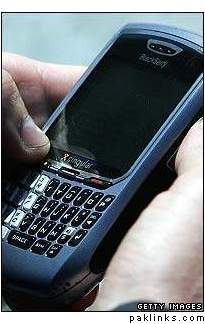
*The Money Programme: E-mail is ruining my life! BBC2 was at 1900 on Friday, 7 March. *
Re: INTERESTING LIVES and INTERESTING FACTS
Usury—The Root of All Evil?
The love of money is the root of all evil.
— 1 Timothy 6:10
Why do people value money so much?
There is, after all, nothing very attractive about grubby pieces of paper, dirty metal discs, or digital records in a database. Money gives us the ability to obtain the things or situations we desire. With money we can buy the security, power, recognition, stimulus,
or whatever else we think we need in order to find fulfillment.
But money also has more pernicious effect upon society. It takes no great mind to see that financial expediency lies behind much of our inhumanity to each other and our callous treatment of other creatures. Some more radical thinkers have argued that money should be eliminated—and with it the notions of possession and property. It is certainly true that some of the less material cultures have no notion of property, possession or money; and have survived very well, and in greater harmony with the rest of life. But in the more-developed societies some means of symbolic exchange is essential—we may not always want to receive chickens in return for our solar panels.
Furthermore, eliminating money would only eliminate the symptom of the problem. It is not 'money' that is the root of all evil (as is sometimes misquoted) but 'the love of money'.
Usury
Our love of money not only causes us to make decisions that are not in our own best interests, it also leads to usury
—the charging of interest on a loan.
Nothing wrong with that, one might think (particularly if you are the lender), everyone does it. Why should others not pay for the use of one's money? At the very least we should receive a sufficient return on our investments to keep up with inflation —and if we can make abit more, why not?
But it turns out that the lending of money at interest is one of the principle causes of inflation in the first place. And, as we shall see, fuels many of humanity's other crises.
Outlawed
*It is only in relatively recent times that usury has become a widely accepted practice. Though not that widely accepted. It is forbidden by the Koran, and today there are still many Islamic countries in which banks are not allowed to the charge interest.*
**It was also originally outlawed in Judaism—and still is in some quarters. **
The Old Testament Book of Leviticus declares that 'Thou shalt not give him money upon usury nor exact of him any increase of fruits'. And in Ezekiel it is advised that the just man does not 'lend upon usury'. Yet, as happens with most religious traditions, the teachings gradually became diluted, distorted or ignored. By the time of Jesus the making of money on the lending and changing of money had become such an acceptable practice that it was even permitted within the precincts of temples. The upholders the Law, the 'good', were condoning the root of all evil. And so he threw the money-changers out.
The cultures of ancient Greece and Rome likewise denounced usury. Aristotle called it the most unnatural and unjust of all trades. Money, he said, was to be used for exchange, not the breeding of money from money. Plato condemned it on the grounds that it set one class against another and was therefore destructive to the state. In Rome Cicero, Cato and Seneca made similar censures.
***Usury was outlawed by the Church of Rome's Canon Law, but people got around it by various means. One was to claim that it was impractical to lend money completely free. There were, after all, various small costs involved—the time and paperwork, and sometimes the shipment—and some borrowers failed to repay their loans.Why should the lender lose money? So the Church allowed lenders to charge an interisse—the Latin word for 'a loss'—to cover these costs. Soon this 'loss charge' became a fixed percentage, and as greed reared its ugly head the percentage grew, turning the loss into a profit.
***Usury was back, but under a new name—interest.
The Reformation saw the full legitimization of usury. Calvin, one of the fathers of the Reformation dismissed Biblical references to the evils of making money out of money, arguing that they were irrelevant to his times, and that charging interest was as reasonable as charging rent for land. (Although American Indians and other cultures might wish to replace 'as reasonable' with 'as unreasonable'.) And when Henry VII broke from Rome to set up 'The Church of England', he not only legitimized divorce he also gave the official seal of approval to usury.
The debate on the rights and wrongs of charging interest continued through the seventeenth and eighteenth centuries, but in the end the lure of easy money won the day. Today its hardly questioned; except perhaps by the person whose life is made a misery by the interest payments he cannot keep up. But certainly not by the governments and banks who make themselves so much money out of it. Nor by all the people who lend their money to these money-lenders on deposit.
Making Money
The impact of usury on our world runs far deeper than making the rich richer and the poor poorer—with all the social tensions that engenders. It exacerbates some of the most critical problems of our time.
In essence usury is wanting something for nothing. Lending money involves no input of human labor—apart perhaps from signing of an agreement and entering some data in a computer. Nor does the act of lending in itself produce anything. The borrower may well use the money to do something useful, but the lender has done nothing. Yet he or she still expects to receive something in return.
But where does this extra something come form? Most money-lenders are so concerned with their own gains they do not consider this question—or turn a blind-eye to it. Yet it is the ultimate source of this additional money that makes usury such an undesirable practice.
Let me explain a little further. Most of the money in circulation consists not of notes and coins, but credit—the money the banks have loaned out to individuals and corporations, and which 'circulates' as it gets transferred from one bank account to another. The banks, of course, demand their interest on all this money out on loan, and in order that this interest can be paid the amount of money in circulation must increase. This extra money does not grow on trees; nor, except in the case of gold, can it be dug out of the ground. It is the banks who supply the additional money, and they do this by making more loans.
These additional loans are, of course, made at an interest, with the result that the money supply must be increased yet further to accommodate them. And so on…
Adding Fuel To The Fire
Having continually to increase the money supply in order that the interest be paid has two undesirable consequences. First, it promotes inflation. This occurs because the increase in money supply does not in itself increase a nation's wealth. Increase in wealth comes from increased income from products and services. But seldom is this anything like as high as the increase in money supply. The difference is absorbed by inflation.
Let us take a very simple example—economists would make it a little more complex, but similar principles would apply. Suppose that the banks increase the money supply at the rate of 10% per year but the increase in economic growth is only 4%—quite an optimistic figure for most countries. For every $100 worth of real wealth a year ago there is now $104 worth, but the amount of money representing this new wealth has grown to $110. The net effect is that value of the money in circulation has been diluted by 6%. In other words, it takes more dollars to buy the same thing, This we call inflation.
Nobody likes inflation, particularly the money-lenders. If all the extra money supply is soaked up by inflation they make no net profit. Much better is to compensate for as much as possible of the extra money by increasing the real wealth. This results in a second undesirable consequence of continually increasing money supply
—endless economic growth.
It is true that in our current system growth is deemed necessary for a 'healthy economy' and the maintenance of decent standard of living. But it is only necessary because of usury in the first place. And when we consider the wider impact of endless economic growth we are forced to question the real health of such an economy.
Nothing else in nature indulges in endless growth—except a malignant cancer, and from the perspective of its host that is far from healthy.
**Since the rate of interest charged on a loan is a compound rate, the growth in the money supply and the consequent need for economic 'growth' increase exponentially. A dollar invested at 10% compound interest would be 'worth' $1.1 after one year; $1.21 after two years; $2.59 after ten years; $117.39 after fifty years; $13,780.65 after a hundred years; and around **
**$2.473,000,000,000,000,000,000,000,000,000,000,000,000,000,000,000,000 **
after a thousand years—which is about ten trillion times the weight of the Earth in gold (at its current value). Imagine trying to collect the interest on that. *It is little wonder then economies based on usury eventually collapse.*
Debt Across The World
We are trying to apply similar accelerating growth to the global economy. For a while the effects were absorbed by the growing size of the population and increasing industrialization. But now that population growth and industrialization are reaching their limits, the environment is beginning to pay the cost.
Meanwhile the banks, ever in search of new borrowers, entice the less-developed countries to take out enormous loans. 'You need not remain peasants, with our money you can grow cash crops, trade with other countries, set up new industries, manufacture things you need, create new wealth. Why not become a 'developing nation' and enjoy the advantages and comforts of economic growth? Then you can live as we do and buy lots of the nice things we produce (which you don't really need, but which we need to sell).
'Like anyone else, you'll of course have to pay interest on this loan (but in our money, please; not the worthless stuff you print). If at first you can't manage to pay us back, don't worry, we'll lend you some more to tide you over. And if, as the interest mounts, you still can't pay, we'll help you out by buying some of those nice resources you have—but at a knock-down price.
The net result of usury? Rain forests are consumed even faster. Species become extinct more rapidly than we can classify them as endangered. More and more Earth is torn up to meet our ever-growing demand for minerals. And the extra waste generated by all this additional activity fouls the air, pollutes the water and poisons the land.
**Meanwhile we continue to preach that **
endless economic growth is healthy.
Usurers One And All
Some would argue that things would not be quite so bad if industry were not always so concerned with maximizing profit. They could contain much of their waste, recycle many more resources and be more energy efficient. But that costs money and reduces profit.
And who benefits from all these profits? I have yet to meet a greedy corporate director out to rape the world in order to line their own pocket. Most are on salaries, concerned more with job-security than making themselves more money, and as worried about the environment and the future of the planet as anyone.
The profits they are making go to their investors. Banks that fund new enterprises do not lend money at a mere ten or fifteen per cent as they do to you or me. Businesses are much more risky; many fail and never repay their loans. And to cover this extra risk the banks demand 25%, or even 40% per annum on their loans. This is what causes many growing businesses to cut environmental corners. If it's a choice between foreclosure and a little pollution, guess which one is chosen?
And then there are the shareholders; the people-in-the-street who invest (or rather loan) a little of their money. They have very seldom invested this money out of the kindness of their heart, or because they really believe a particular company is doing good and should be supported. The usual criterion (ethical-investment included) is where will the most money be made. Whose shares will rise the most? Who will pay the best dividends? And the directors of the company, answerable as they are to the shareholders, do what they are told.
In how many shareholder meetings do you hear the shareholders voting for lower dividends and a little less pollution? Far too few. We have lent our money to the company, and was want as much usury in return as we can get.
So let us not too hastily condemn the official money-lenders. Let he who is without usury cast the first stone.
The Cultural Hypnotists
*Sustained economic growth requires, as we have seen, the production of more and more goods. Most people in the more-developed countries already have the things they need for their physical well-being, so they have to be persuaded to buy them for other reasons. The obvious candidate is the satisfaction of their psychological needs—the needs for security, approval, self-esteem, power, stimulus, love and suchlike.*
But the producers of all these superfluous goods are only pretending that they would like to satisfy these inner needs. If we were to become inwardly fulfilled we would no longer fall such easy prey to advertising and not buy so many of their goods—and this is the last thing they want. Instead contemporary economic systems must ensure that these inner needs are never actually satisfied—or rather that we never feel them to be satisfied. We, the consumers, have to be kept convinced that if we only had a little more we would be that much happier.
Society is caught in a vicious circle. Our belief that material well-being is the path to inner well-being underlies our love of money. Our love of money leads us to want to make more money out of the money we have, and so to the charging of interest on loans. The charging of interest leads to the need for continual economic growth, and to the need to produce and sell more and more superfluous products. And to keep us buying all these products we have to be kept believing that material well-being is the path to inner-well-being.
Thus do we remain locked in to a set of out-dated assumptions. This is the root of our collective cultural hypnosis.
***So Near And Yet So Far
As far as present-day economies are concerned, the worst thing that could happen would be for people to wake up and discover that we do not need most of the things they want us to buy—to realize that there other routes to inner peace than continual consumption. Could this be one of the reasons that our materialist culture seems unwilling to take inner development very seriously? Does it suspect, perhaps unconsciously, that if we became less attached to the material world, less addicted to what we have and do, then this would spell its end?
Whether or not it is deliberate the effect is the same. A line is drawn across our development. The system that has raised many of us out of poverty, physical suffering and hardship and freed us from many of the limitations of the material world, suddenly says 'Stop!' It blocks the door to further liberation, telling us this is all there is.
This is the best path to peace.
But as far as humanity is concerned, waking up is the best, not worst, thing that could happen. It would not only free us to discover other paths to the inner fulfillment we each seek, it would also remove the root of our malignant tendencies
that are today threatening to destroy us.
We have to break the vicious circle society has caught itself in. And we have to break it at its origin. Just as a doctor does not heal a patient by only patching up the symptoms—if he does not look to the underlying cause the symptoms will more than likely reappear at some later time—so too, we will not eliminate the charging of interest and all its ramifications by outlawing it. In one form or another it will re-emerge—as history has shown.
***To solve the many problems facing us we have to tend the root cause—our addiction to the world of things and the love of money to which it leads. This is the virus in our mind, the root cause of our malignant tendencies.
Re: INTERESTING LIVES and INTERESTING FACTS
This Day in History, March 20
**On March 20th, 1916, **
**Albert **
**Einstein **
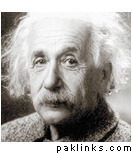
**published **
**his **
**theory **
**of **
**relativity.
**
Re: INTERESTING LIVES and INTERESTING FACTS
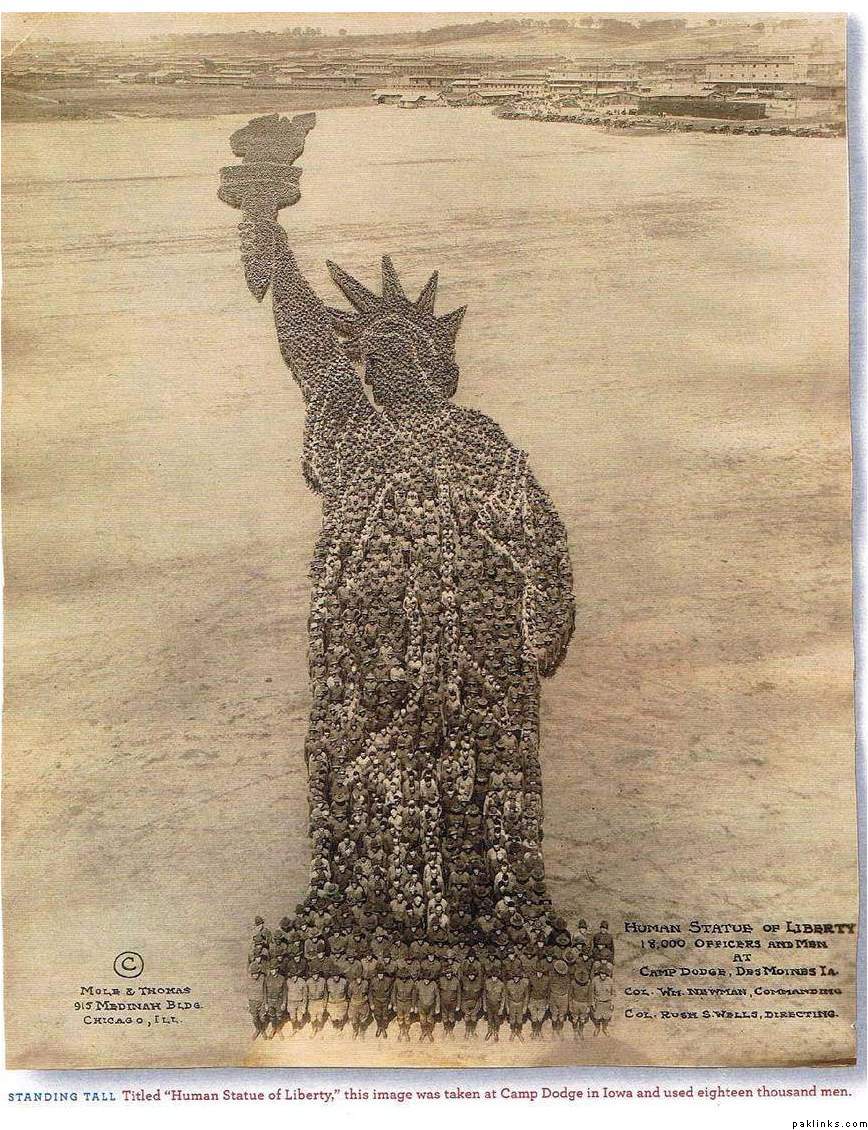
Look at the top of the picture then the whole pix
**This is **
I
N
C
R
E
D
I
B
L
E
!!!
The picture was taken in 1918. It is 18,000 men preparing for war in a training camp at Camp Dodge in Iowa (USA)
THE STATUE OF LIBERTY…
Re: INTERESTING LIVES and INTERESTING FACTS
Fill your name in Japanese (refer to table below) and send it to all of your friends to show how crazy it looks like...
**
Please delete unnecessary text before you send to keep this list clean... **
A - ka
B - tu
C - mi
D - te
E - ku
F - lu
G - ji
H - ri
I - ki
J - zu
K - me
L - ta
M - rin
N - to
O -mo
P - no
Q - ke
R - shi
S - ari
T -chi
U - do
V - ru
W -mei
X - na
Y - fu
Z - zi
MY NAME IN JAPANESE
SHIKAZUDO
Re: INTERESTING LIVES and INTERESTING FACTS
ATM Industry History
**The history of the ATM often is open for debate, since the cash dispenser's development occurred long before the machine was put into use. That written, most historians agree that Barclay's in the London was the first to deploy an ATM in 1967. It wasn't until the mid to late 1980s that ATMs gained wide acceptance. **
***After MasterCard and Visa lifted their surcharge ban in 1996, the off-premises market in the United States exploded. The United States now has the largest ATM market, with somewhere between 420,000 and 450,000 ATMs, in the world. Today, worldwide ATM deployment is estimated to be 1.5 million.
This research center is dedicated to ATM industry history.
Automatic Teller Machines - ATM
From Mary Bellis,
The ATM Machine of Luther George Simjian
An automatic teller machine or ATM allows a bank customer to conduct their banking transactions from almost every other ATM machine in the world. As is often the case with inventions, many inventors contribute to the history of an invention, as is the case with the ATM. Read each page of this article to learn about the many inventors behind the automatic teller machine or ATM.
In 1939, Luther George Simjian patented an early and not-so-successful prototype of an ATM. Some experts have the opinion that James Goodfellow of Scotland holds the earliest patent date of 1966 for a modern ATM, and John D White (also of Docutel) in the US is often credited with inventing the first free-standing ATM design. In 1967, John Shepherd-Barron invented and installed an ATM in a Barclays Bank in London.
Don Wetzel invented an American made ATM in 1968. However, it wasn't until the mid to late 1980s that ATMs became part of mainstream banking.
Luther Simjian
According to Lemelson-MIT, Luther Simjian came up with the idea of creating a hole-in-the-wall machine that would allow customers to make financial transactions and starting in 1939, Luther Simjian registered 20 patents related to the invention and field tested it in what is now Citicorp. After six months, the bank reported that there was little demand for the new invention and discontinued its use.
Automated Teller Machine - ATM
*Luther George Simjian inventions include the self-focusing camera, a flight speed indicator for airplanes, an automatic postage metering machine, and the teleprompter. He is most famous for his invention of the Bankmatic automatic teller machine (ATM).*
***Luther George Simjian 1905 - 1997
Down ATMs push U.K. customers to arms of new FIs
***MAIDENHEAD, England - A survey by Level Four Software Ltd. and ICM Research reveals that 38 percent of respondents in the United Kingdom would consider moving their bank accounts based on their banks' ATM-network availability (i.e., ATMs that are "out of order" or "out of cash").
According to a news release, the research results highlight ATM downtime in terms of lost revenue and the inability to retain existing customers because of increased dissatisfaction and disloyalty.
ATMs double in Czech Republic
Prague Daily Monitor: The number of ATMs in the Czech Republic more than doubled over the last 10 years, hitting more than 3,100 at the end of March, according to the Bank Card Association. "Despite the development of non-cash payment and a gradual expansion of cash-back, the future of ATMs is still promising," said the editor-in-chief of the financial server, Mesec.cz. The first ATM was installed in the country in January 1989.
Re: INTERESTING LIVES and INTERESTING FACTS
*The History of Bingo
*---------------------------
By Mary Bellis
**In the U.S., bingo was originally called "beano". It was a country fair game where a dealer would select numbered discs from a cigar box and players would mark their cards with beans. **
They yelled "beano" if they won.
**The game's history can be traced back to 1530, to an Italian lottery called "Lo Giuoco del Lotto D'Italia," which is still played every Saturday in Italy. From Italy the game was introduced to France in the late 1770s, where it was called "Le Lotto", a game played among wealthy Frenchmen. The Germans also played a version of the game in the 1800s, but they used it as a child's game to help students learn math, spelling and history. **
**When the game reached North America in 1929, it became known as "beano". It was first played at a carnival near Atlanta, Georgia. New York toy salesman Edwin S. Lowe renamed it "bingo" after he overheard someone accidentally yell "bingo" instead of "beano". He hired a Columbia University math professor, Carl Leffler, to help him increase the number of combinations in bingo cards. By 1930, Leffler had invented 6,000 different bingo cards. **
**[It is said that Leffler then went insane.] **
**A Catholic priest from Pennsylvania approached Lowe about using bingo as a means of raising church funds. When bingo started being played in churches it became increasingly popular. By 1934, an estimated 10,000 bingo games were played weekly, and today more than $90 million dollars are spent on bingo each week in North America alone. **
Re: INTERESTING LIVES and INTERESTING FACTS
**THIS IS INTERESTING… **
***PLEASE FORWARD TO YOUR FRIENDS AND RELATIVES… ***
***Click on the year you were born and read the news for that year.
               _1900_ ( http://www.infoplease.com/year/1900.html )
               _1901_ ( http://www.infoplease.com/year/1901.html )
               _1902_ ( http://www.infoplease.com/year/1902.html )
               _1903_ ( http://www.infoplease.com/year/1903.html )
               _1904_ ( http://www.infoplease.com/year/1904.html )
               _1905_ ( http://www.infoplease.com/year/1905.html )
               _1906_ ( http://www.infoplease.com/year/1906.html )
               _1907_ ( http://www.infoplease.com/year/1907.html
               _1908_ ( http://www.infoplease.com/year/1908.html )
               _1909_ ( http://www.infoplease.com/year/1909.html )
               _1910_ ( http://www.infoplease.com/year/1910.html)
               _1911_ ( http://www.infoplease.com/year/1911.html )
               _1912_ ( http://www.infoplease.com/year/1912.html )
               _1913_ ( http://www.infoplease.com/year/1913.html )
               _1914_ ( http://www.infoplease.com/year/1914.html )
               _1915_ ( http://www.infoplease.com/year/1915.html )
               _1916_ ( http://www.infoplease.com/year/1916.html )
               _1917_ ( http://www.infoplease.com/year/1917.html )
               _1918_ ( http://www.infoplease.com/year/1918.html )
               _1919_ ( http://www.infoplease.com/year/1919.html )
               _1920_ ( http://www.infoplease.com/year/1920.html )
               _1921_ ( http://www.infoplease.com/year/1921.html )
               _1922_ ( http://www.infoplease.com/year/1922.html )
               _1923_ ( http://www.infoplease.com/year/1923.html )
               _1924_ ( http://www.infoplease.com/year/1924.html )
               _1925_ ( http://www.infoplease.com/year/1925.html )
               _1926_ ( http://www.infoplease.com/year/1926.html )
               _1927_ ( http://www.infoplease.com/year/1927.html )
               _1928_ ( http://www.infoplease.com/year/1928.html )
               _1929_ ( http://www.infoplease.com/year/1929.html )
               _1930_ ( http://www.infoplease.com/year/1930.html )
               _1931_ ( http://www.infoplease.com/year/1931.html )
               _1932_ ( http://www.infoplease.com/year/1932.html )
               _1933_ ( http://www.infoplease.com/year/1933.html )
               _1934_ ( http://www.infoplease.com/year/1934.html )
               _1935_ ( http://www.infoplease.com/year/1935.html )
               _1936_ ( http://www.infoplease.com/year/1936.html )
               _1937_ ( http://www.infoplease.com/year/1937.html )
               _1938_ ( http://www.infoplease.com/year/1938.html )
               _1939_ ( http://www.infoplease.com/year/1939.html )
               _1940_ ( http://www.infoplease.com/year/1940.html )
               _1941_ ( http://www.infoplease.com/year/1941.html )
               _1942_ ( http://www.infoplease.com/year/1942.html )
               _1943_ ( http://www.infoplease.com/year/1943.html )
               _1944_ ( http://www.infoplease.com/year/1944.html )
               _1945_ ( http://www.infoplease.com/year/1945.html )
               _1946_ ( http://www.infoplease.com/year/1946.html )
               _1947_ ( http://www.infoplease.com/year/1947.html )
               _1948_ ( http://www.infoplease.com/year/1948.html )
               _1949_ ( http://www.infoplease.com/year/1949.html )
               _1950_ ( http://www.infoplease.com/year/1950.html )
               _1951_ ( http://www.infoplease.com/year/1951.html )
               _1952_ ( http://www.infoplease.com/year/1952.html )
               _1953_ ( http://www.infoplease.com/year/1953.html )
               _1954_ ( http://www.infoplease.com/year/1954.html )
               _1955_ ( http://www.infoplease.com/year/1955.html )
               _1956_ ( http://www.infoplease.com/year/1956.html )
               _1957_ ( http://www.infoplease.com/year/1957.html )
               _1958_ ( http://www.infoplease.com/year/1958.html )
               _1959_ ( http://www.infoplease.com/year/1959.html )
               _1960_ ( http://www.infoplease.com/year/1960.html )
               _1961_ ( http://www.infoplease.com/year/1961.html )
               _1962_ ( http://www.infoplease.com/year/1962.html )
               _1963_ ( http://www.infoplease.com/year/1963.html )
               _1964_ ( http://www.infoplease.com/year/1964.html )
               _1965_ ( http://www.infoplease.com/year/1965.html )
               _1966_ ( http://www.infoplease.com/year/1966.html )
               _1967_ ( http://www.infoplease.com/year/1967.html )
               _1968_ ( http://www.infoplease.com/year/1968.html )
               _1969_ ( http://www.infoplease.com/year/1969.html )
               _1970_ ( http://www.infoplease.com/year/1970.html )
               _1971_ ( http://www.infoplease.com/year/1971.html )
               _1972_ ( http://www.infoplease.com/year/1972.html )
               _1973_ ( http://www.infoplease.com/year/1973.html )
               _1974_ ( http://www.infoplease.com/year/1974.html )
               _1975_ ( http://www.infoplease.com/year/1975.html )
               _1976_ ( http://www.infoplease.com/year/1976.html )
               _1977_ ( http://www.infoplease.com/year/1977.html )
               _1978_ ( http://www.infoplease.com/year/1978.html )
               _1979_ ( http://www.infoplease.com/year/1979.html )
               _1980_ ( http://www.infoplease.com/year/1980.html )
               _1981_ ( http://www.infoplease.com/year/1981.html )
               _1982_ ( http://www.infoplease.com/year/1982.html )
               _1983_ ( http://www.infoplease.com/year/1983.html )
               _1984_ ( http://www.infoplease.com/year/1984.html )
               _1985_ ( http://www.infoplease.com/year/1985.html )
               _1986_ ( http://www.infoplease.com/year/1986.html )
               _1987_ ( http://www.infoplease.com/year/1987.html )
               _1988_ ( http://www.infoplease.com/year/1988.html )
               _1989_ ( http://www.infoplease.com/year/1989.html )
               _1990_ ( http://www.infoplease.com/year/1990.html )
               _1991_ ( http://www.infoplease.com/year/1991.html )
               _1992_ ( http://www.infoplease.com/year/1992.html )
               _1993_ ( http://www.infoplease.com/year/1993.html )
               _1994_ ( http://www.infoplease.com/year/1994.html )
               _1995_ ( http://www.infoplease.com/year/1995.html )
               _1996_ ( http://www.infoplease.com/year/1996.html )
               _1997_ ( http://www.infoplease.com/year/1997.html )
               _1998_ ( http://www.infoplease.com/year/1998.html )
               _1999_ ( http://www.infoplease.com/year/1999.html )
               _2000_ ( http://www.infoplease.com/year/2000.html )
               _2001_ ( http://www.infoplease.com/year/2001.html )
               _2002_ ( http://www.infoplease.com/year/2002.html )
               _2003_ ( http://www.infoplease.com/year/2003.html )
               _2004_ ( http://www.infoplease.com/year/2004.html )
               _2005_ (http://www.infoplease.com/year/2005.html )
               _2006_  (http://www.infoplease.com/year/2006.html
Re: INTERESTING LIVES and INTERESTING FACTS
24 PROVERBS TO PONDER
(at various threads of GUPSHUP forums:))
**Some men go through a forest and see no firewood.
A fool may ask more questions in an hour than a wise man can answer in seven years.
It is better to begin in the evening than not at all.
You never miss a slice from a cut loaf.
When a proud man hears another praised, he feels himself injured.
A proverb is the child of experience.
All temptations are found in either hope or fear.
A good beginning makes a good ending.
A hero is a man who is afraid to run away.
A puff of wind and popular praise weigh the same.
Everyone must row with the oars he has.
An idle brain is the devil's workshop.
Character is easier kept than recovered.
He who has learned how to steal, must learn how to hang.
A fool is like the big drum that beats fast but does not realize its hollowness.
The turtle lays thousands of eggs without anyone knowing, but when the hen lays an egg, the whole country is informed.
Luck is loaned, not owned.
What you see in yourself is what you see in the world.
Don't show me the palm tree, show me the dates.
The seeds of the day are best planted in the first hour.
He who attempts too much seldom succeeds.
A handful of patience is worth more than a bushel of brains.
God does not pay weekly, but He pays at the end.
The generous man enriches himself by giving; the miser hoards himself poor.
Between saying and doing, many a pair of shoes is worn out.**
Re: INTERESTING LIVES and INTERESTING FACTS
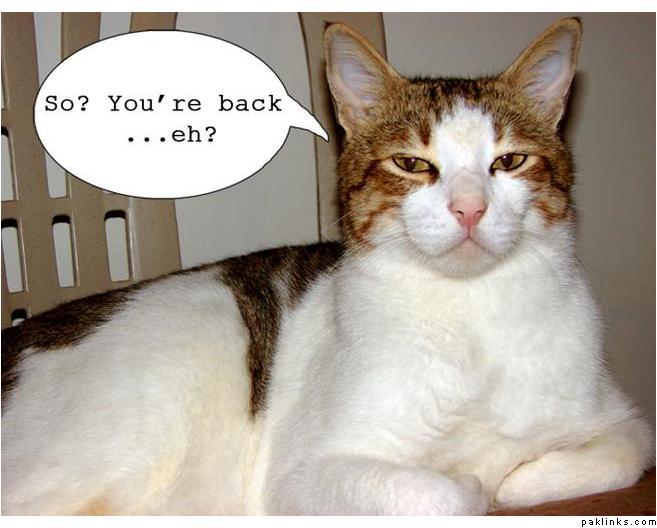
THIS IS MY WIFE’s CAT MAAOUN
My daughter brought him home from her college
gate in the year 2000 when he was a two week old kitten!
He doesn’t get along well with me…but has become my wife’s son!
SHE ADORES HIS ALL THE NAKHRAs ETC…
SEE…HOW HE LOOKS AT ME WITH
SILENT EXPRESSIONS..WHEN I AM BACK HOME
AFTER OVERSEAS VISITS OR DOMESTIC TOURS
AWAY FROM HOME !!!
Its a fact alright:)
Re: INTERESTING LIVES and INTERESTING FACTS
**WORLD’S LARGEST
**
S
W
I
M
M
I
N
G
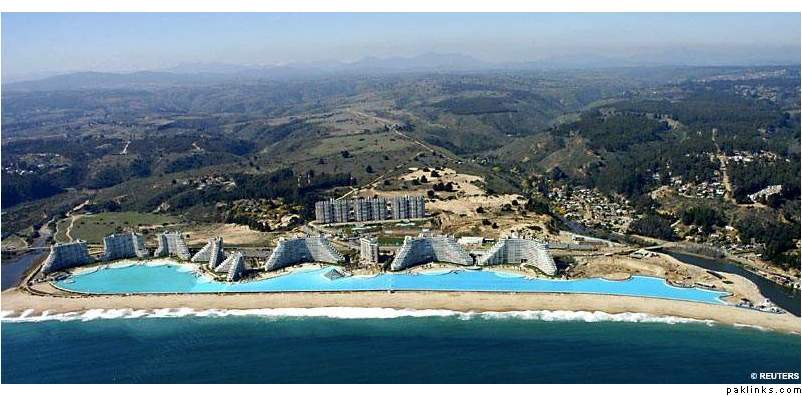
POOL !
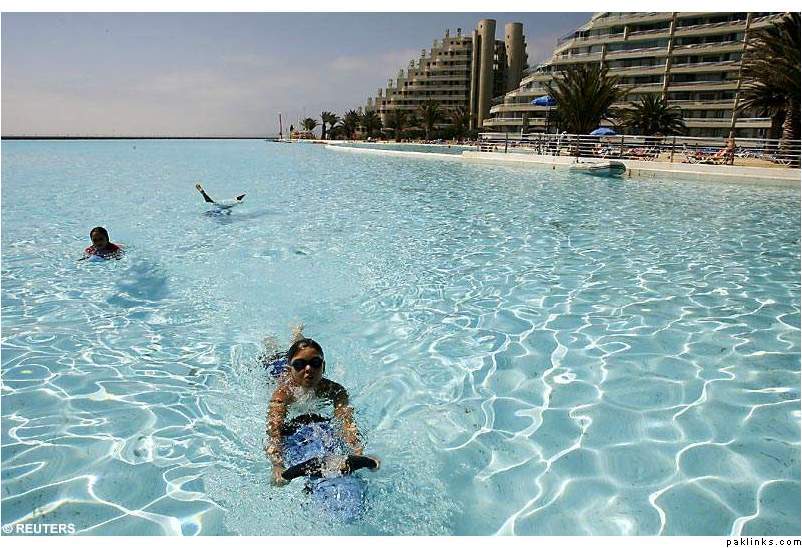
If you like doing laps in the swimming pool, you might want to stock up on the energy drinks before diving in to this one.
It is more than 1,000 yards long, covers 20 acres, had a 115ft deep end and holds 66 million gallons of water.
Yesterday the Guinness Book of Records named the vast pool beside the sea in Chile as the biggest in the world.
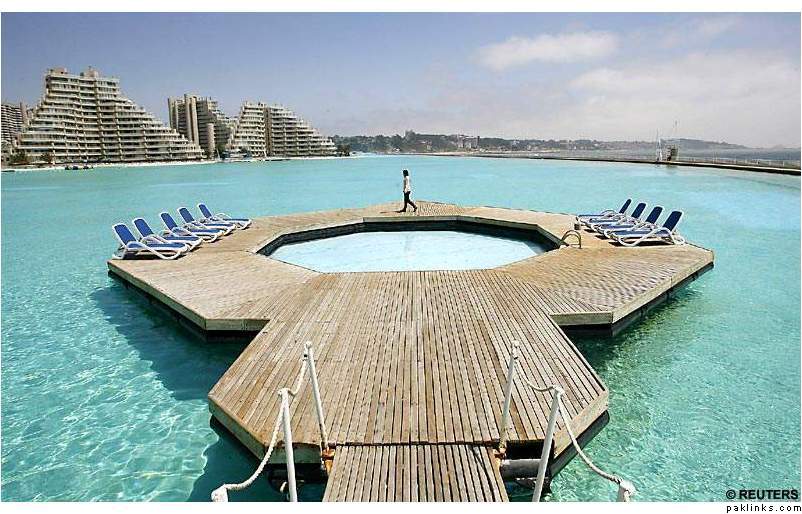
***But if you fancy splashing out on one of your own - and you have the space to accommodate it - then beware: This one took five years to build, cost nearly £1billion ***
and the annual maintenance bill will be £2million.
The man-made saltwater lagoon has been attracting huge crowds to the San Alfonso del Mar resort at Algarrobo, on Chile’s southern coast, since it opened last month.
Its turquoise waters are so crystal clear that you can see the bottom even in the deep end.
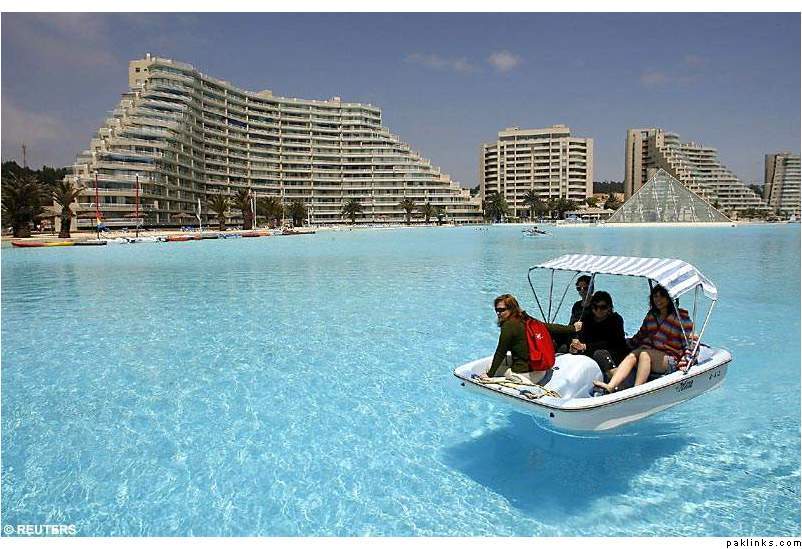
It dwarfs the world’s second biggest pool, the Orthlieb - nicknamed the Big Splash - in Morocco , which is a mere 150 yards long and 100 yards wide. An Olympic size pool measures some 50 yards by 25 yards.
Chile’s monster pool uses a computer- controlled suction and filtration system to keep fresh seawater in permanent circulation, drawing it in from the ocean at one end and pumping it out at the other.
The sun warms the water to 26c, nine degrees warmer than the adjoining sea.
Chilean biochemist Fernando Fischmann, whose Crystal Lagoons Corporation designed the pool, said advanced engineering meant his company could build ‘an impressive artificial paradise’ even in inhospitable areas.
‘As long as we have access to unlimited seawater, we can make it work, and it causes no damage to the ocean.’
Re: INTERESTING LIVES and INTERESTING FACTS
Red-hot bhelpuri
If you grew up in Karachi and have visited Saddar you couldn't have missed the little shop outside Bohri Bazaar on Dr Daudpota Road, opposite the Tit Bit Bookstall (I purchased hundreds of comic books from this book store) and the Parsi Temple. This is the Sailani Bhelpuri and Chaat Shop which has been around for 54 years or so, the shop-owner Abdur Rehman proudly told me as he handed me my a plate of crunchy, tangy bhelpuri.
From this tiny Saddar shop, the popular snack of Gujrati origin has gone upscale to reach stylish chaat shops in Defence and Clifton, and even the high-tea menus of five-star hotels. So what is so special about bhelpuri?
It enjoys an iconic status in Western India. While for some it is synonymous with Mumbai beaches; others swear that the best version comes from Gujrati food outlets in Southall, Tooting or Wembley in London, or Chowpatty in Mumbai. But in Karachi the best bhelpuri, in its most original version, is available at Sailani's in Saddar.
Thai and Mexican food is considered fiery hot and spicy, but, perhaps, not for us in the subcontinent because the hottest fare is available right here on the streets of any city and town in the subcontinent. Bhelpuri is the ideal stuff for someone looking for absolute taste and fast food at an affordable price.The wonderful mix of sev, papri, puffed rice, a dash of spicy green sauce, with spoonfuls of tangy tamarind and date sauce, finely-chopped onions and coriander, and an optional helping of red-hot spicy cubed-masala potatoes, toss and turn and the concoction is heavenly.
In the days when people went either to Tariq Road or Saddar to buy almost anything and everything, I remember childhood trips to Bohri Bazaar with my mother to buy unstitched cloth, cosmetics, pots and pans, or to exchange comics at Tit Bits Bookstall, my reward in the end would be a trip to the bhelpuri shop. To kill the fiery spice, a chilled soft drink would be the ultimate treat. Holding the small steel plate and shovelling spoonfuls into my mouth, I would look around at other people squeezed on a little two-seater placed in an L shape with a three-seater. While women and girls would squeeze in the tiny little seating area, surprisingly I would notice several men stopping for a plate of bhelpuri which they would eat even if they had to stand on the pavement under the blazing hot sun.
Bhelpuri is served fast, is low in fat, nutritious and delicious. What more could you ask for?
The man concocting one plateful after another and handing them out to customers would hardly ever get a plate back for requests of more chutney, which always fascinated me that he must be so deft and his mixing of the various ingredients so perfect, which makes the bhelpuri as delicious as possible.
Perhaps a bit like Thai food, bhelpuri has a combination of flavours and textures: sweet and sour, spicy and crunchy, tangy and soft. The flavours in bhelpuri essentially come from the green and red sauces that liberally coat the papri, sev and puffed rice somewhat like a salad dressing. The spicy green sauce has green chilli, coriander mainly, and other mysterious ingredients that Abdur Rehman keeps mum about, while the tangy red chutney is on the sweeter side as it has dates, tamarind, red chilli, molasses, cumin and more magic ingredients that are a secret part of his successful recipe.
It is not just the taste but a play of textures as well. Crunch is the vital part. You cannot enjoy a soggy plate of bhelpuri that has been sitting around for a while. It has to be mixed together and eaten right away. You have the crunchy papri, sev and chewy puffed rice in contrast with the soft waxy potatoes and then the addition of fresh onion and coriander. The final blend of all the flavours certainly depends on the freshness of ingredients. One stale ingredient like a day-old papri or puffed rice or over-fried sev and the taste will be destroyed.
The next time that you feel like having bhelpuri, go for the real stuff in Saddar. If you don't find a seat in the tiny little shop, you can take it home in the half-kg or one-kg packs available, just mix it all up and enjoy a wonderful treat.
Re: INTERESTING LIVES and INTERESTING FACTS
ATTENTION
HYDERABADIS
The fading flavours of Pakistan's 'Little Hyderabad'
Karachi, March 30 (IANS) Tailor Shafi Ahmed peers disdainfully from behind his glasses. Specialising in stitching sherwanis, the Karachi resident bemoans the loss of Hyderabadi culture that has meant fewer footfalls at his shop.
'Gone is the kurta pyjama and with it the Hyderabadi 'saqafat' (culture) with all its 'adab' (etiquette) and murawwat' (consideration),' said 58-year-old Ahmed, wearing a shalwar kameez.
He lives in Hyderabadi Colony, opposite Karachi's Central Prison. The place derives its name from the erstwhile princely state of Hyderabad that during partition became a part of India.
Comprising some 350 homes, the neighbourhood is predominantly inhabited by those who migrated from Hyderabad. But old timers in this quarter say the place has lost its sophisticated ways, be it in terms of manners, cuisine or sartorial traditions.
Ahmed must have stitched thousands of sherwanis - a coat-like tunic with a fitted collar. Among his clients he counts two former Sindh governors and qawwal singers.
His father, before him, stitched the dress for Khwaja Moinuddin, the famous playwright who with the money earned from his plays set up the BVJ School, Ahmed's alma mater.
'Khwaja sahib would never even think of wearing a sherwani stitched by anybody other than my father,' said Ahmed.
But today designers abound in Karachi and sherwanis are worn strictly only on formal occasions like weddings, that too in winter. The pajama, lungi and kurta have turned into attire meant for home.
'You won't understand, our sherwani is like the famous 'kacchhey gosht ki biryani' (a Hyderabadi rice speciality). You have to be a connoisseur to know the difference.'
A fast-paced life and western influences have reversed the fortunes of many a famed symbol of Hyderabadi culture. Many original migrants have also left the place.
In a nearby lane, rightly named Achar Gali - from where every shop seems to let out a mouth-watering aroma - there is the famous shop-cum-cafe Chatkharey.
It has been doing a roaring business in all kinds of Hyderabadi pickles and dahi barey and pakoras since 1964. But this is probably the last generation to be putting their fingers into pickles.
'When the (state-owned) Pakistan Television didn't have its own cafeteria, all the actors and singers would make a beeline for my shop for the midday meal,' said 46-year-old Syed Mashood Shah Fahim.
Among his regular customers are famous satire writer and artist Anwar Maqsood and his older sister Bajiya. Even now, during the holy month of Ramadan, Chatkharey and other similar shops remain open till the wee hours. 'This becomes a food court and our quiet, sleepy lane comes alive,' said Fahim.
The recipe for the achars, a well-guarded secret until now, had been passed on from mother to her four sons. But the art may die with them.
'I don't think I'd want my children to run this business,' said Fahim. 'There are other businesses to be ventured into.'
Of course, some culinary outlets still continue to draw crowds such as the oldest Hyderabadi kitchen here, once run by Sheikh Abdullah, popularly known as Abu Mian.
The late Abu Mian looks down from a framed photograph adorning the main wall of the shop run by his two sons. The man wearing a fez in the photo seems out of place in the run-down shop.
Since his death 30 years ago, his sons have taken over the catering business and are famous for their khubani ka meetha, kacchhey gosht ki biryani, baghharey baingan, harees and Hyderabadi dum ka keema among other things.
They are known for scores of other food items that once evolved in the kitchens of the Nizam of Hyderabad and were elevated to an art form. Mehmood, the eldest son, says the nizams served some 26 varieties of biryani for their guests!
The colony has over a dozen catering outlets, while in Karachi there are over 250 kitchens excelling in Hyderabadi dishes. 'All were once working under their father,' pointed out Ahmed.
The winds of change are blowing in Karachi's little Hyderabadi Colony, taking away with them some delightful old world flavours.
Re: INTERESTING LIVES and INTERESTING FACTS
Wow! I wish I swim there one day! I’ll cross it in 50 minutes.
Re: INTERESTING LIVES and INTERESTING FACTS
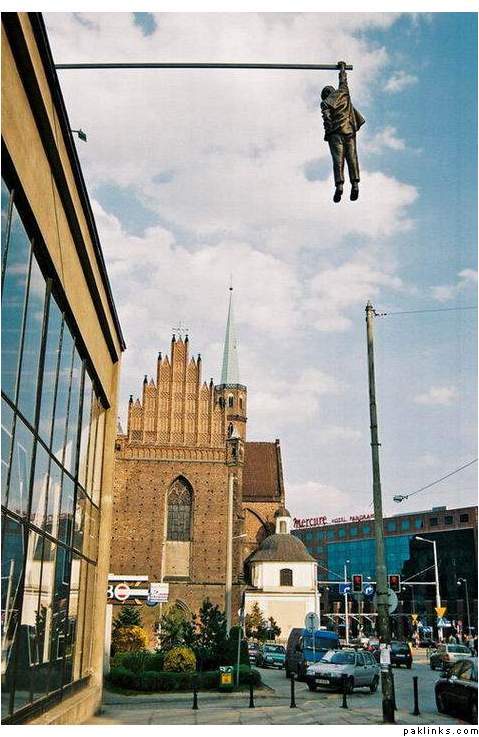
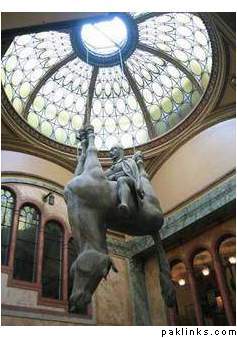
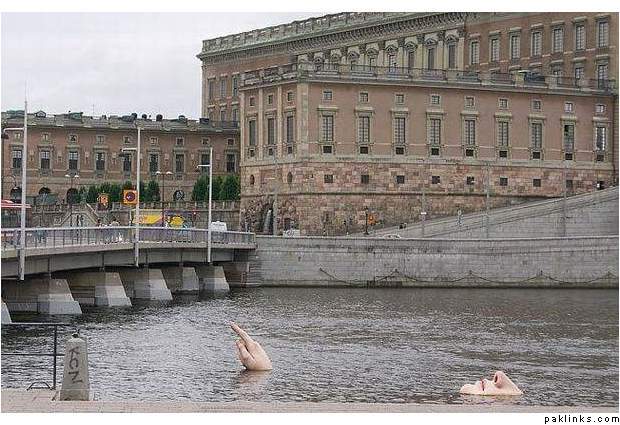
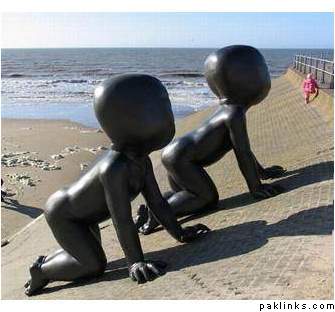
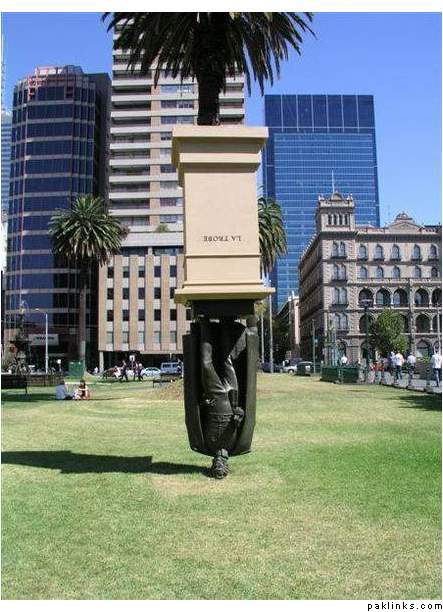
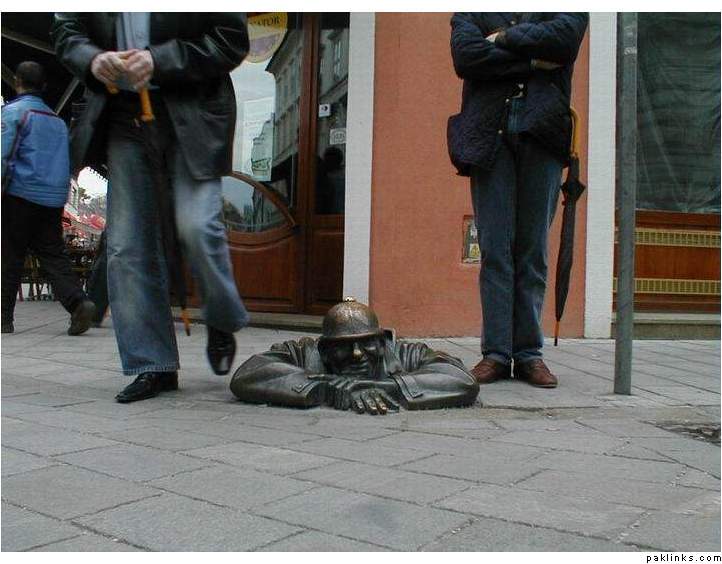
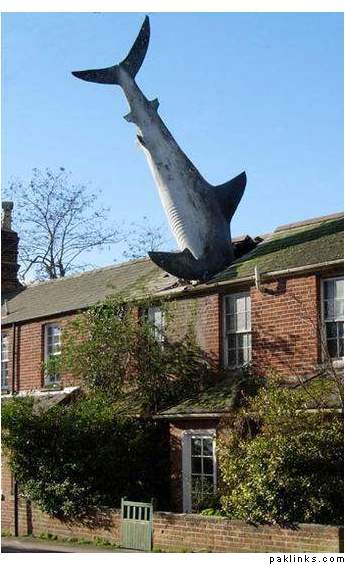
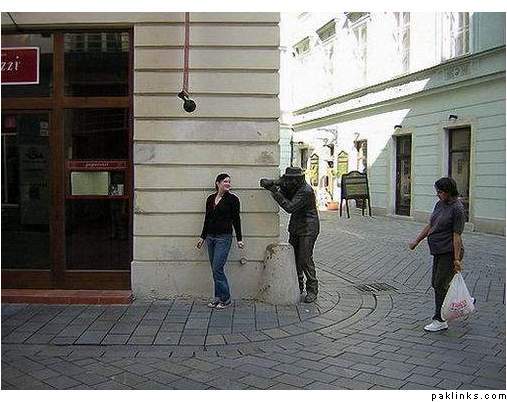
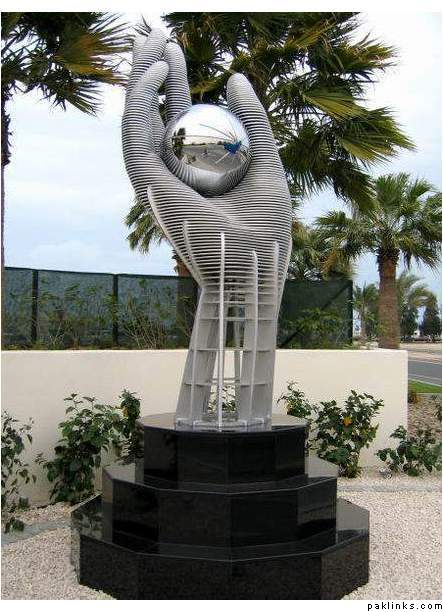
INTERESTING
S
T
A
T
U
E
S
*
*
*
*
*
*
Re: INTERESTING LIVES and INTERESTING FACTS
The African Gray Parrot (Psittacus erithacus)
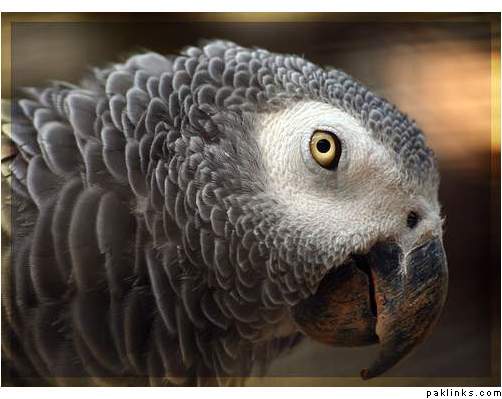
***…is a very talkative, intelligent, and sensitive bird. It may be the best talker of all the birds, easily learning hundreds of words and other sounds. These parrots have been kept as pets since ancient times, when the Romans wrote about them. ***
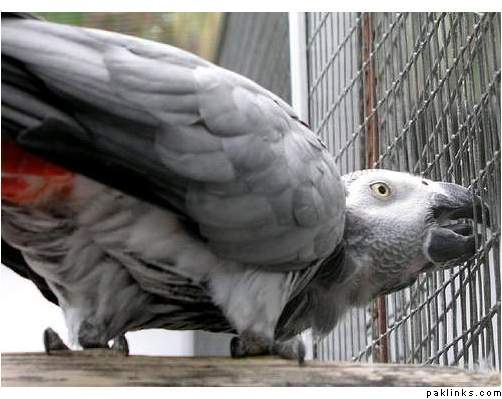
In the wild, this parrot lives in large flocks. They are native to western and central Africa in lowland rainforests, clearings, savannas, and villages. They mate for life. There are two subspecies of African Grays, including the African Gray Congo (illustrated above) and the African Gray Timneh (it is smaller and darker). The African Gray Parrot has a life span of up to 50 to 65 years.
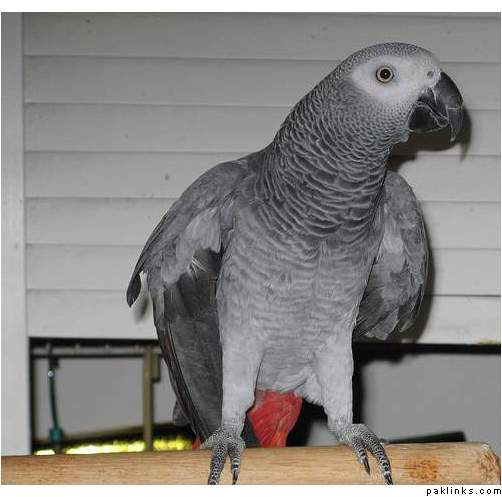
***Anatomy: The Congo African Gray Parrot is about 13 to 16 inches (33 - 41 cm) long. They have a wing span of about 18 to 20 inches (46 - 52 cm). They weigh about a pound (450-550 G). These parrots have gray feathers, white patches around the eyes, and red tail feathers. The curved bill is dark gray. The males and females are hard to distinguish. ***
***Eggs and Chicks: There are 3 to 5 eggs in each clutch (a set of eggs laid in one nesting period). The eggs are laid in a tree cavity high above the ground. The female incubates the eggs for 30 days, and the male feeds her. Both parents will feed the chicks. ***
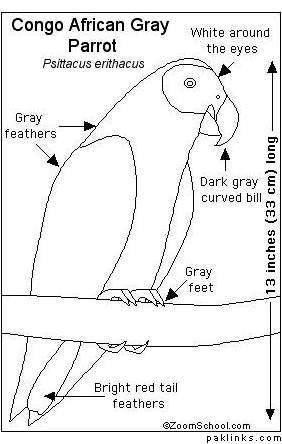
***Diet: African Gray Parrots eat seeds, berries, nuts, and fruit.
Re: INTERESTING LIVES and INTERESTING FACTS
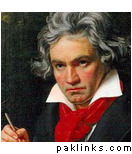
**This Day in History, April 7
*On April 7th, 1805, Beethoven’s Third Symphony ***
***was performed publicly for the first time. ***
Re: INTERESTING LIVES and INTERESTING FACTS
A
E
R
I
A
L
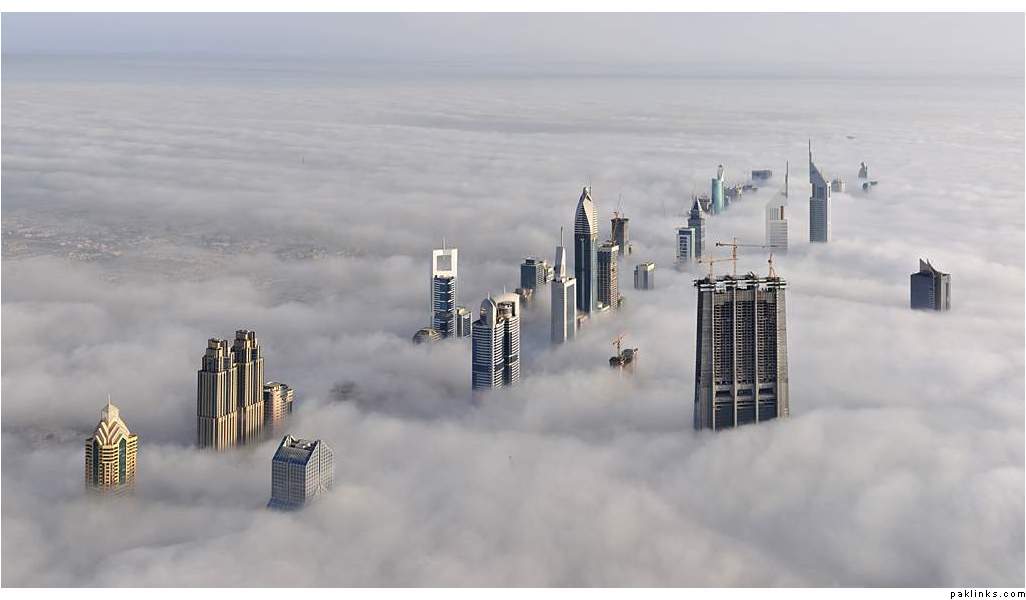
***VIEW ***
OF
D
U
B
A
I
AS SEEN RECENTLY…
gsmedia=54757]Dubai.JPG[/gsmedia]
Re: INTERESTING LIVES and INTERESTING FACTS
You never be sorry

..for thinking before acting.
..for hearing before judging.
..for forgiving your enemies.
..for being candid and frank.
..for helping a fallen brother.
..for being honest in business.
..for thinking before speaking.
..for being loyal to your church.
..for standing by your principles.
..for closing your ears to gossip.
..for bridling a slanderous tongue.
..for harboring pure thoughts.
..for sympathizing with the afflicted.
..for being courteous and kind to all.