An Indelible Story:
Karachi is a melting pot of peoples and cultures. Before 1947, the city was inhabited mainly by people from the areas near the city, the people basically being Sindhis, Baluchis, Mekranis and Gujaratis.
In 1947 most of the city’s Hindu population left, and a large number of immigrants(Mohajirs) came from India. Most of these are from the Urdu Speaking parts of India. But Memons from Gujarat and small quantities of communities from other areas also arrived. Giving Karachi a flavour of all the provinces and parts of British India. After independence a steady stream of immigrants has been coming to the city from different parts of Pakistan and made large Punjabi, Pathan, Bengali and Hazara communities to grow in Karachi. In 1971 there was a large influx of mainly Urdu Speaking people from the former East Pakistan. In the 1980s a large number of Afghan refugees streamed into the city.
Now Karachi has a sizeable community of people from all the different parts of Pakistan. Karachi also has large numbers of people from all the different cultural segments of South Asia and Afghanistan. Karachi also has small immigrant communities from as far off as Africa and Burma. This mixture of peoples and cultures gives Karachi a very cosmopolitan touch.
Karachi can be called a melting pot of many different flavours. It is a very cosmopolitan city with different languages and cultures intermingling all the time. The city is a beautiful mixture of the old and the new. Burqa clad women will walk on the same roads that women drivers are seen on. Karachi’s culture can only be described as Karachi’s culture, it is different from the rest of the country but it is not defined, it is changeable with the people.
**The city has slowly become a cultural hub and is home to many artists, poets, writers, and thinkers. The number of art galleries and museums is also on the increase.
The city is also host to the annual Karavan Karachi cultural festival. This festival includes the Kara Film Festival.**
History
The area that now consists of Karachi was originally a group of small villages including Kalachi-jo-Kun and the fort of Manora. Any history of Karachi prior to the 19th century is sketchy. It is said that the city called Krokola from which one of Alexander the Great’s admirals sailed at the end of his conquests was the same is Karachi. When Muhammad bin Qasim came to India in the year 712 he captured the city of Debul. It has been said that Debal was the ancestral village of present day Karachi. Although this has neither been proven or disproven.
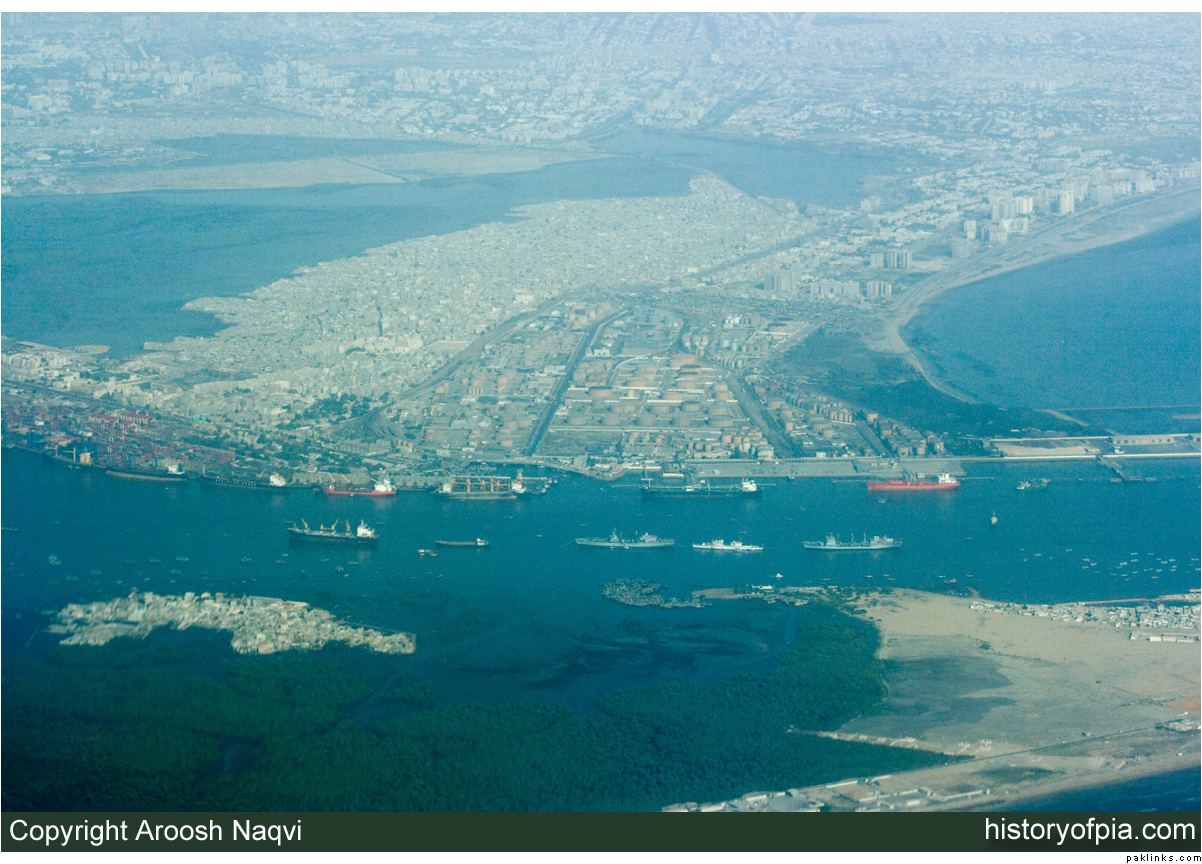
It was in 1729 that Kolachi-jo-Goth was transformed from a fishing village to a trading post when it was selected as a port for trade with Muscat and Bahrain. In the following years a fort was built and cannons brought in from Muscat were mounted on it. The fort had two doorways, one facing the sea called the Khara Darwaza or Brackish Gate and one facing the River Lyari called the Meetha Darwaza or Sweet Gate. In 1795 the city passed from the Khan of Kalat to the Talpur rulers of Sindh.
Karachi had gained in position as a major port and was hence becoming an important city. The importance of the Indus and Sindh led the British to capture the city on the 3rd of February 1839 starting an era of foreign rule and colonial subjugation that was to end in 1947. A famous quote about Karachi attributed to Charles Napier is “Would that I could come again to see you in your grandeur!”. Napier’s quote would prove prophetic, as it was during British rule that Karachi would grow as it’s harbor was developed. On the 10th of September 1857 the 21st Native Infantry stationed in Karachi declared alligance to the Emperor Bahadur Shah Zafar and joined the cause of the War of Independence of 1857 but they were defeated by the British who reasserted their control within a matter of days.
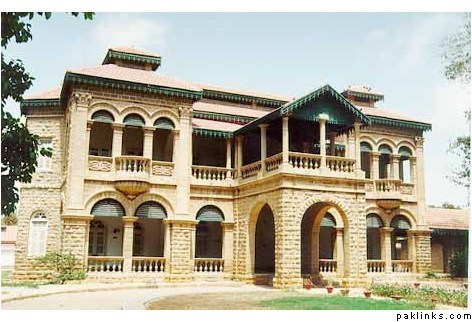
In 1876, the founder of Pakistan, Muhammed Ali Jinnah was born in the city, and he would later be buried there. Karachi by now was a city with railroads, churches, paved streets, courts and many commercial centers and a magnificent harbour that was built by the British. Many of these buildings were built in classical British style, and contrast with the “Mughal Gothic” of Lahore. Many of these old buildings continue to stand, and are interesting destinations for visitors.
The importance of Karachi continued to grow due to its position as a major port. A railroad connected Karachi to the rest of British India in the 1880s. In 1899 Karachi was said to be the largest Wheat exporting port in the East (Feldman 1970:57). In 1911 when the capital was shifted to Delhi Karachi became closer to being a Gateway to India. Karachi was declared the capital of the newly formed Sindh province in 1936, chosen over the traditional capital of Hyderabad.
In 1947, Karachi was made the capital of the new nation of Pakistan. At that time Karachi was a city of only 400,000 people, and it’s growth accelerated due to the new status. Being the capital Karachi became the centre of the new nation and this added to its status as a cultural centre in this part of the world. Although the capital later moved to Rawalpindi and then Islamabad, Karachi remains the economic center of Pakistan, accounting for a large portion of the GNP of the nation and a large chunk of the nations white collar workers.
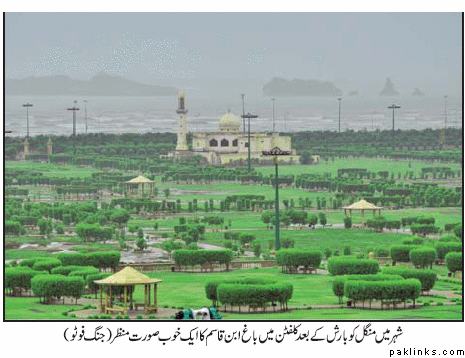
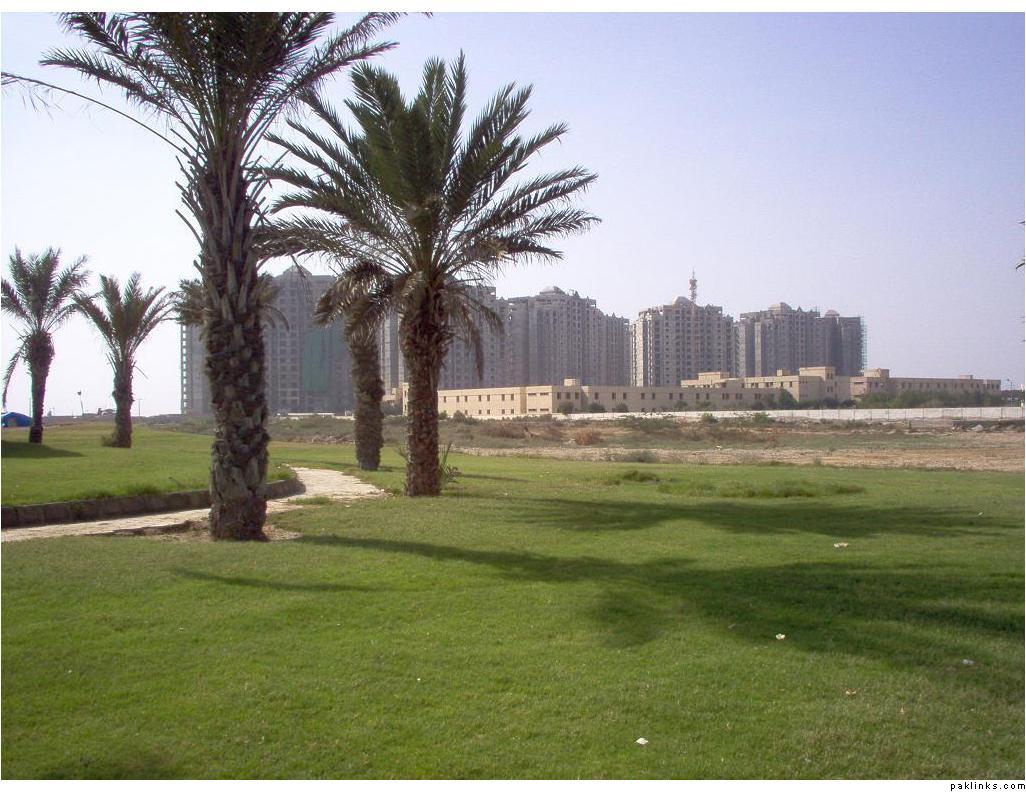
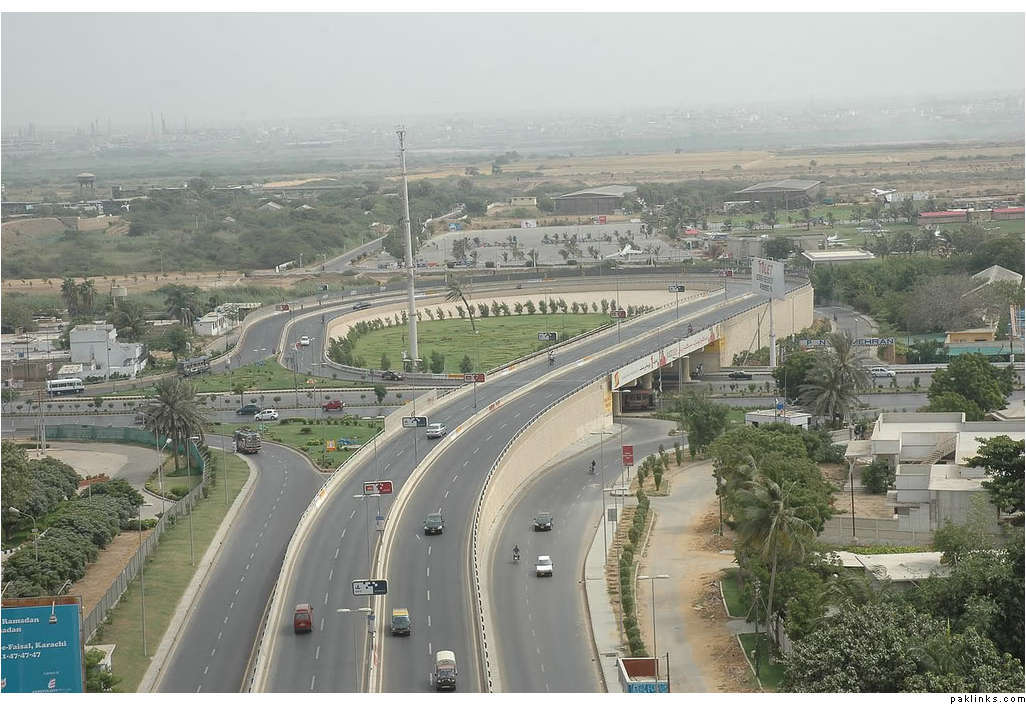
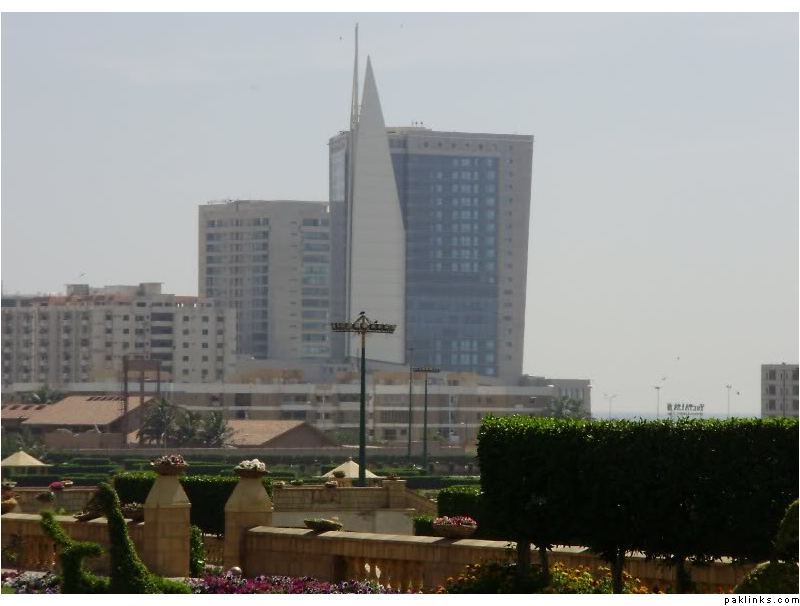
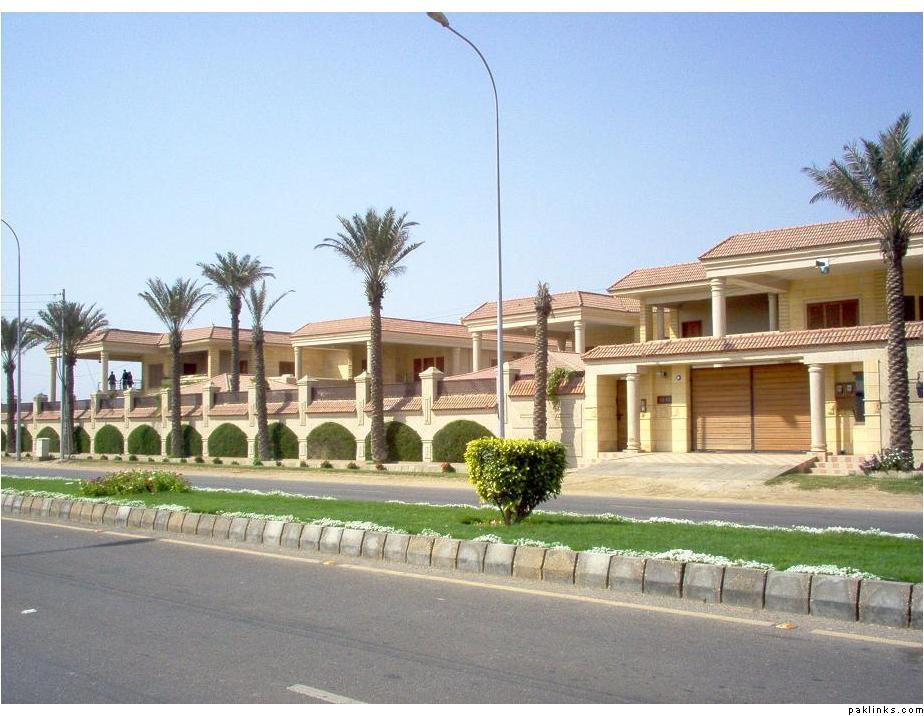
In the last 20 years, Karachi has continued to grow, passing the ten million mark. It is a city of diverse neighborhoods, ranging from the upscale Clifton and Defence areas to numerous slums that are home to the large numbers of migrants who have flocked to Karachi in search of opportunities.
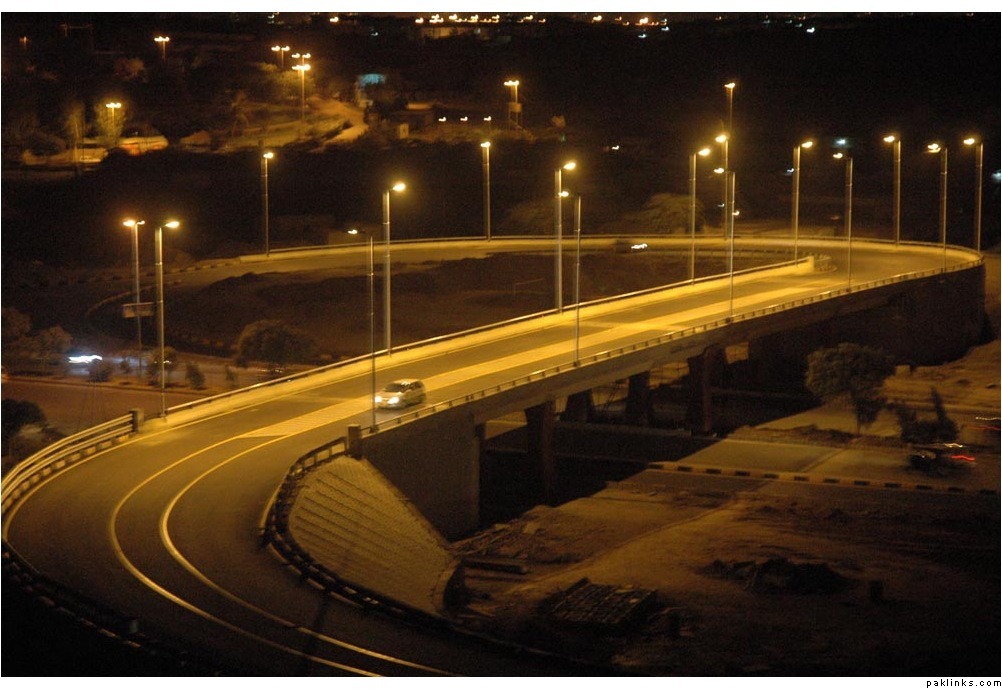
The current economic boom in Pakistan has created a sudden growth spurt in Karachi as jobs and infrastructure projects are increasing with time
The city district of Karachi is divided into eighteen towns each with its own council and Nazim. These towns are Baldia, Bin Qasim, Gadap, Gulberg, Gulshan, Jamshed, Kemari, Korangi, Landhi, Liaquatabad, Lyari, Malir, New Karachi, North Nazimabad, Orangi, Saddar, Shah Faisal, SITE.
Baldia
Bin Qasim
Gadap
Gulberg
Gulshan
Jamshed
Kemari
Korangi
Landhi
Liaquatabad
Lyari
Malir
New Karachi
North Nazimabad
Orangi
Saddar
Shah Faisal
SITE


 thank you