A picture is worth a 1000 words, this how the SOB use to live while keeping Baluch poor and uneducated.
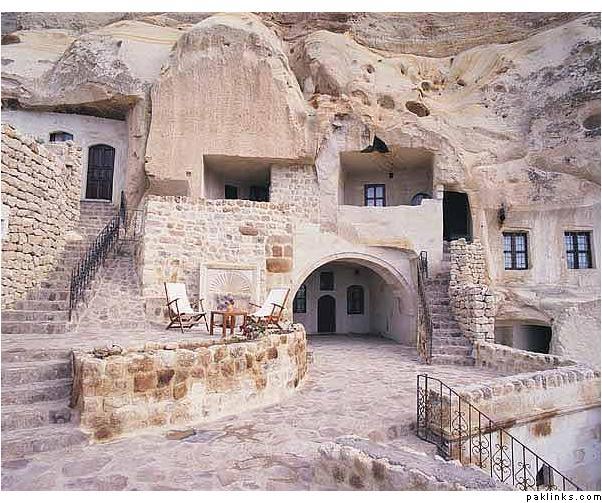
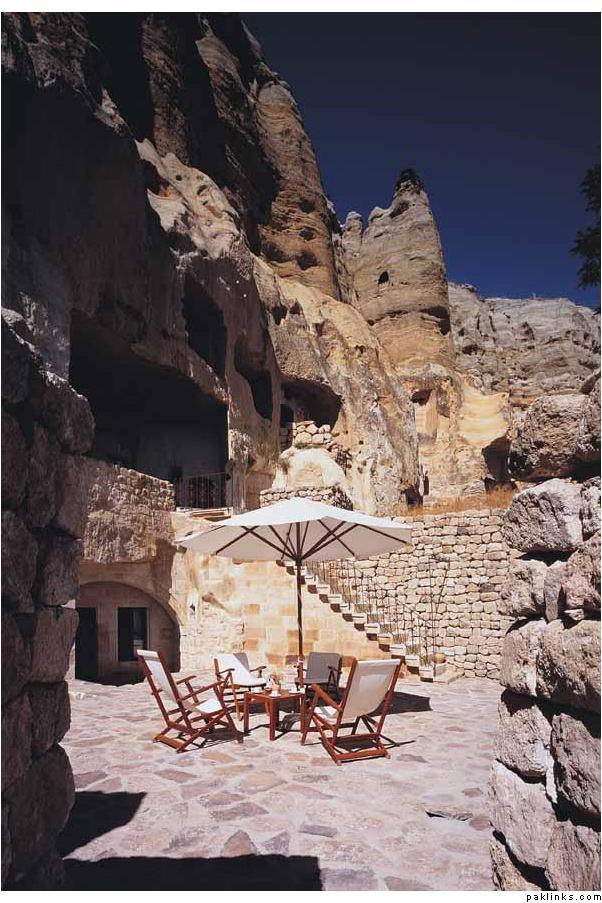
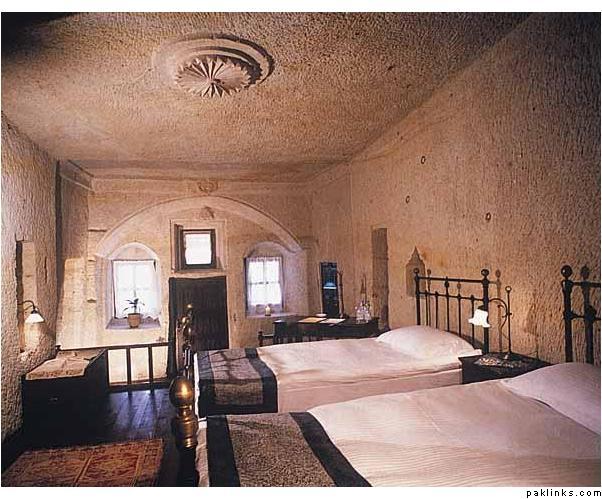
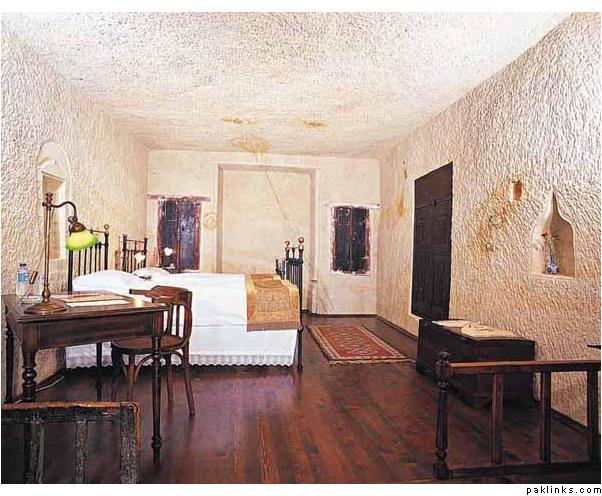
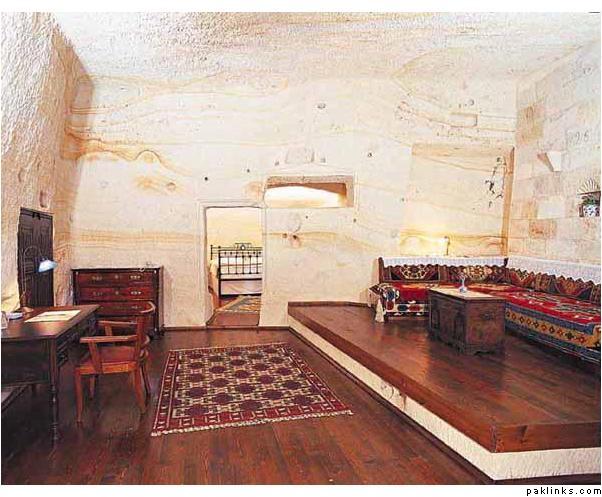
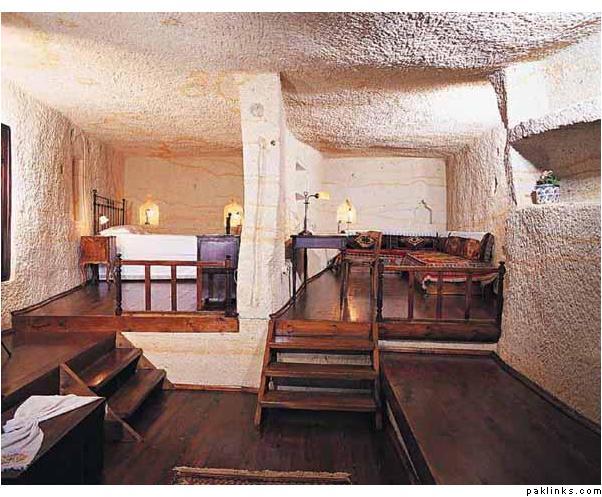
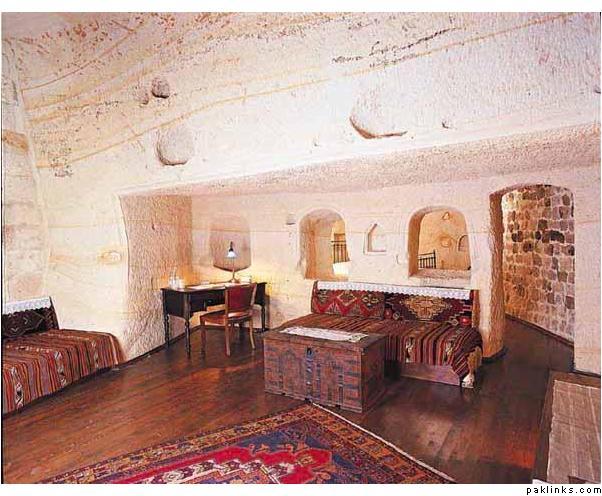

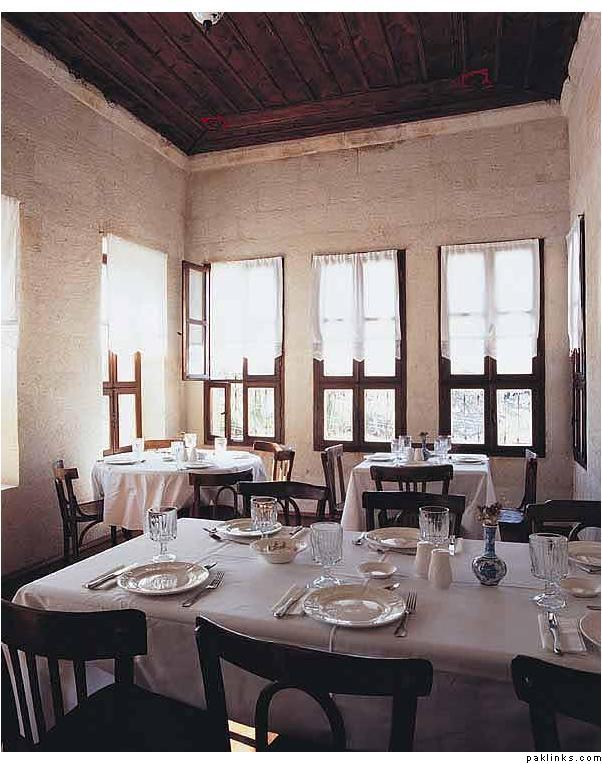
A picture is worth a 1000 words, this how the SOB use to live while keeping Baluch poor and uneducated.
Re: How Bugti use to live in caves
I got it
so who is living there now since he is Dead
oh Maybe a pak Army Gen
Re: How Bugti use to live in caves
 , reminds me of Stone Age.
Musharraf saved himself and this country. Every one is not able to understand and decide well. There are extremists and terrorists.
Almost every general and politician lives the same life as Bugti and every one is responsible for keeping Baloch peeople poor and uneducated. (provide a photo-gallery of their houses, farms and factories.)
(Like all other governments) the people in this government, including Musharraf himself, agree that Balochistan was kept uneducated and poor by past governments.
Bugti is just one person who was sent to stone-age and then “mysteriously” killed. ( ) After his deth, however, he is repeatedly blamed for keeping Balochistan poor and uneducated.
Re: How Bugti use to live in caves
^^Bugti had "weapons of mass destruction" as well. :)
Re: How Bugti use to live in caves
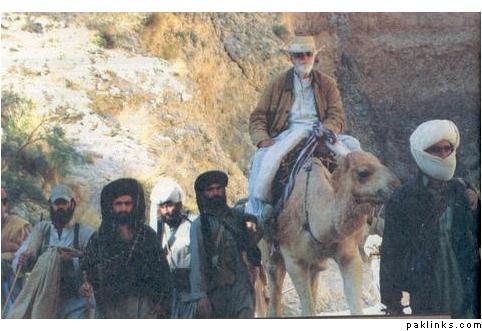
1.)** Some Bugti guide is required…A camel can be useful**
2.) Its not easy.
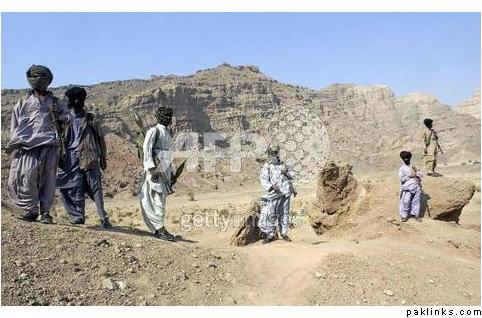
3.) It can be a war.
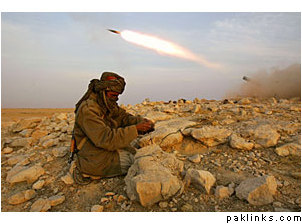
http://www.time.com/time/asia/magazine/article/0,13673,501060626-1205411,00.html
4.) **Mysteries are out there too. **
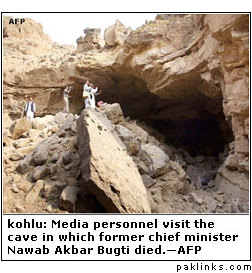
http://www.dawn.com/2006/08/30/top6.htm
5.) Unity is strength.
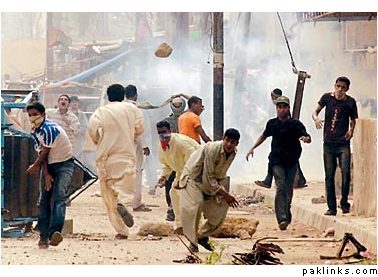
The army’s killing of Baluch chieftain Bugti sparked widespread riots
http://www.time.com/time/asia/magazine/article/0,13673,501060911-1531432,00.html
Re: How Bugti use to live in caves
mo293,
Some of these pictures were also posted in the 'Akbar Bugti Dead' thread, however we have little clue about the source. While they are interesting to watch, it'll be more interesting if someone could shed some light on where these pictures have come up from...?
Re: How Bugti use to live in caves
he was one of the richest men in pakistan
Re: How Bugti use to live in caves
Re: How Bugti use to live in caves
The real SOB is living here…
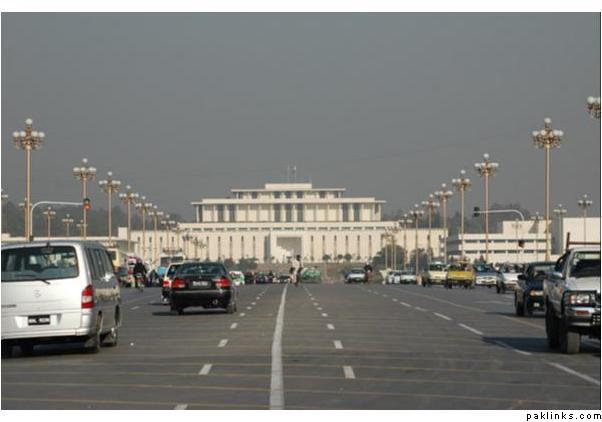
Re: How Bugti use to live in caves
^ You are mistaken Bugti and rest of the blood sucking vampires never lived there.
Re: How Bugti use to live in caves
umer.ashraf, admit it, he was a traitor! a big one!
Re: How Bugti use to live in caves
Talking about blood sucking SOB’s.
http://thenews.jang.com.pk/top_story_detail.asp?Id=2776
A source said the Bugti Palace is wearing a deserted look with no owner and no member of the Bugti family visiting the palace since Akbar Bugti left it in March this year. One estimate reveals that the late chieftain got Rs 670 million per annum from the so-called deal signed with certain oil and gas companies. It remains to be seen who will own Akbar Bugti’s property and assets if no one is appointed his successor given the family feud.
Re: How Bugti use to live in caves
Propaganda of Bugti's house sure backfired easily. And who is providing this "estimate" of Rs 670 million? I would love to know some real facts.
And how much revenue does the government of Pakistan get from Balochistan and in return how many schools and hospitals has it built for Balochistan?
We all have been told constantly how bad the sardars are, but what about the government. What has it done for Balochistan with all the revenue collected over more then 50 years? What is that ammount?
Re: How Bugti use to live in caves
And if Bugti is a traitor, then so is Musharraf for abrogating the constitution. It's as simple as that. You can't make excuses for Mushy.
The only way to solve the Balochistan situation is to give decision making power to people in Balochistan for the mega or any other projects. The revenue is generated from their land, and their elected representatives should have the right to use it as they see fit after paying taxes/royalty to the government of Pakistan. Right now, it's the opposite. The longer you continue to not include the people of Balochistan in the decision making process, the more hostile to Pakistan they will get.
No military operation, short of genocide will change this basic equation. All freedom fighters at one point or another were called traitors. It's the nature of the job.
Re: How Bugti use to live in caves
A comment by a former political opponent..
By Sardar Aseff Ahmad Ali
A decent funeral was not permitted to an honourable man who died a brave death in the Bambore Hills. The empire played no dirge at the death of a Baloch Sardar. Grief was out-lawed. Three Chinese padlocks secured the sarcophagus and a priest who went mute.
As I reminisce about the late nawab, I am reminded of the last of the Mohicans; a man of strong personality with the free spirit of the desert and fire in the eye. Many years ago we travelled to Dera Bugti to extend our condolences to the Nawab on his niece’s death. She was the daughter of our colleague and MNA Ahmad Nawaz Bugti, the Nawab’s urbane younger brother. Makhdoom Javed Hashmi, Syed Fakhar Imam, Syed Nusrat Ali Shah and I were received in the darbar hall which had seen better days. Dera Bugti was a shabby town dominated by the much bullet-ridden fortress, remnants of several previous military actions.
At the dinner table presided over by the nawab, the conversation was diverse; on world and regional issues, politics, history, Pakistan’s troubled federation etc. From the sublime to the mundane, the nawab passed around a large plate of green chillies to his guests. I took a handful much to his approval while others politely refused. The remaining one kilo, he consumed alone with great relish. As one Sardar to another, I could not help but say: “Now I understand why Nawab Bugti is considered so fearsome”. The one hour at dinner was one of utmost courtesy, fine manners and brilliant conversation. I could not put the thought away that the enigmatic nawab was such a paradoxical man; a mix of the medieval and the modern. His stentorian voice and white mane oft reminded me of Csar from the time of Peter the Great.
After dinner when tea was over, Akbar Khan settled down to what he had hoped would be a long night of conversation. He spoke of the Soviet onslaught of Afghanistan and Pakistan’s mistaken policy of covert support to the Jihad. He said the mujahideen will come to haunt Pakistan one day, destabilising the entire region. He spoke of the stupidities of what he called the “Punjabi Army” that had learnt no lesson from the fall of Dhaka. In chaste Punjabi he talked of the servitude of Punjabis in worshipping authority; be it Ranjit Singh’s, or the British, or the Pakistan Army’s. The Fauji had always lost wars against enemies, but won every war against the people of Pakistan. Somebody asked why the Nawab doesn’t play national instead of provincial politics. He replied that the Punjabi army hangs or kills non-Punjabi prime ministers. He had no desire to become Shaheed Liaqat Ali Khan, Shaheed Zulfiqar Ali Bhutto, or Shaheed Dr Khan. I remarked, he would make a good president of Pakistan. He replied he had no intention of being a quisling of the army, while his province remained backward.
His views on Pakistan were disquieting. He called it a lop-sided state with one province whose population was 60 per cent, while the remaining three comprised 40 per cent. The army and civil services are 80 per cent Punjabi. Pakistan’s army plays Islam and sings to the tune of foreign masters. The Punjabi middle classes are too timid to stand up for their own rights. Pakistan’s generals amass wealth and rent the army to fight for alien causes. The jihad in Afghanistan will destroy Pakistan. The jins and monsters are out of the bottle and cannot be put back. The core problem is Punjab which permits generals to lord over it all the state power, turning the judiciary into the army’s handmaiden. Instead of building national consensus of all classes and peoples of Pakistan, the “Potohar” army’s generals believe in keeping the unity of the country through force. The late Nawab minced no words and shot from the hip. It was like rapid fire from a light machine gun.
As we talked late into the night, one by one my colleagues excused themselves to sleep. I was determined not to be intimidated by him so I matched his insomnia with mine. It was my turn to throw something back at him. I asked how he could absolve himself of being the governor who presided over the last military action in Balochistan. There was much ill-ease and tenuous relations which led to his differences with the Bizenjo, Mengal and Marri sardars, which he tried to explain succinctly.
In response to the primitive justice system of the Bugti’s that he imposes, which makes the accused walk on burning coal to determine his guilt, he said your justice is sold, your highest court hanged an innocent prime minister, and stamps every military dictator with legitimacy. Walking the fire never spares the guilty, never burns the innocent. It’s a spiritual not a rational process. It’s never been proved wrong. I also mentioned the cruelty for which the nawab was famous. He replied tribal culture brooks no weakness, no faint-heartedness. The Pakistani state is weak and unjust. Its writ is strong only in the Punjab. The tribal system is strong and fair. Unless the Pakistani state does not give justice to all, the sardari system will survive no matter how many laws are enacted against it.
He was bitter on the issue of gas revenues, which he said, was the collective asset of the Bugti tribe. He said if the federation had been fair to Balochistan, the Marri tribe would have allowed the exploitation of its vast oil and gas reserves.
In the early hours of the morning, I finally asked if he believed in Pakistan. He said he had signed the tribal council’s declaration in 1946 for the creation of Pakistan. Look at the map carefully, he said. On one side is Afghanistan which is an unruly land. To the west are the Iranian mullahs. So it is better to deal with the devil one knows.
The call of the muezzin brought the night-long conversation to a conclusion. One could and did disagree with him on several accounts, but none could ignore his intellect, his immense knowledge, his courage, and his presence. Here was a lord from the Middle Ages who could discourse on history like a professor. When alive, he was larger than life. In death he has become a legend. He died the way he had lived: dangerously. In contrast those who killed him seem so Lilliputian. He is the classic Greek hero, who has risen after his fall.
The writer is a former foreign minister of Pakistan.
Re: How Bugti use to live in caves
For all these people on this forum defending Bugti and trying to make a hero out of this evil man,I just wonder did you ever visit Bugti House with your mother and sister to pay tribute to the great sardar?huh?I am sure you did'nt because they would've been raped and your throat would've been slit a-holes.
Re: How Bugti use to live in caves
Bugti was not a hero..but only a jahill animal would support extra judicial murder.
Re: How Bugti use to live in caves
:k:
One does not have to agree with Mr Bugti’s politics, but his views on Pakistan are pertinent and worthy of discourse.
Re: How Bugti use to live in caves
[quote]
In response to the primitive justice system of the Bugti's that he imposes, which makes the accused walk on burning coal to determine his guilt, he said your justice is sold, your highest court hanged an innocent prime minister, and stamps every military dictator with legitimacy. Walking the fire never spares the guilty, never burns the innocent. It's a spiritual not a rational process. It's never been proved wrong.
[/quote]
Wow, not only was he a coward, he was also 'cracked'. Too many green chillies I guess!
Re: How Bugti use to live in caves
Code of the Frontier
When a woman doctor was allegedly raped by four armed men at a residence in the Baluchistan desert on Jan. 2, her assailants may well have expected her to be too ashamed to speak about it. They were wrong. In Pakistan’s Baluchistan province, nothing is held in higher regard than a woman’s honor, and the allegations of rape have the rough-and-tumble province, rich with natural gas fields, up in arms—literally. Baluch tribesmen have attacked a refinery and pumping station at the Sui gas fields, have sabotaged the pipeline that sends the natural gas to the rest of Pakistan, have blown up railway lines, and have rocketed the provincial capital, Quetta. In response, President Pervez Musharraf has sent 4,500 paramilitary troops, backed by 20 tanks and nine helicopter gunships, to Baluchistan to try to restore order. It will be a tricky mission.
Musharraf said he’s prepared to negotiate with Bugti and other tribal leaders over a share in these development projects. No deal, says the Nawab—not until the doctor’s rapists are brought to justice.
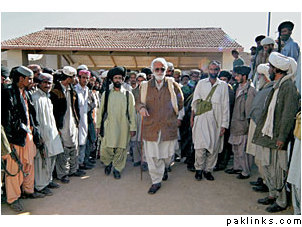
VENDETTA: Bugti, center, is prepared to wage war against the military
http://www.time.com/time/asia/magazine/article/0,13673,501050207-1022648,00.html