Hazro
It was all mist around when we entered the town at 8:30 pm – a mid- November night. The main bazaar of the town was sleeping.. after laying our stuff in the rooms we went out to seek some food.. there was only one cart at the corner of main junction that spelled out food.. the aroma of fried potation that were not peeled and few pieces of fish.. the guy was happy to see us at this hour of the night… we ordered the fried potatoes and the fish and sat at nice benches.. he had two cute girls (5-7 years old) who served us the food.. then we had few cups of inviting kahwa from another vendor to complete our introduction to an amazing town known as Hazro!
I am visiting various (30) towns of Punjab - doing detailed planning and research in these towns as part of my assignment. I would be posting more towns in future. You are welcome to add as much as you can about the cultures of these towns to help others know about the beautiful towns in Pakistan. I also take pics and would post few here..
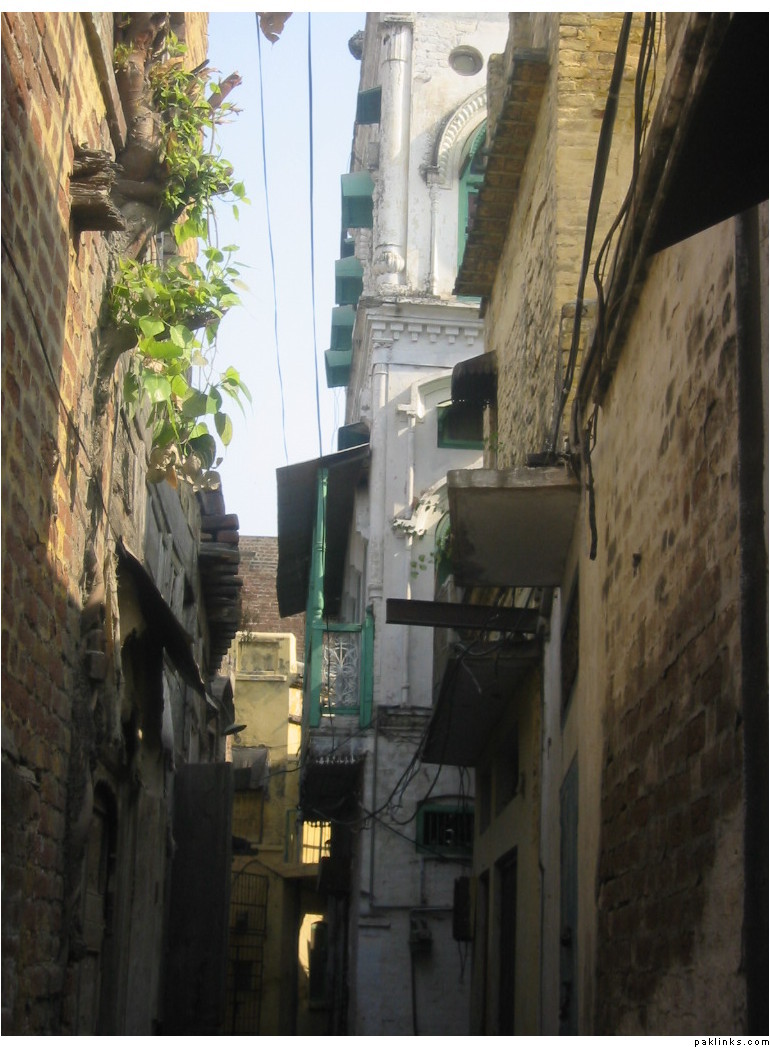
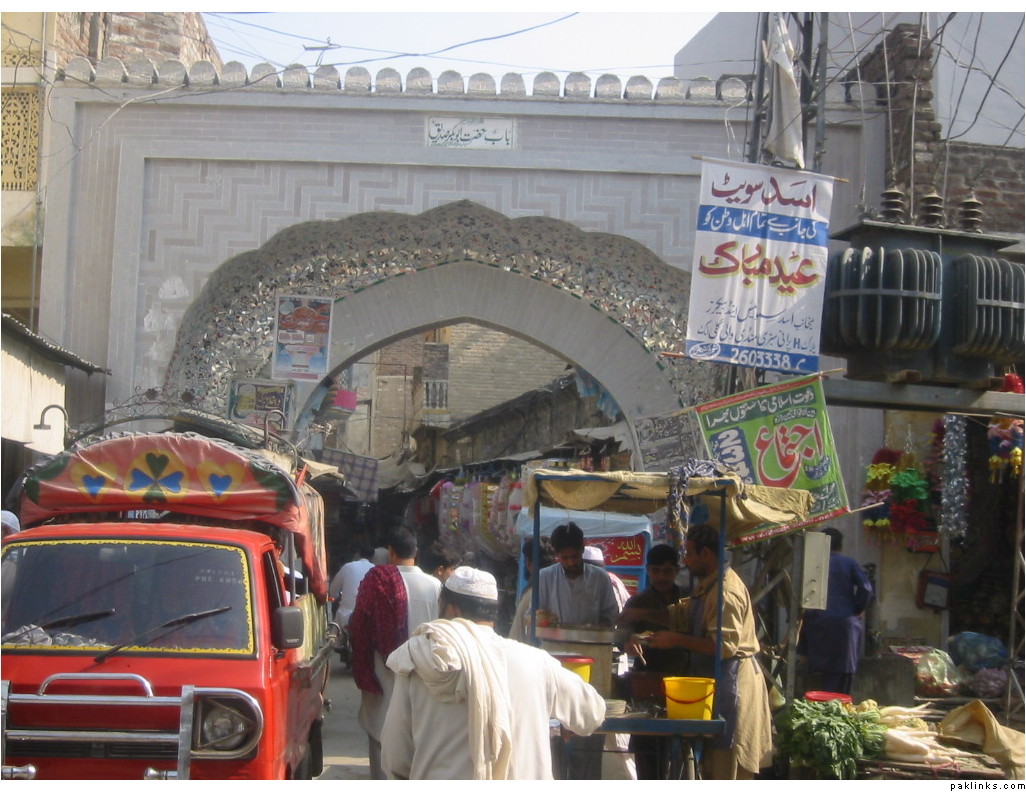
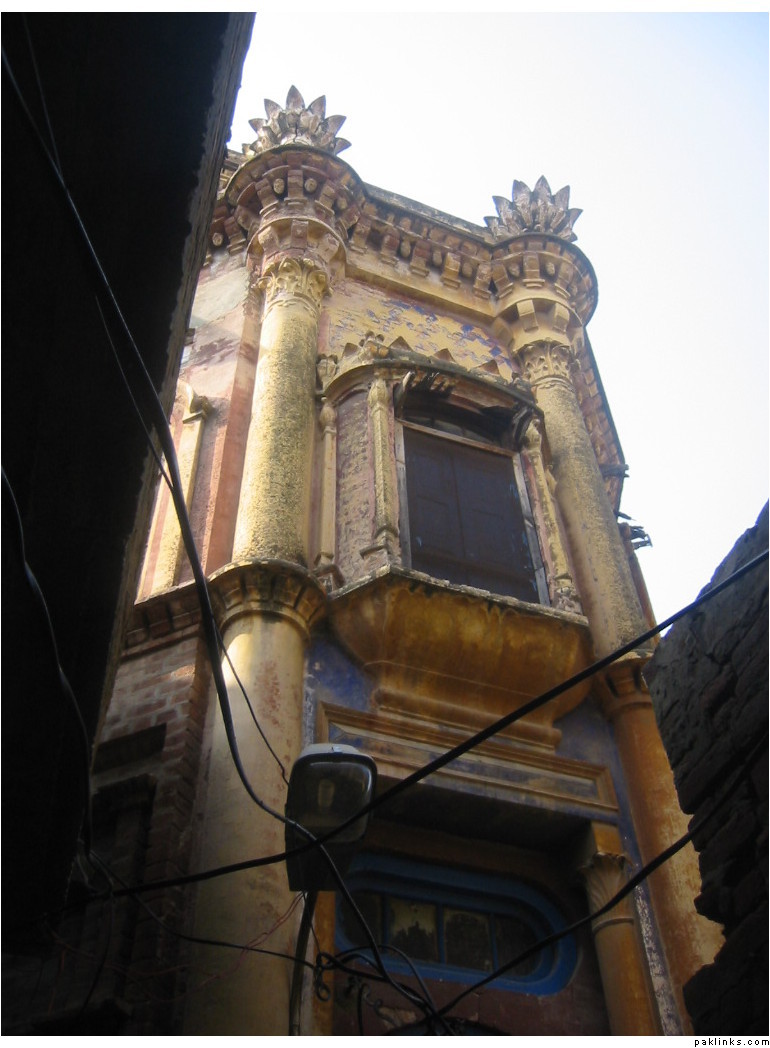
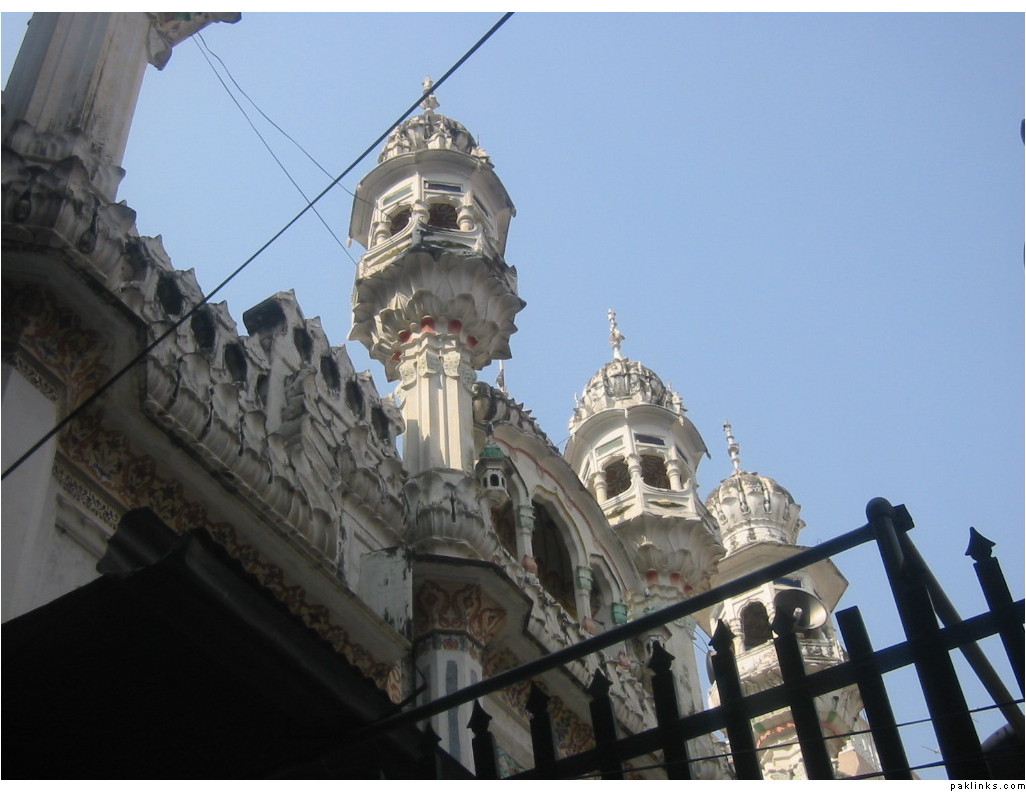
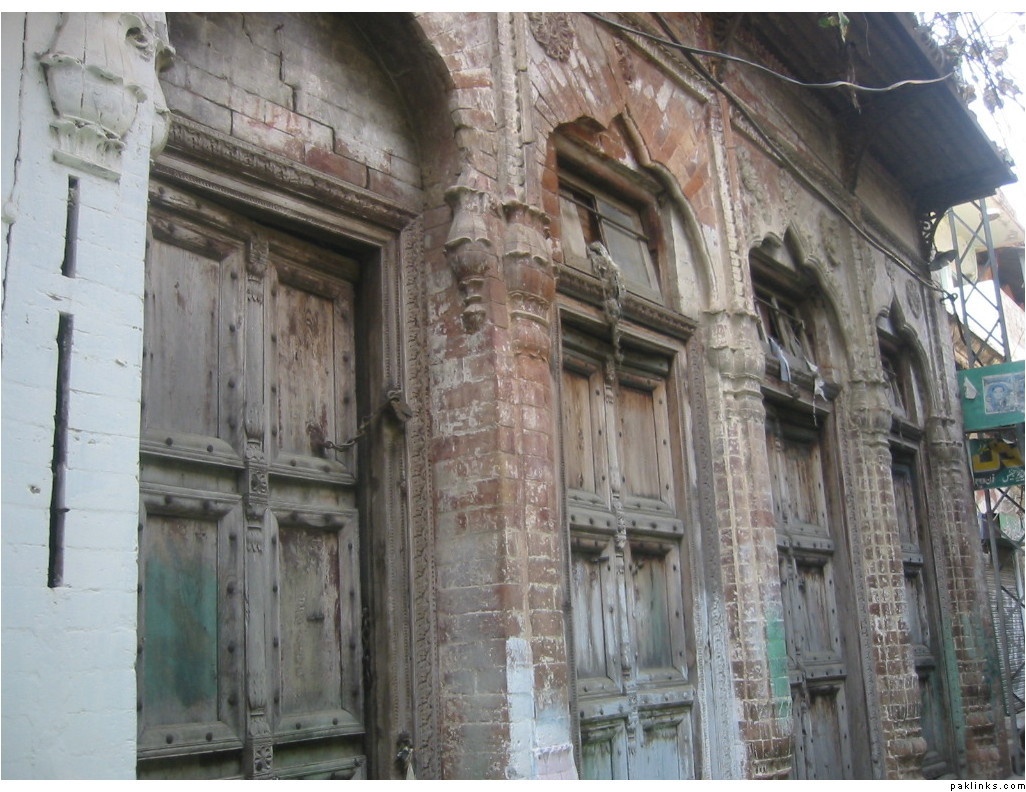
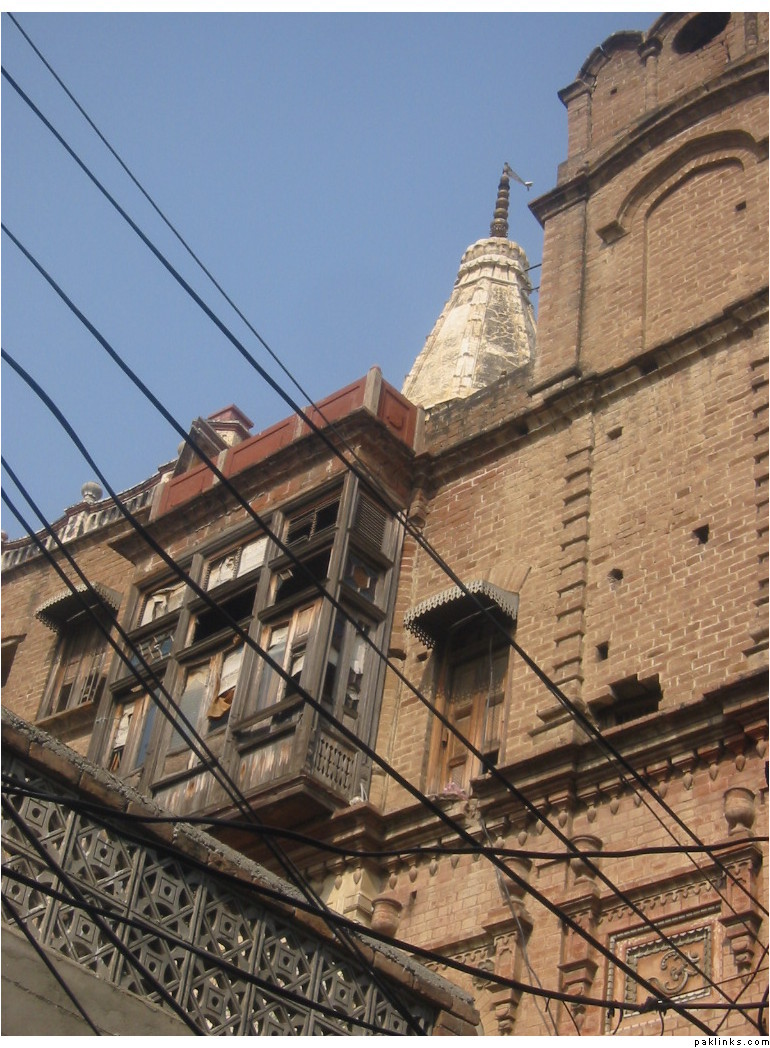
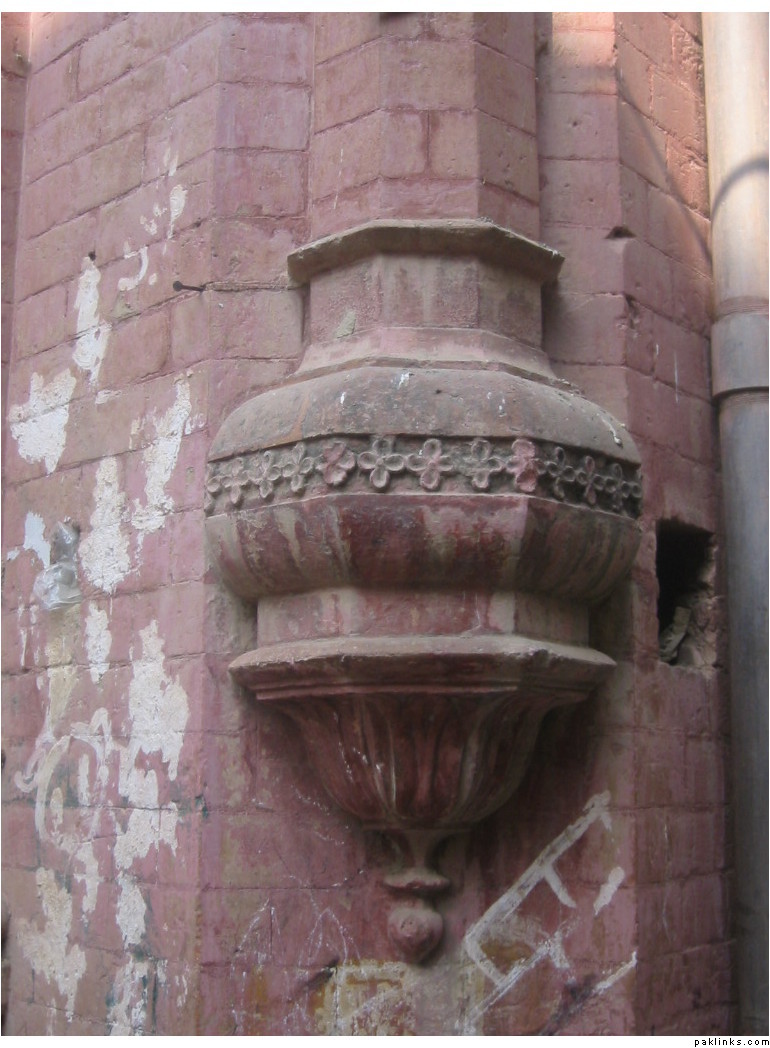
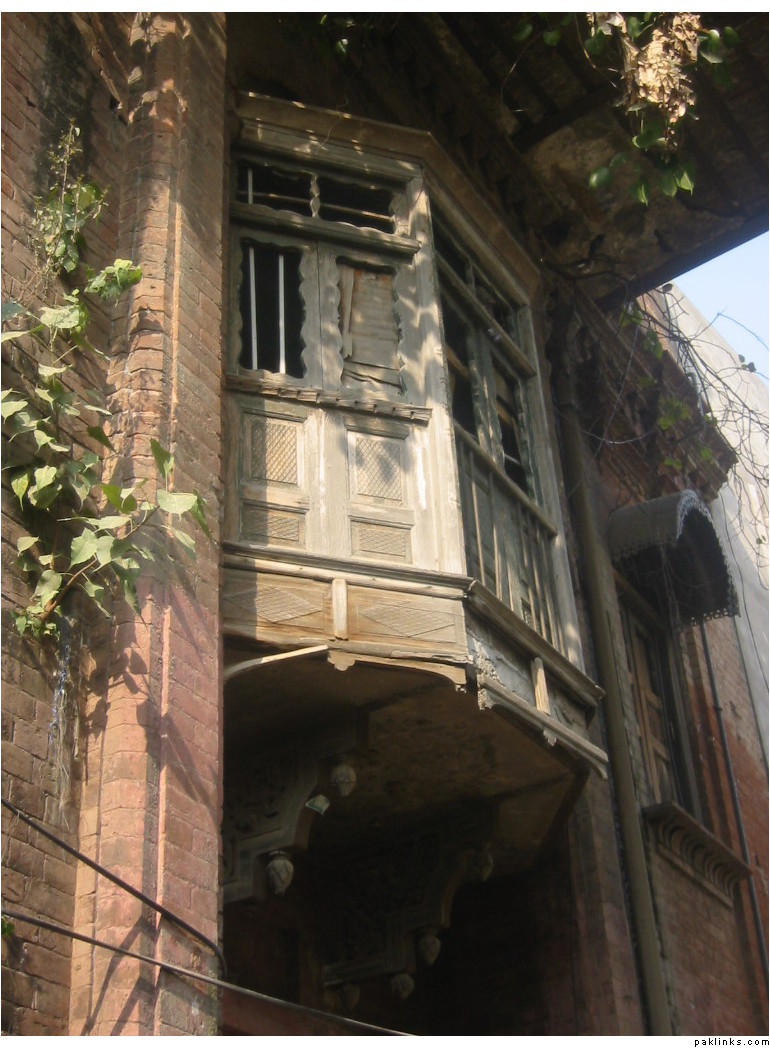
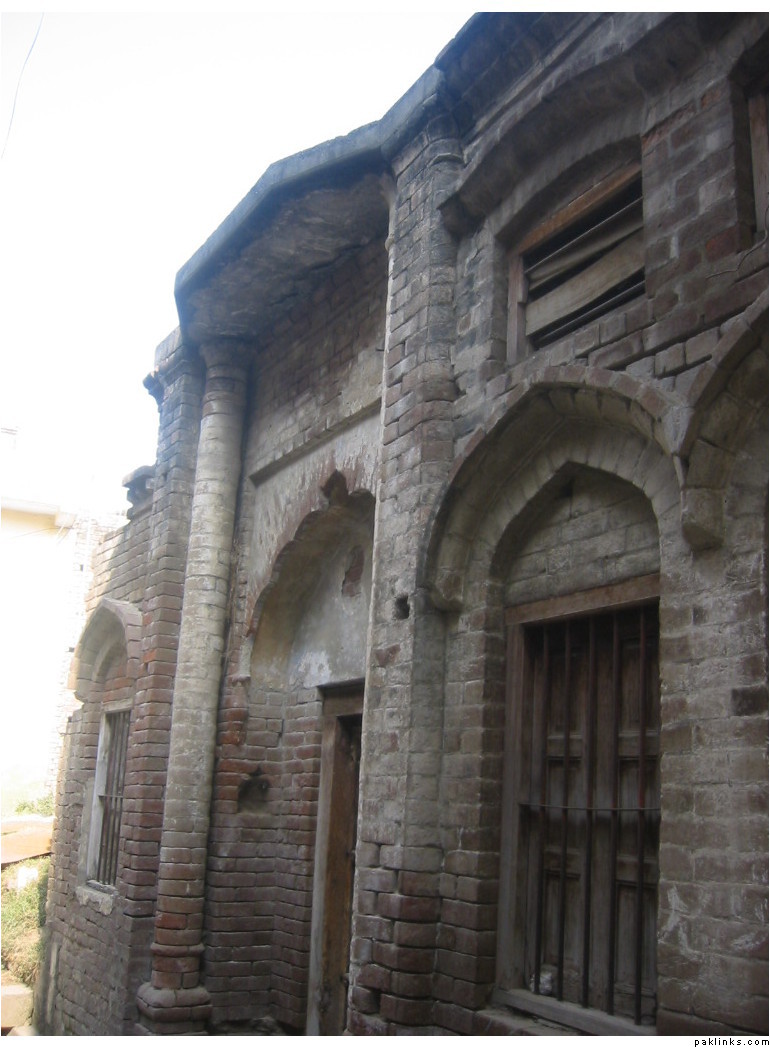
Hazro town is the headquarter of TMA Hazro. It is located at a distance of 70 kms from Islamabad on Islamabad-Peshawar road and 26 kms from Attock city. It lies to the south of Hattian at a distance of 7 Km. Present population is around 40,000. Although, it is in Punjab but it lies on the very edge of the province. Therefore, NWFP influence to all around. There are lots of Kashmiri migrants in the town. The central part of town has an amazing network of old historical building and houses. Most of them are well preserved. In the old part of town there are markets where chappals (shoes) made with tills and embroidery are made. The town also serves as a market place for several villages around it
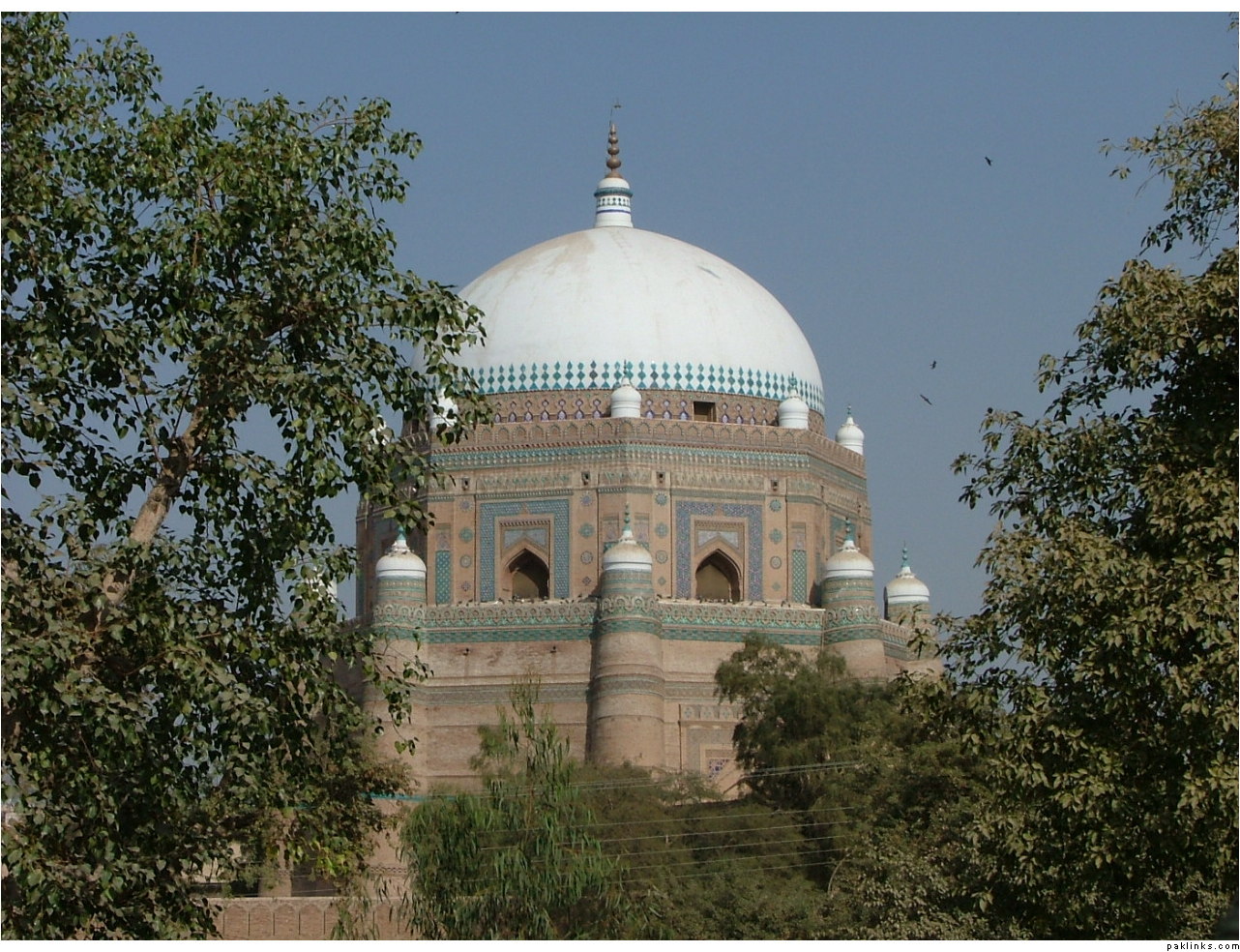
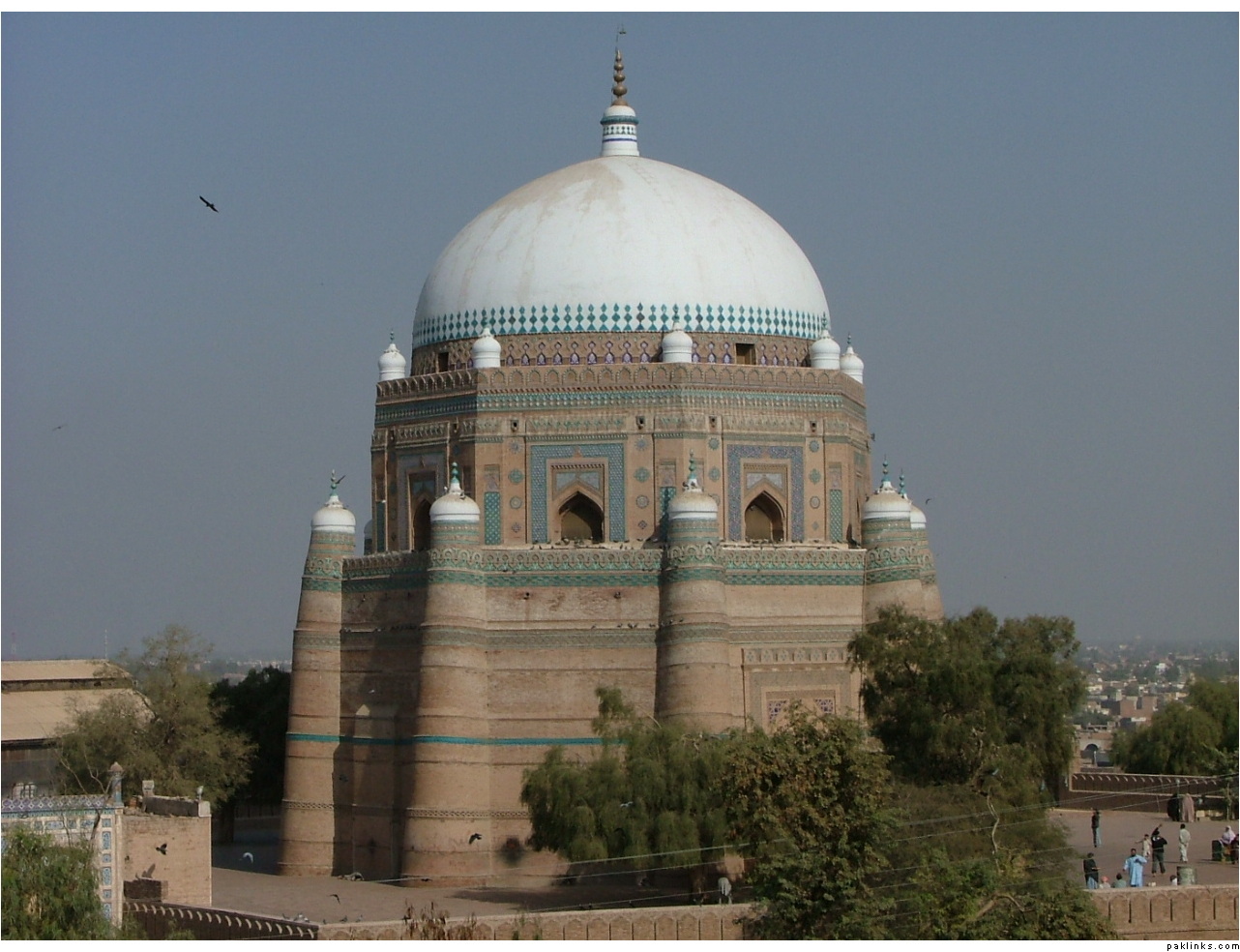
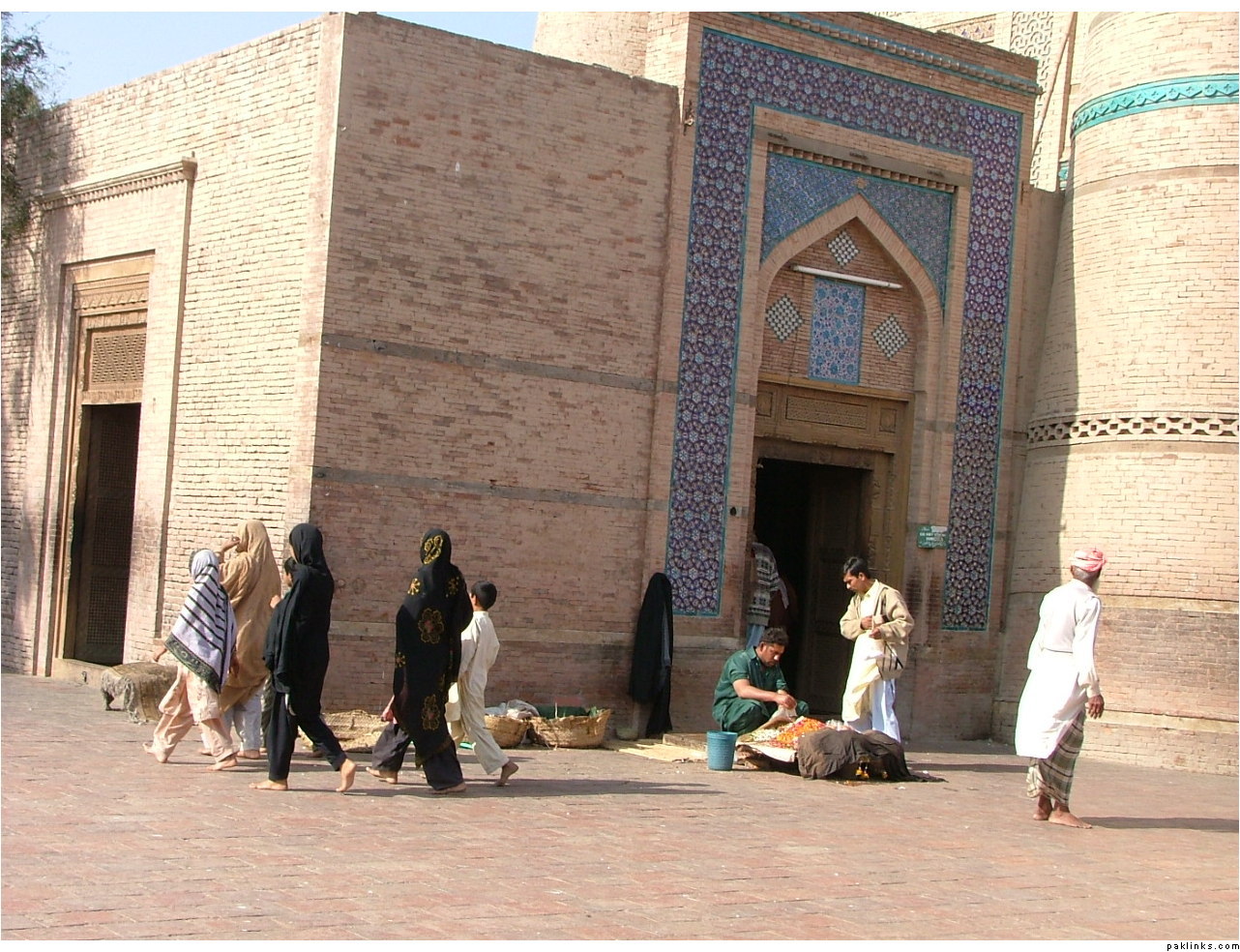
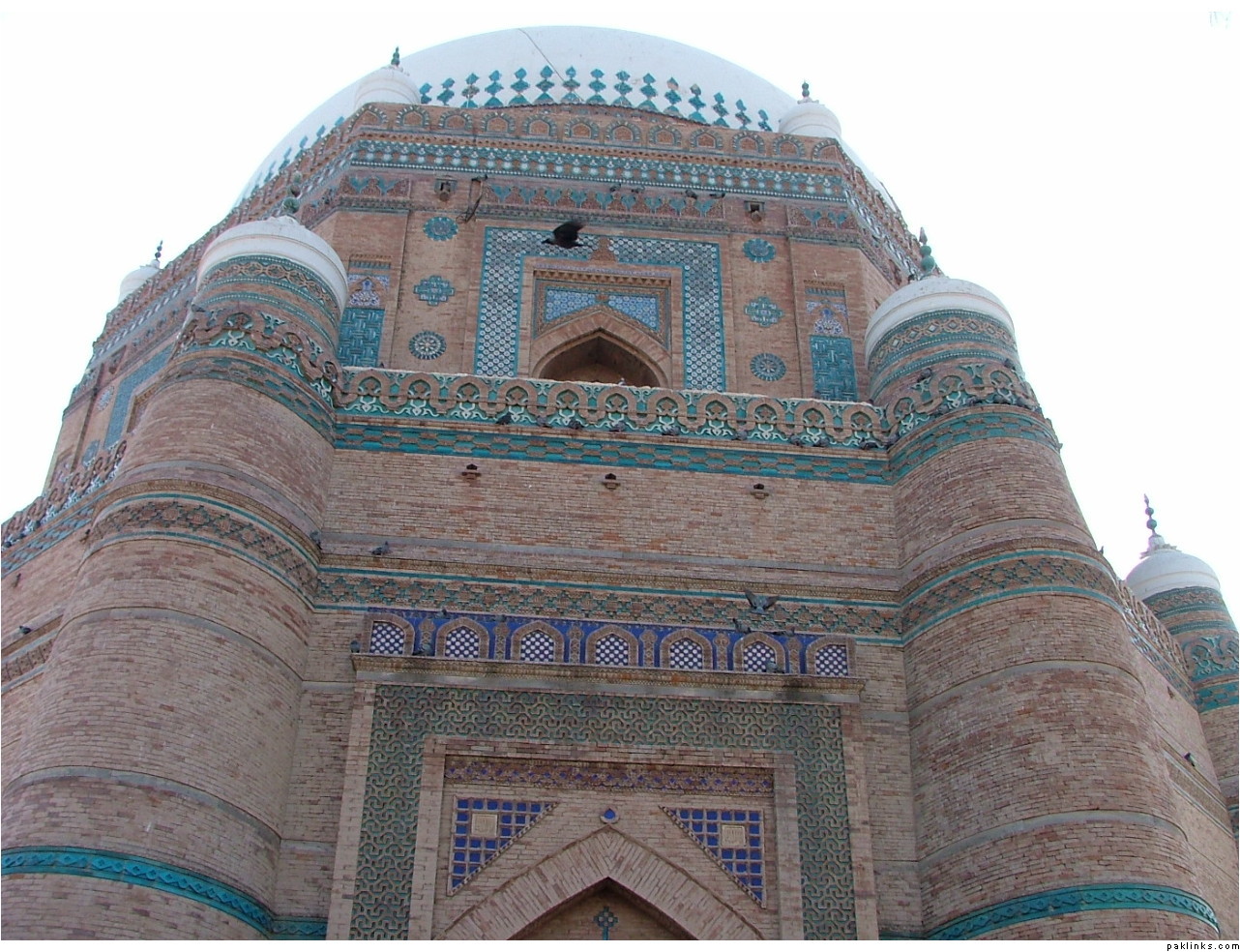
The tomb of Shah Rukn-i-Alam was built by the Tughluq ruler of Delhi, Ghiyas-ud-din (r. 1320-1325), between 1320 and 1324 AD. Although probably intended as a mausoleum for is own dynasty, it was presented to the family of the renowned Sufi saint following the latter’s death. The three-tier structure stands within its own compound at the north-western edge of the Fort. It is octagonal in shape with an interior diameter of 15 metres and the first tier’s 4 metre thick walls assisted by 8 engaged corner towers or buttresses with a clear slope, support an 8 metre octagon surmounted by a dome with a diameter of 15 metres. The 35 metre high structure is constructed in red brick with a visible framework of beams of shisam wood. The exterior is further ornamented with the use of carved brick and wood as well as blue and white faience mosaic tiles with raised relief patterns. The octagon is decorated with geometric, floral and arabesque designs and calligraphic motifs. The interior, although originally plastered, is bare and the sarcophagus of the saint is surrounded by those of 72 of his descendants. The saint is still revered today and his tomb is the focus of the pilgrimage of over 100,000 pilgrims from all over South Asia who visit and commemorate his memory. The carved wooden mehrab is though to represent the earliest example of its category.
Re: Hazro -- ( Share pictures, history of your towns and cities )
^ you can share anything about your city/town or the ones you have visited :)
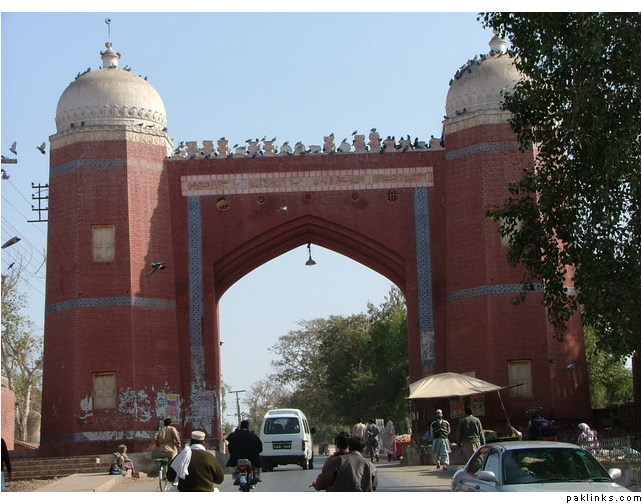
Lovely pictures, guys! Cody, are you sure the first two pictures (in post 5) are of Shah Rukn-e-Aalam mausoleum?
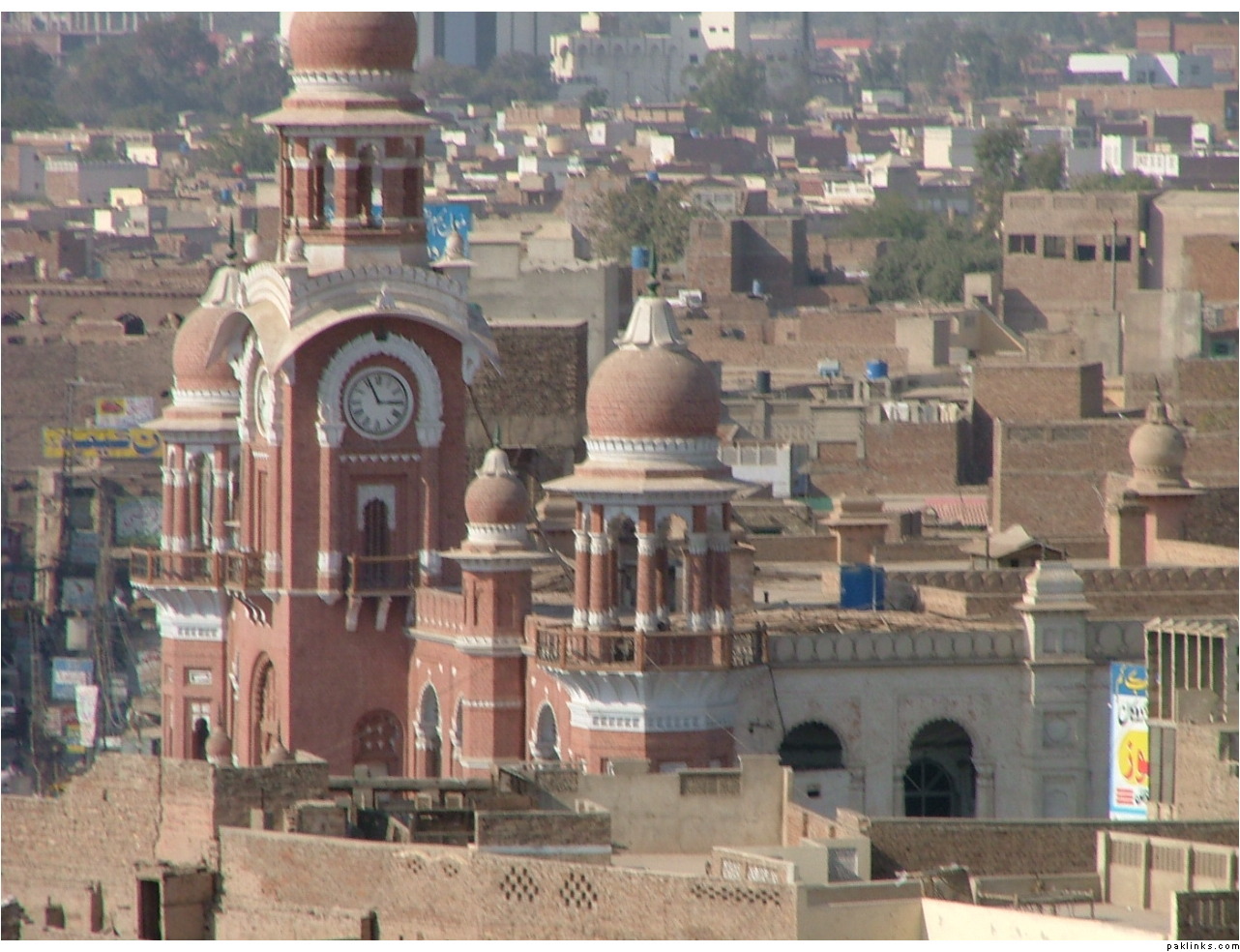
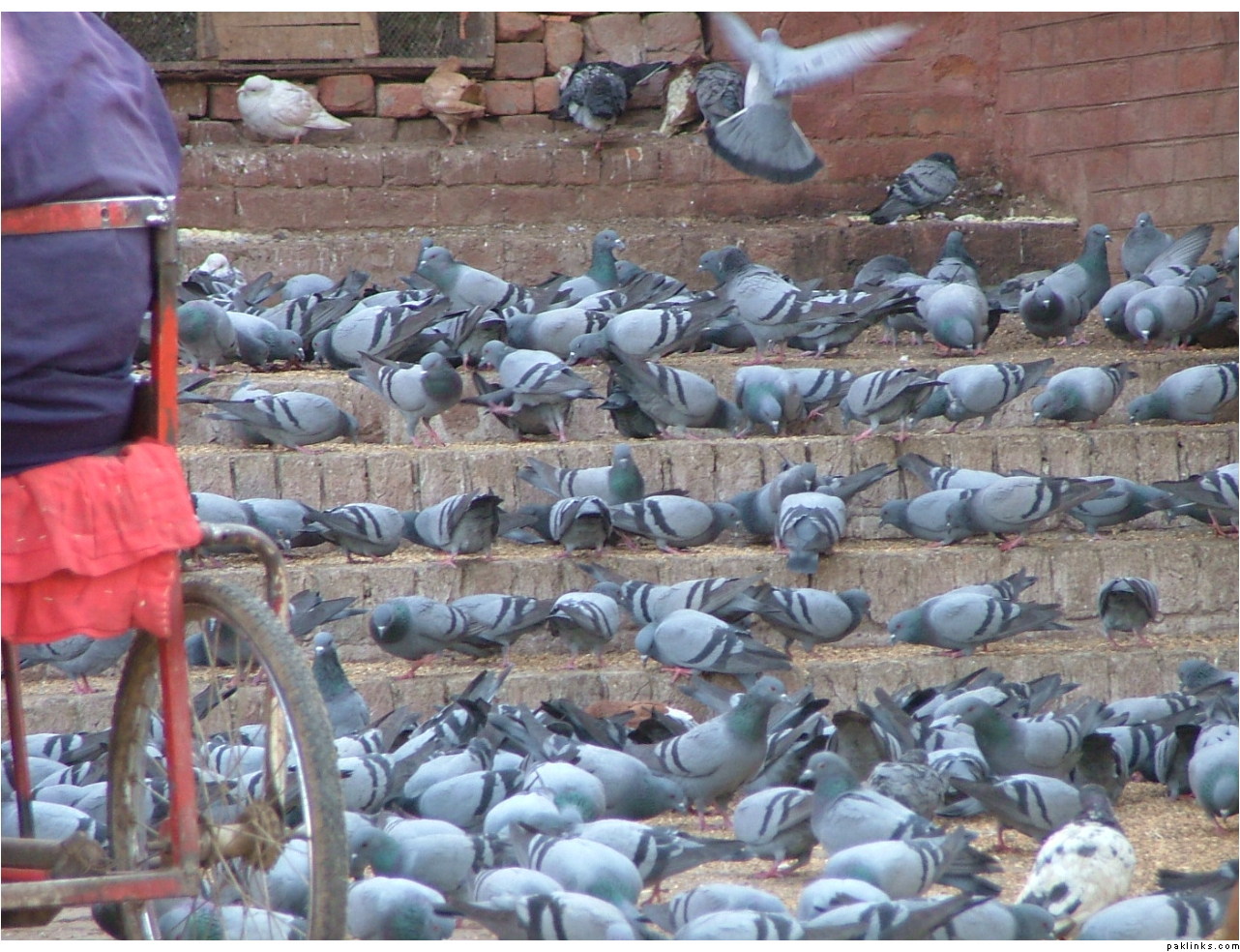
No. the first two pictures (post 5) are of Multan city. They must be important monuments but i am not very familiar with them. Anyone from multan may shed some light on them.
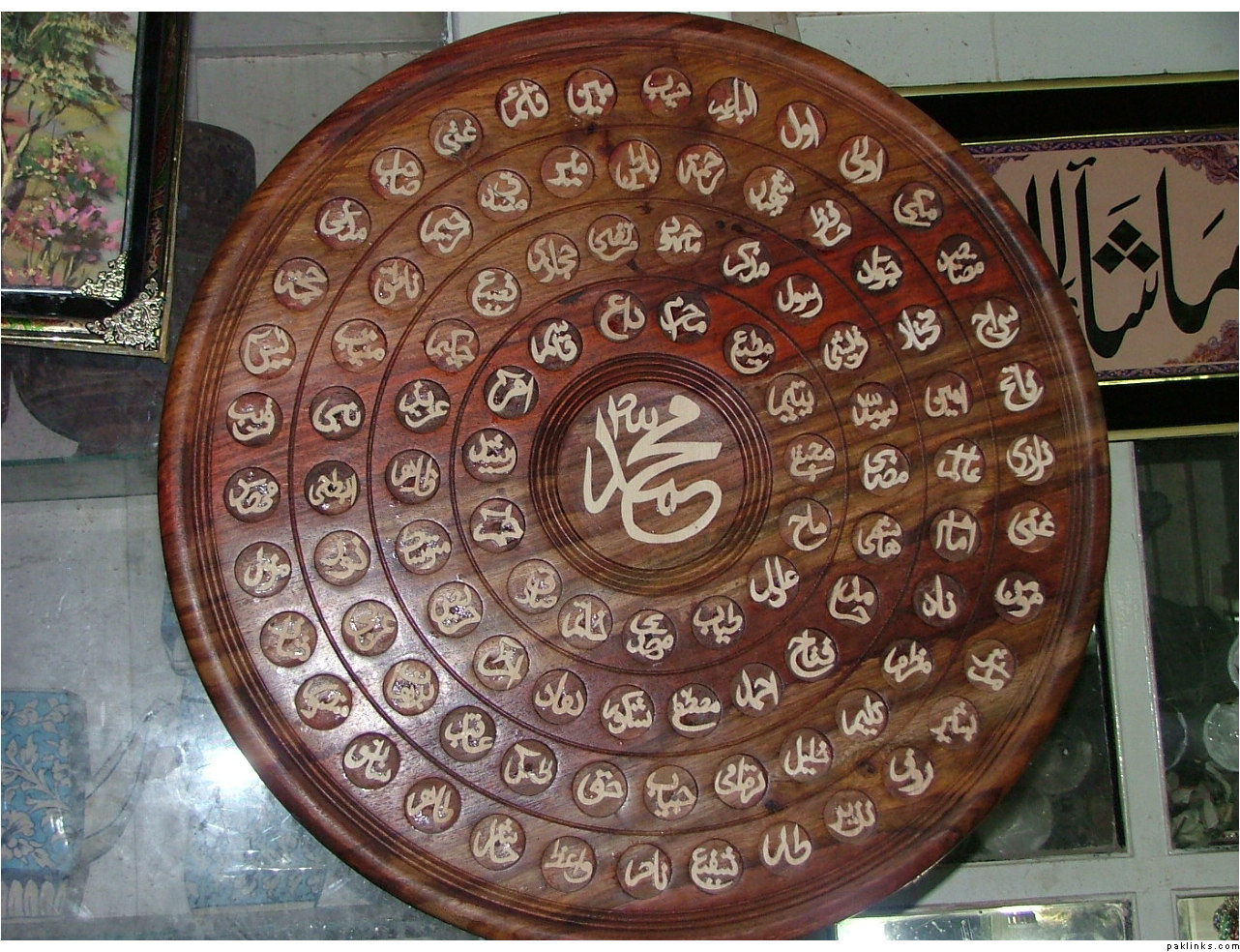
Rest of the pictures are of Shah Rukan-e- Alam mausoleum
Re: Hazro -- ( Share pictures, history of your towns and cities )
^ I thought so. Actually I had the opportunity to visit this mausoleum when I was a child. It was unfortunately a long time ago, and I hardly remember anything now. The building with towers in the second pic in post 5 is probably known as Ghanta Ghar, which is not too far from the mausoleum.