Not at all. Deobandis and brelvis are both Hanafi, brelvis are more sufi than deobandis. Wahabis are non-muqallid.
The Sufi, anti-Sufi divide in Islam had occurred even before the idea of school in Deoband was conceived. This divide existed in all 4 schools of Fiqh, you can find Sufi Shafii and non-Sufi shafii, Sufi Hanbali and non-sufi hanbali etc
Sorry to say but your knowledge of Islamic sects is pretty rudimentary.
Thanks for your information. I have never claimed that my knowledge of Islamic Sects is superior.
What I can see is that Wahabbisation of Deobandis have been carried out during the past in the Afghan war, we know the reasons. Arabs and Pakistani militants fighting together. The state itself participated by mushrooming madrassahs through out the country. Secondly the Pakistanis who went to the Middle East in 60’s and 70’s had been wahabbised when they returned. Third the madrassahs created with the help of petro dollars. Go back a few centuries Islam came into the subcontinent through the Sufis. Wahabbism started spreading its tentacles in the 18th century, that’s the time you see similar figures appearing in Indian subcontinent as well.
He was not betrayed by any specific tribe but by the Barakzai sardars of Peshawer , who were previously tributary to Sikhs and had secretly joined hands with Sikhs again when Syed Ahmad usurped their power. Syed Ahmad had little understanding of Pashtun society and his initial influence, which he gained due to his syed lineage, soon waned when he started interference in local customs and ways of life and began attacking local rivals including sufi pirs. If he was a Pashtun, he could have succeeded very easily. Note that to gain credibility, he did claim to be originally from yousafzai country of buner (Buner has large poulation of Syeds). In this whole drama of wahabism, the focus should have been against Sikhs not locals.
The deobandis , which were called wahabis by Brtitish, did have influence in some parts of the pakhtunkhwa from very beginning. The remanats of Syed ahmad barelwi’s followers continued to operate in yousafzai territoiry of Torghar as late as 1890s, the akhunds of swat were also influenced by it. The deoband itself was founded in Rohilkhand, and it is possible that Rohillas might have been instrumental in establishing it.
The emphasis of deobandis on jihad, tuned well with pashtuns.
I have read about Sher Ali Afridi, British couldnt find links between him and Wahabis, they declared that it was pure case of vengeance.
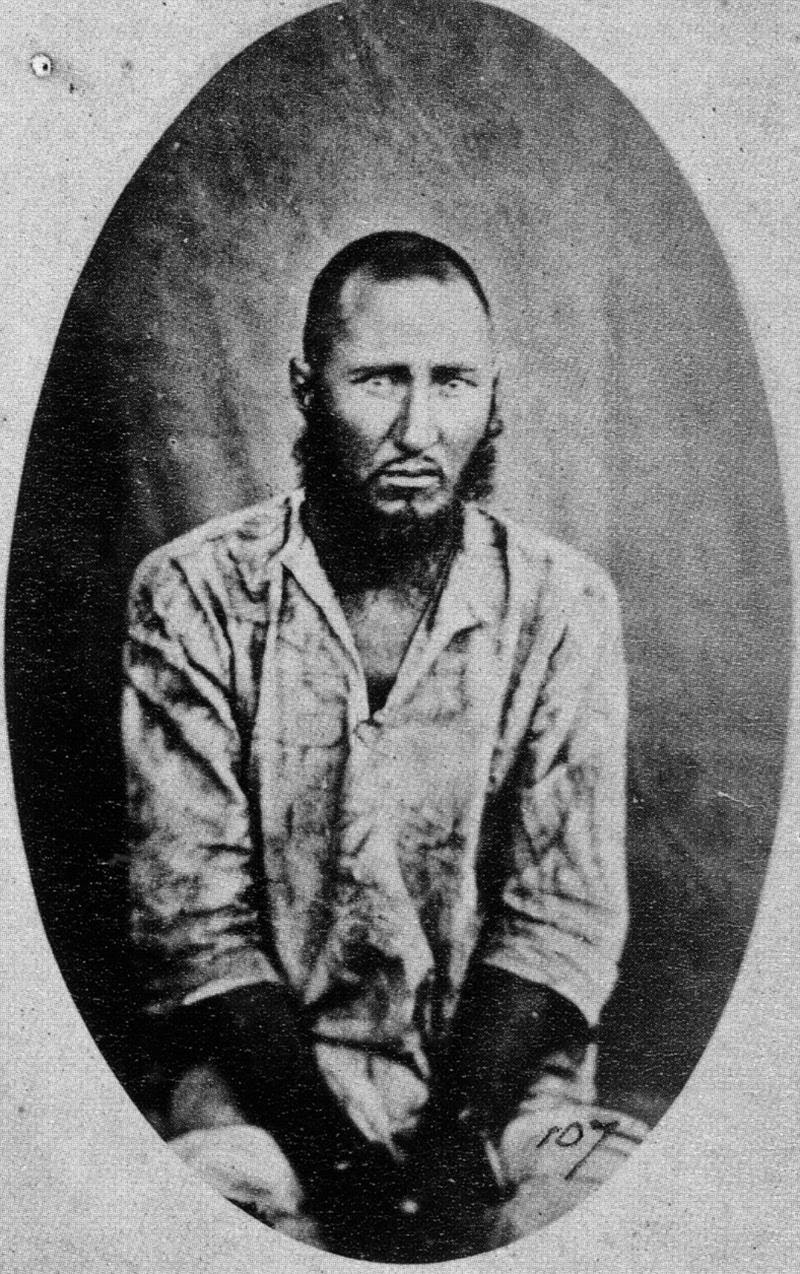
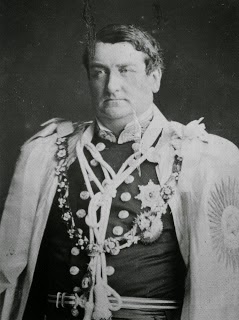
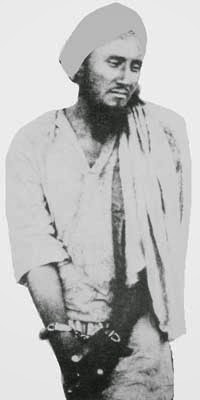
Sher Ali AfridiThe assassination of Viceroy Lord Mayo by an Afridi convict in Andaman Islands (known in India as Kala Paani – Black Water) was also not due to some grand nationalist ideology but simple Pushtun code of honour was at stake. The attacker Sher Ali had served loyally and bravely in a cavalry regiment and served during the 1857 Rebellion in Rohilkhand and Oudh. He then joined Peshawar Mounted Police and fought bravely in Ambela Campaign saving the lives of British officers twice. Sher Ali had a blood feud and killed a man in British territory not in tribal area. He was found guilty by Deputy Commissioner and sentenced to transportation for life to the Andaman Islands. Sher Ali addressing the court, narrated all his services to British strangely enough not to beg for his life but for a death sentence rather than transportation to Black Water. It was a dishonour for a Pushtun to be sentenced to life imprisonment. Death penalty will be an honour. The British officer considering the loyal services of the accused was avoiding the capital punishment but the accused himself was demanding a death penalty. When he was told that he would be sent to Black Water, he said, “You will hear of me again, and so will my people”. Surely, everybody all over India and abroad heard him when he killed the British Viceroy of India, Richard Bourke, the 6th Earl of Mayo, who had stopped off to visit the convict settlement at the Andaman Islands.
In “Sarguzasht e Mujahideen”, Maulana Ghulam Rasool Mahar explains the incident in great detail:
“Sher Ali was a man who would come down to anything to fulfil his ambitions. On one occasion, he had broken his heavy chains and handcuffs that were meant to restrain him and injured a prison guard after snatching his rifle. After killing the viceroy, he was asked by the courts about who had hired him to do this job. He would simply reply that I killed him by the Order of Allah!”
Sher Ali was again tried for murder and was given the death penalty once again. On the 11th of March 1873, when he was brought to the gallows, there was a look of satisfaction in his eyes. He kissed the rope from which he would be hanged and exclaimed, “When I made this intention [of killing the viceroy], I had already envisioned myself over here”. He addressed the Muslims who had come to watch the penalty being enforced, “Brothers, I killed your enemy. You be witness that I am a Muslim.” With this, he recited the Kalma Shahadah. Twice he was able to complete it. The third time, he was not able to do so because of suffocation.
so its emphasis of jihad that converted to sufi pashtuns to pro-devbandi? But as far as I know, a society where sufi traditions flow is quite plural and tolerant and its very difficult to raise people for armed Jihad. I can see that in Sindh, may be they have interpreted Jihad in different meaning as they are not martial race, but as Pashtun society was martial race they could connect to armed jihad.
Muqawee I dont think its fair to use word wahabi for hanafis (deobandis), concept of sufism exists in both deobandi and bareilwi schools of hanafis. Wahabis/ahle-hadith are ghair muqalid and dont believe in sufism. Bareilwis are criticized for bid’aa and various devaint cultural influences , so in their nervousness, they shout wahabi against their deobandi opponents. The clean and true version of hanafi fiqa, with iran , turkestan and afghanistan as its centres, was free from bareilwi-like customs. Islam in hindostan of general folk got corrupted due to hindu cultural influences, those who refused to clung to it, were recognized as bareilwis in 20th century. The founder of bareilwism, ahamd raza issued a fatwa that jihad is haram against british. Interestingly, bareilwis of pashtuns are as militant/warriors as deobandis.
Goron ney he Brailwaiat Firqa banwaya tha apney agent Ahmed Raza Brelvi k zariye :cobra:
mein ney aik waqi parha tha lekin woh dobra nah mil saka key angraiz ney kis tarah jadojahd ker kay dhair saray firqay bana ker muslims ko larwa dia angraizon key aamad sey pahlay koi aisi cheez nahin thi sub us k bad he banay hain
ager woh waqai mujhay mil jata tou pata lag jata kah kia kahani thi yeh
me ko pata tha u yahi kaho gey lekin haqeeqat yahi hey :cobra: aor ab yeh zaher itna bhar chuka hay keh nikala nah jay ga
mein nay kuch namazeon ko road per namaz parhtey daikha hay kah woh mukhalif firqay key masjid mein namaz parh rahey to tou unhon ney namaz parhney k doran he bahir khara kar dia aor un mousof ney bhi niyyat nahin tori aor traffic block kr wa di
Its not a different religion that special circumstances were required for establishing the roots in KPK , its just that deoabnd-affiliated madrassas started getting established there. The very stern version, which has overcome pashtunwali nowadays in some areas, is rather recent phenomena, manifested in the form of taliban… is associated with influences of alqaiada and saudi after soviet-afghan war. Mullah was low-caste in traditional Pashtun society, nowadays his students has guns
Actually its no secret, Ahamd raza bareilwi issued fatwa that jihad is haram against angraiz. He also supported British in first world war and opposed khilfat movement. British reports of their officers and governors indicate that they were very concerned and wary of Deobandis and their anti-english sentiments. They first brought Qadianis as counter to Deobandis but that backfired and failed. Next time they were careful, they put forward the traditional sufis against deobandis which actually worked…Its interesting to note that Bareilwis, shias and qadianis were on one side in support of British, while deobandis were on other side in opposition to British.
But if we look at Pakistan’s independence movement we see deobandis against Pakistan and Qadiyani, Shia taking active part in Pakistan Movement. Mr Jinah was Ismaili Khoja who later converted to Ithna ashri. I read some of Muslim scholars (you can trace the sect) called Mr Jinah British Agent.