What to feed?
What food can be left out for birds and how can you keep your feeding station hygenic and pest-free? Here you’ll find the answers to all your bird feeding questions.
Feeding birds in the garden is a popular activity - over half of adults in the UK feed birds in their garden. Providing birds with supplementary food brings them closer for us to marvel at their exciting behaviour and wonderful colours and rewards them for sharing this intimacy with us. Feeding birds is an easy way to start teaching children about wildlife.
Supplementary feeding cannot provide all of the natural proteins and vitamins that adult and young birds need, so it is important to create and manage your garden to provide a source of natural foods too, through well-managed lawns, shrub and flowerbeds.
With this popularity of feeding birds, it is important that we do so responsibly and safely. By following a few simple guidelines we can all play a valuable role in helping the birds that visit gardens to: overcome periods of natural food shortage, survive periods of severe winter weather and be in good breeding condition in the spring.
The RSPB receives numerous enquiries concerning the feeding of garden birds. Many of them relate to the best type of food to provide or whether particular foods are suitable for birds or not.
This page shows you what to feed to your garden birds and what to avoid.
**Bird seed mixtures **
These are widely available for wild birds. Different mixes have been formulated for feeders and for table/ground feeding. The better mixtures contain plenty of flaked maize, sunflower seeds, and peanut granules.
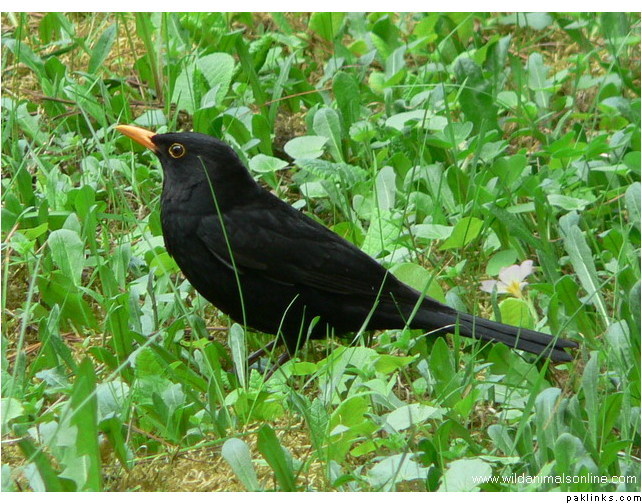
Mixes containing chunks or whole nuts are suitable for winter feeding only. Small seeds, such as millet, attract mostly house sparrows, dunnocks, finches, reed buntings and collared doves, while flaked maize is taken readily by blackbirds. Tits and greenfinches favour peanuts and sunflower seeds. Pinhead oatmeal is excellent for many birds. Wheat and barley grains are often included in seed mixtures, but they are really only suitable for pigeons, doves and pheasants, which feed on the ground and rapidly increase in numbers, frequently deterring the smaller species and upsetting neighbours.
Avoid seed mixtures that have split peas, beans, dried rice or lentils as again only the large species can eat them dry. These are added to some cheaper seed mixes to bulk them up. Any mixture containing green or pink lumps should also be avoided as these are dog biscuit, which can only be eaten when soaked.
**Black sunflower seeds **
These are an excellent year-round food, and in many areas are even more popular than peanuts. The oil content is higher in black than striped ones, and so they are much better. Sunflower hearts (the husked kernels) are a popular no-mess food.
**Nyjer seeds **
These are small and black with a high oil content. They need a special type of seed feeder, and are particular favourites with goldfinches and siskins.
**Peanuts **
These are rich in fat and are popular with tits, greenfinches, house sparrows, nuthatches, great spotted woodpeckers and siskins. Crushed or grated nuts attract robins, dunnocks and even wrens. Nuthatches and coal tits may hoard peanuts. Salted or dry roasted peanuts should not be used. Peanuts can be high in a natural toxin, which can kill birds, so buy from a reputable dealer who will guarantee freedom from aflatoxin.
Bird cake and food bars
Fat balls and other fat-based food bars are widely available, and are excellent winter food. If they are sold in nylon mesh bags, always remove the bag before putting the fat ball out – the soft mesh can trap and injure birds. You can make your own bird cake by pouring melted fat (suet or lard) onto a mixture of ingredients such as seeds, nuts, dried fruit, oatmeal, cheese and cake. Use about one-third fat to two-thirds mixture. Stir well in a bowl and allow it to set in a container of your choice. An empty coconut shell, plastic cup or tit bell makes an ideal bird cake ‘feeder’. Alternatively, you can turn it out onto the birdtable when solid.
Live foods and other insect foods
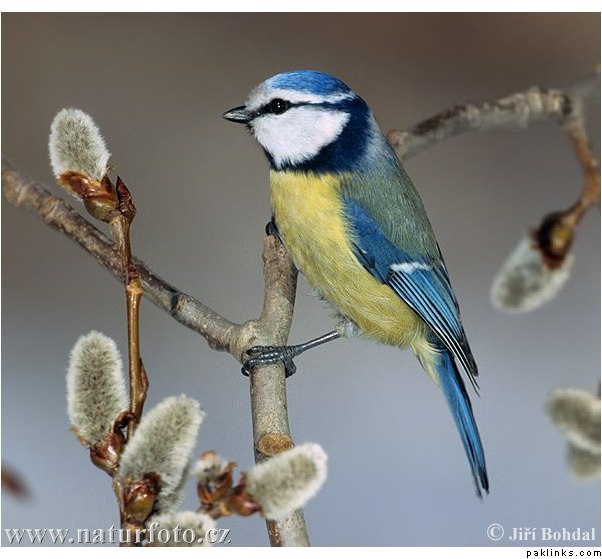
Mealworms are relished by robins and blue tits, and may attract other insect-eating birds such as pied wagtails. Supplies can be obtained from advertised dealers in pet and wild bird food. You can also culture your own mealworms (click on the link to the left). Waxworms are excellent, but expensive. Proprietary foods for insect-eating birds, such as ant pupae and insectivorous and softbill food are available from bird food suppliers and pet shops. Insect food appropriately offered can attract treecreepers and wrens.
Mealworms are a natural food and can be used to feed birds throughout the year. It can become quite expensive to constantly buy mealworms, and many people want to grow their own. Click on the link to the left to find out how to culture your own mealworms. If you cannot face this performance, buy your mealworms from the professionals, consoling yourself with the thought that successful mealworm breeding is even more difficult than it sounds. Click on the link to the right to buy mealworms from the RSPB shop.
It is very important that any mealworms fed to birds are fresh. Any dead or discoloured ones must not be used as they can cause problems such as salmonella poisoning.
Polyunsaturated margarines or vegetable oils
These are unsuitable for birds. Unlike humans, birds need high levels of saturated fat, such as raw suet and lard. Birds will need the high energy content to keep warm in the worst of the winter weather, since their body reserves are quickly used up, particularly on cold winter nights. The soft fats can easily be smeared onto the feathers, destroying the waterproofing and insulating qualities.
Dog and cat food
Meaty tinned dog and cat food form an acceptable substitute to earthworms during the warm, dry part of the summer when worms are beyond the birds’ reach. Blackbirds readily take dog food, and even feed it to their chicks.
Dry biscuits are not recommended as birds may choke on the hard lumps. It is sometimes added to cheaper seed mixtures for bulk. Soaked dog biscuit is excellent, except in hot weather as it quickly dries out. Petfood can attract larger birds such as magpies and gulls, and also neighbourhood cats. If this is likely to be a problem, it is best avoided.
Milk and coconut
Never give milk to any bird, regardless of species or age. A birds gut is not designed to digest milk, and therefore milk can result in serious stomach upsets or even death. Birds can, however, digest fermented dairy products such as cheese, and mild grated cheese can be a good way of attracting robins, wrens and dunnocks.
Give fresh coconut only, in the shell. Rinse out any residues of the sweet coconut water from the middle of the coconut before hanging it out to prevent the build-up of black mildew.
Desiccated coconut should never be used as it may swell once inside a bird and cause death.
Rice and cereals
Cooked rice, brown or white (without salt added) is beneficial and readily accepted by all species during severe winter weather. Uncooked rice may be eaten by birds such as pigeons, doves and pheasants but is less likely to attract other species.
Porridge oats must never be cooked, since this makes them glutinous and can harden around a bird’s beak. Uncooked porridge oats are readily taken by a number of bird species.
Any breakfast cereal is acceptable birdfood, although you need to be careful only to put out small quantities at a time. It is best offered dry, with a supply of drinking water nearby, since it quickly turns into pulp once wetted.
Mouldy and stale food
While many moulds are harmless, there are some that can cause respiratory infections in birds, and so it is best to be cautious and avoid mouldy food entirely.
If food turns mouldy or stale on your birdtable, you are probably placing out too large a quantity for the birds to eat in one day. Always remove any stale or mouldy food promptly. Stale food provides a breeding ground for salmonella bacteria, which can cause food poisoning. At least one type of salmonella causes death among such species as greenfinches and house sparrows. Large quantities of food scattered on the ground may attract rats and mice. Rats can carry diseases that affect humans.
How To feed Birds?
Bird tables are suitable for many species and most foods. A simple tray is perfectly adequate, with or without a roof. It needs a raised rim to retain the food and a gap at each corner of the rim to allow rainwater drain away and allow you to clean away droppings and uneaten food. Do not be tempted by elaborate designs that are difficult to clean.
Nut feeders are made of steel mesh, and are the only safe method of offering nuts to wild birds. The mesh size needs to be large enough to prevent beak damage and small enough to prevent large pieces of nut from being removed – about 6 mm is a good compromise.
Seed feeders are tubular transparent containers with holes, through which birds are able to access the seed. These are designed for sunflower seeds and seed mixes labelled feeder seed. They will attract tits, siskins and greenfinches.
Nyjer seed is smaller and needs a special type of seed feeder. They are particularly popular with goldfinches and siskins. Hopper types with trays or flat surfaces are suited to general cereal based mixes, although any seed mix can be used. They will attract a similar range of birds as a bird table. Make sure that all feeders drain easily and do not allow the build-up of old food with the associated health risks.
Home-made devices
Half coconuts and tit bells filled with fat, bird cake, etc can be hung from your bird table, a tree or from a bracket on a wall. They will attract greenfinches, house sparrows and tits.
Other ideas
Fill the holes and cracks of a post or suspended log with fatty food, such as suet, for agile birds, such as tits, nuthatches, woodpeckers, treecreepers and even wrens.
Thrushes and dunnocks prefer to feed on the ground. For these birds, scatter food on the lawn or use a ground feeding tray or hopper well clear of cover to avoid lurking cats. Remember to change the area you scatter the food over every few days, and never put out more than is eaten the same day to avoid attracting vermin.
If you put food such as apples and bread on the ground, space it out in different places in the garden. This will reduce competition between birds so that more birds can feed at any one time. If there is snow on the ground, clear small areas before putting down the food.
If you have a garden, consider planting items for wildlife to feed on or take shelter in.
Mesh bags – a warning
Peanuts and fat balls are regularly sold in nylon mesh bags. Never put out any food in mesh bags. These may trap birds’ feet and even cause broken or torn off feet and legs. Birds with a barbed tongue, eg woodpeckers, can become trapped by their beaks.
For more detail visit http://www.rspb.org.uk/advice/helpingbirds/feeding/birdtables/index.asp


 bread khilla pilla kar moota kar diya tu, chithi kya khaak deliver karai ga kaboootra.