Wokingham means ‘Wocca’s people’s home’. Wocca was apparently a Saxon chieftain who also owned lands at Wokefield in Berkshire and Woking in Surrey. In Victorian times, it was known as Oakingham and the acorn with oak leaves is the town’s symbol.
The courts of Windsor Forest were held at Wokingham and the town had the right to hold a market from 1219. It has remained a small market town all its life. Queen Elizabeth granted a town charter in 1583. From the 14th to the 16th centuries, Wokingham was well-known for its bell foundry which supplied many churches across the south of England.
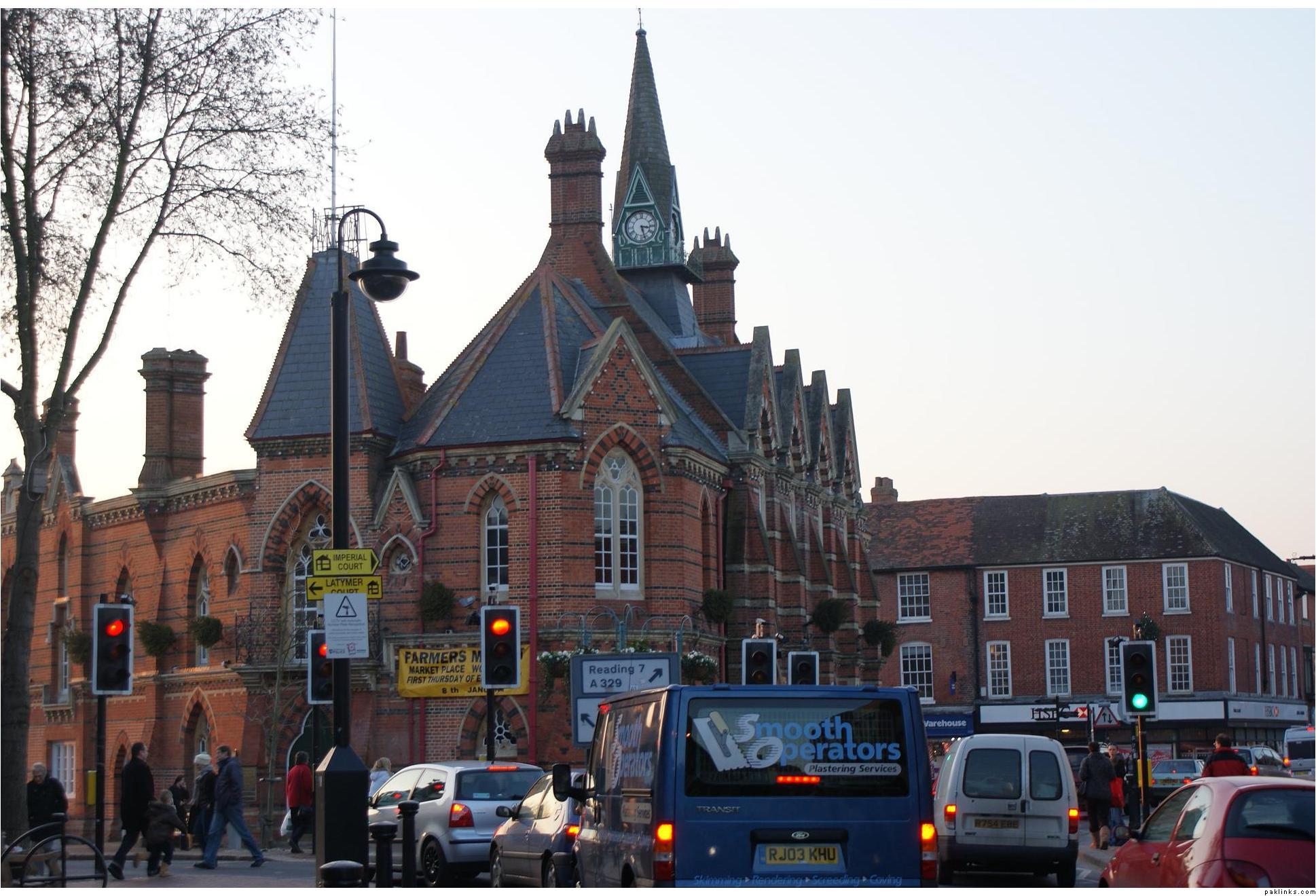
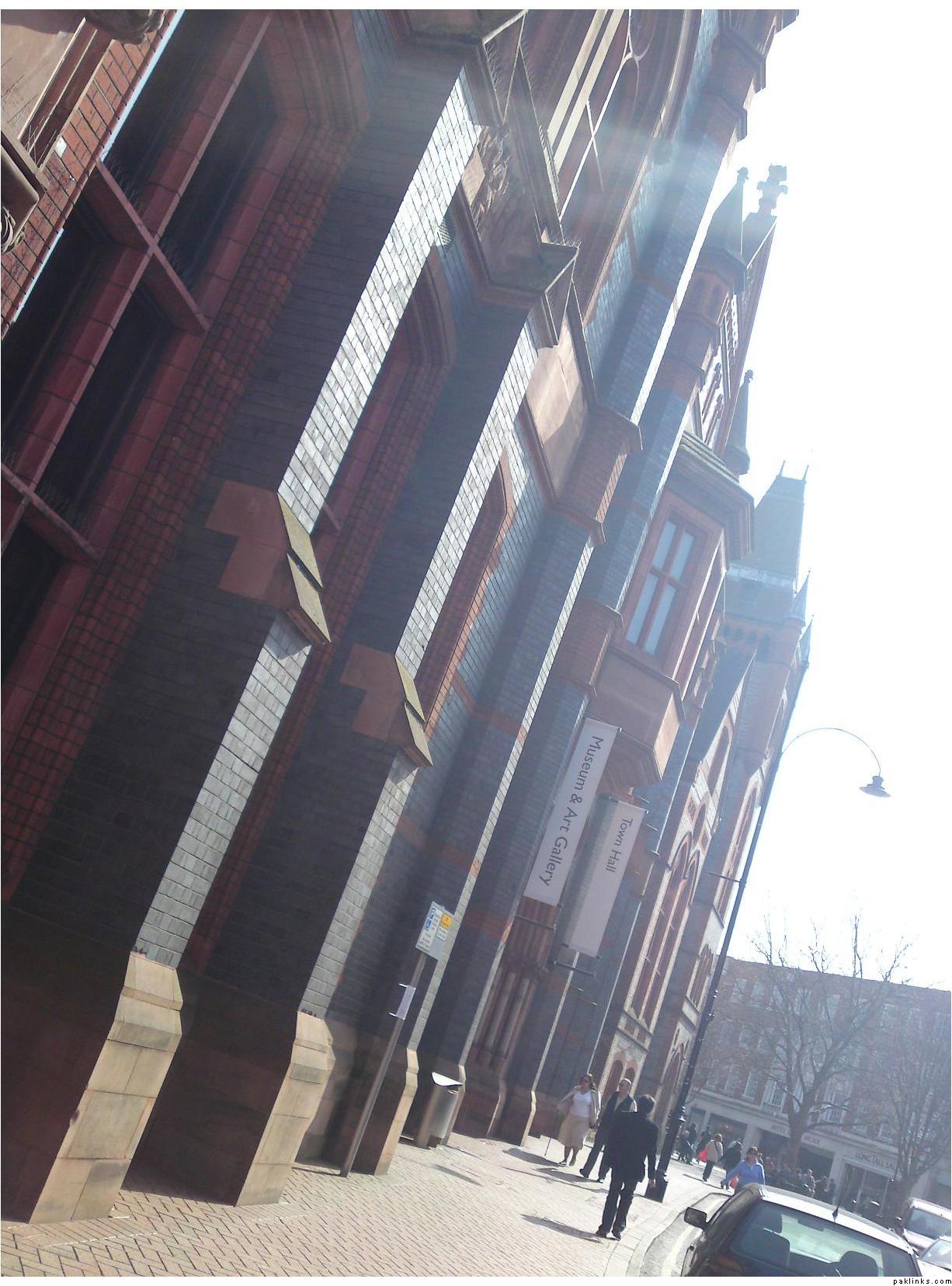
Wokingham Townhall
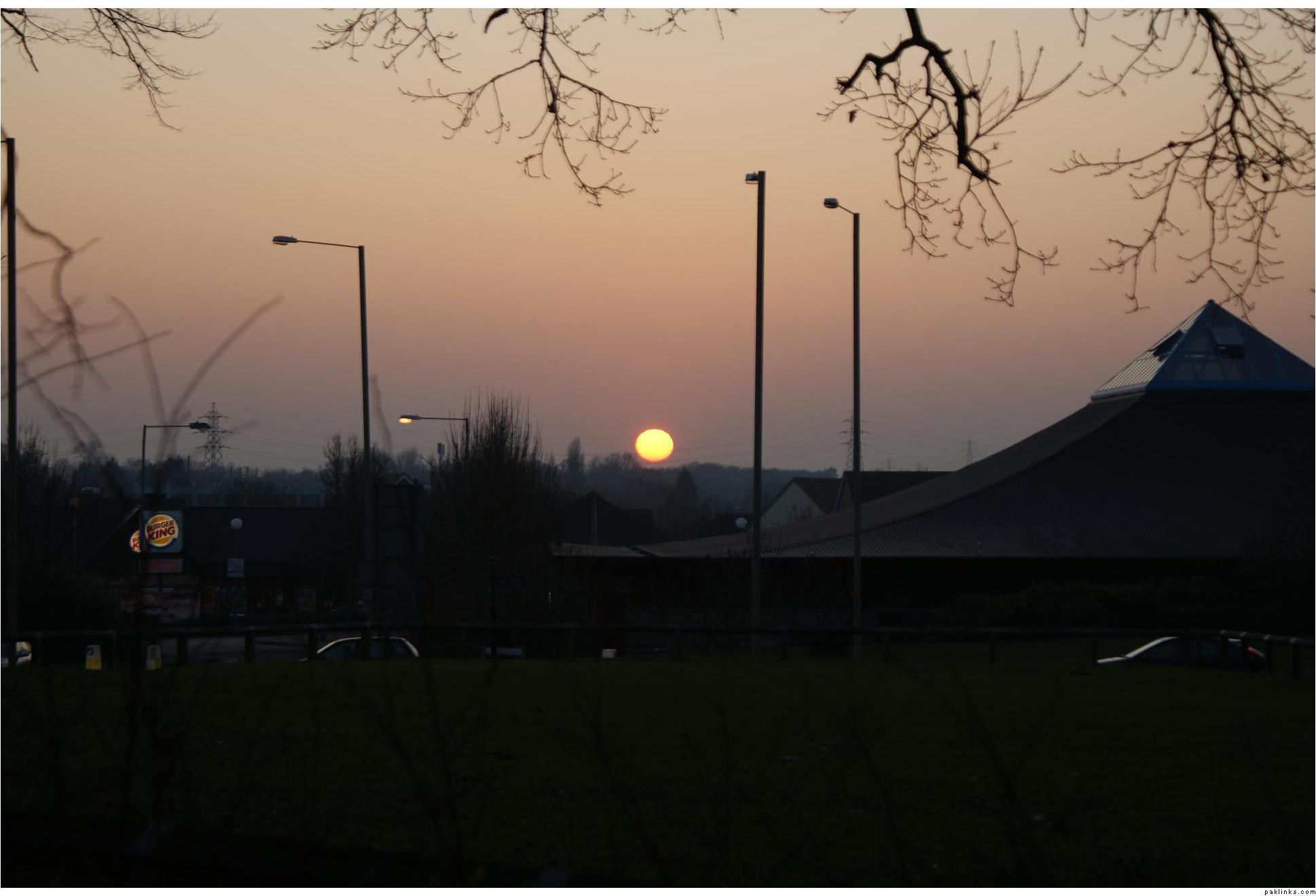
Sunset near Saint Lucas Hospital
Lud Grove school where Prince William and harry went is also in Wokingham, we were too tired to walk from Saint Lucas hospital to Lud Grove and it was cold autumn evening and getting dark so we decided to end our journey there.
nice one hareem, i live in that side of London that borders buckinghamshire. i also explore such drives, paths and lakes in bucks and berks. do visit harefield Aquadrome, Denham Village, grand union canal, pinewood studios and town like amersham, chalfont, chorlywood etc. nice to see some one sharing this passion.
nearest escape from my house, my local golf club pinner hill and moor park also, ruislip lido lake and woods stuff.
nice one hareem, i live in that side of London that borders buckinghamshire. i also explore such drives, paths and lakes in bucks and berks. do visit harefield Aquadrome, Denham Village, grand union canal, pinewood studios and town like amersham, chalfont, chorlywood etc. nice to see some one sharing this passion.
nearest escape from my house, my local golf club pinner hill and moor park also, ruislip lido lake and woods stuff.
savial garden is very nice in spring.
I've been to ruislip lido few years ago, that's in west London or near west London?
Other places you've mentioned in Bucks, right? There's so much to see here so once i'm done with berks i'll start exploring bucks and oxford, inshaAllah.
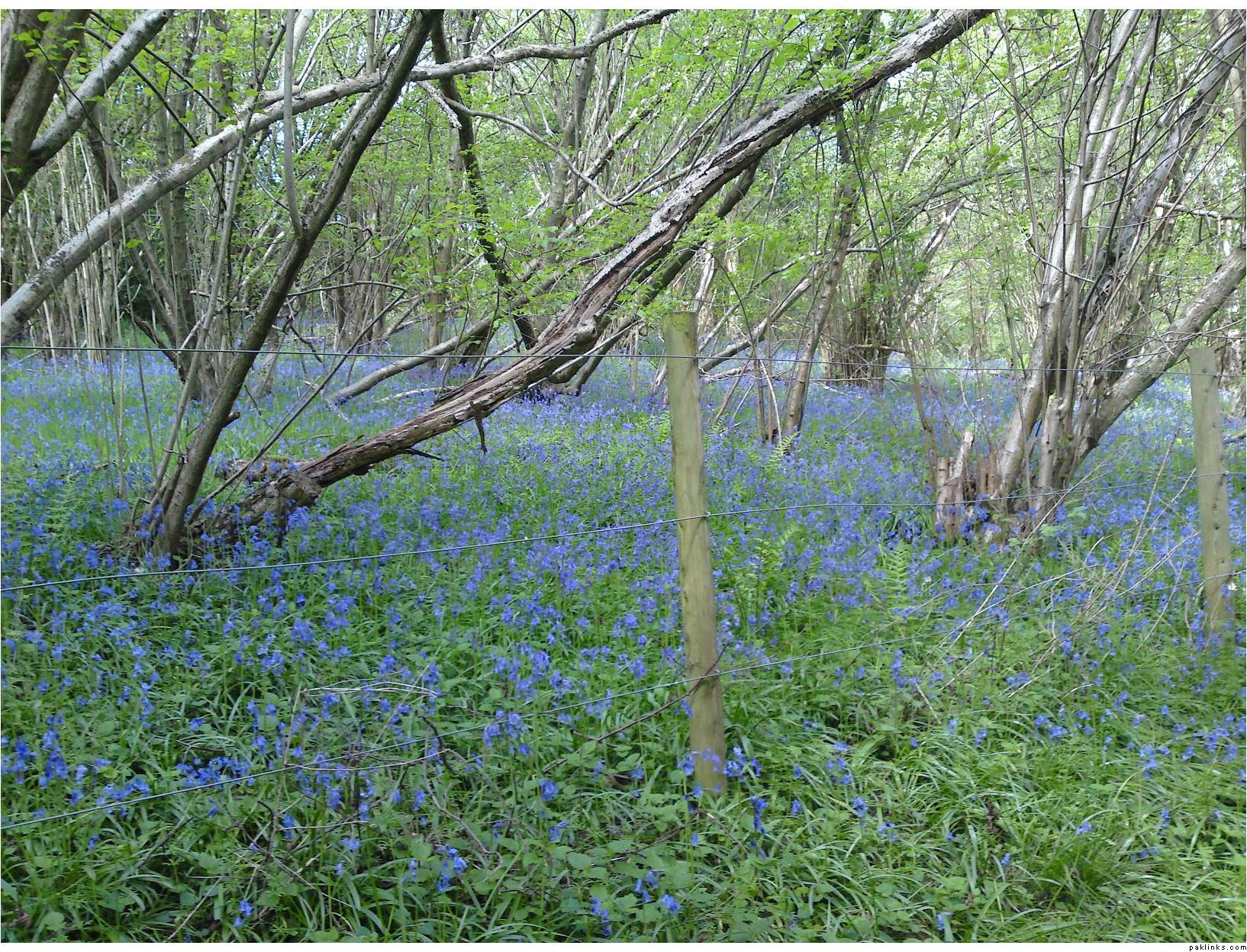
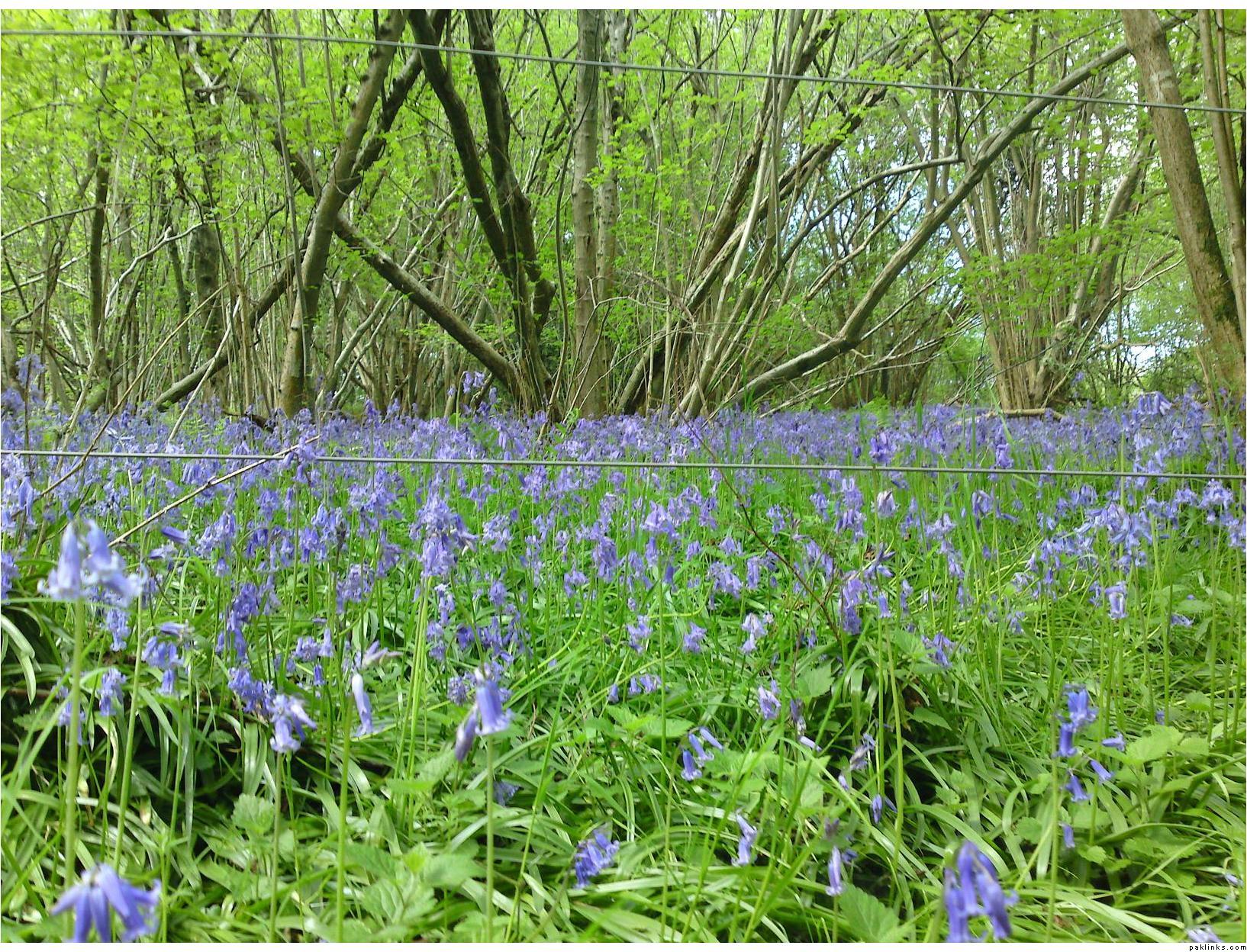
i'm planning to visit Swinley woods in bracknell, windsor castle in slough and few bluebell woods but right now I want to share pics of a famous town of Berkshire called "Reading".
**History: **
The settlement was founded at the confluence of the River Thames and River Kennet in the 8th century as Readingum. The name is probably from the Anglo-Saxon for “[Place of] Reada’s People”, or (less probably) the Celtic Rhydd-Inge, “Ford over the River”. The name of the settlement was derived from an earlier folk, or tribal, name. Anglo-Saxon names ending in -ingas originally referred not to a place but to a people, in this case specifically the descendants or followers of a man named Reada, literally “The Red One.”[1]](http://en.wikipedia.org/wiki/Reading,_Berkshire#cite_note-0)[2]](http://en.wikipedia.org/wiki/Reading,_Berkshire#cite_note-1) Reading was occupied by the Vikings after the first Battle of Reading in 871, but had recovered sufficiently by its 1086 Domesday Book listing to contain around 600 people and be made a designated borough.
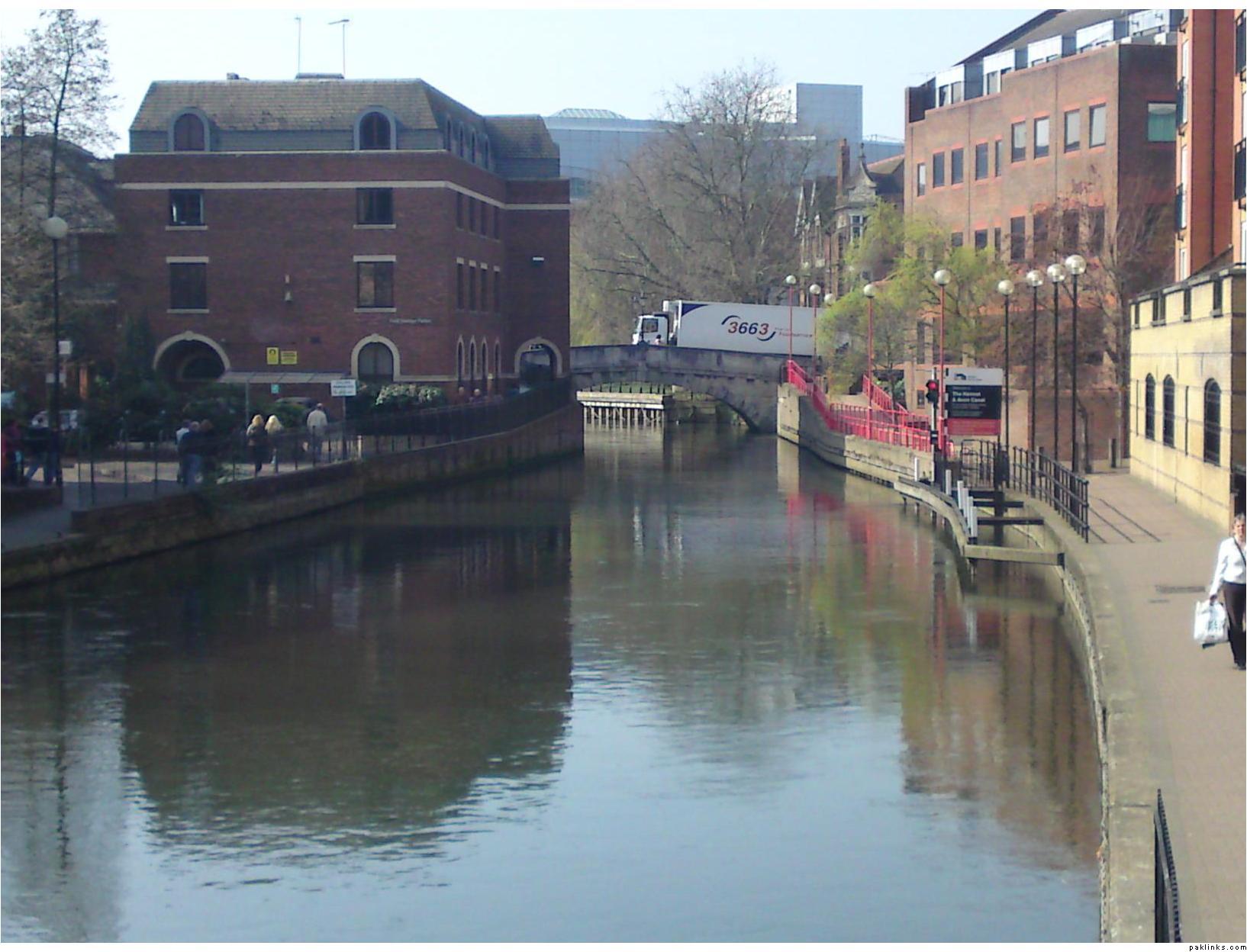
River Kennet and High Bridge
That lorry spoiled the picture, we waited for few minutes but it didn’t move.
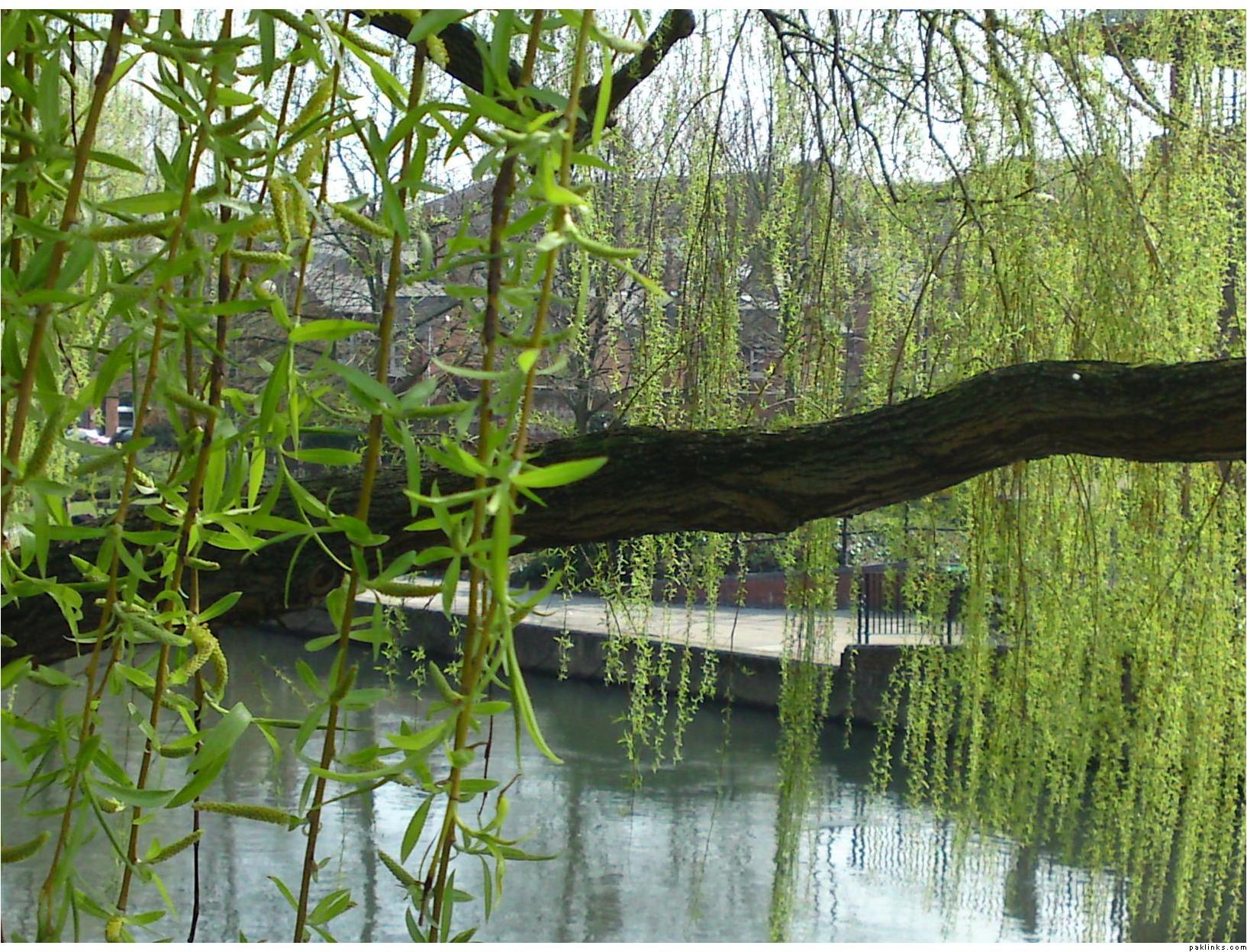
A willow tree’s branches/leaves…in the background River Kennet.
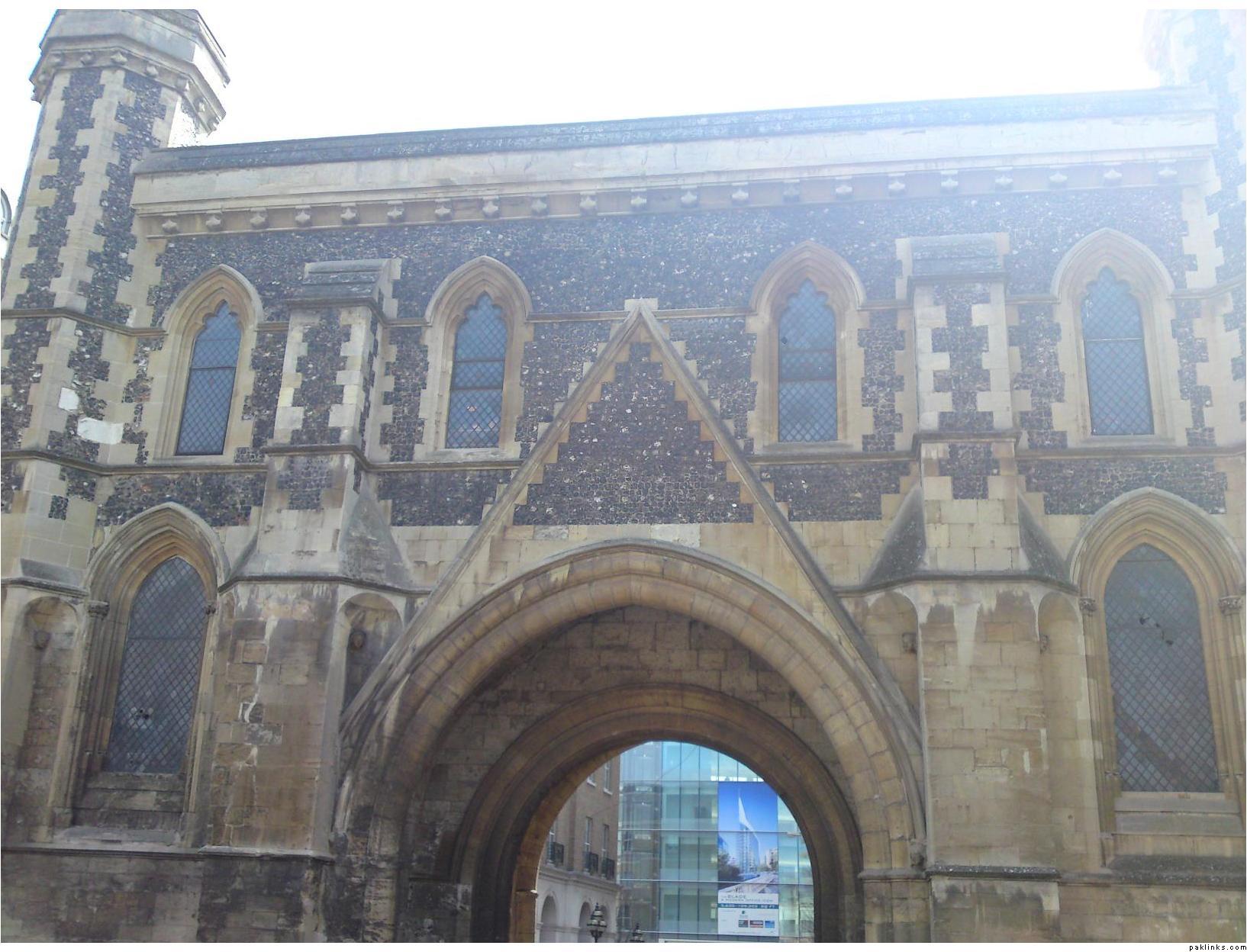
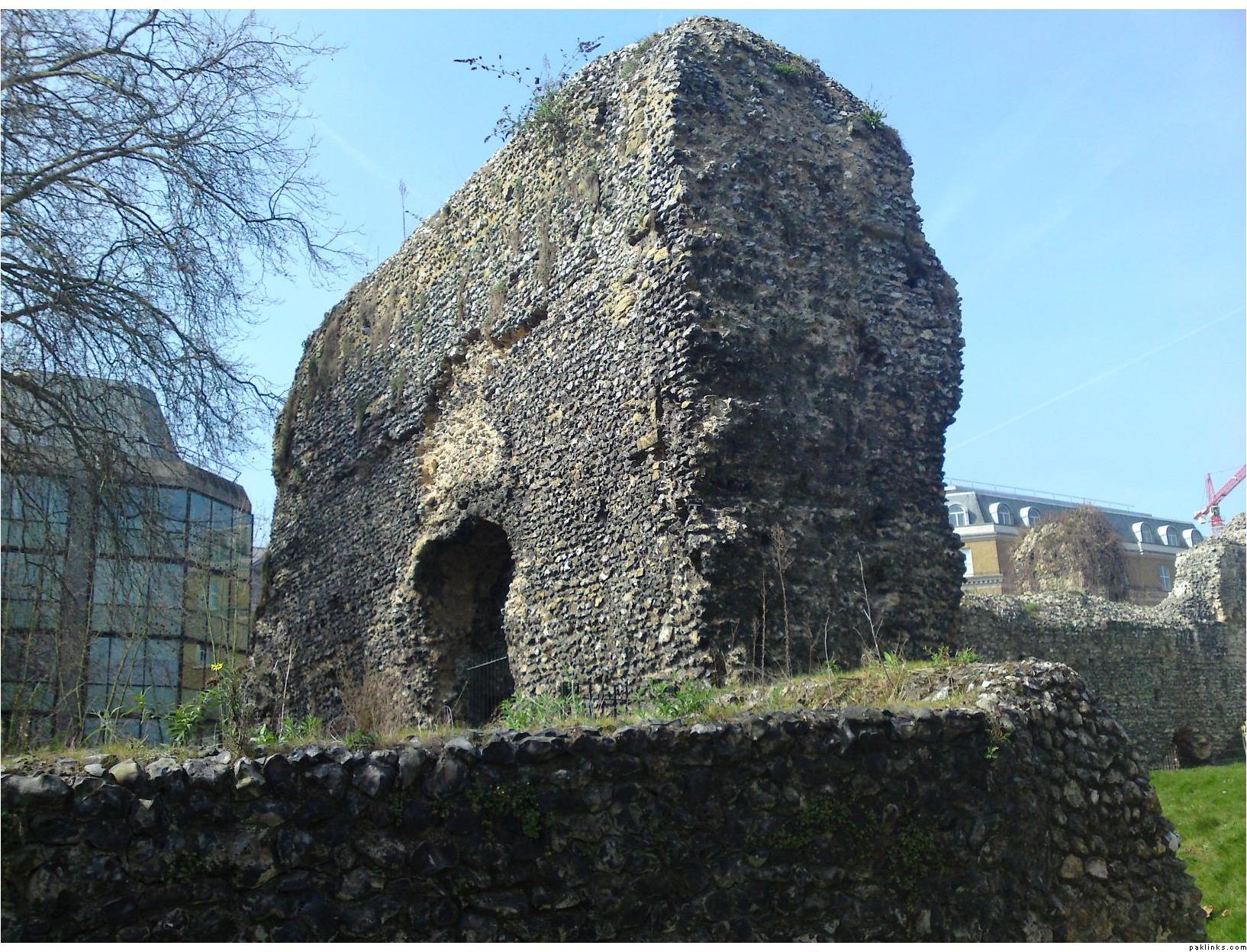
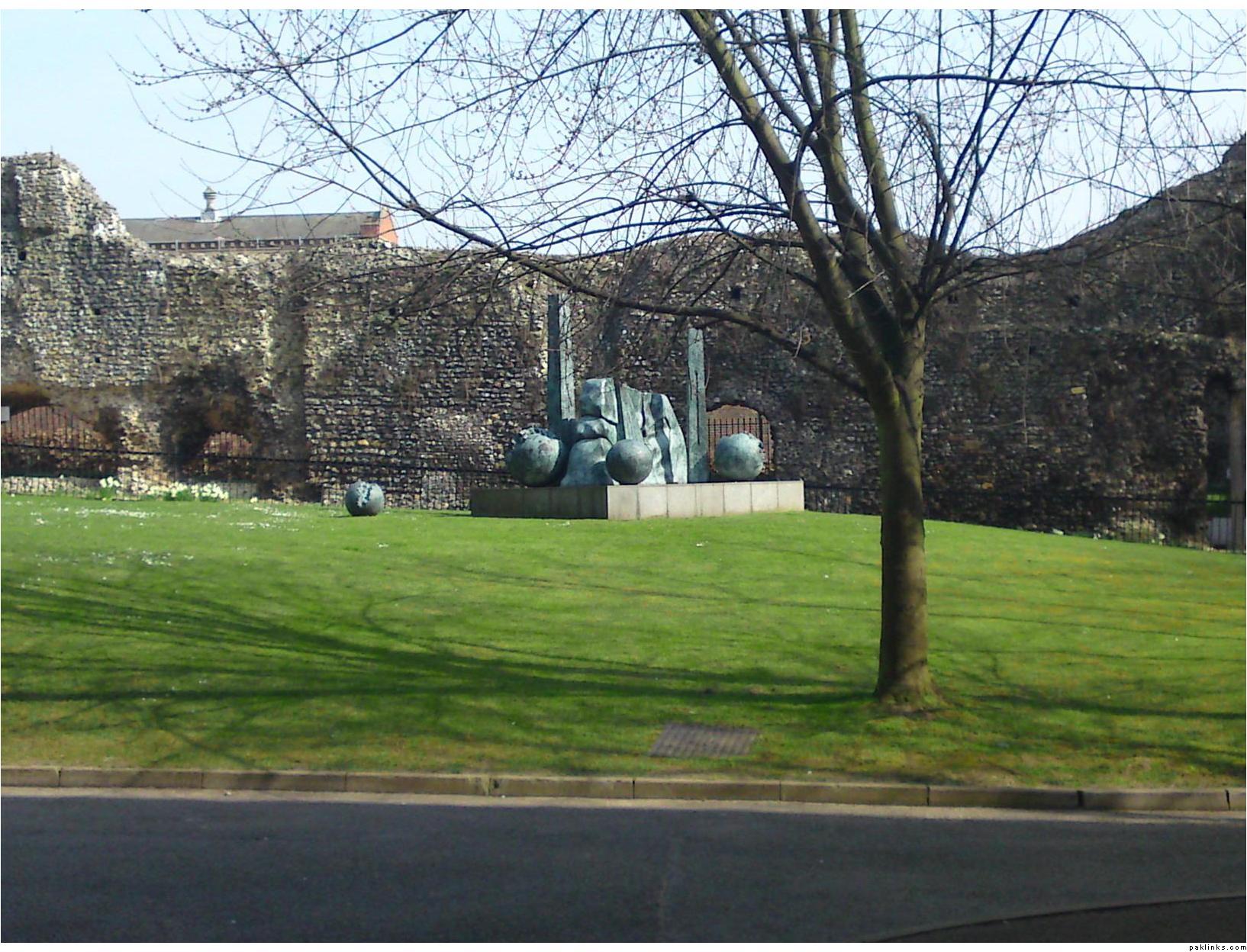
Here’s a short history of this old old old abbey but I’d call it “ruins of Reading Abbey”.
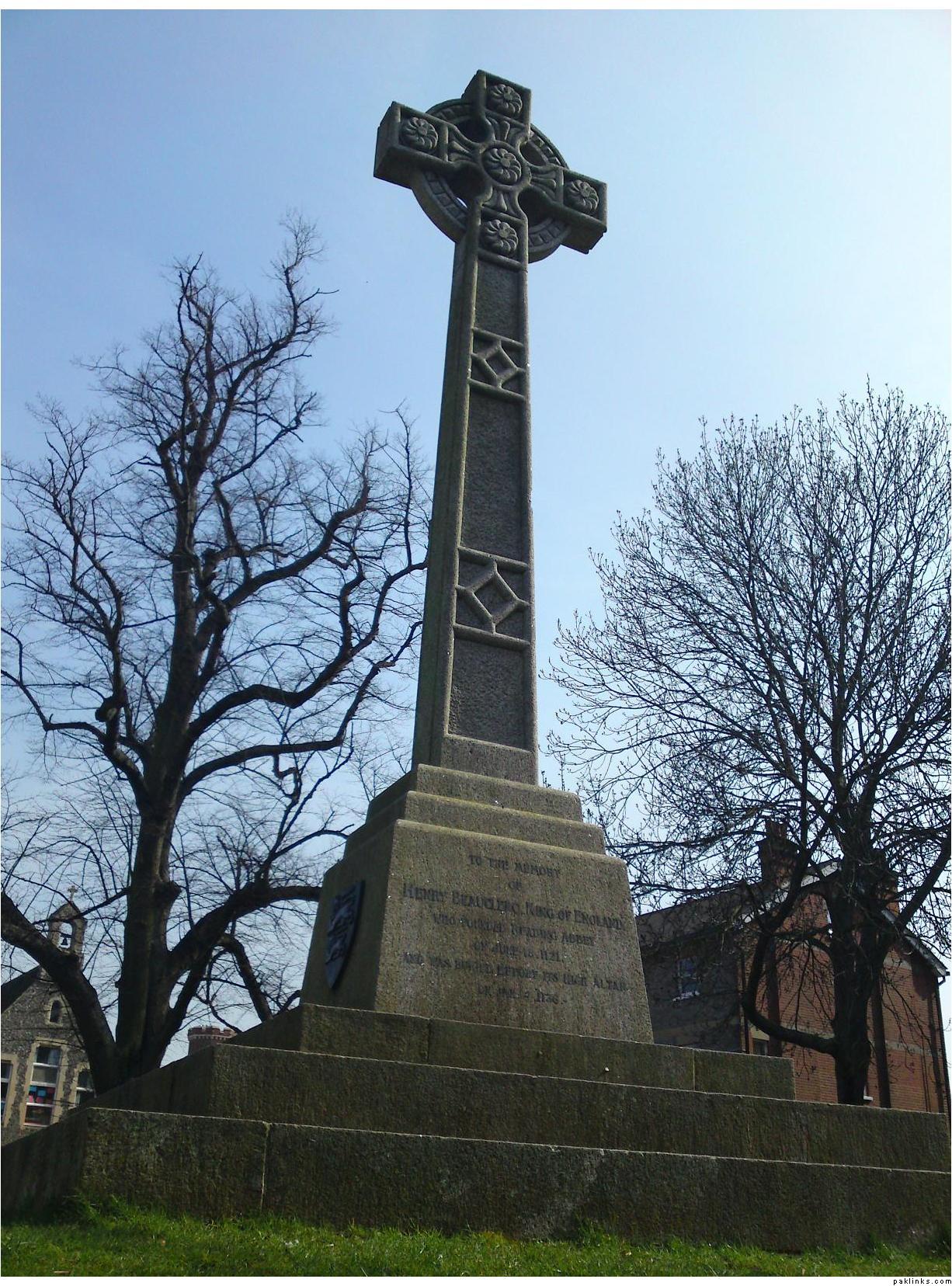
The foundation of Reading Abbey by Henry I Youngest Son of William the Conqueror in 1121 led to the town becoming a place of pilgrimage. The founder King Henry I was buried in the Reading abbey in 1135. Although the location of his body is still unknown, a small brass marker guesses at the approximate spot. Some believe that the body has been lost to grave robbery or during changes made to the Abbey years later. Few contest though that the Reading Abbey is the resting place of the first English born King of England Henry I. In 1253 Reading’s Merchant Guild successfully petitioned for the grant of a charter from the King and negotiated a division of authority with the Abbey. The dissolution of the Abbey saw Henry VIII grant the Guild a new charter in 1542 with which to become a borough corporation to run the town.
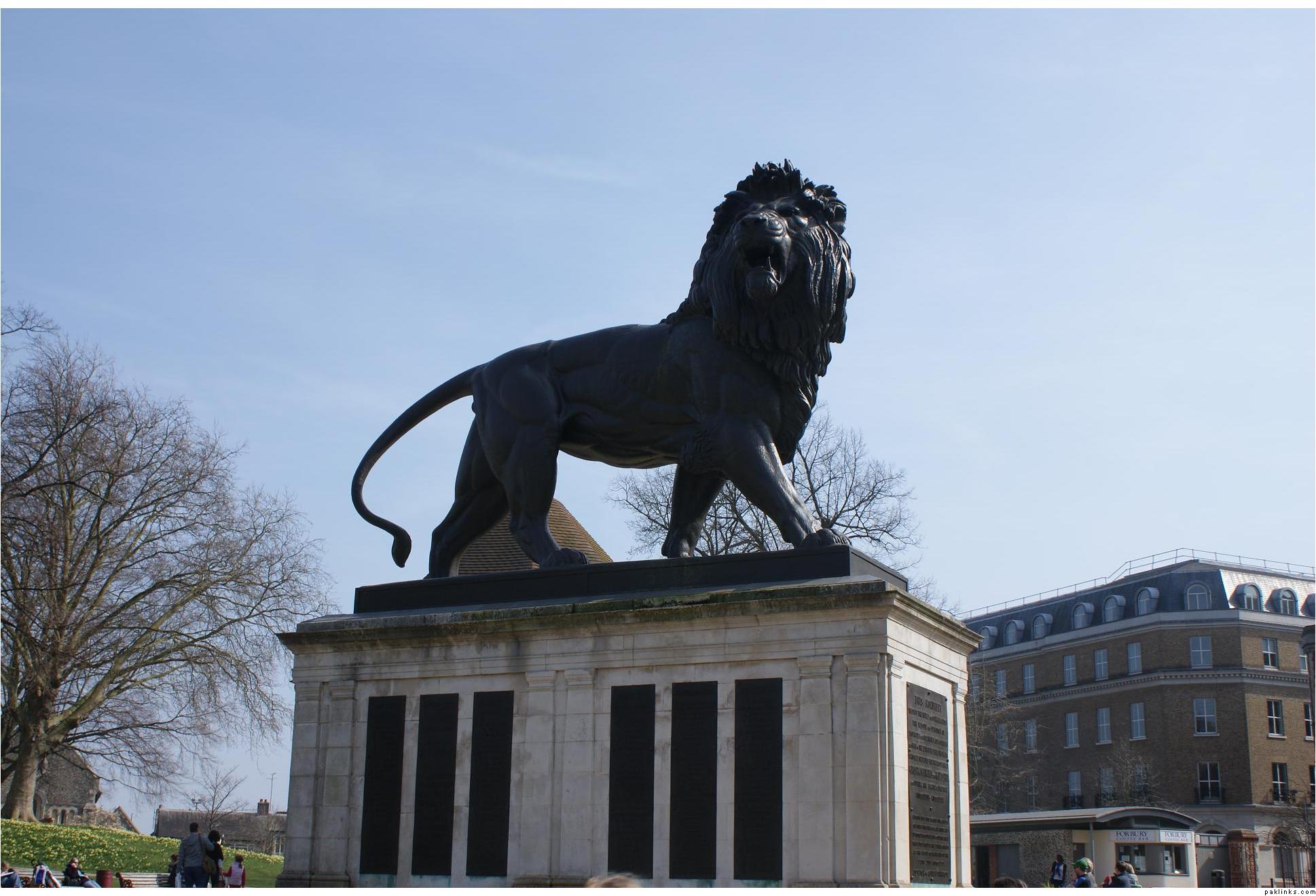
The Maiwand lion in Forbury Gardens, an unofficial symbol of Reading, erected in 1886 to commemorate the officers and men of the Royal Berkshire Regiment, who had fought in the Battle of Maiwand at Girishk Maiwand and Kandahar in Afghanistan in 1880.
wow, nice pics hareem, i have commuted to reading for couple of years on and off for some company projects, when motorway was blocked, i tend to take local winding roads, mostly A404 which pass through right near my house in london and end up at M4. looking at pictures, i even missed many places in reading, i have seen but not in details;) as my offices were in green park or the other side of reading in oracle buildings.