Is moun dikhai and aarsi musshaf the same thing?
And is moun dikhai ceremony really important?
what did you get for moun dikhai?
and another thing..
what is a muklawa?:S
Is moun dikhai and aarsi musshaf the same thing?
And is moun dikhai ceremony really important?
what did you get for moun dikhai?
and another thing..
what is a muklawa?:S
muklawa is when the bride and the groom go to the bride's house to sleep over after waleema.
Re: Aarsi Musshaf
thanx for that, do u know what it means?
Re: Aarsi Musshaf
arsi mushaf and moun dikhai are diff.
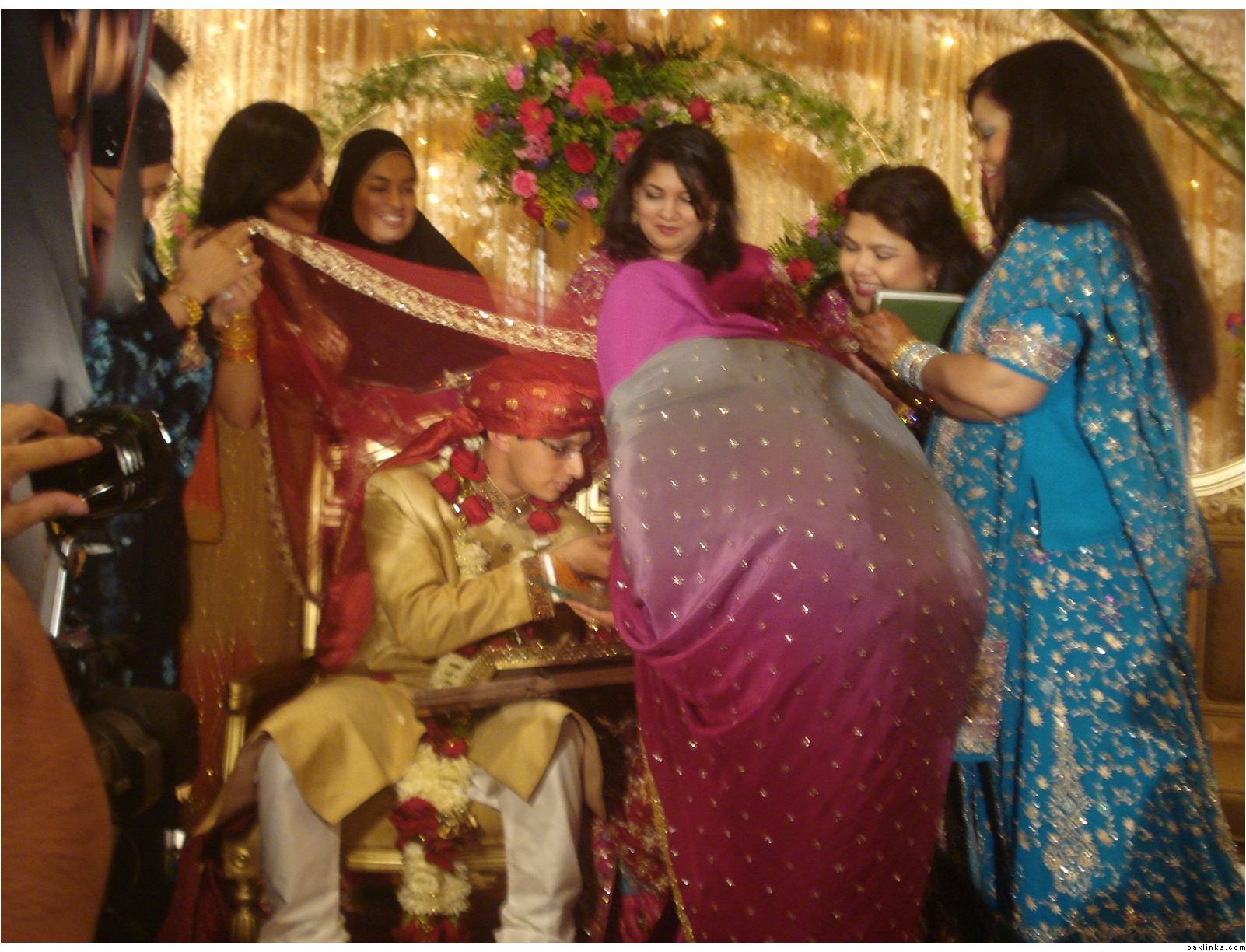
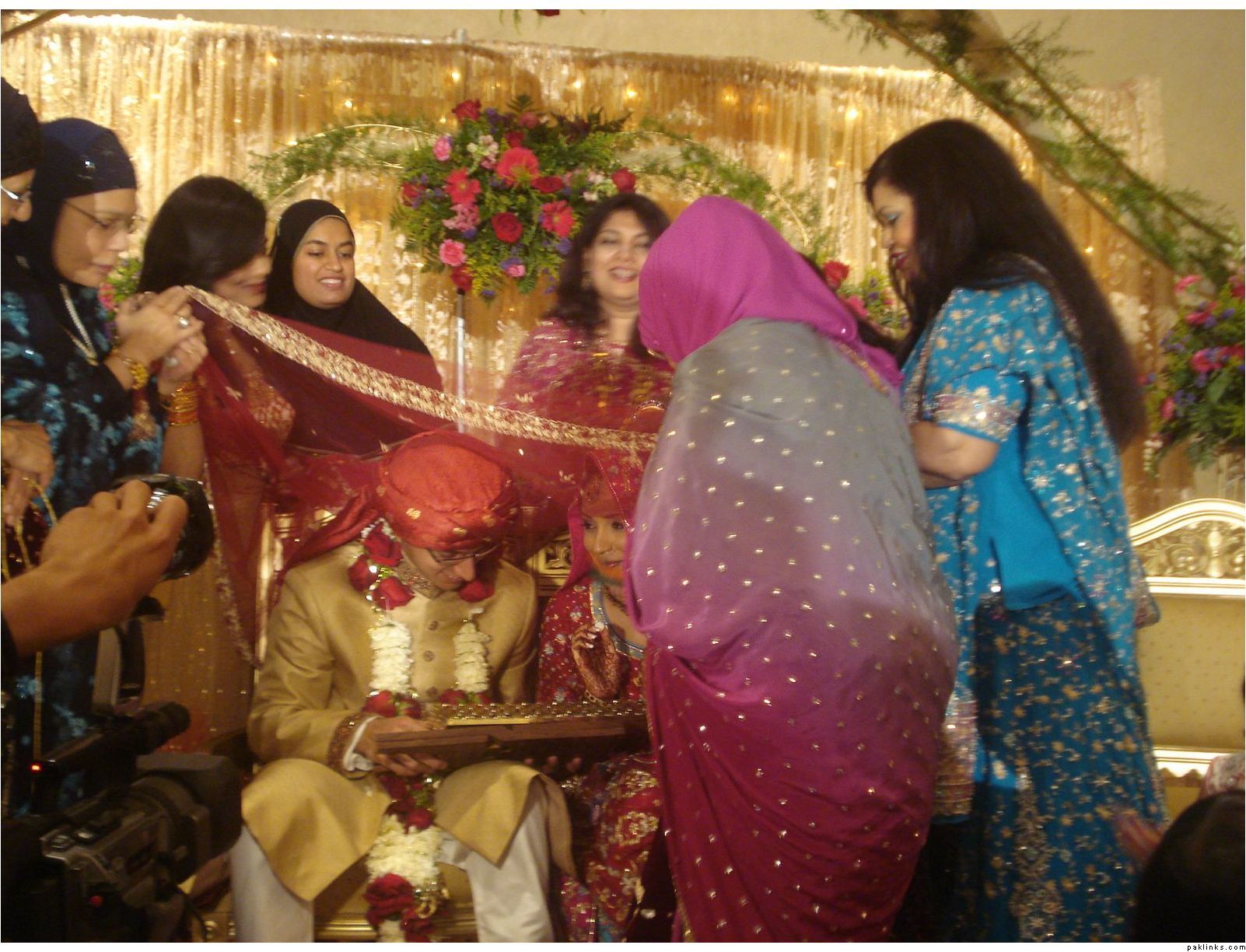
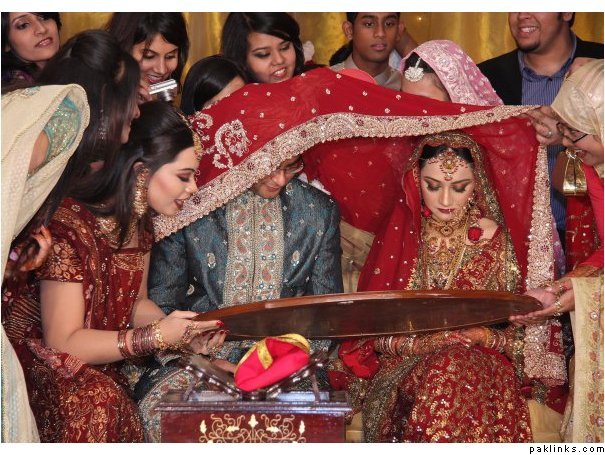
aarsi mashaf is put a dupatta on both bride and groom and put a mirror in between so they can see each others image in mirror.
Re: Aarsi Musshaf
really but i have never heard about this ceremony before:S
Re: Aarsi Musshaf
I never understood the logic behind aarsi mashaf..... even if its old rasam... but still wont they see each other eventually!! and they can see eachother amnaye samne too... wats the point of putting a mirror?? :S
i guess the mirror is used coz the bride is veiled and the groom should be the first one to see her face. ahh old days, old rasums. everything was soooo graceful.
whatever the reason behind it, but i still find this rasum very cute.
Re: Aarsi Musshaf
someone i know did this at the shaadi after he bride walked in not veiled, and after the couple had been dating for a year and a half! they did it in front of all the guests on the stage and it just seemed ridiculous and so forced- there was definitely no grace in it then.
yup somegroovychick, this rasum is not appropriate for the above mentioned senario.
muklawa is when the bride and the groom go to the bride's house to sleep over after waleema.
In our neck of the woods it's called badphera.
i guess the mirror is used coz the bride is veiled and the groom should be the first one to see her face. ahh old days, old rasums. everything was soooo graceful. whatever the reason behind it, but i still find this rasum very cute.
Back in the old days, brides and grooms didn't see each other until after the nikah was signed (separately). When they brought the couple together, remember that the bride was sharmeeli and didn't look up. By placing a mirror in the couple's lap, they could look at each other without the bride raising her head, which would be considered shameless. Today it's different, as most of us know our spouses before we marry. I agree with SGC, it looks dumb when a couple has been hooked up for years and they do the mirror thing.
Mou dekhai is done in private between the bride and groom. He usually gives her some kind of gift, maybe a small set or a ring.
Re: Aarsi Musshaf
Mou dekhai is also an old rasam. As mentioned above, the bride was always veiled and the groom did not see her face until they both retired to the bedroom. Once there, the groom would present the brie with a gift, usually jewelry to ask permission to lift her veil so he can see her face "for the 1st time". It was so he could see her "mou" -- thus, mou dekhai.
Its almost completely irrelevant today.
Re: Aarsi Musshaf
As for maklawa, its what they've described above.
We dont do it in our family.
Re: Aarsi Musshaf
Aarsi Musshaf is the ceremony of first time “showing of the bride’s face to the groom” after the Nikah. The couple see each other in the mirror and the bride unveils her face that she keeps hidden during the Nikah. I agree it works better in arranged marriages where the couple hasn’t seen each other so extensively before the wedding.
^
It’s an old Afghan/Iranian custom that was incorporated into Indian/Pakistani Muslim culture. The mirror is supposed to be placed upon a copy of the Quran, which has been opened to Surah Ekhlas (that’s the Mushaf in Aaina Mushaf). Also, traditionally the bride was supposed to keep her eyes closed and refuse to look in the mirror until the groom and the guests begged her to do so.
As for ruh numai/moun dekhai, that’s a completely different custom that is traditionally done at the groom’s house after the rukhsati. The bride would be kept veiled, and all of the groom’s relatives would come up to her “pay” her gifts of money and jewelry for a glimpse of her face. This made more sense back in the days when only men used to go in the baraat, and all of the groom’s female relatives would wait at home to receive the bride.
Re: Aarsi Musshaf
I just love this rasam.  Found a Hyderabadi addition to it so I thought, I’ll share.
The “Arsi Musaf” is a Muslim wedding ritual and is performed after the signing of the Nikah and before the time of departure (Rukhsati). A veil is placed over the bride and groom’s head and a mirror is placed on their laps. Traditionally, this would be the first time the groom would see the brides face in the reflection of the mirror and vice versa. They drink sweetened water from the same spoon to signify that they are indeed betrothed. “It is a very tender and sweet ritual as the bride and groom have a moment to themselves” says the bride.
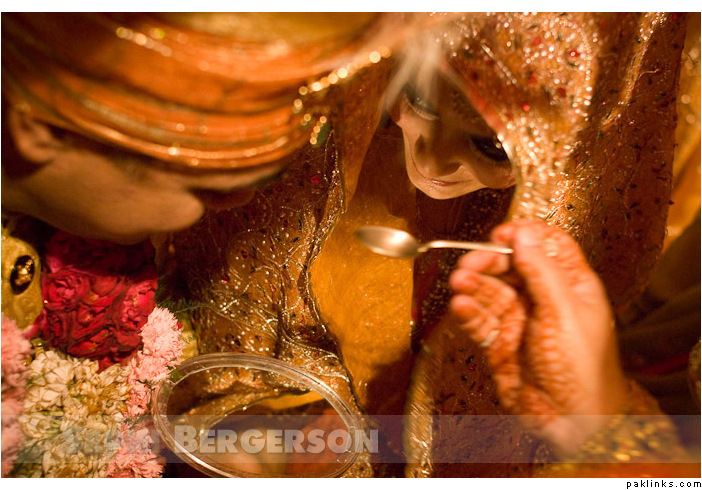
^ So beautiful, Ive never heard of the mirror rasam before but its so sweet, i knw at times nw its nt relevant but for ppl it is why not?
Re: Aarsi Musshaf
Re: Aarsi Musshaf
^did they really need a wall hanging mirror? lol that looks so cute. i also think the reading of the Quran verse is done prior to the aina musaf then they see each other in the mirror. meaning that the first thing they place eyes on is each other after reading the Quran.