Pakistan is now a $300-Billion Economy

Re: Pakistan is now a $300-Billion Economy

Truth is here
[RIGHT]پیپلز پارٹی سینیٹر شیری رحمٰن کا کہنا ہے کہ حکومت نے ملک کو قرضوں کے گرداب میں پھنسا کر رکھ دیا ہے، دنیا میں یہ اکلوتی حکومت ہو گی جو تجارت کے غیرمتوازن ہونے پر خوشیاں منا رہی ہے۔
اکنامک سروے پر تبصرہ کرتے ہوئے شیری رحمٰن نے کہا کہ حکومت نے تمام چیزوں کا انحصار سی پیک پر کر رکھا ہے اور خود ہاتھ پر ہاتھ رکھے بیٹھی ہے۔
انہوں نے کہا کہ حکومت آئندہ مالی سال میں مزید خسارے میں جا رہی ہے، ایسا پہلے کبھی نہیں ہوا کہ کسی حکومت نے خزانہ خالی کر دیا ہو۔
شیری رحمٰن کا کہنا ہے کہ سال 20…
See More
[/RIGHT]
https://external.xx.fbcdn.net/safe_image.php?d=AQC4l4njc865ascw&w=476&h=249&url=http%3A%2F%2Fi.dawn.com%2Fmedium%2F2017%2F05%2F5927bf6ca5eec.jpg&cfs=1&upscale=1&sx=0&sy=38&sw=500&sh=262&_nc_hash=AQDnm-uql0Nkyk6cPPP accuses govt of thrusting Pakistan into a deep ‘borrowing trap’
“This must be the only government which is happy about a trade imbalance,” says PPP leader.

Re: Pakistan is now a $300-Billion Economy

**
BLOOMBERG

**Pakistan Hikes Spending as Sharif Eyes Next Year’s Elections

by Kamran Haider Faseeh Mangi , and Ismail Dilawar

May 26, 2017, 5:54 AM PDT May 26, 2017, 6:57 AM PDT

  • Defense spending hiked as border tensions with neighbors rise
  • Pakistan’s current account deficit widening, reserves falling
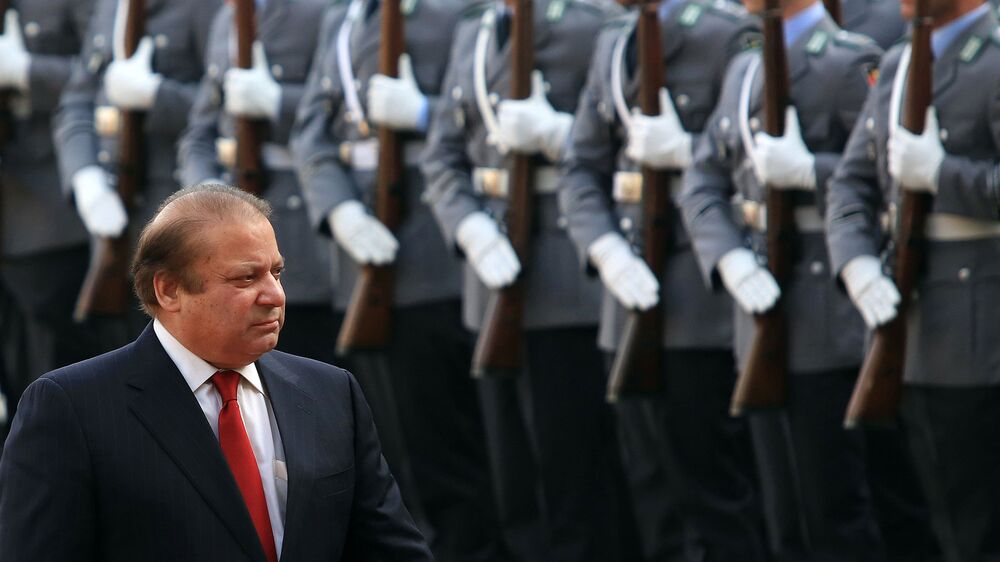
Nawaz Sharif, Pakistan’s prime minister, reviews an honor guard ahead of a news conference in Berlin on Nov. 11, 2014.

**Pakistan’s government raised spending 43 percent in a bid to accelerate economic growth before elections next year, which Prime Minister Nawaz Sharif is widely expected to contest for a second consecutive term in office.

Sharif approved an annual budget of 5.1 trillion rupees ($49 billion) targeting economic growth of 6 percent in the next financial year starting July, the highest rate in more than a decade. That’s after his administration undershot an earlier estimate for this year.

The fiscal deficit will be reduced to 4.1 percent next year from an estimated 4.2 percent this year, Finance Minister Ishaq Dar said on Friday in Islamabad, while presenting the spending plan in the National Assembly, the lower house of Parliament. Inflation will be kept below 6 percent, he said.

“Pakistan is on the path of development, very tough structural reforms have been done since government came in power in 2013,” said Dar, who in a February interview pledged that the government wouldn’t go on a spending binge before the election. The National Assembly will now hold a debate on the spending plan and approve it by June 30.


Widening Deficits**

Sharif has ushered in a period of relative stability since averting a debt crisis in 2013 by submitting to a $6.6 billion International Monetary Fund loan program that ended in September. Pakistan’s economy expanded 5.3 percent this fiscal year, missing a target of 5.7 percent. That growth rate has been underpinnned by more than $50 billion in Chinese financed infrastructure projects across the country, part of it’s “One Belt, One Road” plan across Asia.

Nevertheless, South Asia’s second-largest economy is starting to look vulnerable with its current account deficit tripling to $7.3 billion in the ten months through April. Foreign exchange reserves also declined 15 percent to $15.9 billion in May, after peaking at $18.9 billion in October last year.

“Its pre-election, there is a lot going on,” Ali Khalpey, chief executive officer at EFG Hermes Frontier, said in an interview in Karachi before the budget presentation. “There is only one way to fund it and that’s increase the tax net for the whole economy.”

Despite continual attempts, Pakistan has failed to significantly widen its tax base in recent years, despite efforts to lure more filers under the IMF reform program. Only about 1 percent of Pakistan’s 200 million people pay taxes and the country has one of the lowest tax-to-GDP ratios in South Asia.
Pakistan’s traditional exports, such as cotton and textiles, have also waned during Sharif’s term, declining 3 percent this fiscal year despite government incentives such as a zero-rated sales tax regime for exporters in five industries.
**

Military Spending**

One key budget beneficiary is the powerful military, which has ruled Pakistan for much of its history since gaining independence 70 years ago from the U.K. Defense spending was hiked by 9 percent to 920 billion rupees as Pakistan’s relations with neighboring India and Afghanistan drastically soured this year following repeated border clashes with both nations.

Like previous years, the military will get 100 billion rupees for anti-terror offensives and to help people affected by the operations. The more than decade long fight against insurgency has cost Pakistan $123 billion, according to Dar. The government also raised bureaucrats’ salaries and pensions by 10 percent.

The government may have to borrow more from Chinese banks to avoid a massive fall in foreign currency reserves, Sakib Sherani, chief executive of Islamabad-based research company Macroeconomic Insight Ltd., said before the budget announcement.

The central bank in its most recent quarterly report said Pakistan received $382 million in loans from China during the last quarter of 2016 to finance the country’s “growing current account gap.” Those disbursements reached $848 million in the first half of the year through June 2017.

“Exports won’t be picking up, this will be another difficult year,” Sherani said. “The government will go for short-term borrowing to keep reserves at decent level.”

Re: Pakistan is now a $300-Billion Economy

**

Pakistan hikes development budget by 40%**

 Last Updated On **26 May,2017** 10:18 pm

Finance Minister Ishaq Dar announced 11 percent hike in total expenditure over the next year

**ISLAMABAD (AFP) - Pakistan on Friday announced a 40 percent increase in its development budget over the next financial year as the government continues to invest in infrastructure projects.

Speaking to Parliament, Finance Minister Ishaq Dar said the Public Sector Development Program would have its funding increased from 715 billion rupees ($6.8 billion) to 1,001 billion rupees for 2017-18.**

The government also announced an 11 percent hike in total expenditure over the next year, as positive financial indicators and an improving security situation attract more investors to the country.

“The estimate for the total expenditure in the year 2017-18 is 4,753 billion rupees, which is 11.7 per cent more than the previous year s expenditures of 4,256 billion rupees,” Dar said.

The defence budget has been increased from 841 billion rupees to 920 billion rupees.

On Thursday, the government said its economy expanded almost 5.3 per cent, its largest increase in a decade.

The rise follows a construction boom linked to a $50-billion Chinese investment plan to upgrade transport and power infrastructure.
Confidence in Pakistan is growing, with the International Monetary Fund saying in October that the country had emerged from crisis and stabilised its economy after completing a bailout programme.

Pakistan s credit rating has also improved, though foreign investment remains poor compared to its South Asian neighbours.
Economists believe the country will need to register sustained growth of six to eight percent over several years to make a significant dent in poverty and provide enough jobs for its youth.

Re: Pakistan is now a $300-Billion Economy

In 1999, Pakistan was $60 billion economy and had $38 billion net foreign debt (debt - reserve). Reserve was less than $500 million. Pakistan export was $ 7 billion and tax collection was Rs 308 billion. In late 1998 and early 1999, Pakistan became defaulter country (defaulting twice). Pakistan was in IMF program.

After 8 years, by 2007, Pakistan was $186 billion (3 times what it was in 1999), had $22 billion net foreign debt ($38 billion - $ 16 billion reserve). Pakistan export was $18 billion (~ 3 times) and tax collection was over Rs 1000 billion. In 2004, Pakistan came out of IMF program. Overall, GDP was increasing at healthy rate of 7 to 9 percent.

Now … after 10 years from 2007, Pakistan GDP reached $300 billion (not even twice what it was in 2007), external debt doubted to more than $50 billion (external debt - reserve), export is declining and now it is around $18 billion (after reaching $23 billion), tax collection is Rs 3000 billion, Pakistan is in IMF program again since 2009, than what is big deal?

If this is how demon-crazy in Pakistan works, where state power is used for corruption, nepotism, mismanagement, abuses, get rich quick (at the expense of country), than it is better that Pakistan should have military rule again.

Re: Pakistan is now a $300-Billion Economy

Saleem bhai! Khairiyat? Tabiyat theek hay aap key?

Re: Pakistan is now a $300-Billion Economy

By June 30,2017, Tax Collection by FBR will be around Rs. 3500 billion ($35 bn) down from earlier target of Rs. 3620 Billion. And Exports will be around $21 billion.

Re: Pakistan is now a $300-Billion Economy

Wonder when will all those loasns to IMF and WB will finally be due ?? when Will those banks stop giving loans and demanding big paybacks ??

Will these corrupt people flee when that happens, probably soon ??

Re: Pakistan is now a $300-Billion Economy

Loans and Loans only
****Nafisa Shah**‏ **](https://twitter.com/ShahNafisa)

https://pbs.twimg.com/profile_images/839342956469452800/Dd6LvUMq_bigger.jpg

@ShahNafisa](https://twitter.com/ShahNafisa)Following

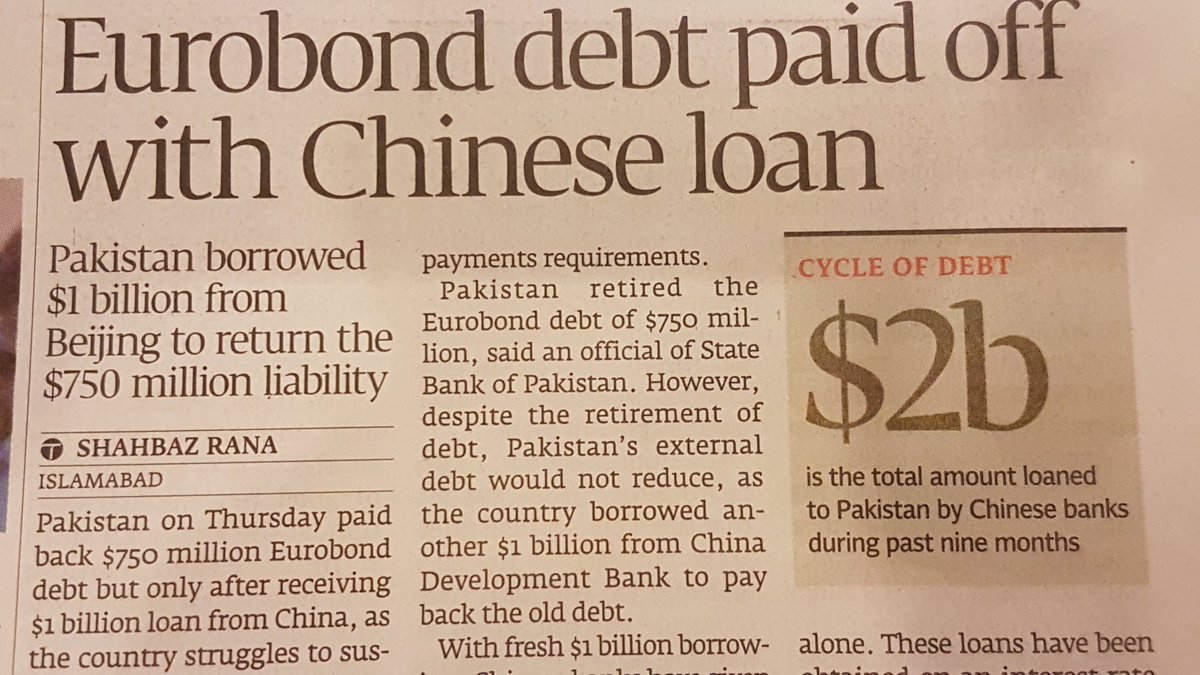
2bn dollars borrowed from the Chinese to pay off debt

Re: Pakistan is now a $300-Billion Economy

Nothing will happen to these rulers until the pakistani people hold them accountable.

Magar pakistani qaum ch**** hai. I don’t blame them 100% as we wouldn’t care about such stuff either if our food security and safety is not guaranteed along with education. The people I do fault are the middle to upper middle classes who have relative food security and safety along with some education but are happily going all with this insanity. Do paisa kay anchors should die of shame but then shame is mostly gone as well.

Re: Pakistan is now a $300-Billion Economy

Our economy can never develop
Main causes are no infrastructure , energy crises , corruption and smuggling
like , This budget big cut in cheap cigarette taxes because people went to cheap smuggled cigarettes

Over 20% smokers consume smuggled cigarettes - The Express …