Re: BRIDAL PICS.
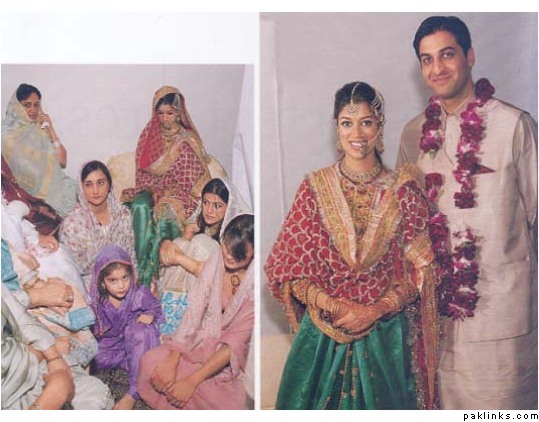
Indian/Pakistani wedding from Town & Country Magazine…the bride is the granddaughter of one of India’s former presidents…I personally don’t care for any of the outfits, except the 250 year old heirloom farshi payjama she wore at the nikkah.
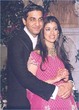
Asema Ahmed Weds Zafar Asghar
Asema Ahmed and Zafar Asghar missed their first date with destiny: a get-acquainted dinner arranged by a mutual friend who thought the New York-born graduate student (Asema) and the Pakistani-born corporate attorney (Zafar) would be a great match. Zafar broke his leg playing soccer and had to beg off. Fortunately, fate arranged a redo.
One year later, they met by chance at a Manhattan restaurant. “We knew right away how we felt about each other,” says Asema, who has finished the master’s program in international development at Georgetown University in Washington, D.C., and now works on business projects. “We talked the entire evening; a month later we decided to get married.”
Both desired nuptial festivities that would reflect their Muslim traditions and family heritage. Asema’s physician parents moved to Manhattan from India in the early 1970s, a few years before her grandfather Fakhruddin Ali Ahmed became president of India. Zafar’s ancestors include illustrious academics and a princess of Bhopal. It took three days of events, in three Manhattan locations, to do their dreams justice.
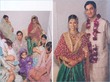
For the wedding ceremony, or nikaa, in her parents’ Upper East Side apartment, Asema donned centuries-old Mogul jewelry and a 250-year-old farshee gown, also Mogul, that her mother, grandmother and great-grandmother wore for their weddings. “Hopefully, my daughter will wear it one day,” Asema says. At ceremony’s end, her father held a mirror before the newlyweds. “By tradition, we take our first look at each other together as man and wife in a mirror,” says Asema. “It symbolizes our new life together.”
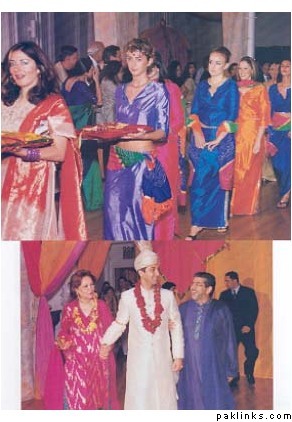
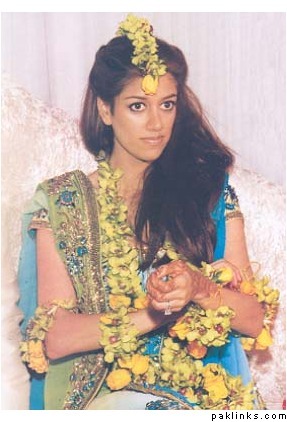
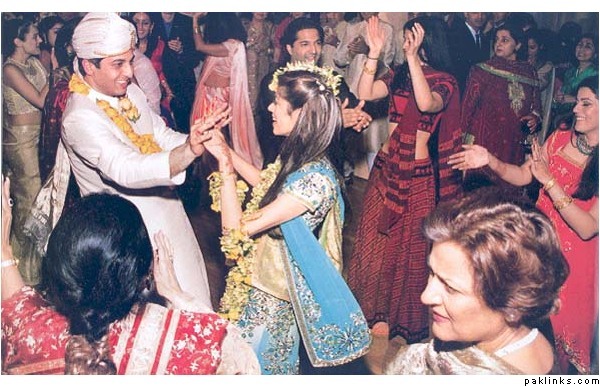
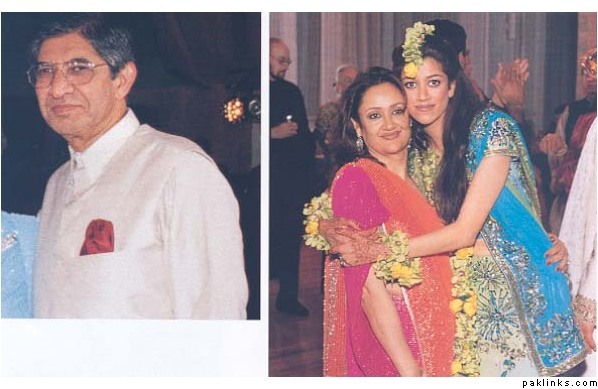
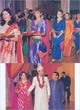
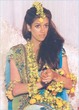
Honoring the triumph of love over politics and blood feuds–since India and Pakistan have been in dispute over both territory and faith since 1947–revelry reigned at the next day’s mehndi celebration in the Puck Building. Designer Anthony Ferraz had decorated the vast main room to resemble the Taj Mahal. The banquet area replicated India’s bustling byways, complete with banana trees and street vendors cutting coconuts. Asema was carried in dramatically on a palanquin, her hands and feet painted with henna patterns.
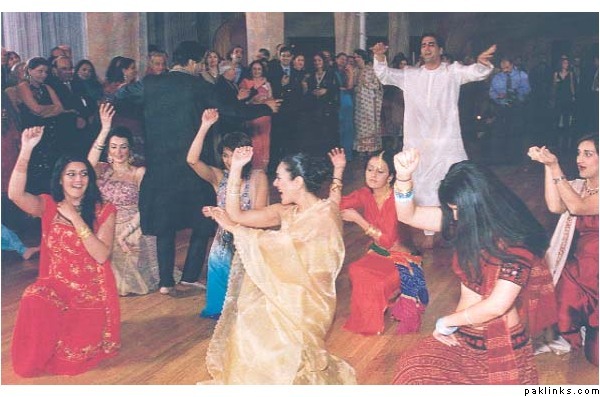
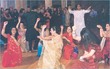
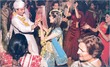
“At the mehndi, the bride’s side and the groom’s side make up dances and compete with each other,” she says. “All our friends were dancing to Indian music.” The well-known pop star Baba Sehgal sang; female guests donned colorful bangles that matched their outfits and took turns daubing henna on Asema’s hands for good luck. “I really loved the mehndi. It was so festive,” says Asema. “I only wish it could have gone slower. Then I could have enjoyed it even more.”
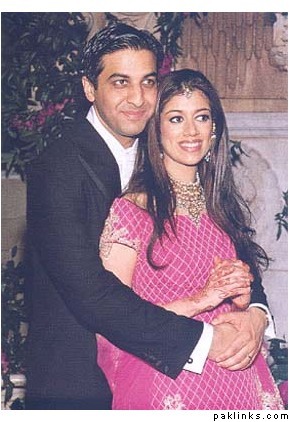
At the final night’s black-tie reception at the Plaza hotel, a nod to the couple’s Western life, guests dined on truffled steak and curried potatoes and danced to music by Soul Solutions. Amber lighting cast a soft sheen over Asema’s pink garara gown, a traditional Muslim dress by Design Archives. Cigar rolling and cognac followed dessert; then the party was over.
“People were depressed–they didn’t know what to do with themselves,” Asema says, laughing. The bride and groom had no such problem: they jetted to St. Bart’s for several days before returning to Manhattan to begin their new life together.
Mehndi:
Nikkah:
Reception: